
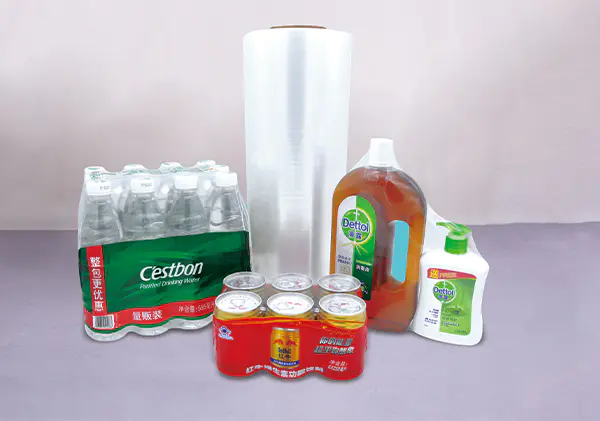
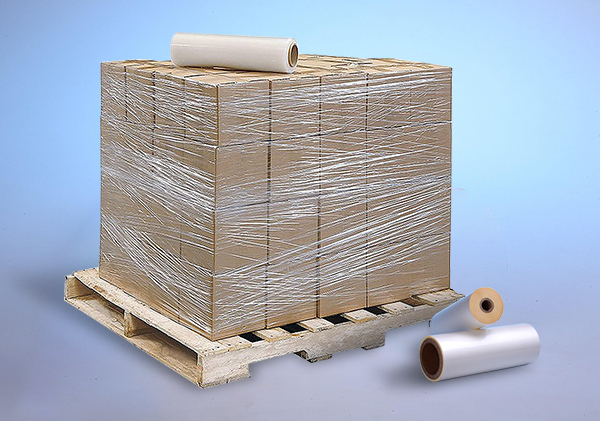
Packaging film — mostly made of polyethylene (PE) or polypropylene (PP) — has been popular in the industry for decades. Their low price, durability and flexibility make them available for a wide range of applications: food bags, shrink packs, pallets, mailbags, medical packages, and more.
In recent years, improvements in extrusion lines, resin blends, and transformation devices have led to improvements in performance in many fields. Today's films provide sufficient protection for content. They act as a shield against moisture, oxygen, dust and UV rays, making it easier to store items such as snacks, fresh products, cosmetics, pharmaceuticals, and electronics. Food may be kept fresh for a longer period of time, the flavour is maintained, the colour disappears less quickly, and the sensitive products are less prone to deterioration or deterioration. This often results in lower returns, fewer spoilage issues, and greater customer satisfaction.
Sustainability has gained attention. Because of the demands of retailers, regulators, and consumers, many suppliers provide films with post-consumer recycled content or versions suited to existing curbside recycling programs (where accepted locally). Bio-based resins and certified compostable options are also available for brands pursuing environmental certifications or addressing eco-aware customers. While these alternatives may be costly, they provide a means of reducing the environmental impact of packaging. Used packaging may be more easily collected and processed than older materials.
Customization is a key feature. Specifications may include gauge/thickness, width, multi-layer structure to enhance barrier or strength, anti-static additive, easy to open, matte or glossy finish, and sealing properties. You can print multiple colors, full design, logo, nutrition, QR codes, messaging, or electronic commerce. The package can be used to identify the brand and make it visible. In many cases, no additional tags or outer boxes are required, thus reducing the need for materials and labor.
From a cost and efficiency point of view, light weight helps to reduce transportation costs. Trucks and containers are able to carry more goods per load, which will cut down on cargo and fuel consumption. In production, these films perform consistently on form-fill-seal machines, horizontal wrappers, stretch wrappers, and packing boxes. Changes are often straightforward, with limited downtime, and an increase in output per shift. This reliability contributes to overall efficiency for manufacturers and co-packers.
Recent developments include features such as temperature-sensitive indicators that change color if a cold chain is interrupted, or patches that indicate oxygen exposure. These provide a visual cue for shippers, retailers, and users—particularly helpful for perishable items, biologics, or valuable goods.
All in all, the current packaging film has a number of practical functions: protection of products, sustainability, branding and shelf life, as well as logistical and manufacturing savings. Across sectors like food and drink, personal care, electronic commerce, pharmaceuticals, and industry, they provide a flexible way to move products safely from factory to customer, with the right design, and in line with market requirements.
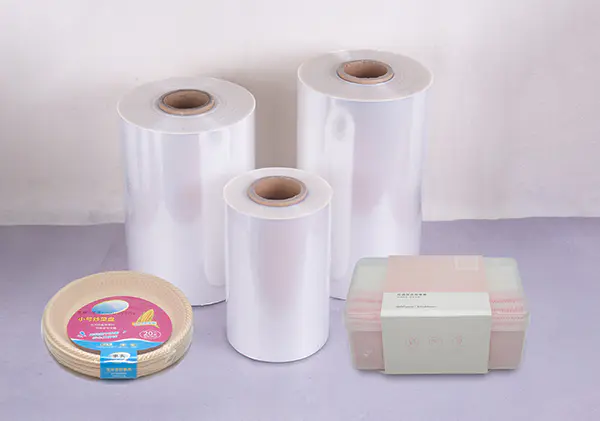
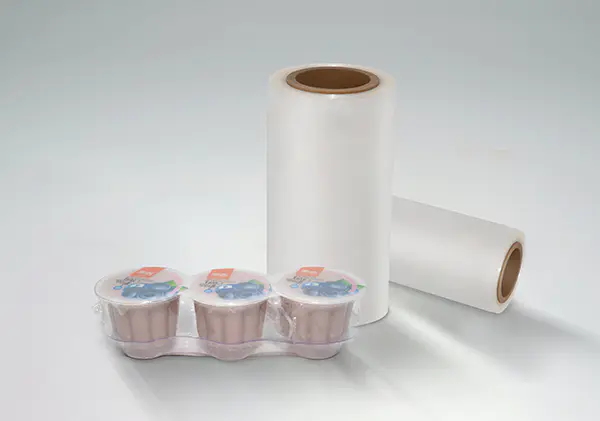
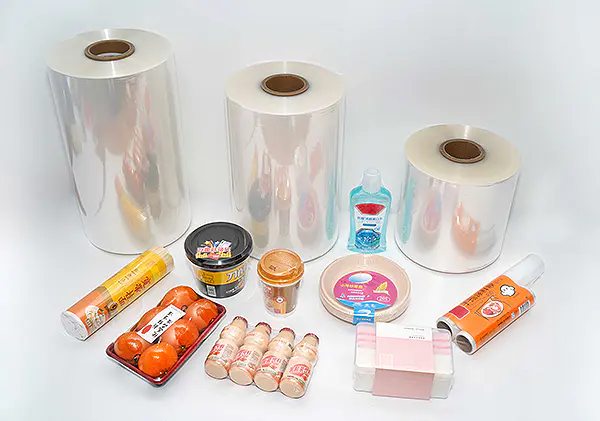
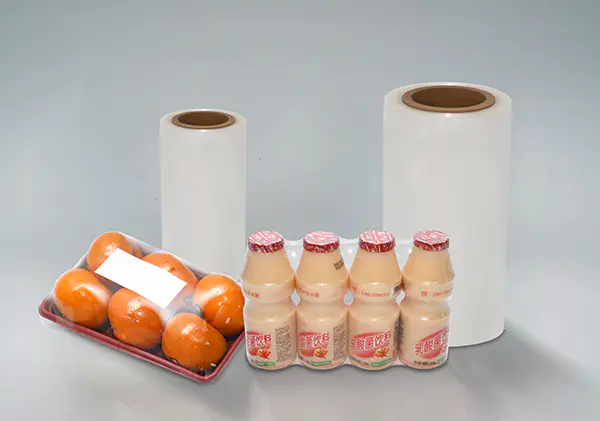
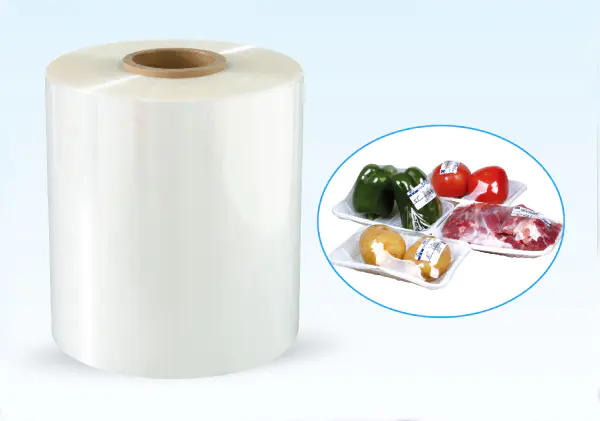
JT05 Antifog Crosslinked Shrink Film is an ideal o...
Copyright © Zhejiang Jiuteng Packaging Co., Ltd.
 简体中文
简体中文
 Home
Home
