
Packaging has moved beyond simple containment. It now carries expectations related to protection, consistency, and appearance across different stages of use. Materials are no longer judged only at the moment of sealing. They are observed during transport, storage, and display.
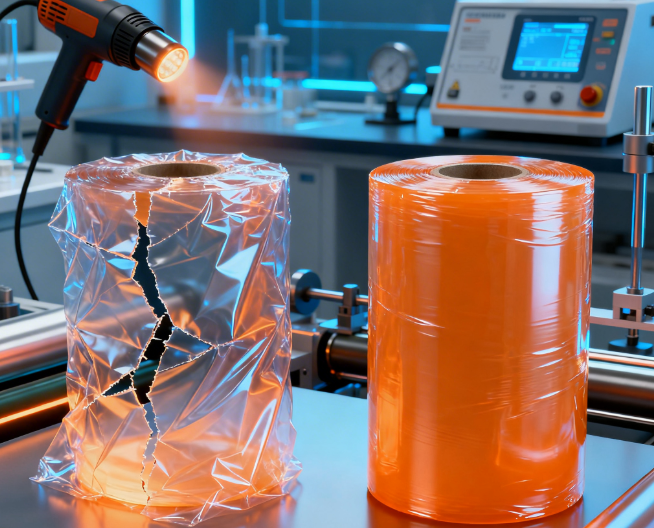
Within this context, crosslinked shrink films have gained attention. The discussion often centers on durability. Yet durability is not a single feature. It includes resistance to stress, behavior under changing conditions, and the ability to maintain shape over time.
Comparing shrink films with traditional shrink films requires a closer look at how each performs in real situations rather than in isolated conditions.
The difference between crosslinked films and traditional shrink films starts right at the foundation — in the way the material is built on a molecular level.
Shrink films are produced with special internal bonds, called crosslinks, that connect the polymer chains to one another. These connections form a kind of internal network throughout the film. As a result, when the film is stretched or exposed to heat, the stress and forces do not stay concentrated in one area. Instead, they spread out more evenly across the whole surface. This even distribution allows the film to react in a smoother, more uniform, and more controlled manner during the shrinking process.
Traditional shrink films, by comparison, are made with a simpler and more straightforward molecular structure. There are no additional crosslinks holding the chains together. This gives the film good flexibility and can make it easier to manufacture and handle in some situations. However, the lack of these internal connections also means that stress can distribute unevenly when the film is under tension or shrinking with heat. In certain conditions, the force may build up in particular spots, which can to inconsistent shrinking, potential weak points, or distortion.
This fundamental structural contrast plays a major role in how each type of film performs in actual use. It does not automatically make one material universally better or stronger than the other. Instead, it creates distinct performance patterns. Crosslinked films typically deliver more consistent shrinkage, improved resistance to tearing, and better overall stability. Traditional films, on the other hand, may provide greater flexibility or other handling benefits depending on the specific packaging application.
The structural difference is what ultimately shapes the behavior, strengths, and limitations of each film when it is put to work.
The difference between crosslinked films and traditional shrink films starts at the basic level — how the material is formed and structured inside.
The way the material is structured internally is what ultimately decides how each type of shrink film will perform when it is stretched, heated, or used in real-world packaging applications.
Temperature has a clear impact on how shrink films perform, both when they are applied and during the entire time they are in use.
Shrink films tend to handle temperature changes with greater stability. They maintain their structure more reliably whether it gets hot or cold. Because of this, the film is less likely to warp, loosen, or change shape unexpectedly. This helps the finished package stay looking neat, tight, and professional even when it experiences different temperatures during storage or transportation.
Traditional shrink films react more quickly and directly to temperature shifts. In stable, well-controlled environments, this response is usually predictable and easy to work with. However, when temperatures fluctuate — for example in warehouses without steady climate control or during shipping — the film's behavior can change more noticeably. This can result in the film shrinking tighter or looser than intended, which may alter the final tightness and overall appearance of the package.
Even moderate temperature changes can affect how each film performs over time. The main distinction is that crosslinked films usually manage these variations with less disruption, while traditional films often need more careful temperature management to deliver consistent and reliable results.
The choice between the two materials often depends on knowing the range of temperatures the packaged product will likely face from the time it leaves production until it reaches its final destination.
The shrinking stage highlights differences in behavior.
Crosslinked films often contract in a more uniform way. The internal structure supports even tension, which can result in a smoother surface.
Traditional shrink films can also produce clean finishes, though they may require more precise control of heat and handling to achieve consistent results.
Below is a simple comparison of behavior during shrinking:
| Aspect | Crosslinked Shrink Film | Traditional Shrink Film |
|---|---|---|
| Shrink Consistency | More uniform contraction | May vary depending on control |
| Surface Appearance | Smoother finish | Can show minor irregularities |
| Sensitivity to Heat | More stable response | More sensitive to changes |
| Handling During Process | Generally more forgiving | Requires careful adjustment |
This table reflects general tendencies rather than fixed outcomes.
Durability and flexibility are closely connected when it comes to shrink films.
Shrink films usually feel a little firmer. This firmness gives the film better structural stability once it has been applied and shrunk, helping it hold its shape more reliably. At the same time, this same firmness can make the film less adaptable when it needs to wrap around complex or irregular shapes.
Traditional shrink films, on the other hand, tend to be noticeably more flexible. This extra flexibility makes them easier to work with when covering products that have varied surfaces, sharp corners, or unusual forms. They can conform more smoothly to different contours.
The right choice usually depends on the balance you need between structure and adaptability. Some packaging situations call for the added firmness and stability that crosslinked films provide, while others benefit more from the easier conformability offered by traditional shrink films.
Material selection involves more than performance alone.
Crosslinked films may require different handling or adjustments in processing. This can influence workflow and cost structure.
Traditional shrink films are widely used and familiar. This familiarity can simplify operations and reduce the need for changes in existing systems.
Below is a comparison of practical considerations:
| Factor | Crosslinked Shrink Film | Traditional Shrink Film |
|---|---|---|
| Processing Familiarity | May require adjustment | Widely understood |
| Adaptability | More structured behavior | More flexible in application |
| Handling Sensitivity | Generally stable | More dependent on conditions |
| Integration | May involve minor changes | Easily fits existing systems |
These differences often influence decisions as much as performance characteristics.
Both crosslinked shrink films and traditional shrink films continue to be widely used across many different packaging environments today. Each type brings its own strengths, and both remain relevant and practical depending on the specific situation and requirements.
Crosslinked films are frequently chosen for applications that demand consistent and reliable performance under stress. They are especially well suited for more challenging or demanding conditions, such as when packages may experience temperature fluctuations, rough handling, extended storage periods, or situations that require higher levels of stability and tear resistance throughout the entire supply chain.
Traditional shrink films, on the other hand, remain a very practical and effective option for many standard, everyday packaging jobs. They perform well in situations where the conditions are relatively predictable and controlled, and where the extra structural strength provided by crosslinked films is not strictly necessary.
The choice between the two materials is rarely about deciding that one should completely replace the other. Instead, it is about carefully matching the right film to the particular demands of the job at hand. Factors such as the type of product being packaged, the expected handling and shipping conditions, possible temperature changes during transport and storage, and the overall performance requirements all play a key role in determining which material will deliver the results.
In practice, many industries continue to use both types of shrink film side by side. Each is selected for the applications where its particular strengths provide the value. This approach allows companies to meet a broad range of packaging needs efficiently and effectively.
This balanced and flexible way of working ensures that both crosslinked and traditional shrink films continue to have a useful and important place in today's packaging solutions.
Interest in crosslinked films is growing due to changing expectations in the packaging industry.
Packaging today needs to stay stable and perform reliably in all kinds of conditions. Materials that behave consistently — even when facing temperature changes, rough handling, or different storage environments — are becoming more appealing. Crosslinked films handle this especially well thanks to their more stable structure and even stress distribution.
Meanwhile, traditional shrink films keep getting better. Continued improvements in production techniques and processing methods make them stronger for many everyday uses. These advances help traditional films stay a practical choice where flexibility and cost-effectiveness are important.
This creates a balanced picture: crosslinked films are drawing more interest for demanding applications, while traditional films remain a solid, reliable option for standard needs. The rising attention on Shrink films comes from the push for higher reliability and consistent performance in an increasingly complex packaging world.
Durability isn't a straightforward question with a single clear winner. How the two types of shrink films compare really depends on what the application demands and how we measure durability in that context.
Crosslinked Shrink Films generally give more balanced resistance to stress and do a better job of holding their shape when conditions vary. They handle temperature changes, rough handling, and different storage situations with greater consistency, thanks to their more stable structure and even distribution of forces.
Traditional Shrink Films bring flexibility and ease of handling. These characteristics make them especially useful and practical for a wide range of everyday packaging jobs. Ongoing improvements in how they are made keep them competitive where cost and versatility are key.
Key Takeaway At the end of the day, the choice often comes down to how durability is defined for each particular use and where those qualities matter most. In some situations the edge clearly goes to crosslinked films. In others, traditional films offer the right mix of performance and practicality, so the decision becomes more about preference and finding the fit for the job.
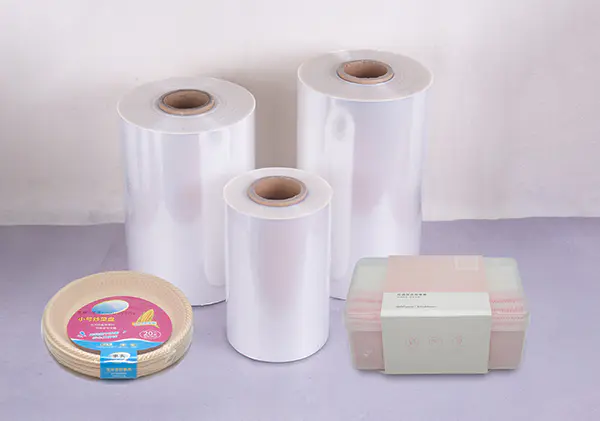
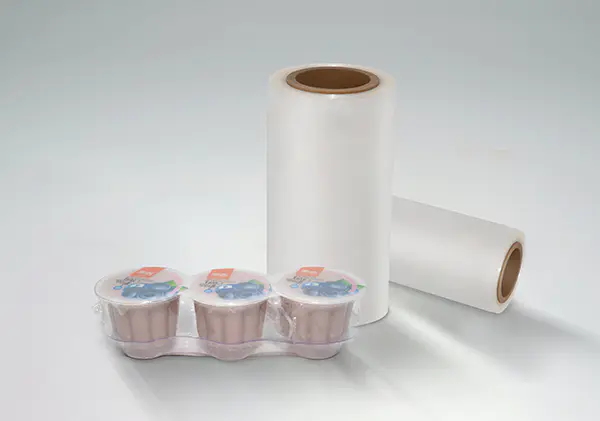
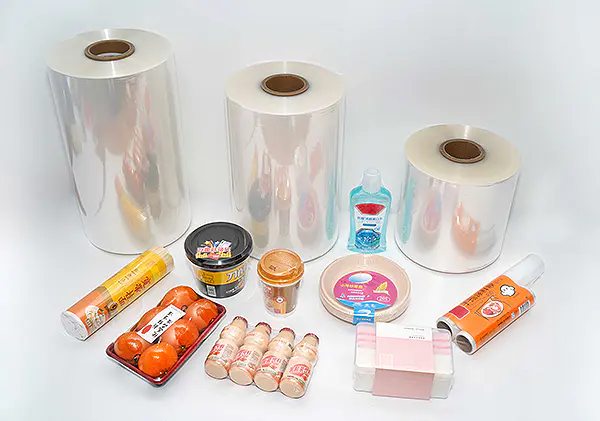
JT05 Antifog Crosslinked Shrink Film is an ideal o...
Copyright © Zhejiang Jiuteng Packaging Co., Ltd.
 简体中文
简体中文
 Home
Home
