
Storage is one of those things nobody thinks about until it's a mess — a kitchen with food going bad in the back of the fridge, a stockroom where nobody can find the right part, a retail counter buried in loose accessories. Zip lock bags solve a lot of that, cheaply and simply. But not every zip lock bag is built for the same job, and Commercial Zip Lock Bags in particular tend to get lumped in with the regular ones you'd grab at a grocery store, even though they're really answering different questions. The difference isn't really about how they look on the shelf. It's about how often they get used, where they're used, and what people actually expect from them day to day.
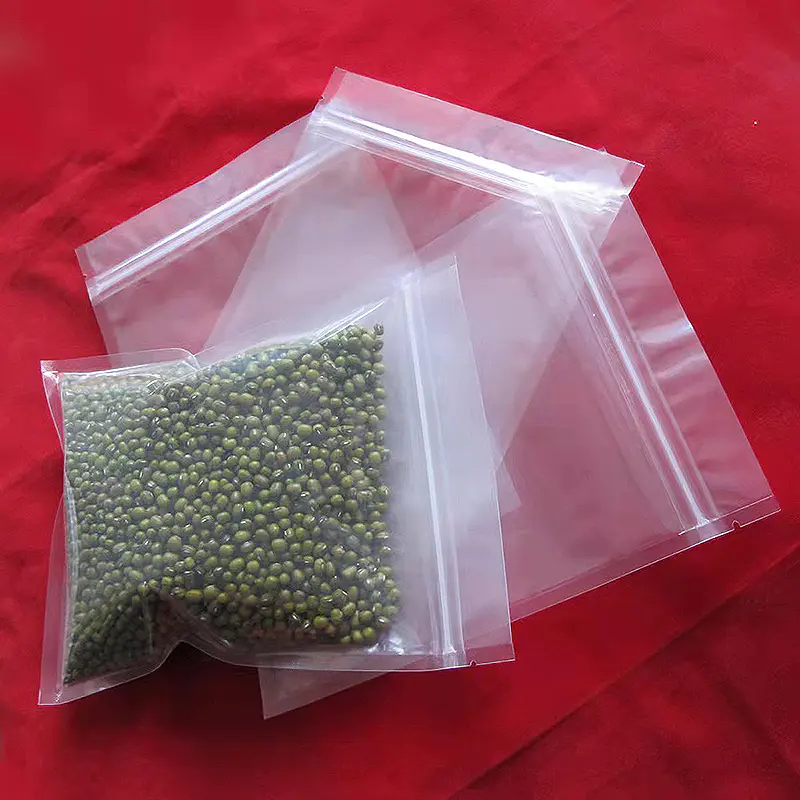
Both types work the same basic way — open it, put something in, seal it shut, open it again later. That part's identical. Where they split is in what they're built to handle.
Commercial-grade bags are generally made with professional environments in mind — places where storage tasks happen constantly, not occasionally. Think restaurants, workshops, warehouses — anywhere a product, ingredient, or component needs organizing on a repeated, near-daily basis.
Regular storage bags are built around the household version of that same problem — smaller scale, less frequent, more casual. Storing leftovers, sorting through a junk drawer, that kind of thing.
| What you're comparing | Commercial-grade bags | Regular storage bags |
|---|---|---|
| Built for | Business and professional use | Everyday household tasks |
| How often they're used | Regularly, sometimes constantly | Occasionally |
| Main purpose | Supporting an organized workflow | Everyday convenience |
| Who's using them | Businesses, professional settings | Individuals at home |
| Where they show up | All kinds of workplaces | Personal, home storage |
Businesses just deal with more volume than a household ever will. A restaurant kitchen needs ingredients sorted and ready to go. A workshop needs small parts kept separate so nobody's digging through a bin looking for the right screw. A retailer needs a simple way to keep small products contained. In all of these, the bag isn't just holding something — it's actually part of how the day runs.
A few things tend to drive the decision here:
Keeping a lot of moving parts organized. When you're juggling dozens of items at once, having a system that makes things easy to locate saves real time.
Speed matters when you're doing it all day. If staff are opening and closing these bags dozens of times a shift, how easily that happens actually adds up.
One product, a lot of different jobs. The same basic bag can serve very different purposes across industries, which helps explain why it is used by many types of businesses.
Basically, the value of the bag comes down to how well it fits into everything else happening around it, not just how it performs on its own.
A lot of daily storage needs are genuinely simple, and there's no reason to overcomplicate them.
At home, this usually covers things like:
The appeal here is really just simplicity. Nobody needs an industrial-grade solution to keep half a sandwich fresh until tomorrow. For household situations, convenience is the main focus rather than supporting a continuous operational workflow.
The right pick really depends on your situation. Someone who cooks once a week has very different needs than a business processing product every single day.
| What to think about | Commercial-grade | Regular |
|---|---|---|
| Daily use | Built for frequent, repeated handling | Built for occasional household tasks |
| Where it's used | Mostly workplaces | Mostly home |
| Organization needs | Structured, ongoing systems | Simple personal organization |
| Purpose | Supports business operations | Everyday convenience |
This isn't really an either-or comparison. It's about matching the bag to what you're actually going to ask of it.
Material and design end up mattering more than people expect, especially once you're using these things constantly.
How it opens and closes. A seal that actually holds without a fight saves a surprising amount of frustration over time.
Being able to see what's inside. Clear visibility means less time spent guessing or opening five bags to find the right one.
How efficiently it stacks and stores. Shape and structure affect how well things actually fit together in a fridge, bin, or shelf.
These small details may go unnoticed during initial use, but they become more noticeable with repeated use over time.
Storage needs show up basically everywhere, so it's no surprise these bags turn up across a wide range of industries:
| Industry | What they're usually used for |
|---|---|
| Food service | Organizing ingredients and prepped items |
| Retail | Managing small products and accessories |
| Manufacturing | Separating parts and components |
| Hospitality | Organizing supplies and guest items |
| Healthcare support | Managing certain supplies |
| Offices and education | Sorting materials and equipment |
Same basic product, very different jobs depending on where it lands — a restaurant's using it for food, a factory's using it for parts, an office is probably using it for supplies or paperwork.
Sure, plenty of people do. If your household habits look more like a small operation than a casual routine — regular meal prep, ongoing craft projects, a lot of small items that need constant sorting — a commercial-grade bag might actually suit you better than the standard version.
That said, many households do not need to choose that option. For occasional storage, a regular bag may be suitable. For frequent use, a more durable option can become a practical choice. The key is matching the product to actual usage habits rather than making upgrades without a clear need.
A few honest questions make this decision a lot easier:
Working through these beats picking based on whatever looks nicest in a photo.
The bag is only half the equation — how you use it matters just as much.
Good organization is really the combination of a decent product and habits that actually stick.
A zip lock bag feels like a throwaway detail, but it quietly touches a lot of daily tasks — for a business, it can smooth out operations; for a household, it just makes everyday life a little less chaotic.
Commercial Zip Lock Bags and regular storage bags aren't competing for the same job — one's built around constant, professional-grade use, the other around simple, everyday convenience at home. Once you know which situation you're actually in, picking between them stops being a puzzle and just becomes a matter of matching the tool to how you'll really use it.
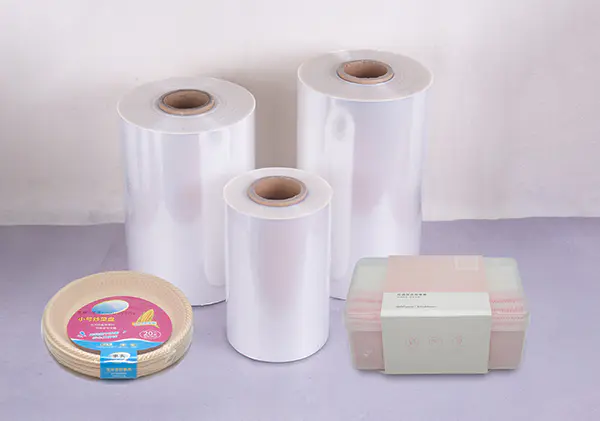
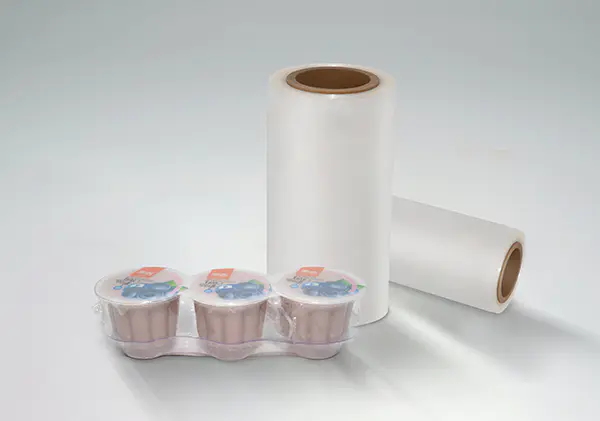
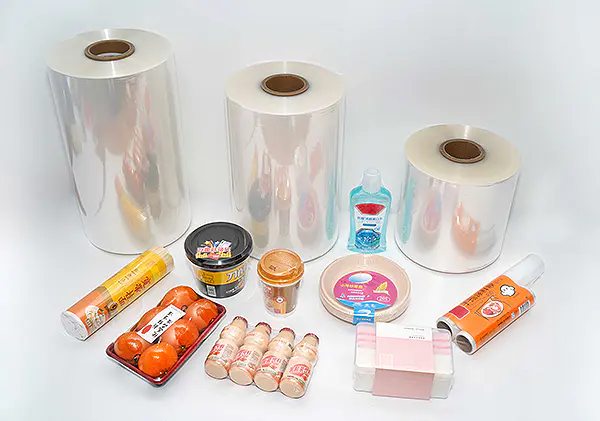
JT05 Antifog Crosslinked Shrink Film is an ideal o...
Copyright © Zhejiang Jiuteng Packaging Co., Ltd.
 简体中文
简体中文
 Home
Home
