
Crosslinked shrink film has quietly become a favorite for anyone who has to package heavy stuff. The film gets a special treatment—usually radiation or chemicals—that links the polymer chains together more tightly than in regular shrink film. That small change makes a big difference when you're dealing with weighty items like steel pipes, lumber stacks, machine parts, or bulk hardware. These products put real stress on packaging during loading, transport, and storage. Regular film can stretch, tear, or sag under the load, but crosslinked versions hold their shape and grip much better. Companies that ship heavy goods regularly notice the difference quickly: fewer torn packages, less rework, and more reliable deliveries. This article looks at why crosslinked shrink film works so well for heavy products and what makes it stand out in real-world use.
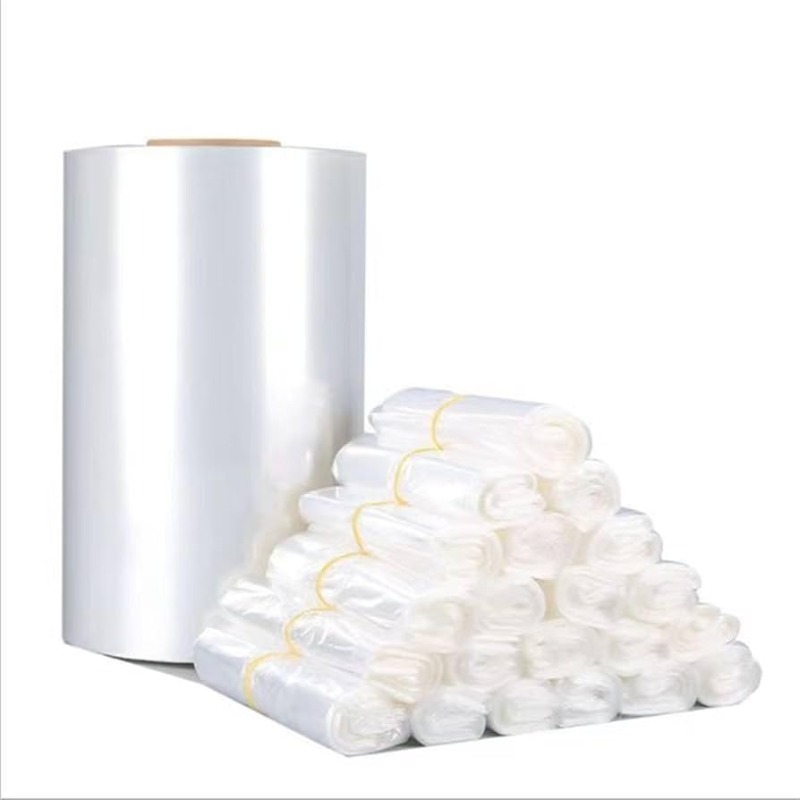
Crosslinked shrink film begins life as a polyolefin base, just like standard shrink film. The key step is crosslinking: exposing the film to radiation or chemical agents that create extra bonds between the molecules. Those bonds turn the film into something tougher without making it brittle or hard to work with.
When you apply heat, it still shrinks evenly and pulls tight around the product. But because of the crosslinking, it doesn't stretch out of shape as easily under heavy weight or sharp edges. The film keeps its memory better, so the wrap stays snug even after long truck rides or multiple forklift moves. For heavy loads, this means the package doesn't loosen up over time like non-crosslinked film sometimes does.
In practice, people who wrap heavy goods—construction suppliers, metal fabricators, equipment manufacturers—find the film behaves more predictably. It conforms to awkward shapes without leaving weak spots. It also handles temperature changes better: stays flexible in cold storage and doesn't get too soft in hot trailers. That reliability is why many operations quietly switch over and stick with it.
The strength boost from crosslinking shows up very clearly when packaging heavy products. The tighter molecular structure spreads out force instead of letting it concentrate in one area. This lets the film carry more downward pressure from stacked pallets without sagging or creeping.
Heavy items like steel coils or engine blocks create constant load on the bottom layers of a pallet. Crosslinked film resists that pressure much better than standard versions. The wrap stays taut, keeping everything locked together instead of allowing small shifts that build up into bigger problems.
Many businesses report that they can stack higher with crosslinked film because the pallets feel more stable. Fewer loads tip or lean during transport, which means less damage and fewer insurance claims. Some operations even find they can use a slightly thinner gauge for the same protection level, which helps keep material costs reasonable while still handling serious weight.
Sharp edges are a constant headache when packaging heavy products. Metal corners, rough wood splinters, protruding bolts—any of these can poke through standard shrink film and start a tear. Crosslinked film handles those threats noticeably better.
The linked molecules distribute the force from a puncture attempt across a larger area. A small poke that might rip normal film often just dents or stretches crosslinked versions without breaking through. This keeps the contents protected from dust, moisture, and dirt even after rough handling.
In warehouses or on loading docks, where forklifts and pallets bang around, this puncture resistance saves a lot of trouble. Fewer packages arrive with exposed contents, which means fewer customer complaints and less time spent re-wrapping. For metal shops or lumber yards, it's one of the main reasons they prefer crosslinked film over the regular stuff.
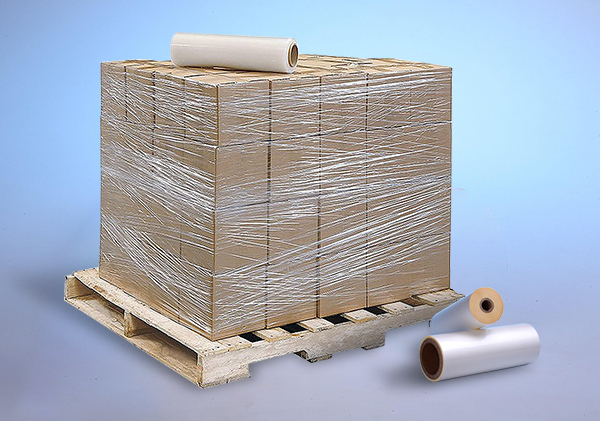
Crosslinked shrink film creates outstanding load stability for heavy products. When it shrinks, it applies even, consistent tension around the entire load. That tension locks items in place so they don't shift around during bumpy truck rides, rail travel, or forklift handling.
Pallets stay square and balanced even when stacked several high. Vibration from the road doesn't loosen the wrap the way it sometimes does with weaker films. Workers at the receiving end notice the difference: loads come off the truck looking almost the same as when they went on.
In storage, stable pallets allow safer, higher stacking without constant worry about collapse. This frees up valuable floor space in warehouses. For heavy bulk goods like pipes or lumber, the improved stability makes the whole supply chain run smoother and safer.
| Feature | Crosslinked Shrink Film | Non-Crosslinked Film |
|---|---|---|
| Strength under weight | High resistance | More likely to stretch |
| Puncture protection | Force spreads out | Tears more easily |
| Load stability | Even tension, no shift | Can loosen over time |
| Heavy product fit | Handles weight reliably | Often needs extra wrap |
Crosslinked shrink film ends up being cost-effective for heavy product packaging, even though it costs a little more upfront. The extra strength means fewer torn packages and damaged goods, which cuts down on replacement costs, returns, and customer claims.
Because the film performs so well, many operations don't need double layers or extra strapping. That saves material and labor. Application time stays about the same as regular film, so you don't add extra hours to the process.
Over months or a year, the savings from reduced damage and fewer re-wraps often more than cover the difference in price. Stored products also stay in better condition longer, which reduces inventory losses. For businesses that move a lot of heavy goods, these small efficiencies add up quickly.
Construction companies wrap lumber, drywall, and pipes with crosslinked film. The material keeps bundles tight during outdoor storage and rough transport, even when rain or wind hits. Manufacturing plants use it for heavy machinery parts and metal sheets—the tight wrap prevents scratches and dents.
Agriculture wraps large equipment or feed pallets for safe delivery. Automotive suppliers secure engine blocks, tire stacks, and transmission components. The film handles the weight without failing. Food distribution uses it for bulk items where hygiene and stability matter.
Each industry finds ways to adapt it to their specific loads, but the common thread is reliable containment for heavy, awkward items.
Store rolls of crosslinked shrink film in a cool, dry spot away from direct sunlight so the properties stay consistent. Handle rolls carefully to avoid creasing or damaging the edges before use. During wrapping, make sure the heat is applied evenly for uniform shrinkage.
Inspect finished loads for any weak spots before shipping. Keep equipment clean—seal bars, rollers, heat tunnels—so the film performs at its best. These simple habits make the film's advantages last through daily operations.
Factories like JTPackage produce crosslinked shrink film designed for heavy product packaging. JTPackage focuses on consistent quality, good strength, and reliable shrinkage to handle real-world demands.
JTPackage offers flexible production runs and steady supply options to support businesses in various sectors. This helps companies wrap heavy goods securely and efficiently.
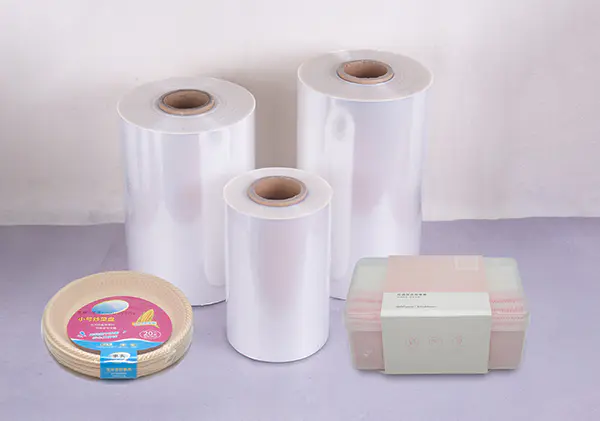
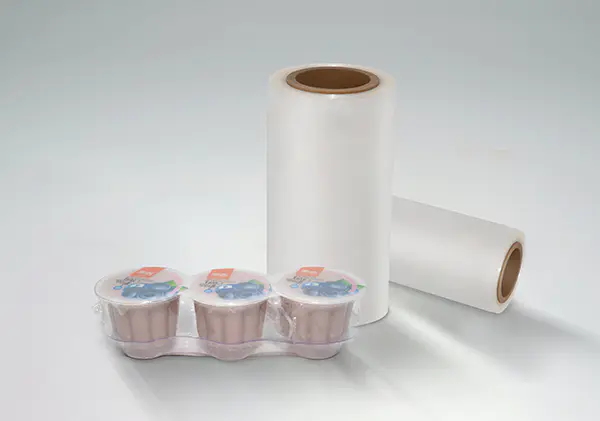
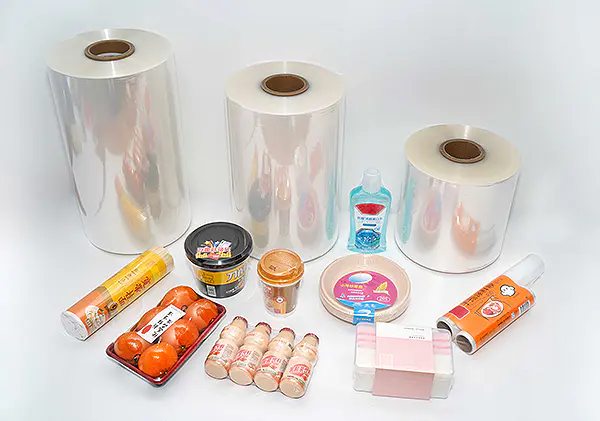
JT05 Antifog Crosslinked Shrink Film is an ideal o...
Copyright © Zhejiang Jiuteng Packaging Co., Ltd.
 简体中文
简体中文
 Home
Home
