
If you've ever picked up a neatly wrapped product off a shelf or seen bundles held together tightly for shipping, you've probably encountered shrink film without realizing it. These thin plastic wraps pull themselves snug around whatever they're covering once you apply a bit of heat. It's a simple idea, but it does a lot—heavy lifting in protection, keeping things clean, and making products look sharp. Most of these films come from polyolefin materials, which give that nice clear view and easy handling. The big split comes down to whether the film is crosslinked or not.
Non-crosslinked is the regular kind most people start with. It does the job well enough for plenty of everyday wrapping. Crosslinked takes things further by linking the internal chains together. That one change makes a real difference when you're talking about how strong the film is and how long it holds up. Strength here means how much pulling, poking, or tearing it can take before giving way. Durability is about staying tough even after sitting in heat, getting rubbed, or just being out in damp air for a while.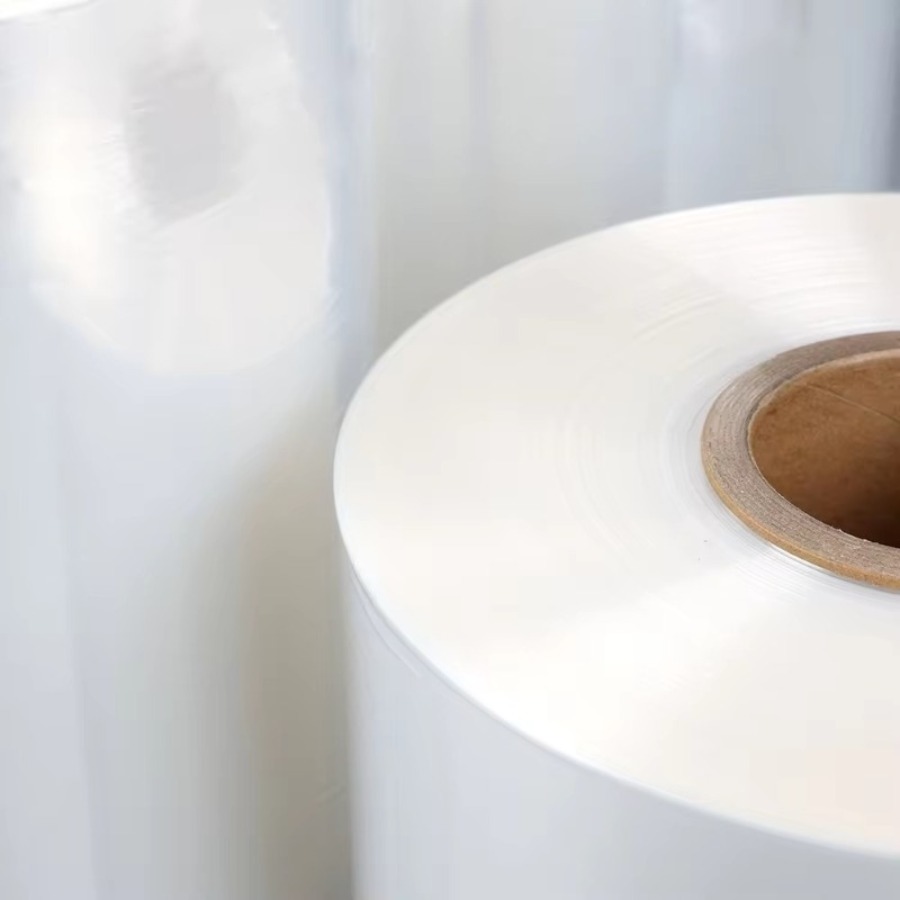
It's not that one is always right and the other wrong. A lot depends on what you're wrapping and what it has to go through. For lighter work where things stay gentle, the standard non-crosslinked film is perfectly fine and keeps things straightforward. But when the going gets rough—maybe heavier items, sharper edges, or longer journeys—the crosslinked version often steps up and handles it without complaint. Let's walk through what makes them different, starting from how they're built and moving into what that means when they're actually in use.
Think of the material like a bunch of long strings laid out side by side. In non-crosslinked film, those strings stay mostly separate. They get lined up during making so the film knows how to shrink later, but when something pushes or pulls hard, the strings can slide around or come apart. That gives flexibility, which is handy, but it also leaves room for weakness if the pressure keeps up.
Now, crosslinked film ties little bridges between those strings here and there. It's still the same basic stuff, but now it's more like a web than loose strands. Push on one part, and the whole web shares the load. The film doesn't stretch as easily, and when it does give a little, it snaps back better. You end up with something that feels a touch stiffer right out of the roll but pays off when it's wrapped around something and has to stay put.
When heat hits, both shrink nicely and hug the product. But the crosslinked one tends to pull a bit more evenly and firmly because those ties keep everything working together. No loose spots, no weak sections giving way first. It's this webbed setup that explains why crosslinked film usually comes out ahead on strength and lasting power.
Making the regular non-crosslinked film is pretty direct. You melt the plastic, blow it into a big bubble, stretch it out to set the shrink direction, then cool and roll it up. It's a smooth run that turns out miles of consistent film without much fuss.
Crosslinked starts the same way but throws in an extra step to build those connecting bridges. That step has to be done carefully so the links spread out evenly—not too many in one spot, not too few in another. It takes more attention, but what comes off the line is a film you can count on to act the same way every time, even when things get hectic on a packaging line.
Because of those ties, crosslinked film holds its shape better from the moment it's made until it's wrapped and shipped. It doesn't mind being stored a bit longer or handled roughly on the way to the machine. Both kinds come in all sorts of widths and thicknesses, but the crosslinked version brings an in-built toughness that shows up when speed or stress ramps up.
Production Differences
| Aspect | Non-Crosslinked | Crosslinked |
|---|---|---|
| Basic steps | Melt → blow → stretch → cool | Same + extra bonding step |
| Complexity | Straightforward | Needs careful control for even linking |
| Consistency | Good | Usually higher, more predictable |
| Best when… | Speed and simplicity matter | Toughness and reliability are priority |
Strength isn't just one thing—it's how the film reacts when you pull it, try to rip it, or poke something sharp through it.
Start with pulling. Non-crosslinked gives you plenty of stretch, which can be forgiving if something shifts. But stretch too far and it stays stretched. Crosslinked pushes back harder and returns closer to where it started. That means the wrap stays tight longer, even if the package gets jostled.
Ripping is where the difference feels obvious. Nick a regular film and the tear can run quick once it gets going. With crosslinked, those ties stop the run cold most of the time. You have to work harder to make real damage.
Sharp edges or points tell a similar story. The standard film might let something poke through if pressure builds. Crosslinked flexes, absorbs the hit, and often keeps the barrier intact. Put the two side by side on tricky products—anything with corners or protrusions—and the crosslinked usually comes through cleaner.
All told, crosslinked film just handles the usual knocks and strains better. It's not unbreakable, but it gives you a wider safety margin. The regular film is fine when things stay calm, but it shows limits faster when the pressure's on.
| Type of Stress | Non-Crosslinked Behavior | Crosslinked Behavior |
|---|---|---|
| Pulling / Stretching | Gives a lot, may stay stretched | Resists more, snaps back better |
| Tearing | Tear runs easily once started | Ties stop or slow the tear |
| Sharp edges / Puncture | More likely to poke through | Absorbs impact, usually stays sealed |
| Irregular or heavy items | Can stretch or split under pressure | Holds tight with less risk of failure |
Durability is strength that sticks around. Heat is a good test. Leave a wrapped package somewhere warm, and non-crosslinked might soften up or sag a little. Crosslinked keeps its grip, staying firm where the other starts to give.
Damp air doesn't hurt either type much, but crosslinked changes even less. It doesn't swell or lose bite the way regular film sometimes can after sitting in humidity.
Rubbing and scuffing wear down surfaces. Regular film clouds up quicker if it's sliding against boxes or shelves. Crosslinked takes the scraping better and keeps looking sharp longer—which matters if the package is heading to a store display.
Put them through long hauls or extended storage, and crosslinked simply wears slower. It keeps doing its job from day one to delivery. Non-crosslinked holds its own in easier conditions but can fade sooner when pushed. That longer reliable life often means fewer headaches down the road.
Wrap something simple that just needs to look nice and stay clean—regular non-crosslinked does great. It's clear, seals easy, and gets the job done without drama.
Start bundling heavier stuff or items that fight back with odd shapes, and crosslinked steps forward. It locks things down tighter and shrugs off the bumps and stacks that would split a weaker wrap.
Food items with bones or edges, industrial parts with corners—crosslinked keeps the seal and the protection where regular might spring a leak.
Long trips, rough handling, hot warehouses—anytime the package has a story to tell by the time it arrives, crosslinked usually finishes in better shape.
For calm, short runs and gentle treatment, non-crosslinked is plenty. It's when life gets interesting that the extra toughness pays off.
Crosslinked brings real gains when you need confidence the wrap will hold no matter what. That webbed build gives peace of mind on tougher jobs.
Regular non-crosslinked keeps things simple and effective for the vast majority of standard work. No need to overdo it when gentle does the trick.
Both have their place. Match the film to the challenge, and you'll be fine either way.
Think about what you're wrapping, how it's handled, where it's going. Factor in how it needs to look and how long it has to last. A quick test run often tells you more than any description.
Look at the whole picture—fewer breaks, happier customers, less waste—and the right choice usually becomes clear.
People are always tinkering with these films, and it's not just small tweaks—there's real effort going into making them work better for everyone involved. On the non-crosslinked side, the focus has been on smoothing out production so you get even more consistent rolls with less waste, and finding ways to keep the clarity sharp while making the film a little more forgiving on older machines. Nothing revolutionary, but those steady improvements add up, especially if you're running high volumes and every bit of efficiency counts.
For crosslinked films, the push is toward getting that extra toughness without making the material harder to handle. Some of the newer approaches aim to fine-tune how the linking happens so the film still shrinks smoothly at lower temperatures and doesn't fight the sealing bars as much. There's also work on blending in additives that help the film stay stable longer in different climates, which matters when packages are sitting in hot warehouses or humid storage.
Both sides are looking at ways to lighten the load—using less material overall while keeping the performance where it counts. That means thinner films that still do the job, which saves on costs and feels better from a waste standpoint. And down the line, you can expect more options that play nicer with recycling streams, because that's becoming a bigger part of the conversation.
It's not going to flip everything overnight—shrink film basics have been solid for years—but the direction is clear. Good options today will likely get even better tomorrow, whether you're sticking with straightforward non-crosslinked for everyday work or leaning on crosslinked when you need that extra confidence. The people making these materials aren't standing still, and that steady progress usually means fewer headaches for the folks actually using the film on the packaging floor.
Crosslinked shrink film generally brings more strength and stays durable longer because of those internal connections. It's the go-to when conditions are demanding. Non-crosslinked handles everyday packaging just fine and keeps things straightforward. Get the match right, and your products stay safe and looking good.
If you're looking for solid crosslinked or non-crosslinked shrink films, JT Package is a manufacturer that focuses on turning out dependable material day in and day out. They pay close attention to getting the details right so the film performs consistently whether you're doing retail wraps or heavy bundling.
The factory works hard to supply clear, tough options that make packaging easier and more reliable. With steady quality and helpful support, JT Package gives businesses the materials they need to keep things secure and professional without unnecessary headaches.
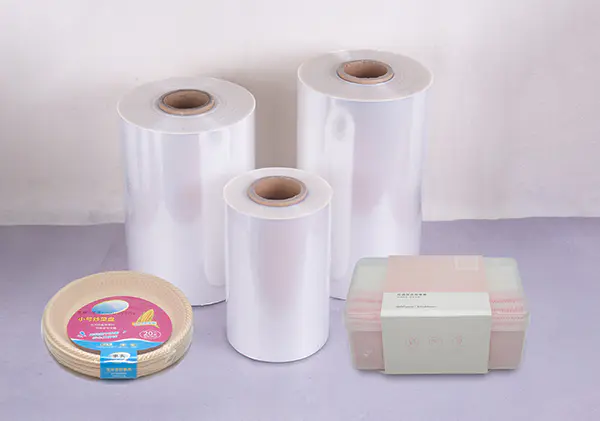
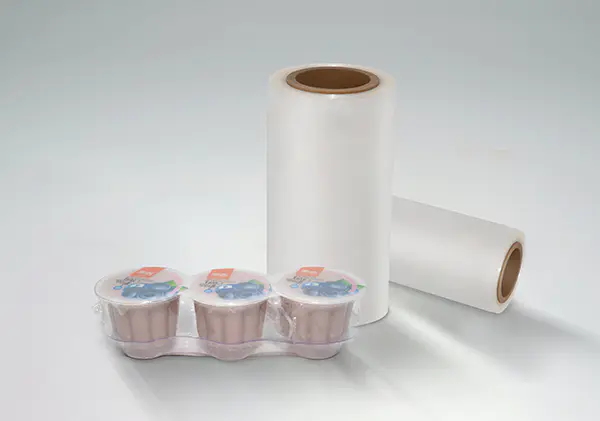
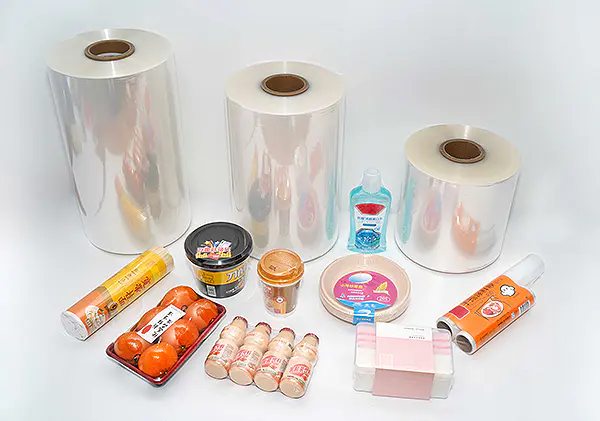
JT05 Antifog Crosslinked Shrink Film is an ideal o...
Copyright © Zhejiang Jiuteng Packaging Co., Ltd.
 简体中文
简体中文
 Home
Home
