
When a bakery wraps fresh sourdough for a weekend market, the film must be transparent, strong, and safe to touch the bread directly. When a cheese maker packs a delicate wheel, the wrap needs to hug the shape without distorting the surface. In both cases, food safe shrink wrap bags are the practical solution. The best choice, in almost every food application, is a polyolefin (POF) shrink film that is FDA-approved for direct contact and can be sealed and shrunk on standard equipment.
Food safe shrink wrap bags are bags or films that meet specific regulatory requirements for contact with food. The most important requirement is that the material does not transfer harmful chemicals into the food. In the United States, the FDA sets this standard; in Europe, EU Regulation 10/2011 and other local rules apply. A manufacturer that supplies food packaging should hold certificates such as ISO, BRC, SGS, and FDA. These certifications are not just paperwork; they require documented quality control and traceability from raw material to finished roll.
A food safe shrink film must not release additives, monomers, or contaminants when it contacts oily, acidic, or heated foods.
For example, Zhejiang Jiuteng Packaging Co., Ltd. states that it uses imported high-quality raw materials and performs quality checks at each step of film production, from extrusion to slitting and packing. That level of control is what makes a shrink wrap bag genuinely safe for food.
PVC is rarely a good choice for food packaging. It often requires plasticizers that can migrate, and it has a narrower heat-shrink window. PE (polyethylene) is considered food safe, but it generally offers lower clarity and less precise shrinkage compared to POF. Polyolefin combines the food safety of polyethylene with superior transparency, a broad shrink temperature range, and strong seals. For most food products, a standard POF shrink bag is the safest and most predictable choice. Our polyolefin shrink film is an example of a food-safe material that offers balanced clarity, strength, and a wide sealing window.
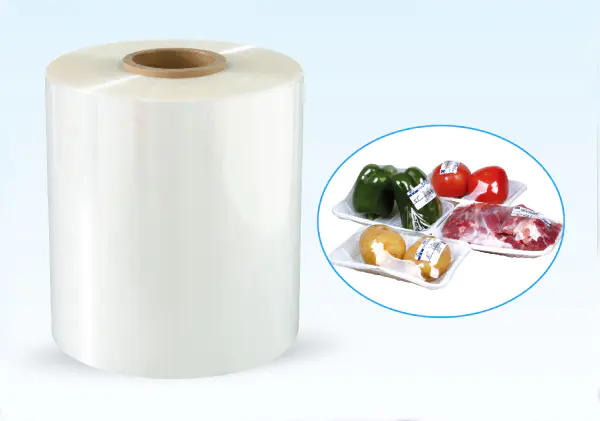
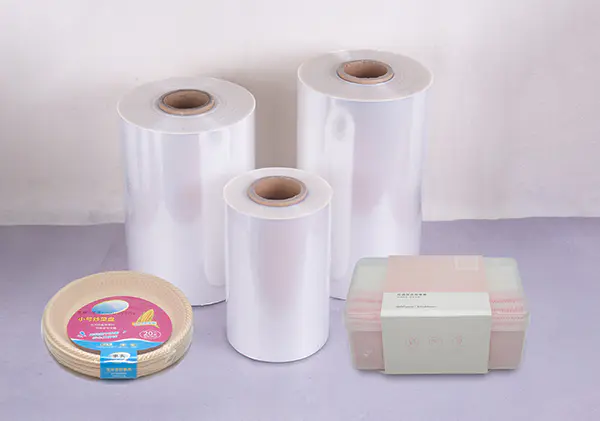 Food-Safe Polyolefin Shrink Film for Clear, Strong PackagingThis biaxially stretched POF film offers food-safe properties, high clarity, and a broad sealing window, making it a reliable choice for packaging food products that require both protection and an appealing shelf presentation.View Product →
When the product has sharp edges or requires extra puncture resistance, a crosslinked film is worth considering. The crosslinking process ties polymer chains together, which increases tensile strength and reduces the risk of tears during handling.
Before you place an order, review the basics: material, thickness, shrinkage, sealing temperature, and food-contact certification. The table below compiles the typical values you will find in the market.
| Material | Thickness | Shrinkage | Sealing Temp. | FDA Food Contact | Typical Uses |
|---|---|---|---|---|---|
| Standard POF | 15-30 micron | 50-60% | 120-150°C | Yes | Baked goods, candy, produce |
| Crosslinked POF | 15-30 micron | 55-70% | 130-160°C | Yes | Cheese, trays, sharp items |
| Low-temp POF | 15-25 micron | 50-60% | 90-120°C | Yes | Chocolate, chilled foods |
| PE | 20-50 micron | 30-40% | 110-140°C | Yes (verify grade) | Frozen goods, pallet covers |
Thickness matters because it affects both barrier protection and cost. A 15-micron film is lighter and cheaper, but a 30-micron film offers better puncture resistance. If you package heavy or irregular food products, a crosslinked film such as crosslinked shrink film can provide the extra toughness you need without sacrificing transparency.
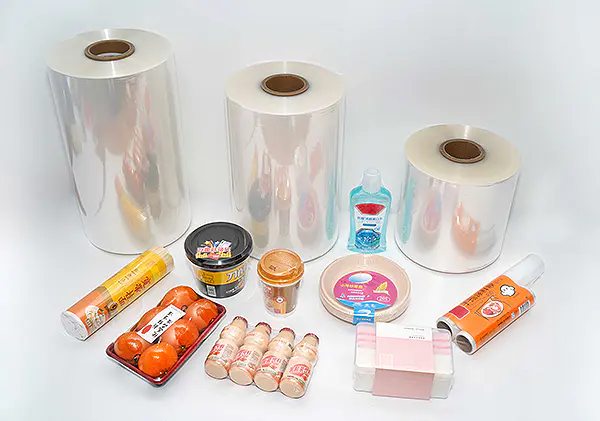 Crosslinked Shrink Film for Enhanced Toughness and Puncture ResistanceDesigned for heavy or irregular items, this crosslinked film provides superior tensile strength and heat resistance, reducing tear risk during handling and ensuring secure transit for demanding products.View Product →
Using a food safe shrink bag is straightforward. First, place the product into the bag. If the bag is two-sided, fold the open end over and seal it with a heat sealer. Then feed the package through a shrink tunnel or apply a heat gun. The key is to avoid overheating. Heat guns require short, even passes; a single spot held too long can burn a hole.
For temperature-sensitive products such as chocolate or fresh produce, use a low temperature shrink film. This type of film shrinks at a lower heat level, which protects the product while still delivering a tight, professional finish.
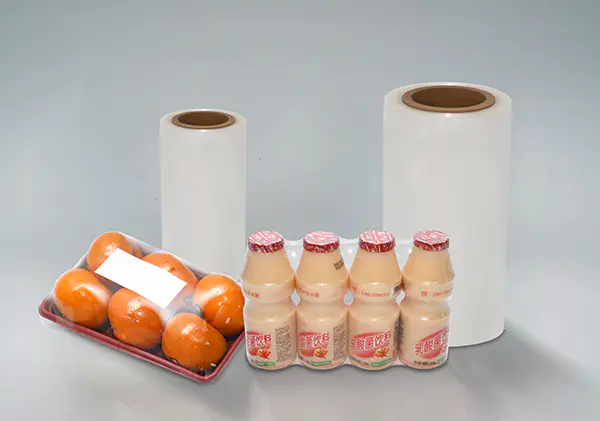 Low-Temperature Shrink Film for Heat-Sensitive ProductsThis film activates at lower heat, preventing damage to temperature-sensitive items like chocolate or fresh produce while still delivering a tight, professional finish with good clarity and protection.View Product →
Selecting the right supplier matters as much as choosing the right film. A reliable manufacturer will control raw materials, monitor production, and maintain lot traceability. This industry article on how polyolefin film preserves food freshness explains why raw material quality and film structure directly affect shelf life and safety.
At Zhejiang Jiuteng Packaging Co., Ltd., the production floor is equipped with strict in-line inspection and an ERP system for batch control. The factory is located near Shanghai Port, which shortens delivery times for overseas buyers. When a supplier can demonstrate both certification and operational control, you reduce the risk of a contaminated or inconsistent batch reaching your food line.
Yes, when the material is FDA-approved and the supplier provides supporting documentation. POF shrink films from certified manufacturers are formulated for direct contact with food. Always ask for the certificate before ordering.
Not recommended. PVC may need plasticizers and can release contaminants under heat. Choose POF or food-grade PE instead to avoid potential migration issues.
Use the correct temperature and tunnel speed. Smaller bags need lower heat; heavier products may need a longer residence time. Also, choose the right thickness for the product weight, and avoid aiming a heat gun at one spot for too long.
Most polyolefin shrink films remain flexible at freezer temperatures. For extreme cold or long-term frozen storage, a low-temperature grade can be a smart choice. Verify the film manufacturer's performance data for your target temperature range.
For food packaging, the safest route is to use FDA-compliant polyolefin shrink wrap bags and to buy from a supplier with documented quality systems. POF offers the best balance of clarity, strength, and ease of use. If your product has sharp edges, choose crosslinked POF. If you pack chilled items, choose a low-temperature film. Always verify the supplier's certifications before committing to a regular order.

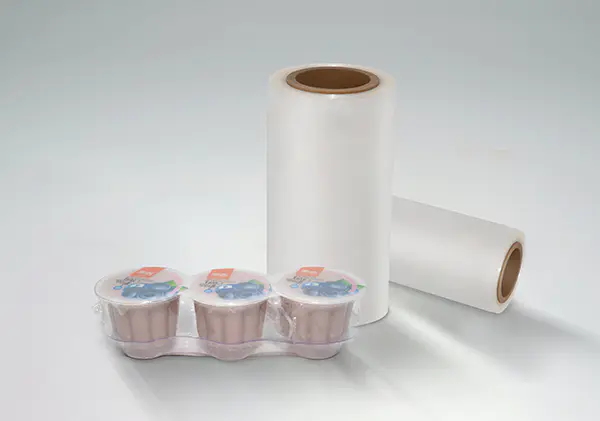


JT05 Antifog Crosslinked Shrink Film is an ideal o...
Copyright © Zhejiang Jiuteng Packaging Co., Ltd.
 简体中文
简体中文
 Home
Home
