
Bundled packs sit on shelves and in warehouses where customers, staff and scanners need to see what is inside without opening the wrap. Clear film lets labels, colours and barcodes remain readable; cloudy film forces handling and slows checks. Condensation, surface haze and uneven shrinkage all reduce that clarity. Antifog crosslinked shrink film is one option considered when a line must hold several units together and still keep the contents visible through storage, transport and display.
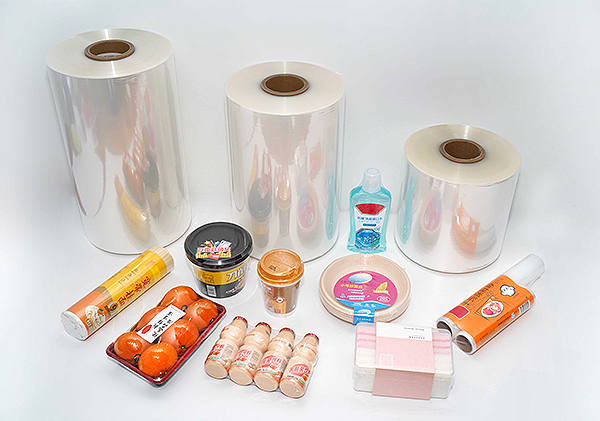
Retailers and packers rely on the ability to identify a multipack at a glance. Barcode readers need an unobstructed view of the code; quality staff need to confirm that the correct items are inside; shoppers need to recognise the brand and the pack size. When the film fogs or turns hazy, those tasks become slower and more error-prone. Packaging defects that wrinkle or cloud the surface add to the problem. Selecting a film with attention to optical behaviour is therefore part of the same decision as selecting strength and shrink performance.
When a pack moves from a cool area into warmer air, or the reverse, moisture in the air can condense on the inner surface of the film. The same effect appears when products leave a cold store and enter a humid packing hall. Whether fog forms depends on the moisture available, the temperature difference and the nature of the packaging system. Not every temperature change produces visible condensation, but routes that include repeated transitions raise the likelihood.
Wet product surfaces, residual wash water or high humidity trapped at the moment of wrapping can supply the moisture that later appears as droplets or a continuous film of water on the plastic. Evaluating these conditions before a film is chosen helps separate condensation fog from haze caused by the film itself, by dust or by incorrect processing. The two kinds of cloudiness look similar on the shelf but have different remedies.
A fogged or hazy wrap hides label text, mutes colours and can make barcode scanning less reliable. Visual inspection of fill level or of mixed multipacks becomes harder. Trials that only look at packs immediately after the tunnel may miss fog that develops hours later in the warehouse or on the truck. Visibility is therefore judged under conditions that resemble the real distribution path.
Antifog properties are intended to change the way condensed moisture sits on the film so that it spreads into a thin layer rather than forming light-scattering droplets. The pack then looks clearer even when moisture is present. The exact mechanism and the limits of performance are taken from the supplier's technical information; they are not assumed from the word “antifog” on a datasheet alone.
Crosslinking modifies the polymer network and can alter toughness, puncture behaviour and the way the film responds to heat in the tunnel. Those changes support the mechanical side of bundling. They do not by themselves create antifog behaviour. A film may be crosslinked, antifog, both or neither; each attribute is checked independently against the application.
A multipack must stay together through handling and still show the product clearly. Film clarity, the arrangement of the units inside the wrap, the shrink conditions and the final tension of the pack all influence the result. Trials that look only at strength or only at appearance leave part of the requirement untested. Polyethylene Shrink Bundling Film selected for this duty is therefore assessed for both optical and mechanical performance on the same sample packs.
Thickness, inherent clarity, haze values and any stated antifog performance are reviewed where the supplier provides them. The numbers are meaningful only in the context of the product being wrapped, the tunnel settings and the display environment. Comparing data sheets and actual sample packs is more informative than relying on short marketing descriptions.
Excessive heat, uneven heat or a speed that does not match the film can distort the pack, leave thin spots or produce a cloudy or wrinkled surface. Tunnel temperature, air distribution and conveyor speed are recorded during trials and aligned with the film supplier's guidance and the equipment maker's instructions. Appearance problems that start in the tunnel are fixed by process adjustment before a different film is blamed.
Sharp corners, large voids, overlapping labels and irregular stacks create local differences in how the film draws down. Film width and cut length must suit the bundle; consistent arrangement of the units reduces random thin or cloudy zones. Layout choices that hide a barcode or a best-before date under a thick overlap defeat the purpose of a clear wrap.
Temperature and humidity during storage, transport and display can still produce condensation even when the film left the tunnel clear. Testing under representative climate conditions, and noting any change in clarity over time, shows whether the chosen film holds its advantage through the full distribution cycle.
Thickness, width, roll format, shrink characteristics and any antifog claims are confirmed. The conditions under which antifog performance was measured are requested so that they can be compared with the plant's own environment. The film is verified as intended for the type of packaging line and tunnel in use.
Representative products are wrapped with the candidate film under normal settings. Finished packs are checked for clarity, evenness of shrink, seal integrity and stability of the bundle. Settings and any defects are recorded so that later comparisons rest on the same basis.
Trial packs are examined under the lighting and the temperature–humidity conditions expected in the warehouse, on the vehicle and on the shelf. Appearance over a defined observation period is compared using a consistent method so that different observers reach similar conclusions.
Samples that meet the agreed criteria for visibility, processing and package integrity are retained with their trial records. Results are reviewed with the supplier before the specification is locked and bulk supply begins.
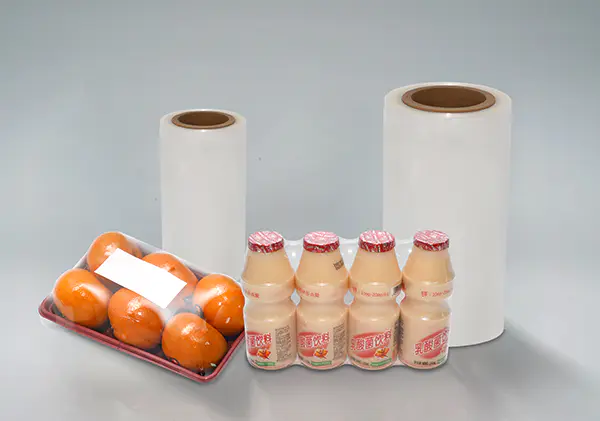
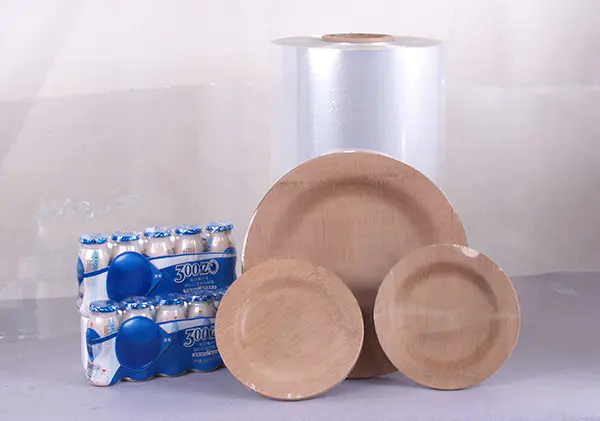
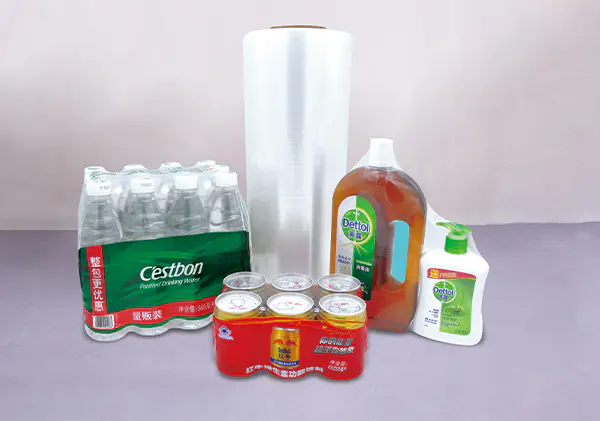
Beverage multipacks need readable labels and a clear view of container type and count. Film choice accounts for pack weight, the stiffness of the containers and the rough handling common in distribution. Application trials confirm that the film stays clear and that the bundle remains intact.
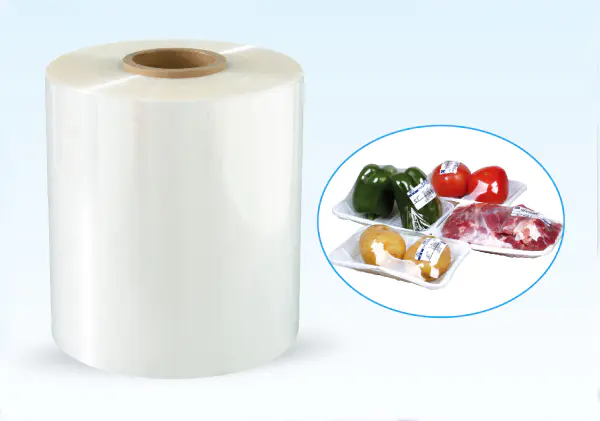
Shelf presentation and quick recognition drive the need for transparency. Visibility is balanced against the need for the wrap to hold the units together and to protect them during stacking and transport. Requirements shift with product shape and with the retail format—peg, shelf or dump bin.
Lines that move between cold storage and ambient areas place extra demand on antifog performance. Evaluation uses the real sequence of temperatures and dwell times. Antifog film reduces the visual effect of condensation under many conditions; it does not remove every source of moisture or guarantee a fog-free pack in every climate.
Antifog behaviour, shrink response and final pack appearance are judged together. A candidate film is checked against specifications, proven on the line with real products and observed under the climate conditions of the intended route. Product dimensions, bundle format, tunnel type and visibility targets are shared with the supplier so that a suitable grade can be identified.
| Factor | Influence on Appearance | Action in Evaluation |
|---|---|---|
| Temperature and humidity swings | Promote condensation on film surface | Trial under realistic climate sequence |
| Product surface moisture | Supplies water that can fog the pack | Dry or control product before wrapping where needed |
| Antifog formulation | Changes how condensed water spreads on the film | Confirm claims with supplier data and line trials |
| Crosslinked structure | Affects toughness and shrink behaviour | Assess separately from antifog performance |
| Tunnel heat and speed | Can distort film or create haze | Record and optimise settings during trials |
| Bundle layout and film size | Creates thick or thin zones; may hide labels | Standardise arrangement; match film dimensions |
| Post-packing environment | May generate fog hours after the tunnel | Inspect packs after storage and simulated transport |
Condensation, film optical properties, tunnel conditions and the distribution environment all influence how clearly a bundled product can be seen. Application-specific trials remain the practical way to confirm that a film meets both visibility and bundling needs. Zhejiang Jiuteng Packaging Co., Ltd. produces polyethylene shrink films for industrial and commercial bundling. Review of antifog performance data, shrink characteristics and sample results under the buyer's products, equipment and climate conditions supports selection of a film that maintains package clarity while holding the multipack securely through handling and display.
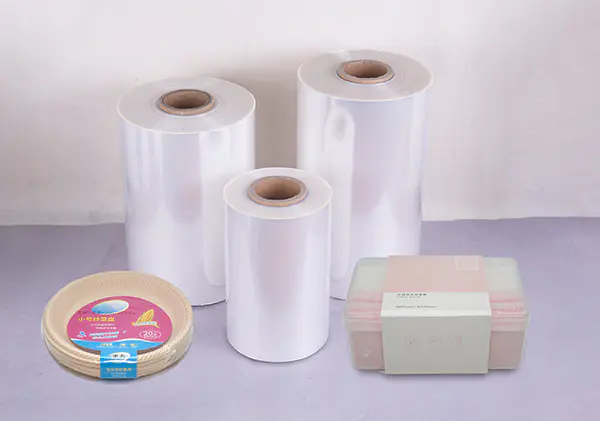
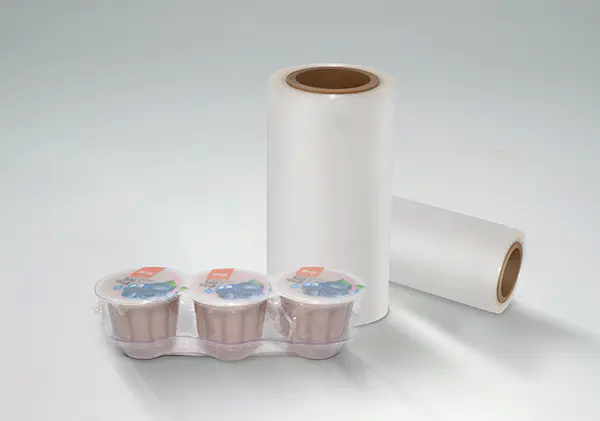
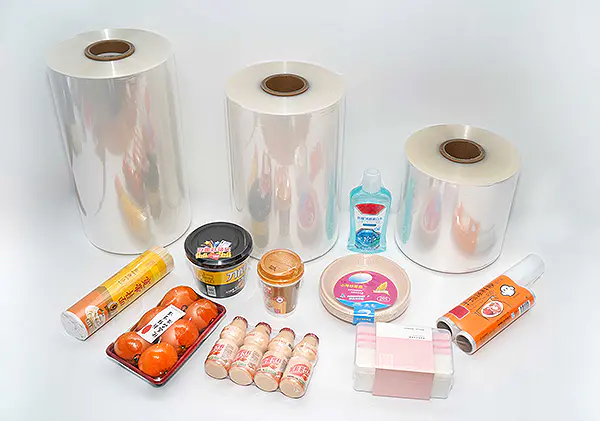
JT05 Antifog Crosslinked Shrink Film is an ideal o...
Copyright © Zhejiang Jiuteng Packaging Co., Ltd.
 简体中文

 Home

