
Packaging lines keep changing as manufacturers look for smoother product movement, shorter handling steps, and better coordination between different pieces of equipment on the floor. These changes are also reshaping how film suppliers approach packaging materials from the production side.
A POF Shrink Film Factory now needs to consider how its products behave within increasingly automated packaging environments, rather than treating film production and packaging equipment as two separate concerns handled by different teams. Shrink Film POF gets used across many packaging applications because it can fit different product shapes and support a clean package appearance on the shelf.
As packaging equipment becomes more coordinated, film requirements can also become a lot more specific than a general spec sheet suggests. The film needs to work with feeding systems, sealing equipment, shrinking equipment, product handling, and the overall pace of the packaging line running that day.
This doesn't mean every application requires the same film solution off the same roll. Different products, package shapes, order volumes, and production arrangements can create genuinely different material needs. For manufacturers and packaging buyers, the relationship between film and equipment is becoming an important part of production planning worth discussing early.
Faster packaging equipment changes the way film actually moves through a production line from spool to finished pack. When products travel through several packaging stages with less manual handling involved, the film must stay consistent as it gets fed, positioned, sealed, and formed around the product.
A small difference in film behavior can become a lot more noticeable once the packaging process repeats continuously, shift after shift. For this reason, packaging manufacturers may pay closer attention to how Polyolefin Shrink film responds during actual machine operation rather than a bench test. Common considerations include the following.
| Packaging RequirementRelated Film Consideration | |
|---|---|
| Continuous feeding | Stable film movement |
| Automatic sealing | Suitable sealing behavior |
| Product wrapping | Consistent handling |
| Shrinking process | Predictable package formation |
| Repeated production | Consistent material performance |
The purpose here isn't simply making packaging equipment run faster for its own sake. The larger goal is creating a packaging process where the material and machinery work together without unnecessary interruptions on the line. A film that performs well in one packaging arrangement may need different consideration once it moves to another machine or another product category entirely. This makes communication between packaging equipment users and film suppliers increasingly worth prioritizing.
A POF Shrink Film Factory has to understand how film will actually get used once it leaves the production facility and lands on a customer's line. Packaging lines may include automatic feeding, sealing, cutting, product positioning, and shrinking stages all working in sequence.
Each stage interacts with the film in a genuinely different way. When production lines change, film suppliers may need to review how the material fits the updated packaging process from start to finish. This can involve several areas worth walking through together.
A supplier that understands these factors can communicate a lot more effectively with buyers adjusting their production lines. The conversation therefore moves beyond film thickness or appearance and toward how the film fits the complete packaging process end to end.
Film specification remains genuinely important because packaging equipment doesn't operate independently of the material running through it. The dimensions, construction, and intended application of the film can influence how it gets handled during packaging on any given day.
A buyer may already have a specific packaging machine in place but need a suitable film for a new product launch. Another manufacturer may be replacing older equipment and reviewing its existing packaging materials at the same time. These situations create genuinely different requirements worth separating out.
| Production SituationPossible Film Concern | |
|---|---|
| New packaging line | Compatibility with new equipment |
| Existing line expansion | Consistency with current packaging |
| New product launch | Suitable wrapping approach |
| Product grouping change | Film handling and package formation |
| Increased production activity | Stable repeated use |
The film specification should therefore get discussed alongside the packaging application itself, not in isolation. Simply selecting a material based on its general category may not provide enough information for a practical production decision on the floor. Packaging buyers can benefit from clearly describing the product, packaging method, equipment arrangement, and expected production workflow when discussing film requirements with a supplier. This gives the supplier a much clearer picture of how the material will actually get used once it arrives.
Order requirements can vary considerably between packaging businesses running very different operations. Some buyers need film for regular production week after week, while others may purchase material for changing product ranges or different packaging formats depending on the season.
A POF Shrink Film Factory needs to respond to these differences without losing sight of production consistency on its own end. A packaging company may request film for several product types within the same purchasing cycle. Another customer may need a material that fits an established packaging process and stays consistent across repeated orders month after month. These situations place genuinely different demands on production planning.
| Buyer SituationProduction Consideration | |
|---|---|
| Regular repeat orders | Consistent material preparation |
| Multiple product types | Flexible application planning |
| Changing package formats | Adaptable film arrangements |
| Larger production needs | Coordinated manufacturing schedules |
| Retail packaging | Stable appearance and handling |
Order communication becomes especially important once packaging equipment is already automated on the customer's floor. A film order isn't simply a quantity request, since the material may become part of a continuous production process running around the clock. Changes in film characteristics can affect how operators interact with the packaging line and how the packaged product ultimately appears on a shelf. Clear communication helps reduce misunderstandings between the buyer and supplier before a large order ships. It also gives the factory a better basis for organizing production around the customer's actual packaging needs.
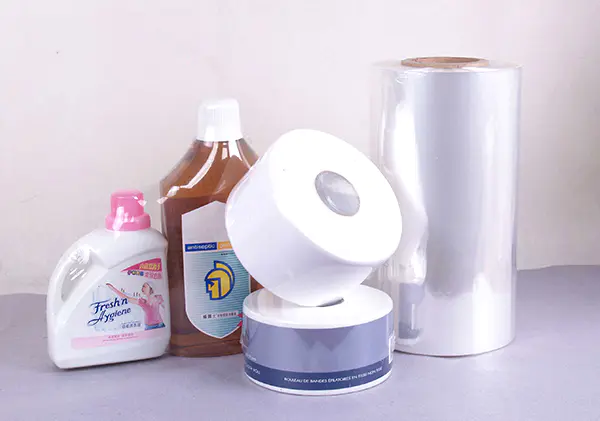
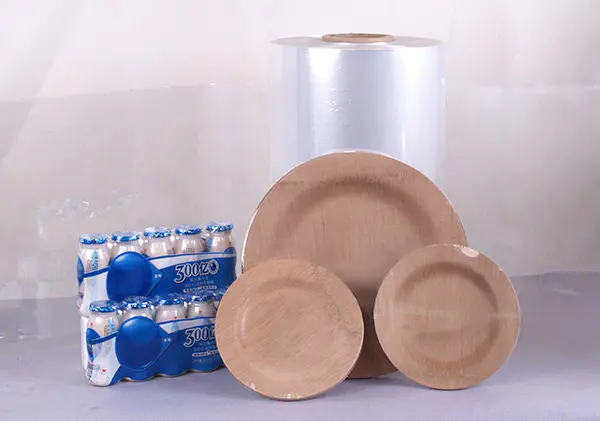
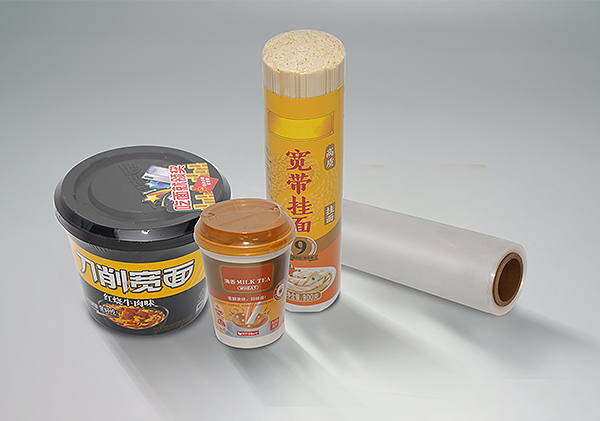
Packaging lines increasingly handle different types of products, rather than focusing on just one package format day after day. Food products, household goods, printed materials, consumer products, and grouped items may all use shrink film packaging within the same facility.
The shape of the product can influence how the film gets handled at every stage. A compact rectangular item presents genuinely different wrapping conditions from a group of products packed together in one bundle. Irregular surfaces can create another set of considerations entirely for the line operator.
This is where Shrink Film POF can get discussed in relation to the actual application, instead of getting treated as a general packaging material with one universal answer. The supplier may need to understand several details before recommending anything.
These details help connect film selection with the real packaging task at hand, rather than a generic assumption. Product variety also affects production planning, since a factory may need to prepare different film constructions or arrangements for different customer applications running in parallel. A flexible approach lets the material supplier respond to changing packaging requirements without assuming one solution fits every product coming through the door.
Mass production creates a genuinely different working environment from occasional packaging runs. When packaging continues throughout a full production shift, small handling issues may occur repeatedly rather than as one-off surprises.
This makes material consistency a lot more noticeable to whoever's running the line. For a POF Shrink Film Factory, production for larger applications may therefore involve closer attention to material preparation, packaging condition, order consistency, and communication with the equipment user on the other end.
The film needs to fit into a process where repeated movement is simply part of normal operation, not an exception. A packaging company may also need the same material for products manufactured at different facilities or on different packaging lines within its network. Consistency between orders can become genuinely important in these situations, especially when quality checks compare batches side by side.
| Mass Production NeedFilm-Related Consideration | |
|---|---|
| Continuous packaging | Stable material handling |
| Repeated orders | Consistent product preparation |
| Multiple lines | Suitable machine application |
| Large product ranges | Flexible material planning |
| Ongoing supply | Coordinated order management |
The evaluation process should therefore consider a lot more than how the film looks before use on a sample roll. Actual packaging conditions can reveal how well the material fits the customer's production workflow once it's running at full speed. This is one reason packaging buyers may provide more detailed application information when requesting film from a supplier.
A packaging line is made up of connected activities, one feeding into the next without much room for a hard stop. Products move from one stage to another, and the film becomes part of that movement the whole way through.
If the material is difficult to handle at one stage, the problem can affect later stages just as easily. Good coordination starts with understanding the entire packaging route from feed to final pack.
For example, a manufacturer may review how the film enters the machine, how it surrounds the product, where sealing takes place, and how the package moves toward the next stage down the line. This broader view can help identify where material selection needs more attention before problems show up on the floor.
A POF Shrink Film Factory can also use application information to improve communication with equipment users directly. Rather than discussing film in isolation, both sides can focus on the actual packaging process together. This may involve questions such as the following.
These questions make the discussion a lot more practical for both sides. They also help buyers explain their needs without relying only on general material names that don't capture the full picture.
The role of a film factory keeps expanding as packaging systems become more connected across the industry. Manufacturers aren't only producing film for general packaging use anymore, sitting on a shelf waiting for an order.
They're also considering how different material choices fit changing equipment, product categories, order patterns, and production environments across their customer base. For buyers, this can make supplier communication a genuinely important part of packaging planning from the earliest stage.
A POF Shrink Film Factory may need to understand whether a customer is introducing new equipment, changing product packaging, increasing production activity, or adapting an existing line to new demands. These changes can affect the type of film required for the job at hand.
The same principle applies to Polyolefin Shrink applications across different industries and product categories. A film used for individual retail products may have genuinely different practical requirements from film used for grouped packages or larger production runs. This creates room for more application-focused discussions between manufacturers and buyers going forward.
The packaging industry is moving toward closer coordination between materials and machinery on the factory floor. As automated equipment handles more packaging steps, film suppliers need to consider how their products fit into those processes rather than standing apart from them. For buyers, the useful question is no longer just which film to purchase off a catalog. It's also how that film will behave within the packaging system already in place day after day. That shift is encouraging POF Shrink Film Factory solutions to become more closely connected with equipment adaptation, changing order requirements, film specifications, product variety, and mass production applications across the board.
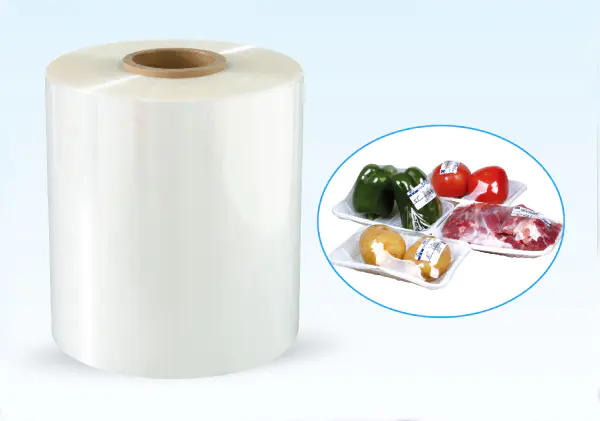
JT05 Antifog Crosslinked Shrink Film is an ideal o...
Copyright © Zhejiang Jiuteng Packaging Co., Ltd.
 简体中文
简体中文
 Home
Home
