
Packaging needs vary widely from one product to another. Some items require a bag that shows the contents clearly. Others need extra strength for repeated opening or a specific size that fits existing packing equipment. Standard bags often fall short when the product, the filling process, or the brand presentation calls for something more precise. Customization bridges that gap by adjusting dimensions, materials, closures, and surface design so the bag works with the product rather than against it. Zip Lock Plastic Bags can be modified in several practical directions, and the choices made at the specification stage largely determine how well the finished package performs.
The starting point is almost always the product itself. Length and width have to leave enough room for the item to slide in and come back out without forcing the material. If the product is bulky or will be paired with inserts, extra volume becomes necessary.
Flat styles work for many thin or lightweight items. Bags with side or bottom gussets create more internal space and can stand more easily once filled. The shape should also suit the way the bags will be stored or placed on a shelf after packing.
Polyethylene and polypropylene show up often in bags of this kind. One type tends to stay clearer, which keeps the product easy to see. The other usually bends more easily around odd shapes or holds up better when bags get stacked and moved around.
What matters is how the bag will actually be used, what kind of protection the product needs, and whether any packaging rules apply. When the material lines up with those points, the bag is less likely to tear or lose shape during filling, storage, or shipping.
How thick the film is changes both the way the bag feels and how well it stands up to punctures or pulling. Thicker film usually handles rougher treatment better. Thinner film can be the better option when the bag needs to stay flexible or when using less material is preferred.
Zippers are not all the same either. Some open and close with less resistance, which helps if the bag will be opened many times. Others are made to close more tightly so less dust or moisture gets in.
The way the seal holds, how simple the zipper is to use, and how much protection the product requires all play a part in the decision.
Printing lets the bag carry both information and a sense of identity. Logos, product names, instructions, and other needed details can go on the surface. The colors, the style of the lettering, and the overall layout work better when they match what already appears on other packaging.
That way the bag does not look like it belongs to a different set. Artwork needs to be set up in a way that suits the printing method being used. When text and graphics sit clearly on the bag, the information is easier to read and less likely to be overlooked.
Some applications call for hanging holes, stronger corners, or sections that remain transparent while other areas carry print. These features need to be specified early so they can be built into the design.
The bag also has to work with the actual filling process, the conditions in which it will be stored, and the demands of shipping. Looking at physical samples gives a direct sense of size, material quality, zipper action, and print clarity before larger quantities are made.
Quantities, timing, and the standards that will be used for inspection should be settled with the supplier at the same time.
| Customization Point | What It Affects | Points to Verify |
|---|---|---|
| Size and Overall Form | Fit with product and packing process | Enough space for easy insertion and removal |
| Material Selection | Clarity, flexibility, and resistance to handling | Alignment with product needs and regulations |
| Thickness and Zipper Type | Durability and repeated opening performance | Seal reliability and practical ease of use |
| Printed Graphics | Branding and required product information | Consistency with existing packaging and readability |
| Additional Features | Display, reinforcement, or selective visibility | Compatibility with filling, storage, and shipping |
Size, shape, material, thickness, zipper design, printing, and any extra features all influence how the finished bag behaves in real use. Each choice should rest on the nature of the product, the practical demands of packing and handling, and the resources available for packaging.
Checking the full list of specifications and evaluating samples before ordering larger volumes lowers the chance of receiving bags that do not perform as expected. Taking the time to settle these details early supports a smoother move into regular production and more dependable packaging over the longer term.
Zhejiang Jiuteng Packaging Co., Ltd. develops practical packaging solutions and remains available for further product inquiries.
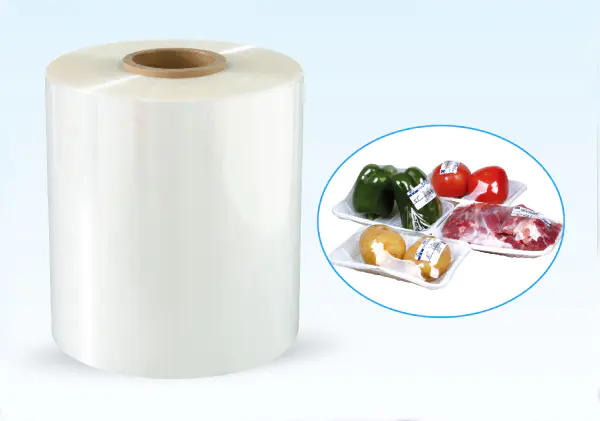
JT05 Antifog Crosslinked Shrink Film is an ideal o...
Copyright © Zhejiang Jiuteng Packaging Co., Ltd.
 简体中文
简体中文
 Home
Home
