
Packaging decisions are often made around the immediate needs of a product sitting on a warehouse shelf. A film needs to protect an item, fit the packaging process, and remain practical during use throughout its journey. Yet the material doesn't stop having an impact once the package leaves the production area behind.
A broader view considers what happens before, during, and after packaging occurs. Material selection affects processing, while processing choices can influence how the film performs during use out in the field. Storage conditions can affect the condition of unused material, and waste handling becomes part of the picture once the package has served its purpose.
This is where lifecycle planning becomes genuinely useful for teams managing packaging operations. Instead of looking at packaging film as a single-use production input, manufacturers can consider its path from material selection through processing, application, storage, and eventual waste management.
For businesses working with Plastic Packaging Films, this approach can create a clearer connection between purchasing decisions and the later stages of product handling. Different film families may suit different applications, so understanding their place within the wider material lifecycle can help buyers make genuinely informed choices.
Material selection influences many decisions that follow later in the process. A film chosen for a particular application needs to work with the packaging process, suit the packaged product, and fit the way the finished package will actually get handled.
The choice can also affect what happens after use ends. Different materials may have different collection, sorting, reuse, or disposal considerations, depending on the local waste system and the structure of the finished package involved.
| Lifecycle Stage | Material-Related Question |
|---|---|
| Selection | Does the film suit the intended package? |
| Processing | Can it be handled using the available process? |
| Use | Does it remain suitable throughout the product's use? |
| Storage | Can unused material be stored appropriately? |
| Waste handling | What happens after the package is discarded? |
This means buyers can look beyond the question of whether a film simply works during packaging that day. They can also ask how the material fits into the broader journey of the product from start to finish.
The answers may vary quite a bit between applications depending on the setup. A film suitable for one packaging format may not make sense for another entirely different one. Lifecycle planning therefore begins with understanding the actual purpose of the package, rather than choosing a material based on one isolated feature.
Comparing film types can help buyers understand how material choice affects later stages of packaging down the line. POF vs PVC Shrink Film is one comparison that often arises when manufacturers review shrink packaging materials for a new project.
The comparison shouldn't get reduced to a single question about which film is preferable in general terms. Instead, buyers can examine how each material fits their production process, product requirements, storage practices, and waste management approach specifically.
| Consideration | Question to Ask |
|---|---|
| Material composition | What type of material is being used? |
| Processing | How does the film fit the existing workflow? |
| Product application | What type of package will it surround? |
| Storage | How should unused film be kept? |
| Waste handling | What options exist after use? |
Different film materials can behave differently during processing and use throughout a production run. Their handling requirements, appearance, packaging characteristics, and end-of-use considerations may also differ from one another.
This broader approach makes material comparison a lot more meaningful for teams making real decisions. It also helps purchasing teams communicate with production and waste-management teams, before a material becomes part of the regular packaging workflow across the facility.
Shrink Film POF can be considered as part of a lifecycle, rather than only as a packaging material used during production that day. Its role begins when the film gets selected and continues through preparation, application, storage, and post-use handling later on.
During processing, the film needs to be compatible with the intended packaging operation running on the line. Workers also need clear handling practices, so that unused material, partially used rolls, and packaging waste can get managed without unnecessary confusion on the floor.
| Stage | What Happens |
|---|---|
| Selection | Film chosen for the packaging task |
| Processing | Material prepared for the operation |
| Application | Film wraps around the product |
| Post-use | Discarded material enters waste system |
Once applied, the film becomes genuinely part of the finished package sitting on a shelf. Its relationship with the packaged product then changes from a production input to a protective packaging layer surrounding the item.
After the product has been opened by a customer, the film enters another stage entirely. At that point, the question is no longer how it supports the packaged item, but how the discarded material should get handled within the available waste system nearby.
Thinking about these stages together can help manufacturers avoid treating waste management as an issue that only appears at the end of production, disconnected from earlier choices.
Material processing is a genuinely important part of lifecycle planning, because a film doesn't exist independently from the equipment and working practices around it on the shop floor. Operators need to handle the material in a way that matches the film's intended application.
Cross-Linked Polyolefin Shrink Film is one material option used in shrink packaging setups. When considering this type of film, manufacturers can look at how the material moves from storage into the packaging process and how unused material gets handled between production runs.
| Processing Factor | Impact on Waste |
|---|---|
| Preparation quality | Reduces damaged film |
| Work procedures | Guides deliberate material use |
| Trimming needs | Creates natural offcuts |
| Handling consistency | Affects overall material control |
Processing choices can also affect material waste in noticeable ways over time. Poor preparation may result in damaged film or unnecessary offcuts, while clear work procedures can help operators use material more deliberately throughout a shift.
The goal isn't simply reducing every piece of waste at any cost to the process. Some packaging processes naturally create trimming material or unused sections that can't get avoided entirely. Lifecycle planning instead asks where these materials go and whether the production process can manage them in a genuinely practical way.
This creates a real connection between material selection and everyday factory operations happening on the ground.
Polyolefin Shrink materials can get used across different packaging situations in the same facility, but the suitability of a particular film still depends on the product and packaging process involved. A manufacturer may handle several product categories under one roof.
The packaging material therefore needs to fit the way different items get prepared, stored, and packed throughout the day. Lifecycle planning encourages teams to consider whether a material can be managed consistently across these applications without constant adjustment.
| Workflow Area | Practical Consideration |
|---|---|
| Material receiving | Identify and organize incoming film |
| Production storage | Keep unused material in suitable conditions |
| Packaging preparation | Prepare only what is needed for the task |
| Production use | Handle film according to its intended application |
| Leftover material | Separate usable material from waste |
| Post-use handling | Follow the applicable waste process |
This includes material storage, preparation, handling during production, and collection of unused film scattered around the facility. This kind of organization can make material management genuinely easier, without requiring packaging decisions to become overly complicated for staff.
It also gives purchasing teams a clearer picture of how a film fits into the entire operation, from receiving dock to waste bin.
Plastic Packaging Films can pass through several distinct stages before they become waste sitting in a bin somewhere. Each stage presents a genuinely different management question worth considering separately.
Before production, the material is simply an inventory item sitting on a shelf. During packaging, it becomes a production input actively used on the line. Once applied to a product, it becomes part of the package itself. After the product gets opened, it becomes a discarded material that may enter a local collection or disposal system nearby.
These changes are easy to overlook, because the physical material may appear almost unchanged throughout. Its role, however, has shifted considerably behind the scenes.
Material selection identifies the film that suits the intended packaging application from the start. Processing determines how the material gets prepared and handled during production runs. Packaging use places the film around or over the product being shipped.
Storage covers unused film and packaged products before distribution or use further down the chain. Waste management addresses film remaining after the package has served its purpose for the customer.
The value of this approach is that each stage can get considered before purchasing decisions are finalized on paper. Teams can identify practical issues earlier, instead of discovering them after a material has already entered regular production across the facility.
Storage is sometimes treated as a simple warehouse issue, disconnected from the rest of the process entirely. But it can genuinely affect material condition and inventory management over time. Unused film may remain in storage before it reaches the production floor, while partially used material may return to storage between packaging activities.
Clear storage practices help distinguish between new material, opened material, and material that is no longer suitable for use on the production line. This distinction can be more important than it may appear at a glance.
| Storage Concern | Practical Effect |
|---|---|
| New versus opened material | Prevents mix-ups during selection |
| Excess inventory | Ties up capital unnecessarily |
| Environmental exposure | Can affect material condition |
| Supplier instructions | Guides appropriate handling |
Storage planning can also influence purchasing decisions made months earlier. If a company buys more film than it can reasonably manage, some material may remain unused for genuinely longer periods than intended. A better understanding of actual packaging needs can support more controlled inventory decisions going forward.
The storage environment should also match the care requirements provided for the specific film in question. Packaging teams can follow supplier instructions for protecting unused material from conditions that may affect its intended use later.
This creates a simple connection between purchasing, warehouse management, and production planning across departments.
Polyolefin Films can become part of a packaging waste stream after the packaged product has been opened by an end user. At that stage, the material's handling depends heavily on the collection and recycling systems available in the relevant location.
This means manufacturers should avoid assuming that every film will follow the same waste route once discarded. Local rules, collection arrangements, package composition, and contamination can all affect what genuinely happens after disposal.
| Waste Planning Question | Why It Matters |
|---|---|
| Is the material identifiable? | Helps support correct handling |
| Is the package made from mixed materials? | May affect sorting options |
| Does the film collect separately? | Depends on local systems |
| Is the film contaminated? | May affect available handling routes |
| What happens to production offcuts? | Connects factory waste with post-use waste |
Lifecycle planning can therefore include basic questions about waste handling before a film gets adopted for regular packaging use. The purpose isn't promising a particular end-of-life outcome to anyone.
Instead, it's recognizing that waste management depends on both the material and the system available around it locally. Manufacturers can use this information when discussing packaging choices with internal sustainability, purchasing, and waste-management teams across the company.
Material waste can appear in several forms scattered across a production run. Some film may get left over after a packaging task finishes, while other material may get removed during preparation or damaged during handling on the line.
A lifecycle approach encourages manufacturers to examine why these losses occur from the outset. The cause may relate to material preparation, workflow organization, storage practices, or how packaging tasks are scheduled throughout the day.
| Habit | Practical Benefit |
|---|---|
| Distinguishing reusable leftover material | Reduces unnecessary disposal |
| Organizing storage for visibility | Prevents forgotten inventory |
| Scheduling tasks deliberately | Limits rushed preparation errors |
| Tracking offcut patterns | Identifies process improvements |
Simple process habits can help teams understand where material actually gets used and where unnecessary waste may occur along the way. For example, operators can distinguish between reusable leftover material and film that needs to enter the waste stream properly.
Storage areas can also get organized so that opened material remains visible and doesn't become forgotten inventory tucked in a corner. The objective is practical material control, rather than simply reducing the amount of packaging used for its own sake.
This distinction matters because packaging still needs to perform its intended function for the product inside. A material decision should consider the complete package, rather than treating waste reduction as an isolated target disconnected from everything else.
Purchasing teams often focus on material compatibility and cost during product selection meetings. Lifecycle planning adds several practical questions that can help create a wider view of the purchase being considered.
The questions don't need to be complicated or technical to be useful. They can focus on how the film enters the facility, how it gets handled during production, and what happens after use ends for the customer.
| Question Area | Purpose |
|---|---|
| Intended packaging applications | Confirms fit with the product |
| Storage requirements | Prevents material degradation |
| Handling after opening | Clarifies partial-use practices |
| Production waste potential | Anticipates offcut management |
| Local waste-handling routes | Sets realistic expectations |
| Fit with existing practices | Reduces workflow disruption |
These questions can also improve communication between purchasing, production, warehouse, and waste-management teams working in different buildings. A packaging material affects several departments at once, so evaluating it from only one department's perspective can leave important lifecycle considerations unnoticed until later.
Suppliers can provide genuinely useful product information that helps buyers understand how a film should get handled throughout its use. Clear descriptions of material type, intended application, storage, and care can make purchasing decisions a lot easier to evaluate properly.
For Polyolefin Films, information about the material category can also help buyers distinguish it from other packaging film options sitting in a catalog. This becomes particularly useful when several film types are handled within the same purchasing system across a company.
| Information Type | Buyer Benefit |
|---|---|
| Material category | Supports comparison across options |
| Intended application | Confirms suitability for the task |
| Storage guidance | Prevents premature degradation |
| End-of-use handling | Informs waste planning |
Suppliers can also help buyers understand the difference between production considerations and end-of-use considerations that come later. A film may be suitable for a packaging process, while still requiring specific handling after it becomes waste down the line.
Clear communication doesn't need to make the purchasing process complicated for anyone involved. It simply gives buyers enough information to connect the film with the conditions in which it will actually get used day to day.
Material lifecycle planning changes the question from simply "Can this film package the product?" to a broader set of practical questions worth asking upfront. The material also needs to fit processing, storage, use, inventory handling, and the waste system available after use ends.
This approach doesn't mean that every manufacturer needs the same film strategy applied uniformly. Different products and facilities have genuinely different requirements, and local waste systems can also vary quite a bit from region to region.
Instead, lifecycle planning provides a way to connect separate decisions that often get made in isolation. POF vs PVC Shrink Film can get considered during material selection, while Shrink Film POF, Cross-Linked Polyolefin Shrink Film, and Polyolefin Shrink can be evaluated in relation to processing and application needs specific to the facility.
The same thinking can continue into the wider category of Plastic Packaging Films and Polyolefin Films used across an operation. By considering how a material gets selected, processed, used, stored, and eventually handled as waste, manufacturers can make packaging decisions with a genuinely clearer understanding of the material's complete journey from receiving dock to disposal bin.
Material lifecycle planning provides a practical way to connect packaging selection with processing, storage, product use, and waste handling. By viewing Plastic Packaging Films and related material options as part of a complete packaging journey, manufacturers can identify how each stage affects the next and bring purchasing, production, warehouse, and waste-management considerations into one connected process.
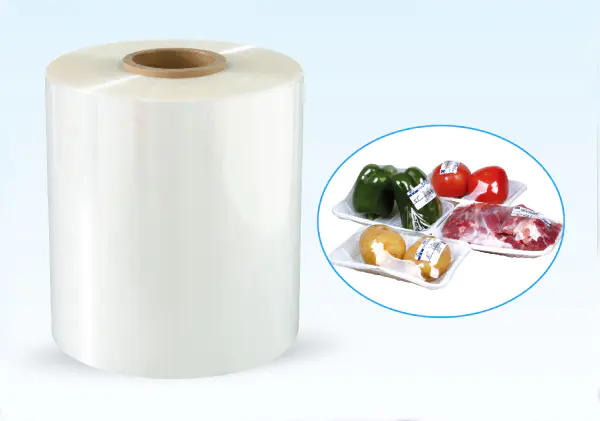
JT05 Antifog Crosslinked Shrink Film is an ideal o...
Copyright © Zhejiang Jiuteng Packaging Co., Ltd.
 简体中文
简体中文
 Home
Home
