
A warehouse manager watching pallets of shrink-wrapped goods roll onto a truck, noticing how much lighter this shipment feels compared to the boxed version from a supplier switch two years back, is witnessing lightweight packaging strategy play out in real time. Packaging is often judged by what can be seen on the shelf, the printed label or the glossy wrap catching a shopper's eye. Yet the material behind that appearance has a genuinely direct effect on how a product gets wrapped, moved, stored, and displayed throughout its whole journey. As businesses look for practical ways to use materials more carefully, lightweight packaging has become a genuinely important design consideration across many industries.
Plastic film can play a useful role in this process, more than its thin appearance might suggest. A thin, flexible film can wrap products without requiring a large amount of material weighing down the shipment. It can also adapt to different package shapes and support clear product presentation on a crowded shelf.
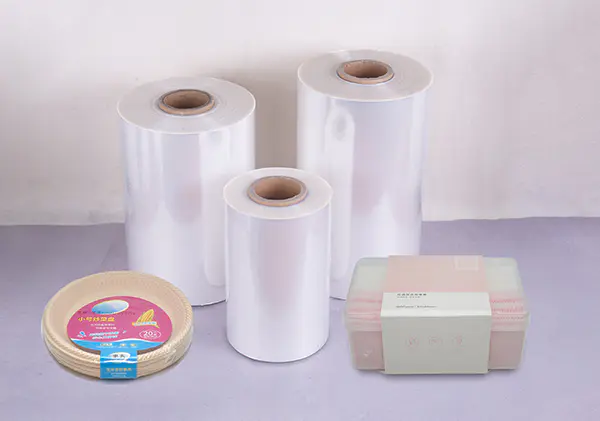
The challenge is finding a genuine balance in all this. Reducing material shouldn't make a package difficult to handle or unable to protect the product during normal distribution from warehouse to store.
This makes film selection a lot more than a simple question of thickness alone. Packaging designers also need to consider material behavior, package structure, sealing, product shape, transportation, and retail presentation together.
A package has to perform several jobs at once, often without anyone noticing the effort involved. It protects the product through rough handling, supports easy carrying, provides information at a glance, and often contributes to how the product looks sitting on a retail shelf.
When a package uses unnecessary material, it can become heavier and genuinely more complicated than the product actually requires. A lightweight approach looks carefully at where material is actually needed and where it can get reduced without weakening the overall packaging function.
Flexible film offers a genuinely interesting option here because it can cover a product with relatively little material, compared with some rigid packaging structures built around boxes or trays.
Lightweight packaging can support several practical goals:
The idea isn't simply making every package thinner across the board.
A suitable film needs to retain enough strength and flexibility for its intended application, whatever that turns out to be. The right balance depends heavily on the product in question. A small retail item may need only a simple protective wrap. A group of products may need film that gathers several pieces into one cohesive package. Food, household goods, and consumer products can all create genuinely different demands on the material.
Film thinning is one way packaging designers can explore material efficiency without abandoning protection altogether.
A thinner film can use less raw material while still maintaining the basic function required by the package. However, thinning needs consideration as part of the entire design, rather than as an isolated change made in a vacuum.
The film must still handle normal wrapping, sealing, transportation, and display conditions without failing partway through.
Several factors can affect whether a thinner film is genuinely suitable for the job.
| Design Consideration | Packaging Question |
|---|---|
| Product shape | Can the film follow the product without unnecessary folds? |
| Handling | Can the package be moved comfortably? |
| Sealing | Can the package remain closed during normal use? |
| Protection | Does the film provide suitable surface coverage? |
| Display | Does the finished package remain visually clear and neat? |
The package structure can also make a genuine difference here, beyond the film itself.
A well-planned shape may allow the film to cover the product efficiently without wasted overlap. Poorly planned dimensions can create excess material even when the film itself is genuinely lightweight to begin with. This means material efficiency involves both film selection and package design working together.
Polyolefin materials get used in flexible packaging because they can offer a genuinely useful combination of flexibility, clarity, and handling properties that suit many applications.
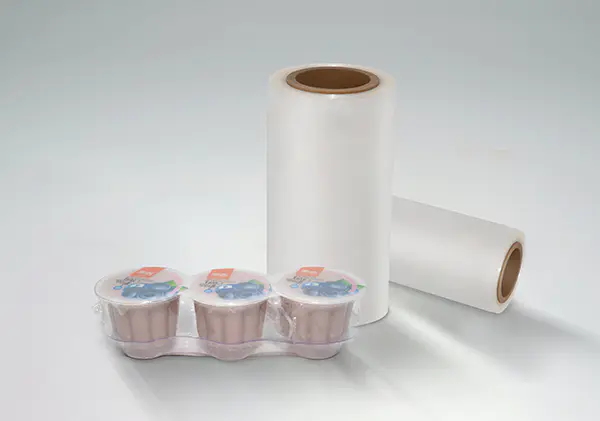
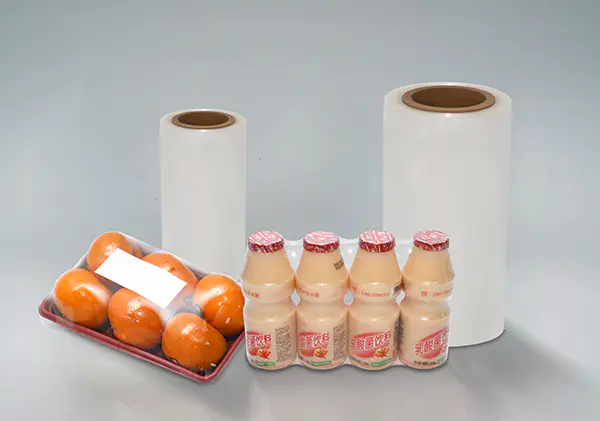
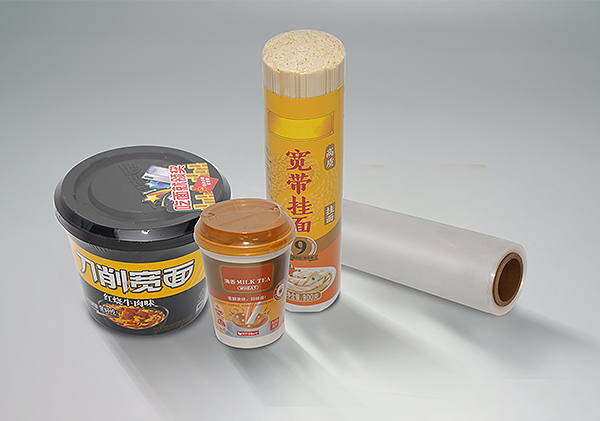
A Polyolefin Shrink film can conform around a product when heat gets applied during the packaging process. This can help create a genuinely close-fitting package, rather than leaving large areas of loose film flapping around the item.
A closer fit may support material efficiency in a meaningful way.
Instead of using a large amount of film to accommodate empty space around an oddly shaped product, the package can get designed around the actual product dimensions instead. This can prove particularly useful for retail products that need a genuinely clean appearance on the shelf.
Polyolefin Films can also be considered for packaging designs where flexibility and product visibility both matter to the buyer.
The material choice should still reflect the application it's headed toward.
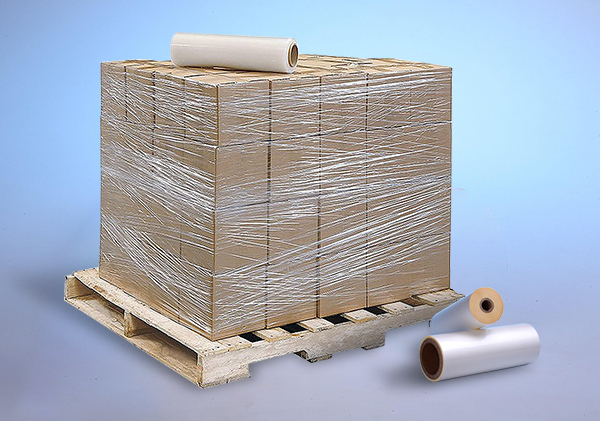
A film intended for a lightweight retail package may have genuinely different requirements from one used for grouping products together into a bulk shipment. Packaging teams need to consider how the film behaves during wrapping, storage, transport, and customer handling, all in sequence.
Shrink film can genuinely change the relationship between the product and its outer package once heat gets applied.
When the film conforms around the product, it can reduce loose space around the wrapped item considerably. This can make the package appear genuinely more compact and organized sitting in a display case.
For retail goods, this can carry another advantage worth noting.
A close-fitting package may make the product a lot easier to arrange on shelves or inside display units without wasted space between items. The film can follow product contours closely while still maintaining visibility for the shopper browsing nearby.
Shrink Film POF is one option considered for applications where a flexible shrink package is genuinely needed.
The design still needs to account for product shape carefully.
Products with sharp edges, unusual contours, or multiple pieces bundled together can place genuinely different demands on the wrapping process. The film must get selected and applied in a way that supports the intended package structure without tearing at stress points.
Shrink packaging works more effectively when film selection and product design are considered together from the outset.
Packaging teams may encounter several film types when reviewing lightweight packaging strategies for a new product line.
The comparison should focus on practical use, rather than treating one material as suitable for every application across the board.
For example, POF vs PVC Shrink Film can involve genuine differences in flexibility, appearance, handling, and packaging requirements. The choice depends heavily on the product and the process used to wrap it on the line.
| Packaging Factor | Questions to Consider |
|---|---|
| Product appearance | How clearly should the product be visible? |
| Wrapping process | What type of application method is available? |
| Flexibility | How closely must the film follow the product? |
| Package handling | How will the finished package be transported? |
| Retail use | How important is surface appearance? |
A lightweight strategy shouldn't focus only on reducing material at any cost.
If a film creates packaging difficulties, causes inconsistent wrapping across a batch, or requires additional protective layers to compensate, the overall design may become genuinely less efficient than before. The better approach is assessing the complete package as a system, not one variable in isolation.
Packaging weight can influence how products get handled during distribution, from the loading dock all the way to the store.
When the packaging structure uses less unnecessary material, the finished package may become genuinely easier to move around a warehouse. This can matter quite a bit when products get packed into larger groups for shipment or retail replenishment on a regular schedule.
Film can also take up relatively little space before it's applied to products, unlike bulky rigid containers waiting in storage.
This makes flexible packaging materials genuinely useful in production environments where storage and handling of packaging materials need careful consideration before the line even starts running.
The relationship between packaging and transportation goes beyond weight alone.
Package dimensions matter just as much in this equation. A bulky package can occupy more storage or shipping space, even when its material content isn't particularly high to begin with. A close-fitting film package may help businesses think about both material use and package volume together, rather than treating them as separate problems.
However, the product still needs enough protection for normal distribution to survive the trip intact.
A lightweight package that requires extra outer packaging to compensate may not provide the intended efficiency after all. The design needs to consider the entire distribution structure, rather than one layer examined in isolation from the rest.
Material efficiency often starts well before the film ever reaches the packaging machine on the line.
The product itself can influence how much film is actually needed to do the job. Shape, grouping, orientation, and package opening all affect the final design in ways worth mapping out early.
A simple product shape may allow a genuinely close wrap without much fuss. Products with multiple components may need a different arrangement to avoid large unused areas of loose film hanging around.
Packaging designers can examine several things in sequence:
This approach can reveal genuine opportunities to remove unnecessary layers that add cost without adding value.
For example, a product may not need a rigid outer container at all if a suitable flexible film can provide the required protection and presentation on its own. Another product may still require a box because it genuinely needs additional structural support to survive shipping.
Lightweight packaging is therefore not about replacing every single material with film across the board.
It's about selecting a package structure that provides the needed functions, without adding material that serves genuinely little purpose beyond bulk.
Retail packaging has a visual role that can be just as genuinely important as its protective function, sometimes more so at the point of sale.
Customers often want to see the product before purchasing it, turning a package over in their hands. A clear film can allow the product, color, shape, or printed surface to remain visible throughout that inspection.
A neat film package can also make several products genuinely easier to group and display together on a shelf.
This is one reason Plastic Packaging Films can prove useful for consumer products that benefit from visibility and compact presentation side by side.
The package needs to withstand normal retail handling as well, not just look good on day one.
Customers may pick up products, move them around, or place them back on a shelf repeatedly before deciding to buy. The film should remain suitable for this type of everyday interaction without tearing or clouding over.
Packaging appearance can also affect perceived product organization in a shopper's mind.
Wrinkles, loose film, or uneven wrapping may make a package look genuinely less carefully prepared than it actually is. A close and consistent wrap can create a genuinely cleaner visual impression, without adding decorative layers that cost more.
The goal is a balance between material efficiency and practical presentation working together.
Reducing material without reviewing the packaging process carefully can create genuinely unwanted problems down the line.
A film that's too light for the application may become difficult to handle on the packing floor. A package may need additional layers to compensate for the shortfall. A thinner structure may also respond genuinely differently during wrapping or storage than the original design.
These issues can get avoided by reviewing the entire process from start to finish.
| Potential Issue | Design Response |
|---|---|
| Film tears during handling | Review product shape and wrapping needs |
| Excess film remains loose | Adjust package dimensions |
| Wrapping becomes inconsistent | Review the application process |
| Additional packaging is needed | Reconsider the complete package structure |
| Retail appearance changes | Check film fit and presentation |
Testing should reflect actual use conditions, not just a controlled lab environment.
A package may look suitable during initial production but behave genuinely differently after transportation or repeated handling on the way to a store. Reviewing the finished package through several stages can provide a genuinely more realistic view of how it'll actually perform.
The purpose of testing isn't adding complexity for its own sake.
It's confirming that material reduction doesn't create a new packaging problem elsewhere in the chain that wasn't there before.
Different products can use flexible film in genuinely different ways depending on what they need.
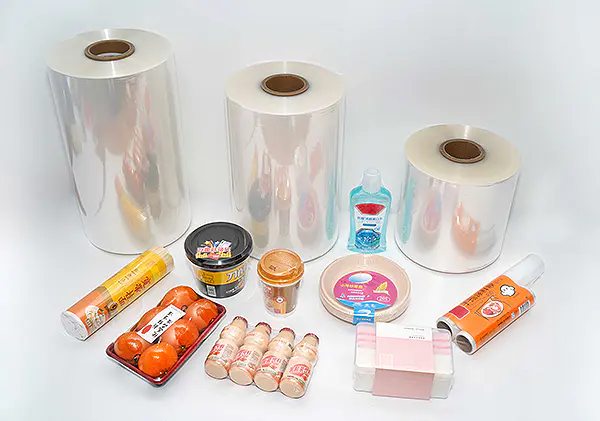
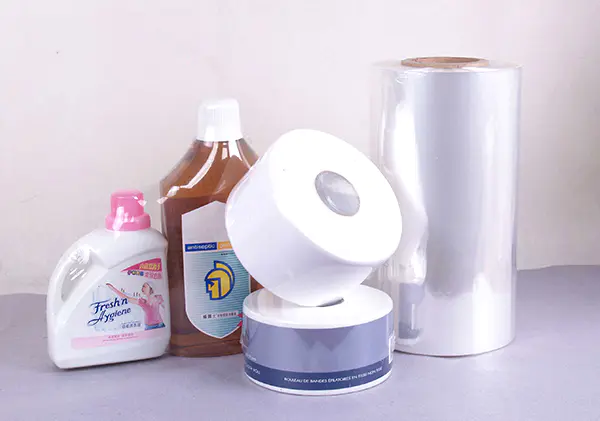
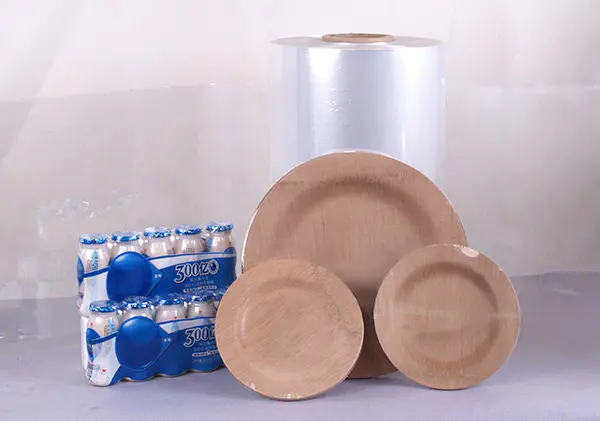
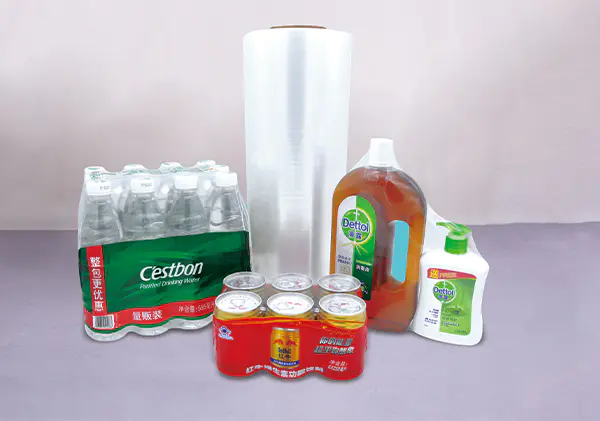
Retail goods may use shrink wrapping for individual presentation on a shelf. Multiple small products may get grouped into one package for bulk sale. Household items may use film to protect surfaces while keeping the product visible through the wrap.
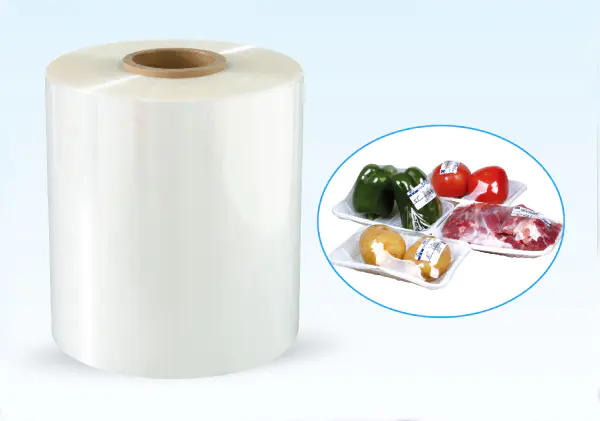
Food-related applications can introduce additional considerations because the package may need to match the product and applicable packaging requirements specific to that category.
The flexibility of polyolefin-based film allows designers to consider genuinely different package structures, without relying on one fixed format for every single item.
For example, a close wrap can work well for a product with a simple shape. A grouped package may require more attention to how several items sit together without shifting in transit. Products with handles, corners, or uneven surfaces may require a genuinely different wrapping arrangement altogether.
The film should follow the product, rather than forcing the product into an unsuitable package shape that doesn't fit.
This product-centered approach can help reduce unnecessary material while keeping packaging genuinely practical for everyone handling it.
A lightweight packaging strategy works genuinely better when material reduction gets treated as part of a larger design decision, not a standalone goal.
Film selection, product shape, wrapping method, package dimensions, transportation needs, and retail presentation all influence the final result together.
A useful review can ask a few direct questions worth sitting with.
Does every layer serve a clear purpose? Can the film cover the product without excessive overlap wasting material? Is the package easy to handle from warehouse to shelf? Does the finished product remain protected through normal distribution? Can customers see and open the package without unnecessary difficulty at home?
These questions help separate useful material from material that simply adds bulk without adding value.
Flexible film can support lightweight packaging when its properties genuinely match the application, and when the surrounding package structure has been planned carefully from the start.
The focus should remain on practical material use, rather than reduction for its own sake regardless of consequence. A package succeeds when it provides the necessary protection, handling, and presentation, while using its materials in a genuinely considered way throughout.
JT05 Antifog Crosslinked Shrink Film is an ideal o...
Copyright © Zhejiang Jiuteng Packaging Co., Ltd.
 简体中文
简体中文
 Home
Home
