
Product stability becomes a genuinely practical concern the moment packaged goods start moving through a supply chain. A product may pass through packing areas, warehouses, loading points, delivery vehicles, and distribution centers before it ever reaches its destination shelf.
During this movement, packages can shift, rub against nearby products, or lose their original arrangement entirely without anyone noticing until it's too late. Shrink Film POF can help address part of this challenge by creating a close-fitting layer around packaged products as they travel.
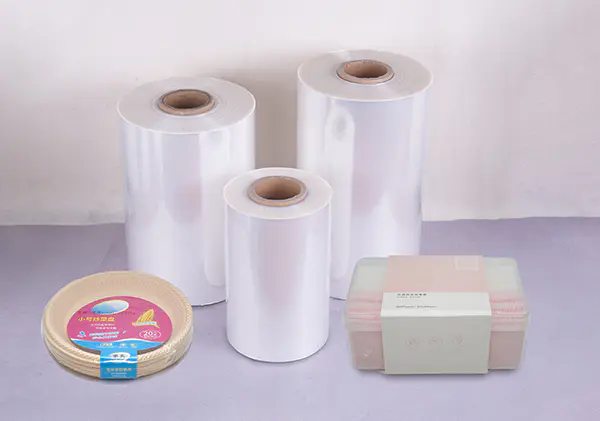
The film can hold individual items together or help maintain the arrangement of products placed in the same package throughout the journey. This proves useful when packaging needs to provide more than a simple outer covering that just looks tidy on the shelf.
A suitable shrink film can support product fixation while also creating a cleaner package surface that's easier to handle at every stage. For businesses involved in logistics, retail packaging, and product distribution, this relationship between film and product stability is genuinely worth considering when planning packaging workflows.
Transportation rarely involves a single movement from point A to point B. Products may get placed into cartons, grouped onto pallets, loaded into vehicles, moved between storage areas, and handled again during final delivery.
Each change of position creates an opportunity for packages to move in ways nobody intended. Loose products can separate from a group, while poorly secured packages may tilt or slide when surrounding items shift during a turn or a bump in the road.
This doesn't always result in visible damage that shows up right away. A package may simply arrive in a different arrangement from the way it left the packing area, which can still cause headaches later. That said, repeated movement can affect how products look, how they get handled, and how efficiently they can be stored once they arrive.
| Transportation Challenge | Packaging Concern |
|---|---|
| Product movement | Items may separate from a group |
| Surface friction | Packages may rub against nearby goods |
| Handling | Packages may shift during movement |
| Storage | Unstable groups can occupy space unevenly |
| Loading | Loose items can make arrangement harder |
Packaging stability therefore has a real practical connection with logistics efficiency down the line. The purpose of shrink film isn't eliminating every transportation risk that exists out there. Instead, it can provide an additional layer of fixation that helps products remain together during ordinary handling.
Shrink film changes shape around a product when it gets processed under suitable conditions, typically involving controlled heat. This allows the film to follow the general form of the packaged goods, rather than remaining a loose outer layer flopping around.
The resulting package can feel a lot more compact and organized once the film has set. When several products get grouped together, the film can help maintain their relative positions throughout the journey.
This proves useful for products sold or transported as sets, like a multipack of drink cans or a bundled set of tools. Several containers, for example, may need to stay together during movement instead of separating inside a larger box.
The film can create a continuous outer layer around the whole group. This helps reduce unnecessary shifting between the individual items as the box gets jostled around. The effect depends on the product shape, packaging arrangement, film selection, and packaging process used. The film should therefore get viewed as one part of the overall packaging system, not the whole solution on its own.
| Packaging Situation | Possible Role of POF Film |
|---|---|
| Grouped products | Helps maintain the product arrangement |
| Individual retail items | Creates a protective outer layer |
| Bundled goods | Supports product fixation |
| Multi-item packages | Helps reduce separation |
| Warehouse handling | Provides a more compact package form |
For businesses managing repeated packing operations day after day, this can make product grouping a lot easier to maintain throughout normal logistics handling.
Packaging requirements can vary considerably between industries and products, sometimes more than people expect. A retail item may need a clean outer appearance for the shelf, while a group of products may require additional support during rough handling.
POF Shrink Film can get used across different packaging situations because it can form around products while remaining part of the outer package structure. The choice of film should reflect the actual product, rather than relying on one packaging approach for every application that comes through the door.
Product shape is one consideration worth thinking through. A package containing several similarly shaped products may behave quite differently from one containing items with mismatched shapes. Surface characteristics can also influence how packages interact with one another during storage and transportation on a truck.
The packaging workflow matters just as much here. A film that fits the product and works naturally with the available packing process can help reduce unnecessary handling steps for the crew. Businesses can therefore evaluate the film based on practical needs such as the following.
These factors can help determine whether shrink film genuinely suits a particular product combination. The goal stays creating a package that remains manageable without adding unnecessary material or complicated handling steps for the team.
Product movement is often caused by simple space between items sitting inside a box. When individual products have room to slide or separate, changes in direction during transportation can alter their arrangement without warning.
Shrink film can reduce some of this movement by creating a closer package around the grouped products from the start. This proves particularly useful for products that are intentionally sold or transported together as a set.
The film can act as an outer holding layer wrapped snugly around everything. That said, the products inside still need proper arrangement before wrapping even begins. If the items get placed unevenly to start with, the film won't automatically correct every problem hiding underneath it.
Good packaging therefore starts with sensible product positioning at the packing table. Once the products sit arranged properly, the shrink film can help maintain that arrangement during all the subsequent handling ahead.
| Before Wrapping | After Suitable Wrapping |
|---|---|
| Products may have open spaces between them | Group can become more compact |
| Items may move independently | Film can help hold the group |
| Arrangement may change during handling | Outer layer supports the arrangement |
| Individual items can separate | Group remains easier to handle |
This can help packaging teams create a lot more consistent product groups shipment after shipment. It can also make grouped packages a lot easier to move between packing, storage, and shipping areas without constant readjustment.
Businesses sometimes compare different shrink film materials when selecting packaging products for a new line. POF vs PVC Shrink Film is a common comparison, since the two materials can serve similar packaging purposes while offering genuinely different characteristics underneath.
The decision should get based on the product, packaging process, handling expectations, and applicable food or packaging requirements in play. POF is a polyolefin-based film used across various packaging applications throughout different industries.
PVC shrink film is another packaging material entirely, carrying its own characteristics and established uses in the field. Rather than assuming one material fits every situation across the board, packaging teams can compare how each option behaves within their specific workflow.
| Comparison Area | Packaging Question |
|---|---|
| Product type | Does the film suit the goods? |
| Package appearance | What surface finish is appropriate? |
| Handling | How will the wrapped product be moved? |
| Product grouping | Is the film being used for fixation? |
| Application | Is it suitable for the intended packaging process? |
| Food contact | Does the product meet the relevant requirements? |
For food-related applications especially, businesses should pay particular attention to the intended food-contact use of whatever material gets selected. Food Packaging Films need choosing according to the food product, packaging process, and applicable requirements, rather than simply by material name on a spec sheet. The comparison should therefore stay practical and application-focused throughout the decision.
Some packaging applications require film with characteristics suited to repeated handling and demanding package structures out in the field. Cross Linked POF Shrink Film is one type of Polyolefin Shrink film designed for packaging applications where a particular film structure gets required.
The term refers to how the material is structured internally, rather than describing some separate packaging purpose altogether. Cross Linked Shrink Film may get considered when packaging teams need a film that can form a stable outer layer around products that will see rough handling.
Its usefulness still depends heavily on the application at hand. A film should match the package structure, product characteristics, and handling process it's actually going into.
The same principle applies to Cross Linked Film generally, which can get evaluated according to how it behaves within the intended packaging workflow. For buyers, the key question isn't simply whether a film is cross linked or not. The more useful question is whether its characteristics actually match the needs of the product and packaging process at hand.
| Packaging Factor | Buyer Consideration |
|---|---|
| Product grouping | Can the film support the intended package arrangement? |
| Outer layer | Does it suit the desired package structure? |
| Handling | Can workers use it naturally within the workflow? |
| Storage | Does the finished package remain manageable? |
| Product type | Is the film appropriate for the goods? |
This application-based approach can make material selection a lot more practical for teams sorting through supplier options.
Cross Linked Polyolefin Shrink Film belongs to the wider category of polyolefin-based packaging materials used across many industries. Buyers may encounter different film descriptions depending on the supplier, application, and packaging process they're dealing with.
Understanding the terminology can help purchasing teams communicate a lot more clearly with suppliers. Polyolefin Shrink is a broader term that can refer to shrink films made from polyolefin materials generally.
Polyolefin Films can also get used in packaging applications where shrink behavior isn't necessarily the main focus at all. This distinction matters because the same general material family can serve genuinely different packaging purposes depending on the job.
A buyer looking for a film for product fixation should describe the actual packaging task, rather than relying only on a material category pulled from a catalog. The buyer, for example, may need to group several products, create an outer protective layer, or improve package handling during transportation across long distances.
Those requirements provide a lot more useful information when discussing packaging materials with a supplier. A practical purchasing discussion can include the following points.
This information can help suppliers understand the intended use a lot more clearly. It can also reduce the chance of selecting a material based only on its name on a data sheet.
A POF Shrink Film Factory may serve customers with genuinely different packaging requirements, so production flexibility can matter a lot to buyers shopping around. One customer may need film for grouped consumer products heading to a big box store.
Another may require material for food packaging that meets specific contact standards. A different buyer may focus squarely on retail presentation or transportation protection for a fragile item.
These applications can involve different expectations for film handling, package appearance, and product compatibility across the board. A factory supplying different packaging sectors needs to understand these distinctions clearly when presenting its product range to potential clients.
Clear product descriptions can help buyers determine whether a particular film is appropriate for their application before they commit. Quality consistency is also genuinely relevant to businesses that use film repeatedly across thousands of shipments.
Packaging teams need materials that behave in a reasonably consistent way during their normal workflow, batch after batch. This doesn't mean every application requires the exact same film off the shelf. It means the selected product should carry characteristics that are suitable for the intended process at hand.
| Buyer Type | Common Packaging Focus |
|---|---|
| Retail packer | Appearance and product presentation |
| Food business | Suitable food packaging use |
| Distributor | Product grouping and handling |
| Manufacturer | Integration with packing workflow |
| Logistics operation | Stable package movement |
A POF Shrink Film Factory can therefore get evaluated not only by its product categories but also by how clearly it communicates intended applications and handling requirements to buyers.
Shrink film is often just one layer within a much larger packaging system built around a product. A product may already have an individual package before the film ever gets applied on top of it.
The film can then create an additional outer layer around one item or a group of items sitting together. This outer layer can help keep the package arrangement together during normal movement through the supply chain.
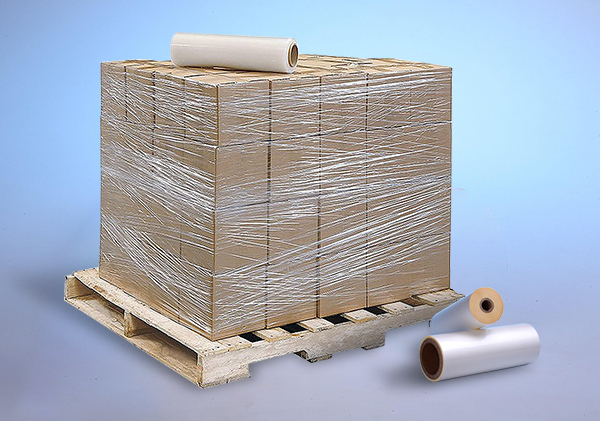
It may also provide a surface that separates the packaged goods from some direct contact with surrounding items in a crowded pallet. That said, shrink film shouldn't get treated as a complete replacement for appropriate cartons, cushioning, pallets, or other packaging methods already in use.
Different packaging layers perform genuinely different roles in the whole system. A carton may provide structural support against crushing, while shrink film can help maintain the arrangement of products inside or around the package itself.
This layered approach proves particularly useful when goods pass through several stages of logistics handling on their way to a customer.
| Packaging Layer | General Role |
|---|---|
| Product package | Holds the individual product |
| Grouping layer | Keeps selected products together |
| Carton | Provides structural packaging |
| Shrink film | Supports outer fixation and coverage |
| Transport arrangement | Organizes goods for movement |
The appropriate combination depends on the product and transportation process it's headed through. Good packaging planning considers how each layer contributes to the complete journey from packing area all the way to final destination.
Improving stability doesn't necessarily mean piling on more packaging material than before. It often starts with arranging products carefully and selecting a film that genuinely matches the intended package going out the door.
Workers can check whether products sit positioned evenly before wrapping ever begins. They can also make sure the film covers the intended group without creating unnecessary loose sections flapping around.
The package should then get handled in a way that matches its construction, not tossed around carelessly. During storage and loading, products shouldn't get placed in positions that create avoidable pressure or movement against neighboring boxes.
A practical workflow can include several simple habits worth building into the routine.
These actions connect material selection with everyday logistics practice on the floor. Plastic Packaging Films can provide useful support for many products across different industries, but the film should always get considered alongside the rest of the packaging system around it. The same applies to Polyolefin Films generally, which can serve different roles depending on their design and intended application.
When film selection, product arrangement, wrapping, storage, and transportation get treated as connected steps rather than separate decisions, packaging teams can create a genuinely more stable handling process. This approach allows Shrink Film POF to function not simply as an outer covering slapped on at the end, but as part of a broader strategy for keeping packaged products organized during movement through the supply chain.
JT05 Antifog Crosslinked Shrink Film is an ideal o...
Copyright © Zhejiang Jiuteng Packaging Co., Ltd.
 简体中文
简体中文
 Home
Home
