
A seal that looks perfectly fine rolling off the line but fails somewhere out on the road is one of those problems that makes packaging engineers want to pull their hair out, mostly because the failure shows up nowhere near where anyone could actually catch it in time. Cross Linked Shrink Film exists largely to fix this exact headache, tackling seal integrity issues that standard film just can't seem to shake no matter how carefully someone tunes the heat sealing process. Anyone who's ever had a shipment bounced back over a compromised seal already gets why this material distinction runs deeper than a quick spec sheet comparison.
Once you understand what actually happens at a molecular level when polyolefin film gets cross linked, it makes a lot more sense why this material category keeps showing up wherever seal reliability genuinely matters, rather than existing as just another marketing label slapped onto similar-looking rolls.
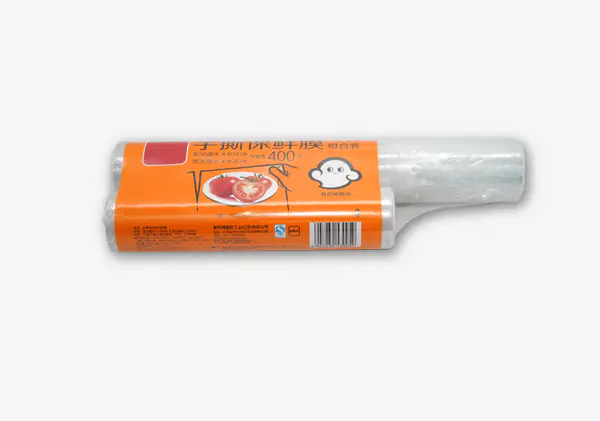
Seal integrity is basically how consistently and dependably a package's seal survives the beating that shipping, handling, and storage throw at it. A seal can look totally complete to the eye while still hiding weak spots that give way under pressure, temperature swings, or repeated rough handling.
Seals usually fail for a handful of reasons, heat that doesn't distribute evenly during sealing, shrink response that varies across the film's surface, or material that springs back a bit after sealing instead of holding its formed shape. Any single one of these can produce a seal that sails through visual inspection and then falls apart somewhere down the supply chain.
Standard Shrink Film POF, without any cross linking, can respond a bit unevenly to heat during sealing, especially across bigger sheets or faster line speeds. That inconsistency comes down to the film's molecular structure lacking the reinforced bonding that cross linking specifically adds, which leaves certain patches more prone to uneven shrink or an incomplete seal.
This isn't really a flaw in standard film so much as a structural ceiling that becomes more obvious under demanding conditions, high-speed lines, fluctuating heat exposure, or oddly shaped products that stress the film unevenly while sealing.
Cross linking adds extra bonds between the polymer chains inside the film, building a more interconnected network compared to standard polyolefin structures. That added connectivity changes how the material responds to heat, generally producing behavior that's more predictable and uniform through both shrinking and sealing.
Cross Linked Polyolefin Shrink Film essentially gives up a bit of the flexibility standard film has in exchange for structural consistency, a tradeoff that pays off directly in sealing applications where predictable, repeatable behavior counts for more than raw flexibility on its own.
It does, and the logic holds up once you think through what's happening during heat sealing itself. A more interconnected molecular structure resists the localized weak spots standard film sometimes develops under uneven heat, since that reinforced bonding spreads stress more evenly across the sealing area instead of letting it pile up in one isolated patch.
That distributed stress response is really the mechanical reason cross linked pof shrink film tends to produce steadier seals across varied production conditions compared to standard alternatives.
One of the more useful benefits cross linking brings to a packaging line is what people often call the sealing window, the range of temperature and timing conditions where a reliable seal actually forms. Standard film sometimes needs much tighter control within a narrower window just to get consistent results.
Cross Linked Film generally tolerates a wider range of sealing conditions while still delivering dependable output, which matters a lot for lines dealing with the natural drift in speed, ambient temperature, or product shape that shows up across different runs.
Conditions on a production floor rarely stay perfectly steady across a whole shift. Line speed drifts a little here and there, ambient temperature shifts through the day, and different products moving down the same line create different heat exposure patterns during sealing.
A film that only seals reliably within a narrow temperature and timing band struggles to keep up with this natural drift, sometimes producing inconsistent seals as conditions wander even slightly off ideal. Cross Linked Shrink Film's wider tolerance soaks up some of that natural variation without giving up seal reliability, cutting down on the failed seals that would otherwise mean rework or scrapped product.
| Performance Factor | Standard Shrink Film POF | Cross Linked Shrink Film |
|---|---|---|
| Sealing window tolerance | Narrower, requires tighter process control | Wider, accommodates production variation |
| Shrink consistency across film surface | Can be uneven under variable heat exposure | More uniform due to reinforced molecular structure |
| Puncture and tear resistance | Moderate | Generally stronger due to interconnected bonding |
| Seal edge stability | Can develop weak points under stress | More consistent stress distribution reduces weak points |
| Suited production environment | Lower speed or more controlled conditions | High speed lines with variable conditions |
Seal integrity depends on more than how well a seal is formed during the initial process. It also comes down to how well the surrounding film shrugs off physical damage that could compromise that seal somewhere between the factory and the shelf. Cross Linked Film generally holds up better against punctures and tears compared to standard alternatives, a direct payoff of that same reinforced molecular structure that helps sealing consistency.
This kind of resistance matters especially for packaging around sharp-edged products, or shipments running through automated handling equipment where film sometimes hits unexpected friction or pressure points during transit.
It does, pretty directly too. A tear starting near a seal edge can propagate right toward the seal, breaking down the barrier that seal was supposed to hold. Film with stronger tear resistance is less likely to develop gradual tears, helping protect the seal area by reducing the chance that damage in other parts of the package reaches the sealing zone.
That link between overall film toughness and seal-specific reliability is easy to miss if you're evaluating packaging materials purely on sealing performance in a vacuum, but the two really do work hand in hand once you're dealing with actual handling conditions.
Some packaging applications lean on seal reliability a lot harder than others, and knowing where Cross Linked Shrink Film delivers real practical value helps buyers figure out where the material investment actually pays off.
Not necessarily, and this deserves an honest answer rather than a blanket yes. Applications with lower seal reliability demands, simpler product shapes, tightly controlled production, or less physical handling stress might do just fine with standard Shrink Film POF without needing the extra structural reinforcement cross linking brings.
Matching film choice to what the application actually needs, rather than defaulting to Cross Linked Film across every line regardless of necessity, leads to smarter cost and performance decisions for facilities juggling different product lines.
Buyers weighing packaging film options sometimes get into POF vs PVC shrink film specifically around seal performance and general handling behavior, since these two material families behave a bit differently under sealing conditions.
Facilities thinking about switching from PVC to Cross Linked Shrink Film, or the reverse, benefit from understanding that sealing settings dialed in for one material category don't just carry over cleanly to the other. Line speed, temperature settings, timing, whatever worked with PVC might need retuning when switching to a polyolefin-based Cross Linked Film, and assuming identical settings will just work without verification risks producing shaky seals during that transition window.
Sourcing Cross Linked Shrink Film from a supplier who genuinely gets sealing application requirements, rather than treating film like some generic commodity, matters a lot for facilities that put seal reliability first. A knowledgeable POF Shrink Film Factory can steer buyers toward the film grade that actually suits their production conditions instead of just handing over one standard option regardless of what the application actually needs.
Buyers checking out potential suppliers should ask about:
Requesting sample rolls to test directly on actual production equipment, rather than trusting supplier specs alone, gives buyers real confidence that a given Cross Linked Shrink Film grade performs as expected under their specific line conditions. Running trial batches before committing to full volume orders catches compatibility problems early, well before they can affect a bigger production run.
Rather than assuming Cross Linked Shrink Film just automatically fits every application, working through a structured evaluation helps confirm the material genuinely suits actual production needs.
Working through this evaluation helps facilities make an informed call on whether Cross Linked Film genuinely solves their specific seal integrity problems rather than adopting it purely on reputation.
Cross Linked Shrink Film improves seal integrity through a molecular structure that spreads stress more evenly, widens the practical sealing window, and toughens up resistance to the physical damage that can undo a seal during handling and transit. Facilities dealing with recurring seal failures, high-speed production variation, or products that create uneven stress during standard shrink wrapping tend to find real, practical value in switching to this material category, while simpler applications running under controlled conditions might reasonably stick with standard film depending on what they actually need. Zhejiang Jiuteng Packaging Co., Ltd. works with buyers weighing exactly this kind of material decision, helping match film structure and grade to the specific sealing and handling demands each packaging line actually deals with. Share your production details or current sealing challenges, and the discussion about suitable film specifications can begin from there.
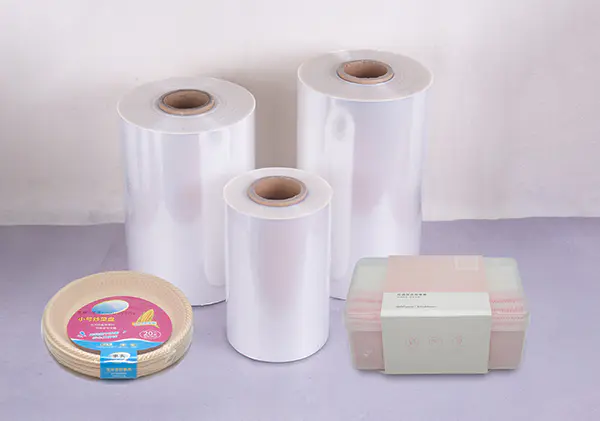
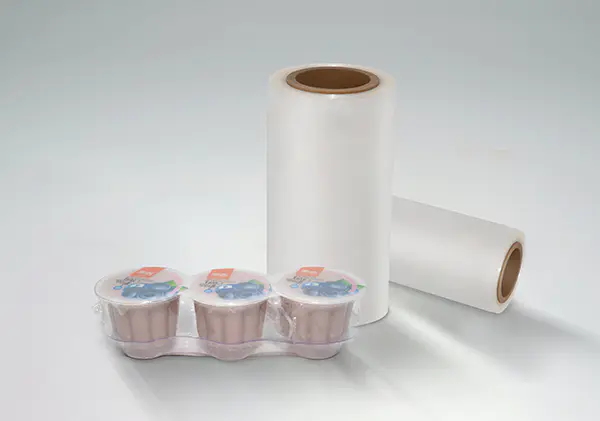
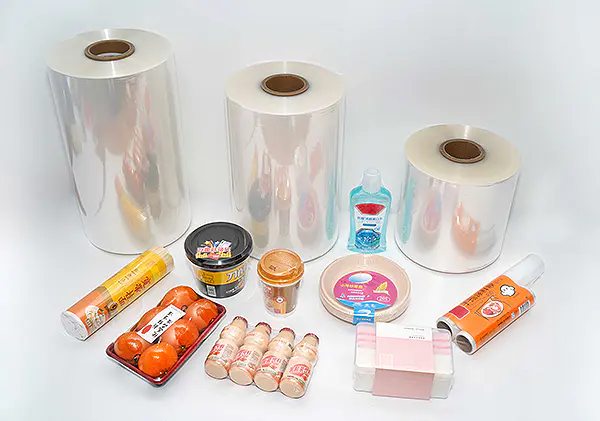
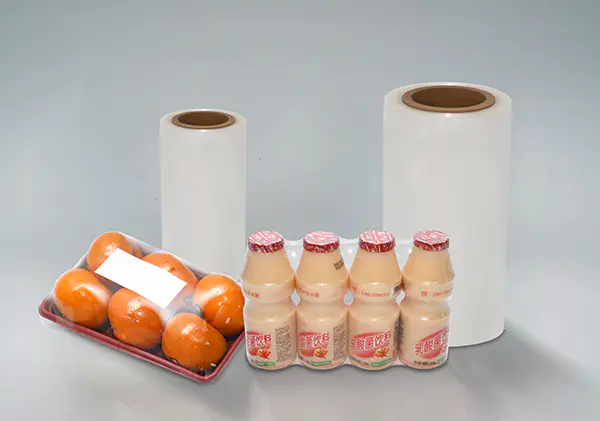
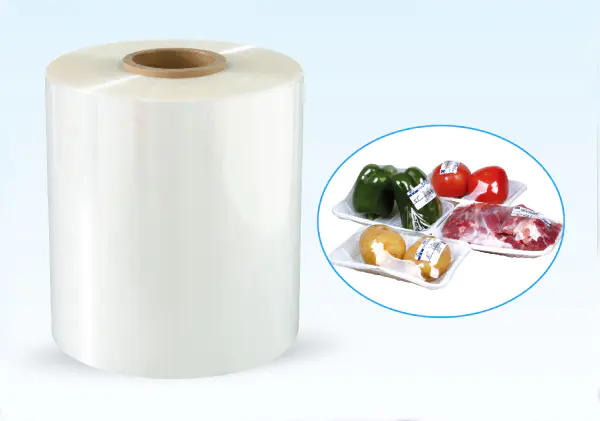
JT05 Antifog Crosslinked Shrink Film is an ideal o...
Copyright © Zhejiang Jiuteng Packaging Co., Ltd.
 简体中文
简体中文
 Home
Home
