
Packaging failures rarely announce themselves in advance. A film tears at the seal during transit. A sharp corner punctures the wrap before the product reaches the customer. A high-speed packaging line keeps stopping because the film breaks under tension. These are not random events — they are predictable outcomes when the packaging material is not matched to the demands placed on it. For companies running automated lines, shipping products with irregular shapes, or simply losing too much product to packaging damage, the material specification matters more than it usually gets credit for. Cross Linked Shrink Film addresses several of these failure modes directly, and understanding how it does so helps clarify whether an upgrade from standard film is worth the evaluation.
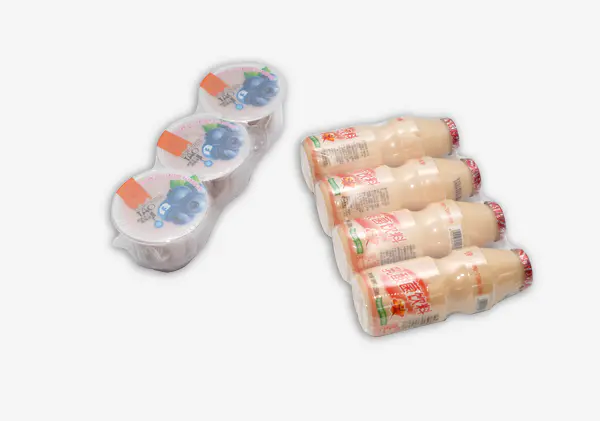
The term gets used in product descriptions without much explanation of what it means in physical terms. Cross linking is a process — typically achieved through irradiation — that creates chemical bonds between the polymer chains in the film structure. Instead of long, parallel molecular chains that can slide relative to each other under stress, the cross linked structure forms a three-dimensional network where chains are connected at multiple points.
That structural change produces several measurable effects:
None of these properties appear in a standard polyolefin film at the same level. The cross linking step is what changes the material from a functional packaging film into one with meaningfully higher mechanical performance.
Strength in packaging is not a single dimension. A film can be strong in tension but weak under puncture. It can resist tearing in one direction but fail in another. Cross Linked Pof Shrink Film improves across several of these axes simultaneously, which is what makes it relevant for demanding packaging applications.
Tensile strength — the resistance to being pulled apart — increases with cross linking because the molecular network holds together under stretching loads that would cause a standard film to thin and eventually break. On a high-speed packaging line, film travels under tension continuously. Standard films can develop neck-down zones where repeated stress accumulates, eventually causing breaks. Cross Linked Film handles sustained tension more evenly.
Puncture resistance is particularly relevant for products with sharp edges, corners, or protrusions — hardware items, electronics with exposed connectors, packaged tools, and similar products. The cross linked structure resists point loading more effectively, meaning the film wraps around sharp contact points without failing.
Seal strength also improves. The heat seal in a shrink-wrapped package is a potential weak point — it is where two layers of film are fused together and where the package is likely to open during handling or transit. Cross Linked Film produces stronger seals because the material's thermal properties allow more consistent bonding during the sealing process.
Shrinkage in packaging film happens because the material was stretched during manufacture. When heat is applied, the polymer chains relax back toward their original configuration, pulling the film tightly around the product. The quality of that shrink process — how evenly it occurs, how much force it generates, how cleanly the film conforms to the product shape — determines the final appearance and integrity of the package.
Standard POF films have a relatively narrow shrink temperature window. Too cool, and the film does not shrink fully, leaving loose areas. Too hot, and the film over-shrinks, creating distortion or holes. Cross Linked Polyolefin Shrink Film has a wider shrink temperature range, which gives the packaging line more working latitude.
The practical benefits:
For operations running mixed product lines through a single shrink tunnel, the wider processing window reduces the need to adjust tunnel settings constantly between product types.
This is where the performance difference between standard and Cross Linked Film shows up clearly in production metrics. High-speed automatic lines stress packaging films in ways that manual or semi-automatic operations do not.
Film is fed continuously from a roll, formed around products, sealed, cut, and passed through a shrink tunnel — all at line speeds that can cycle through many packages per minute. At those speeds, any tendency for the film to break, jam, or seal inconsistently creates stoppages that affect the entire production run.
Cross Linked Film performs more consistently in this environment for several reasons:
Fewer stoppages mean higher line efficiency. The downtime cost of repeated film breaks or seal failures on a fast-running line is real and accumulates quickly across a shift.
The applications for Cross Linked Pof Shrink Film cluster around products where packaging integrity under physical stress is a genuine concern — not just a nice-to-have specification upgrade.
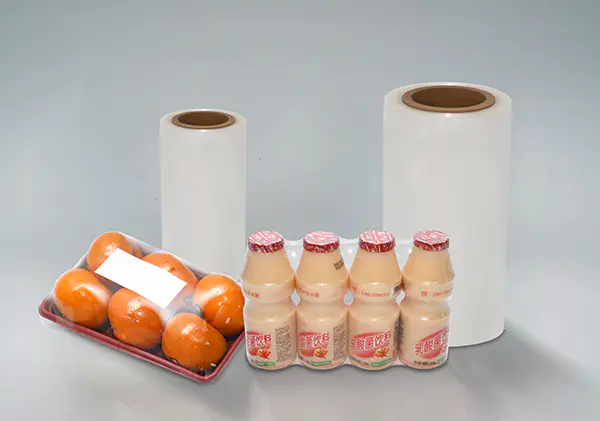
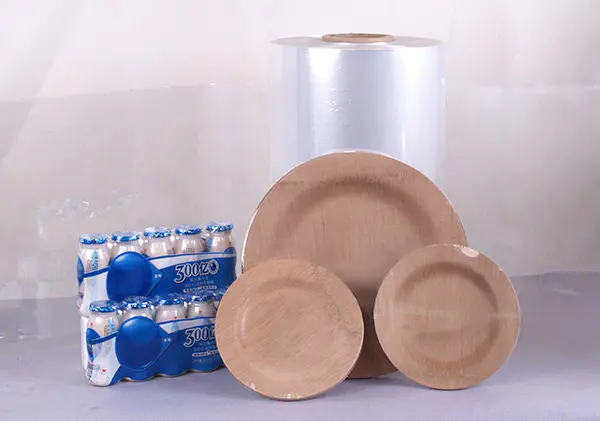
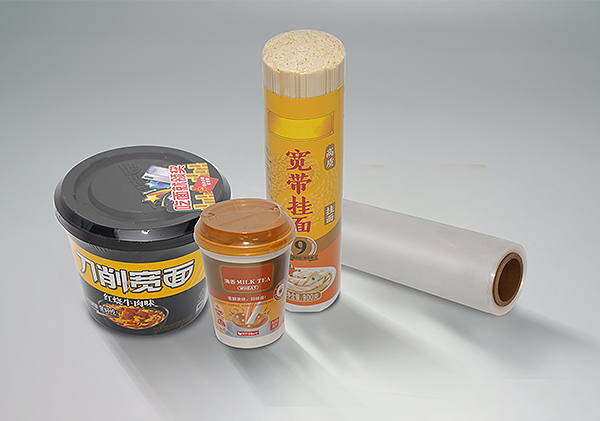
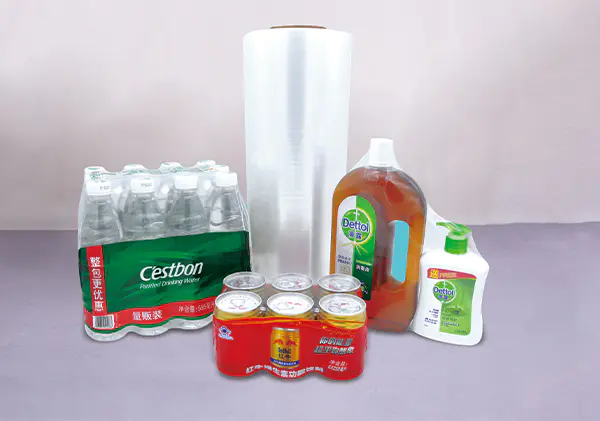
Food and beverage operations use it for multipack bundles where the film holds multiple units together through warehouse handling, transport, and retail display. The puncture resistance matters when the package is placed on rough pallets or handled mechanically. The shrink uniformity produces retail-ready presentation.
Electronics and hardware packaging involves products with irregular shapes, exposed metal edges, and components that can damage packaging from the inside. Cross Linked Film's puncture resistance reduces in-transit damage without requiring additional outer packaging that adds cost and waste.
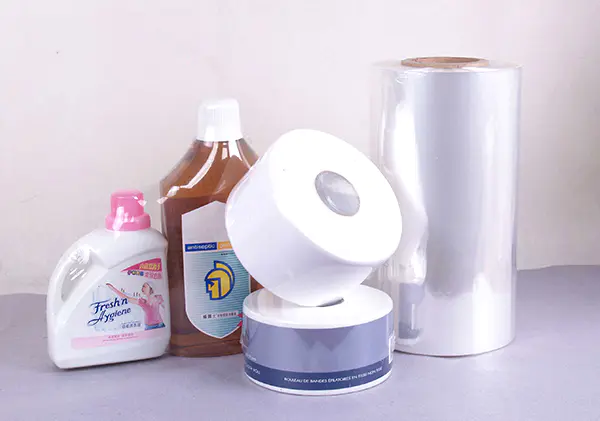
Personal care and cosmetics brands use it for gift sets and multipacks where appearance matters. The tighter, more uniform shrink that Cross Linked Film produces creates a cleaner, more premium-looking finished package — a detail that affects retail shelf perception.
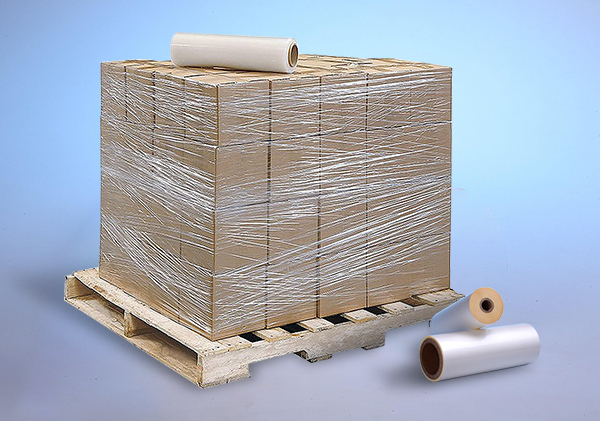
Industrial and automotive parts packaging deals with heavy items, sharp edges, and rough handling throughout the supply chain. Here, the combination of higher tear resistance and stronger seals reduces the packaging failures that result in product damage claims.
The differences between standard and Cross Linked Polyolefin Shrink Film across the factors that matter in production and packaging decisions:
| Performance Factor | Standard POF Shrink Film | Cross Linked Pof Shrink Film |
|---|---|---|
| Tensile strength | Standard for general use | Higher — handles tension loads more effectively |
| Puncture resistance | Adequate for smooth products | Stronger — suits sharp-edged or irregular items |
| Tear resistance | Can propagate quickly | Slower tear propagation through cross linked structure |
| Seal strength | Standard | Higher — more consistent fusion during sealing |
| Shrink temperature window | Narrower | Wider — more processing flexibility |
| Shrink uniformity | Adequate | More even across the package surface |
| High-speed line performance | Acceptable at moderate speeds | More consistent at higher line speeds |
| Film breaks in production | Higher incidence under stress | Reduced — more resistant to tension and mechanical stress |
| Storage stability | Standard | Better thermal stability over time |
| Typical application | General packaging, lower stress | Heavy-duty, high-speed, or appearance-critical applications |
The comparison shows a clear pattern: Cross Linked Film adds value where packaging encounters mechanical stress — either in production or downstream in the supply chain.
The unit price of Cross Linked Film is higher than standard POF. That is a straightforward fact. Whether the total packaging cost goes up or down after switching depends on what is happening with the packaging operation currently.
If the operation is already running smoothly with low film breakage, few rejects, and no product damage complaints, the upgrade may add cost without returning proportional benefit. The material is more capable than the application requires.
If the operation shows any of these patterns, the calculation looks different:
In these situations, the cost of the packaging failures — in wasted film, operator time, product damage, and customer dissatisfaction — often exceeds the price difference between standard and Cross Linked Film. Calculating the true cost of current failure modes, rather than just comparing film price per roll, gives a more accurate picture of whether the upgrade pays for itself.
Not all Cross Linked Film is produced to the same standard. The degree of cross linking, the base resin quality, and the consistency of the irradiation process all affect how the film performs in production.
Key factors worth verifying during supplier evaluation:
A Cross Linked Film that performs well on initial evaluation but varies between production batches creates the same kind of line instability it was supposed to eliminate.
Film selection shapes packaging outcomes more directly than many operations recognize until something goes wrong. The strength properties, shrink behavior, and seal integrity of the film determine how packages survive production, transit, and handling — and how they look when they reach the end customer. Cross Linked Shrink Film improves these dimensions through a structural change in the polymer that standard film does not have, and the performance difference is visible in applications where packaging stress is real rather than theoretical. For packaging engineers and procurement teams considering whether the upgrade makes sense for their operation, the evaluation is straightforward: map the current failure modes against the properties that cross linking specifically improves, and the answer becomes clear. Zhejiang Jiuteng Packaging Co., Ltd. supplies Cross Linked Pof Shrink Film and Cross Linked Polyolefin Shrink Film for packaging operations across a range of industries, with the product knowledge and consistency controls that demanding production environments require. If your current film specification is creating packaging problems that better material could solve, reaching out with your application details is the practical next step.
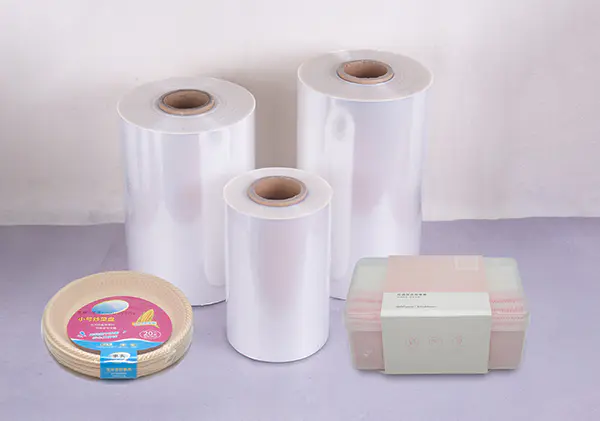
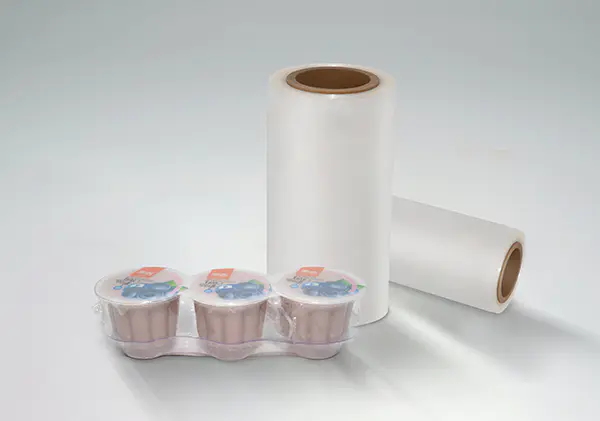
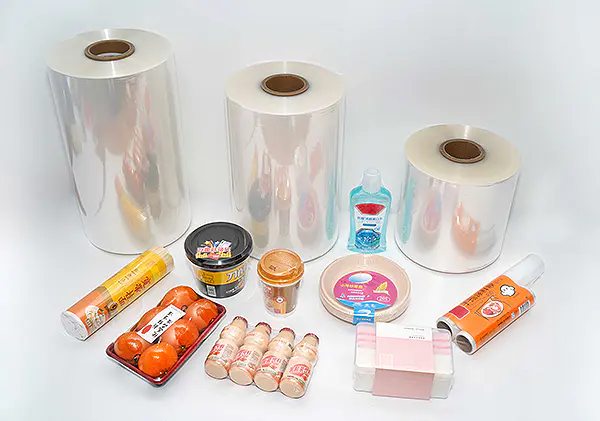
JT05 Antifog Crosslinked Shrink Film is an ideal o...
Copyright © Zhejiang Jiuteng Packaging Co., Ltd.
 简体中文
简体中文
 Home
Home
