
Packaging often faces real pressure once products leave the line and head into the world. Items with sharp corners, heavy loads, or irregular shapes can push against the film during stacking, transit, or even simple conveyor movement. Many operations turn to crosslinked shrink film because it holds together under those conditions where standard films sometimes give way. The material forms a tight wrap after heat application, but its real edge comes from the way it resists both punctures and tears in everyday handling.
Crosslinked shrink film starts with familiar polyolefin resins, yet a dedicated step during production changes how the molecules behave. That change creates a tougher structure that spreads force across a wider area instead of letting it concentrate in one spot. The result shows up in fewer holes from pointed edges and fewer rips when tension pulls unevenly. For packers dealing with hardware, bundled goods, food trays, or electronics components, the film keeps its integrity from the sealing station all the way to the customer's hands.
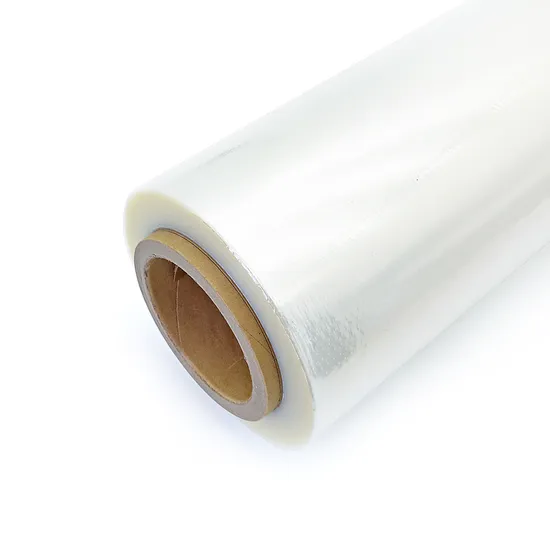
At its core, crosslinked shrink film belongs to the polyolefin family, built mainly from polyethylene and polypropylene resins. What sets it apart is the extra processing step that connects the long polymer chains into a network. Before crosslinking, those chains sit loosely alongside one another and can slide past each other under stress. After the treatment, covalent bonds form between neighboring chains, turning the material into something closer to a three-dimensional web.
This web stays flexible enough for wrapping and shrinking, yet it gains noticeable strength in directions that matter for packaging. The film still responds to heat by contracting evenly around products or bundles, but the linked structure keeps it from thinning out or failing at weak points. In practice, operators notice it works well on both manual sealers and automated lines, adapting to a range of product sizes without needing constant adjustments.
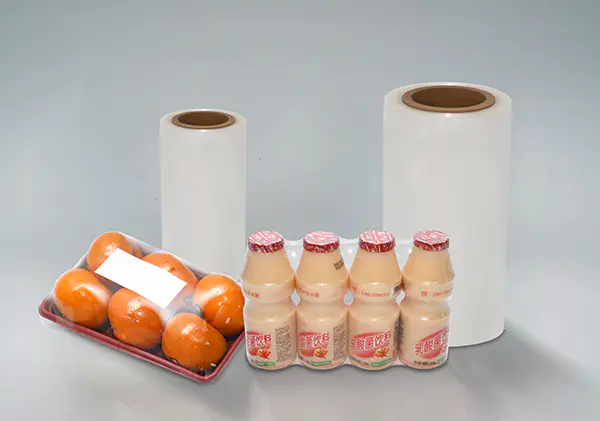
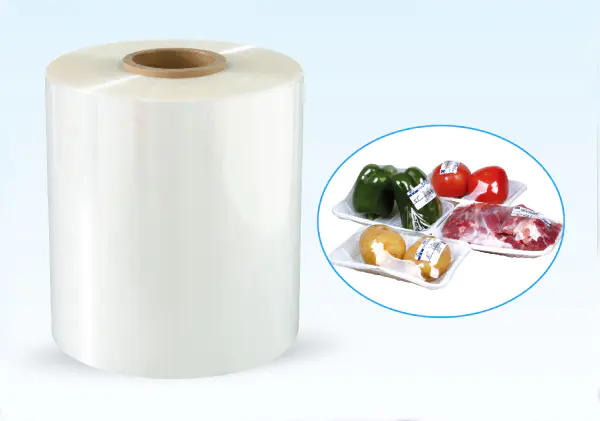
The transparent quality remains after shrinking, so contents stay visible for quick checks or retail display. That combination of clarity and durability makes the film a practical choice across different packaging setups, especially when the contents include anything with edges that might poke or surfaces that shift during movement.
Production begins with standard extrusion, where the resin melts and forms a flat or tubular film. Once cooled, the material moves through a controlled energy process—typically involving targeted radiation—that triggers the linking of chains without altering the base chemistry too much. The bonds form at the molecular level, creating that networked structure mentioned earlier.
Because the links distribute load more evenly, the film no longer relies solely on individual chain strength. Instead, stress from a sharp point or sudden pull travels across the network, so the material absorbs energy rather than breaking at the first point of contact. This step also improves performance during the actual shrinking phase, where heat and tension meet. The film maintains its thickness and shape better around odd contours, reducing the chance of blowouts or weak spots that sometimes appear in non-linked versions.
Packers who run high-volume lines often mention that the treated film runs cleaner on sealing equipment too, with less buildup over time. The process keeps the film responsive to heat while adding that extra layer of resilience that shows up when packages face real-world bumps.
Punctures usually start when something sharp presses against the film with enough localized force to push through. In regular films, the chains can slide away from the pressure, letting the point create a small hole that then grows under any additional movement. The crosslinked version changes that dynamic completely.
The bonded network acts like a safety net. When a corner or edge makes contact, the surrounding links pull together and share the load instead of letting one section bear everything. Energy that would otherwise punch straight through gets redirected across a broader area, so the film dents slightly but holds without breaking. This spreading effect proves especially useful for items like tools, metal parts, or multipacks where contents might shift and press outward during transport.
In daily operations, the difference appears when packages travel through sorting systems or sit stacked in trucks. The film keeps its surface intact even when vibration or compression tries to create entry points. For sellers moving fragile or high-value goods, that puncture resistance means fewer damaged arrivals and less time spent on returns or rework.
Tears follow a different path. They often begin at a small nick or edge stress and then propagate as chains unzip along the line of force. Without crosslinking, the material stretches in one direction until it thins and separates. The networked structure raises the bar for both initiation and growth.
Because chains can no longer slip freely, more energy is required to break the bonds that hold the web together. A tear that starts at one spot meets resistance from the linked neighbors, so it tends to stop or slow rather than race across the film. This property shines during pallet wrapping or when bundles get jostled in transit—the film absorbs the tug without letting the rip continue.
Operations handling heavier or bulkier loads notice the film stays intact even when tension spikes occur during sealing or shrinking. The same network that fights punctures also limits tear propagation, giving packers a wider safety margin when products have rough surfaces or when the wrap must conform tightly over multiple items.
Crosslinked shrink film brings several practical gains that show up consistently in fulfillment and distribution. Its ability to maintain strength while shrinking closely means less filler is needed inside outer cartons, which can help keep overall package sizes reasonable. The tight fit also reduces internal movement, so products arrive looking closer to their original condition.
Visual appeal plays a role too. The film develops a smooth, even surface after shrinking that highlights the contents without distortion. For retail-ready bundles or direct-to-consumer orders, that clean presentation reinforces the idea that the seller paid attention to protection details.
Equipment compatibility adds another layer of convenience. Many lines already set up for polyolefin films find the crosslinked version integrates without major changes, maintaining speed during peak periods. The material's stability under heat also supports consistent results across different operators or machine settings, cutting down on variability in daily output.
Storage remains straightforward as well. Rolls occupy a similar footprint to other shrink films, yet they deliver more reliable performance when pulled into use. Teams managing mixed inventories often settle on this film type because it handles a range of shapes and weights without requiring separate supplies for different categories.
| Characteristic | What It Means in Practice | Contribution to Puncture and Tear Resistance |
|---|---|---|
| Networked Molecular Structure | Chains linked into a three-dimensional web | Spreads force instead of allowing local failure |
| Even Stress Distribution | Load travels across bonds rather than one area | Reduces chance of puncture from sharp contact |
| Higher Energy Threshold | More force needed to break links | Makes tears harder to start or continue |
| Maintained Thickness Under Tension | Film resists thinning during shrink or pull | Keeps barrier intact against repeated stress |
| Improved Hot Strength | Holds shape during heating and conforming | Prevents blowouts or weak spots on irregular items |
| Balanced Flexibility | Stays pliable yet reinforced | Adapts to bundles while resisting edge damage |
Reliable results begin with basic preparation. Choose film widths that allow proper overlap for sealing, then center the product or bundle so the material covers evenly on all sides. Seal edges cleanly before applying heat, moving the source steadily to achieve uniform contraction.
Even heating prevents localized weak areas that could invite punctures later. Small perforations in strategic spots release air during shrinking, avoiding bubbles that might thin the film. After cooling, a quick visual and gentle handling check confirms the wrap sits tight without loose sections.
Keep rolls and finished packages in moderate conditions away from direct heat sources or extreme swings. Teams that review setups for recurring product types build repeatable processes that maintain protection levels even as volumes increase. Over time, these habits turn the film's natural strengths into dependable outcomes across shifts.
Faster fulfillment cycles and more complex product shapes put steady pressure on materials to perform without slowing the line. Crosslinked shrink film fits those requirements by delivering quick shrink times and reliable strength in one package. Its ability to conform tightly while resisting damage supports the move toward efficient, damage-reduced shipping.
Many operations also weigh how materials align with recycling programs in their regions. Polyolefin-based films generally fit into existing streams, giving businesses a way to meet customer expectations around responsible packaging. Continued refinements in the crosslinking approach aim to preserve the core protective traits while supporting broader efficiency goals.
The film works smoothly with labels and tracking elements too. Information stays readable through the clear layer, so carriers handle packages without extra steps or visibility issues.
Crosslinked shrink film has carved out a steady role in many packaging routines by quietly addressing the punctures and tears that disrupt shipments. Through its networked structure, it distributes stress, raises the bar for damage, and keeps products secure from the packing station to the final destination. That combination supports smoother operations and fewer interruptions for both sellers and buyers.
For operations seeking a consistent supply of crosslinked shrink film suited to packaging demands, JTPackage serves as a manufacturing partner that maintains focus on steady performance and practical durability. The factory emphasizes production standards that deliver reliable resistance to punctures and tears across different film configurations and volumes.
JTPackage offers material choices that scale with order sizes and product varieties, allowing teams to keep protection levels consistent while expanding their reach. This approach gives businesses one less variable to manage, so they can direct more attention toward efficient fulfillment and positive delivery experiences.
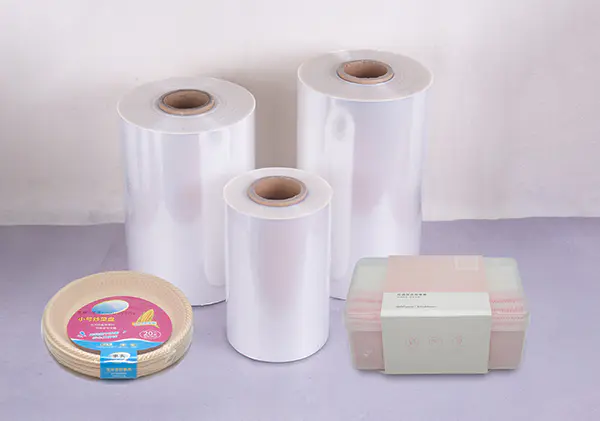
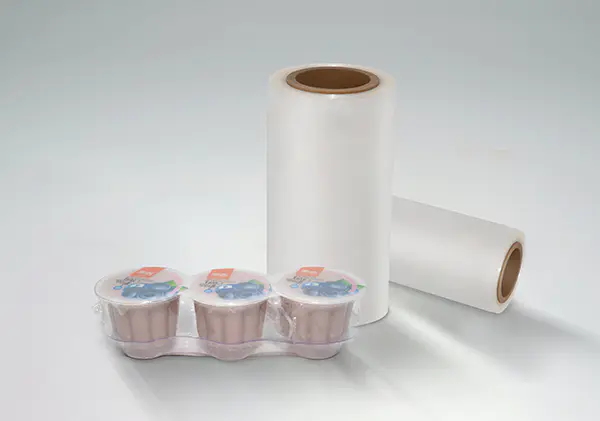
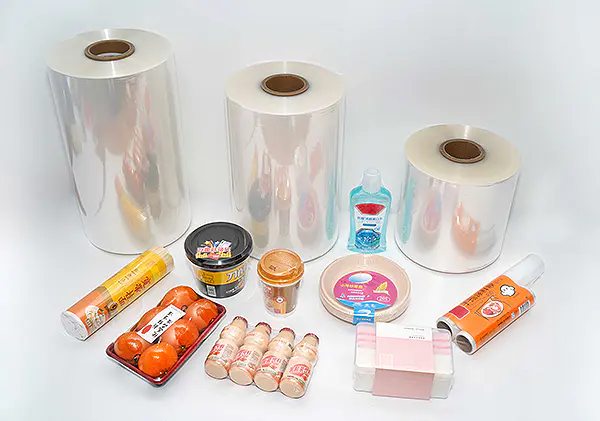
JT05 Antifog Crosslinked Shrink Film is an ideal o...
Copyright © Zhejiang Jiuteng Packaging Co., Ltd.
 简体中文
简体中文
 Home
Home
