
A box that shows up at a warehouse with torn wrapping tends to raise questions before anyone even opens it. Products sliding around inside loose packaging pick up scratches, dented corners, or a beat-up look well before they land on a shelf. Plenty of manufacturers have poured effort into a solid product only to watch the packaging undercut all that work. Cross Linked Polyolefin Shrink Film gets picked for jobs like this because it wraps a product tightly enough to hold its shape through handling, shipping, and everything in between.
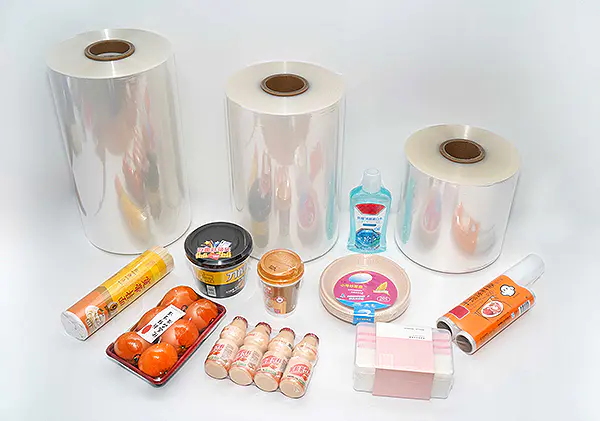
Packaging does more than shield a product from dust and scuffs. It shapes how something moves through a warehouse, sits in storage, and looks the moment it hits a retail shelf. When the wrapping material holds up consistently, fewer things go wrong further down the line, and production teams spend less time dealing with damaged returns or repackaging jobs. Knowing how this particular film behaves helps buyers figure out whether it fits their own production setup before committing to it.
Packaging often gets treated as an afterthought, something tacked on at the end of a production run. In reality, it keeps working long after the product leaves the factory floor, through a warehouse stop, a truck ride, a stint on a retail shelf, and finally into someone's hands at checkout.
Film that wrinkles the moment it's handled, tears without warning, or never quite hugs the product shape creates extra work nobody planned for. Even a perfectly good product can look shoddy if the wrapping around it doesn't hold together.
A handful of packaging problems tend to show up across different industries:
| Packaging Challenge | Possible Effect |
|---|---|
| Loose wrapping | Product shifts around during handling |
| Damaged film | Package looks worn or messy |
| Uneven shrink results | Presentation varies from unit to unit |
| Difficult handling | Slows down the packaging line |
The film sits right between production and delivery. Getting that piece right saves a lot of trouble once the product is out of anyone's direct control.
This film wraps around a product, then heat pulls it tight until it forms a close-fitting layer over the surface. As it contracts, the packaging ends up snug against whatever shape it's covering rather than sitting loose and shifting around.
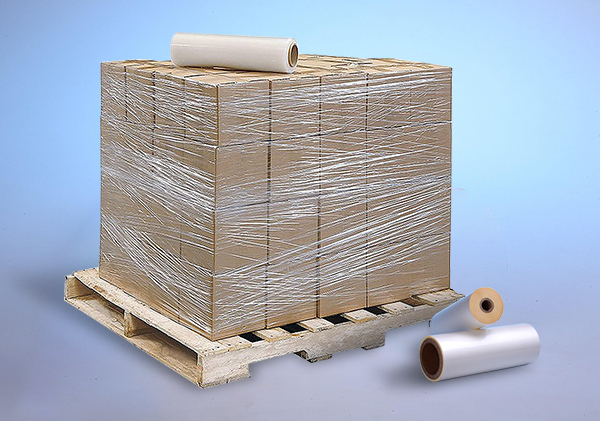
Compared to a plastic bag or loose wrap tossed around a box, shrink packaging follows the product's actual contours. That makes a stack of packages easier to move, load onto a pallet, or line up on a shelf without gaps or awkward angles.
The process itself breaks down into a few steps:
The steps sound simple enough, but the film quality behind them decides whether that tight, clean wrap holds up through a bumpy truck ride or starts loosening halfway through a supply chain.
Not every shrink film behaves the same way once heat hits it. Some stretch unevenly, some shrink too aggressively in one spot, and some just don't hold their shape once they're stacked and jostled around a warehouse.
The internal structure of a cross linked film gives it a way to handle stretching and shrinking without tearing or thinning out in weak spots. That matters once a package gets stacked on a pallet, bumped during loading, or left sitting in a warm truck for a few hours.
A well-built film structure tends to bring a few practical advantages:
Manufacturers rarely judge a film on one single trait. They tend to look at how it performs across the full stretch of handling, from the packaging line to the loading dock.
Anyone walking down a store aisle sees the package before they ever notice what's inside it. A tight, evenly wrapped product looks intentional and cared for, while a loose or wrinkled wrap can make a perfectly fine product look like it got tossed around on the way there.
This matters even more on a crowded shelf where dozens of similar products sit side by side. A film that wraps evenly keeps labels and printed details visible instead of bunching up over the parts customers actually want to read.
A few pieces of packaging appearance come down to how the film behaves:
| Packaging Element | How Film Supports It |
|---|---|
| Product visibility | Keeps the item clearly visible through the wrap |
| Surface appearance | Cuts down on wrinkles once the film shrinks |
| Shelf presentation | Gives the package a clean, tidy shape |
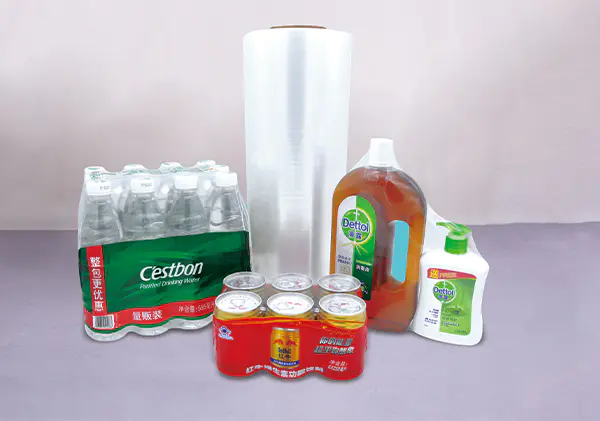
| Product grouping | Holds several items together without shifting |
Appearance is one aspect of packaging, yet it is often the element shoppers notice before deciding whether to pick up a product.
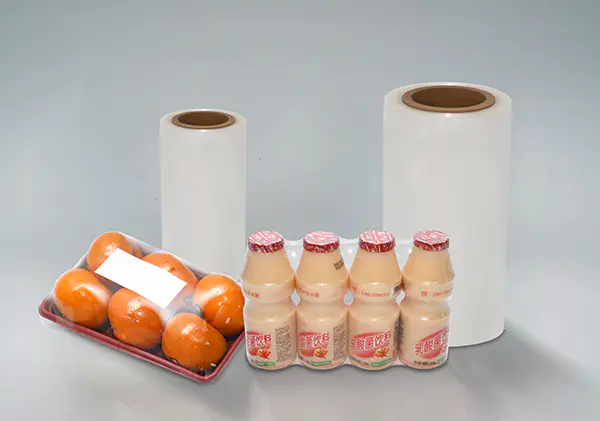
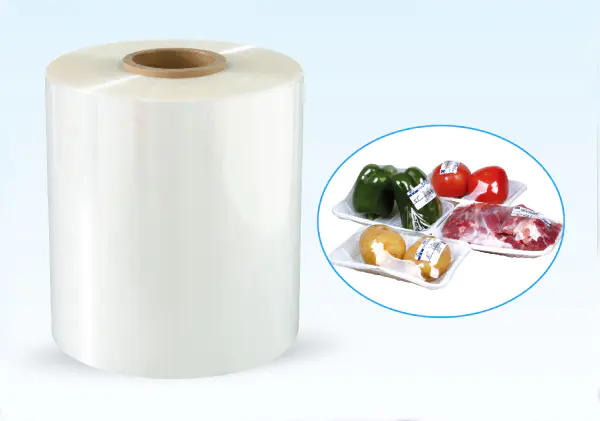
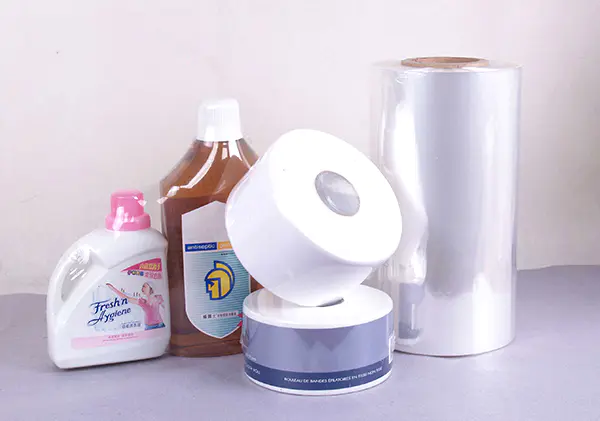
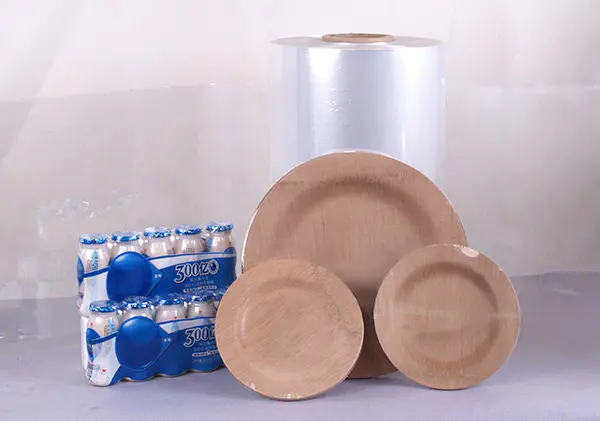
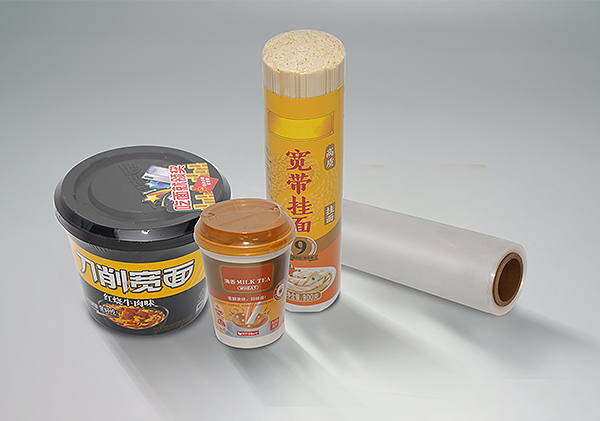
Manufacturers reach for this film across a wide range of products, partly because it adapts to so many different shapes and packaging goals.
Common applications include:
Every one of these categories comes with its own packaging demands. A stack of notebooks might need a snug individual wrap, while a set of hardware pieces might work better grouped together under one film layer.
Since product shapes and sizes vary so much, manufacturers usually spend more time checking how the film fits their existing line rather than judging the material on its own.
Packaging efficiency isn't only about how fast a machine runs. It also depends on how easy the material is to work with throughout the whole process.
When operators aren't constantly stopping to adjust film tension, swap out a damaged roll, or fix a bad shrink job, the whole line runs with fewer interruptions.
A few things tend to keep production moving smoothly:
That efficiency doesn't stop at the packaging line either. Packages that stay stable through storage and shipping mean less repackaging or damage control once they're already out the door.
Picking the right film starts with understanding the products going through it, not just reading a spec sheet for the material itself.
A few questions tend to narrow things down fast:
Different businesses land on different answers here depending on what they're shipping and how far it's traveling.
Storage and handling conditions matter just as much. A warehouse that runs warm, or a delivery route with rough roads, changes what a film needs to hold up against once it leaves the production line.
Instead of choosing a film based on a general product description, many buyers compare several options to determine which one suits their specific packaging requirements.
Even a well-made film can underperform if it's stored or handled carelessly before it ever reaches the production line. Dust, physical dents in the roll, or damp storage conditions all chip away at how well the film performs once it's actually used.
Keeping film clean and protected before production starts makes a real difference once it's finally run through the equipment.
A few habits tend to keep things consistent:
| Handling Practice | Purpose |
|---|---|
| Store film in a clean environment | Keeps the material in good condition |
| Protect rolls from unnecessary damage | Supports a smoother packaging run |
| Inspect film before production | Catches visible problems early |
| Handle rolls carefully | Avoids accidental scuffs or dents |
None of these habits take much time, but skipping them tends to show up later as inconsistent shrink results or unexpected tears mid-run.
Customers keep expecting more from packaging than they used to. A product needs to arrive intact and still look presentable after a trip through a warehouse, a truck, and a retail shelf. Packaging has become part of how people judge a product before they've even touched it.
Cross Linked Polyolefin Shrink Film fits into that shift by giving manufacturers a way to protect a product while keeping the outside looking organized rather than sloppy. It makes handling easier, keeps packages stable during transit, and fits into a wide range of production setups without demanding a complete overhaul of existing equipment.
As packaging keeps evolving, buyers are paying closer attention to how a material performs across the whole journey rather than judging it only by how the final package looks fresh off the line. Weighing product type, shipping distance, existing equipment, storage conditions, and everyday handling together gives a clearer picture of whether a film actually fits long-term needs. Careful material choices, paired with proper storage and consistent handling on the floor, keep packaging operations running smoothly while the product itself stays protected and presentable all the way to the shelf.
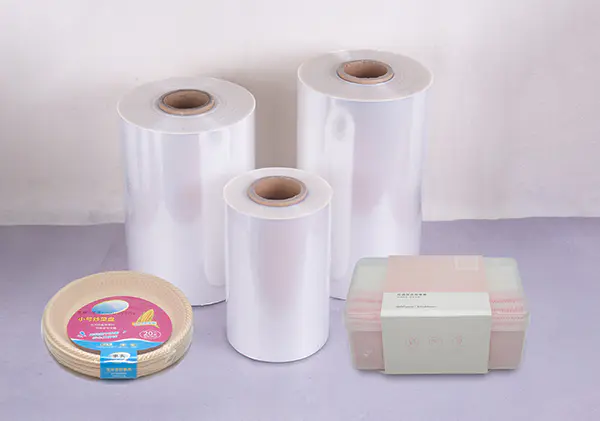
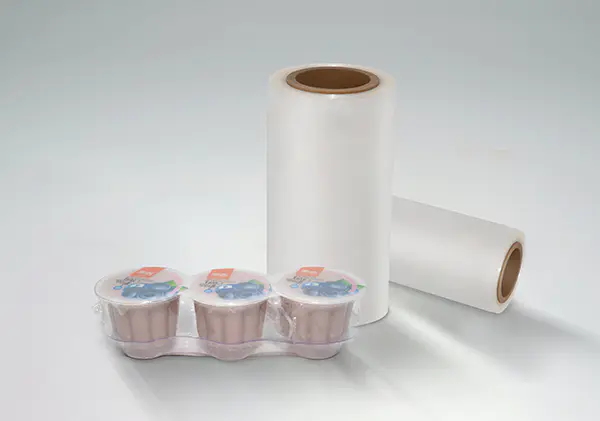
JT05 Antifog Crosslinked Shrink Film is an ideal o...
Copyright © Zhejiang Jiuteng Packaging Co., Ltd.
 简体中文
简体中文
 Home
Home
