
A packaging film can look smooth and flexible sitting on a roll, while facing a very different environment once it actually gets put to work. Once the film is wrapped around a product, it may come into contact with corners, edges, rough surfaces, stacked packages, or objects that press against it during handling, much like a phone case takes a beating from keys and coins in a pocket.
Puncture resistance describes how well a film can withstand a concentrated force without developing a hole or tear at that spot. It's genuinely different from general film strength because the force may get applied to a very small area, rather than spread across the whole surface evenly.
For Plastic Packaging Films, this distinction matters across many applications a packaging team encounters. A film may need to remain intact while products are packed, moved, stored, grouped, or displayed, and its ability to handle these situations depends on the relationship between material structure, film thickness, package shape, and mechanical stress.
The material itself has a genuinely direct effect on how a packaging film responds when a sharp or concentrated force reaches its surface. Some films can stretch around an object before the material begins to break, while others may resist movement and then split once the applied force becomes concentrated in one spot.
This behavior depends on how the film responds to pulling, bending, and local pressure all at once. A flexible film can sometimes distribute force across a wider area, while a less flexible material may keep the stress concentrated near the point of contact instead.
Material strength should therefore get considered together with flexibility, rather than treated as a separate feature standing alone. A packaging film needs to handle the type of movement and contact expected in its intended application on the floor.
| Material Characteristic | Possible Effect on Puncture Behavior |
|---|---|
| Flexibility | Allows the film to move around contact points |
| Strength | Helps resist tearing after local damage begins |
| Stretch behavior | Can distribute force around an object |
| Surface condition | Influences contact with other materials |
| Material consistency | Supports more predictable film behavior |
The balance between these characteristics can affect how the film behaves when a package gets squeezed, dragged, stacked, or placed against another object. This is exactly why a film should get evaluated according to its actual packaging environment, rather than through one material characteristic alone pulled from a data sheet.
Film thickness can influence how much material sits available between an external object and the packaged product underneath. A thicker film may provide more physical material around the package, while a thinner film may respond more easily to bending and stretching under pressure.
Thickness doesn't determine puncture resistance entirely by itself, worth keeping in mind. The material structure, flexibility, production consistency, and package shape also influence how the film handles concentrated forces reaching its surface.
A thicker film can still experience damage if a sharp corner presses against it repeatedly over time. Likewise, a thinner film may handle certain contact situations just fine when its material characteristics and packaging conditions line up well together.
The relationship can get viewed in a practical way worth thinking through.
| Film Thickness Consideration | Packaging Effect |
|---|---|
| Thinner film | Easier handling and lower material use in suitable applications |
| Moderate film structure | Balances flexibility and physical protection |
| Thicker film | Provides additional material around the package |
| Uneven thickness | May create differences in local film behavior |
The useful question isn't simply whether a film is thick or thin on a spec sheet. It's whether the film thickness works with the product shape, handling conditions, and level of mechanical contact expected during actual use.
Packaging edges can create genuinely concentrated contact points on a wrapped piece. Unlike a broad, flat surface, an edge can press against the film through a relatively small area, focusing all that force into a tight spot.
This becomes important once the film gets wrapped tightly around a product with sharp or raised features sticking out. During movement, the edge may push against the same section of film repeatedly, increasing the chance of local damage building up over time.
Corners can create a similar condition worth watching. A package may have a rigid corner that stays in contact with the film while the package is being moved or stacked somewhere.
The shape of the edge can therefore influence the stress placed on the surrounding film considerably.
| Package Feature | Potential Film Challenge |
|---|---|
| Sharp corner | Concentrated contact |
| Raised edge | Local pressure during handling |
| Rough surface | Repeated rubbing |
| Narrow projection | Small contact area |
| Broad flat surface | Force distributed over a wider area |
This is one reason packaging design and film selection should get considered together as a pair. A film that performs well around smooth surfaces may experience genuinely different demands once used around products with pronounced edges sticking out.
Product shape determines where the film actually touches the package and how the film moves once the product gets handled. A simple rectangular item may have predictable contact points, while a product with several projections can create more areas where pressure becomes concentrated.
A film stretched around an irregular shape may also experience quite different levels of tension across its surface. When an external force reaches an already stretched area, the film may have less freedom to move before the force becomes concentrated right there.
This doesn't mean irregular products always require a particular type of film chosen off the shelf. The relevant point is that product geometry should get considered when evaluating how a packaging film will actually behave once it's in service.
A package containing several small objects, for example, may have a genuinely different puncture risk from a package containing one smooth item. The spaces between grouped products can also create areas where the film gets pulled inward or pressed against uneven surfaces nearby.
Understanding these contact areas can help packaging teams identify where film damage is more likely to occur down the line.
Mechanical stress can begin well before a package ever reaches storage or transportation. Film gets pulled, folded, sealed, wrapped, and positioned around products throughout the packaging process itself.
Each movement can change the condition of the material in ways that add up. If the film gets pulled unevenly during wrapping, some areas may experience more tension than others right from the start.
When the film then encounters a corner or external object later, that existing tension can influence how the material actually responds to the new force. Mechanical stress may come from several parts of the process worth tracking.
Film movement during wrapping can create tension across the surface unevenly. Sealing can introduce local changes around the joined film sections nearby. Product movement can cause rubbing between the film and package repeatedly. Folding can create repeated contact around edges over time, and handling can press one section of film against another object during storage.
These forces may not leave visible damage when they occur. Repeated contact can gradually affect the condition of the film, making a small damaged area more likely to develop as use continues.
For this reason, puncture resistance should get considered throughout the packaging process, rather than only during the final inspection at the end.
A package may experience many small contact events after it leaves the packaging equipment behind. It can get moved by hand, placed on a surface, stacked with other packages, or transported with other goods along the way.
Each event can place stress on the film incrementally. A single contact may not create a visible problem right away, but repeated rubbing against the same edge can gradually weaken a local area over the course of a shipment.
The risk can become a lot more noticeable when the contact point is narrow or irregular in shape. Repeated contact is especially relevant when the film remains under tension from the wrapping process itself.
A stretched section may have less room to move once another object presses against it. This creates a genuine connection between puncture resistance and everyday package handling out in the field.
The film needs to respond not only to sudden forces but also to repeated small stresses that occur during entirely normal use.
Flexibility affects how a film moves once something presses against it during handling. A flexible material may bend or stretch around a contact point instead of immediately resisting the movement head-on.
This can help spread some of the applied force across a wider area rather than concentrating it. Flexibility, though, shouldn't get viewed as a replacement for material strength entirely.
A film that stretches easily may still become damaged if an object continues pressing against the same location repeatedly. The useful relationship here is between flexibility and resistance to tearing working together.
| Film Behavior | Possible Response to Contact |
|---|---|
| Flexible | May move around an object |
| Moderately firm | Can balance movement and support |
| Less flexible | May keep force concentrated |
| Highly stretched | May have less room for additional movement |
The appropriate balance depends on the packaging application at hand. A film used around soft products may face genuinely different mechanical demands from one wrapped around rigid items with defined corners sticking out.
Shrinkage can change the way film sits around a product once heat gets applied. When a shrink film contracts, it may become a lot more closely fitted to the package surface underneath it.
This closer fit can change the tension around corners, edges, and raised areas considerably. For Polyolefin Shrink, the final condition of the film is therefore related to a lot more than appearance alone.
The way the film settles around the product can influence how external forces get transferred through the package surface later. A tightly fitted area may respond quite differently from a loose section once an object presses against it.
A corner may also place a genuinely different type of stress on the film than a broad surface would. This is exactly why shrink behavior and puncture resistance shouldn't get considered as completely separate subjects sitting apart.
The final film condition depends on material behavior, package geometry, heating, and the way the film settles after the packaging process wraps up.
Shrink Film POF gets used in applications where the film needs to follow the shape of packaged products closely. Once the film has been positioned around an item and processed, the finished surface may experience contact from several directions at once.
The package may get placed beside other products or moved across a storage surface repeatedly. Edges and corners can create local pressure as the package gets handled throughout its journey.
The film's response depends on its material characteristics and the way it's been applied during processing. A suitable packaging process can help the film sit naturally around the product, instead of creating unnecessary tension in selected areas that get stressed later.
This can make the relationship between the film and the package a lot more predictable during normal handling out in the world. Cross-Linked Polyolefin Shrink Film may also get considered in applications where the packaging process requires a balance between film movement, finished fit, and physical handling together.
The important point is that puncture resistance should get evaluated within the complete application, rather than treated as an isolated material label printed on a roll.
Stretching changes how much room a film has to respond once an external object applies pressure against it. If the material is already under significant tension, a new force may create a genuinely different response from an area that remains relatively relaxed nearby.
This can get seen clearly around package corners. When film gets pulled tightly across a corner, the material may have limited space to move once the corner contacts another object during handling.
If the same corner gets repeatedly pressed during handling, the stress can remain concentrated in one location over time. The film's starting condition therefore matters quite a bit before anything else happens.
Packaging teams can consider how the film is positioned before heating or final wrapping, where tension gets created during that process, and whether certain sections are repeatedly pressed against the product afterward. This helps connect film handling with the final puncture behavior of the package once it's out in the field.
A sealed section can have a genuinely different structure from the surrounding film because several layers may meet in one location at once. The area may also be folded or positioned near an edge, adding another variable.
During handling, this can create a local change in how the film responds to pulling or pressure applied nearby. A seal that sits across a broad surface may experience quite different forces from one located close to a corner.
The surrounding film can also affect how stress reaches the sealed area during use. This does not mean that every seal automatically becomes a weak point, which is worth keeping in mind.
The actual behavior depends on the film, sealing process, package shape, and conditions during use altogether. A useful inspection should therefore look at the seal together with nearby film, rather than examining the seal in isolation from its surroundings.
The surface of the packaged product can create another genuine source of mechanical stress worth watching. Smooth surfaces tend to provide broad contact spread evenly across an area.
Rough surfaces, raised sections, and small projections can create more concentrated points of contact instead. When the package moves around during handling, these areas may rub against the film repeatedly.
Repeated rubbing can gradually change the film surface and may create a path for further damage if the contact continues unchecked over time. Packaging teams can examine the product surface before selecting film for applications where mechanical handling is common on the floor.
The goal is understanding where the film will actually touch the product and how that contact may change as the package moves through its journey. This proves especially relevant for Polyolefin Films, which can get used across packaging applications with very different product shapes.
A packaging film needs to behave in a reasonably consistent way across its entire surface. Differences in material condition or thickness can affect how different sections respond once they encounter mechanical stress somewhere along the line.
If one area stretches differently from another, the distribution of force around the package may also change as a result. This can become genuinely noticeable when a package has several edges or contact points scattered around it.
One section may remain intact while another experiences damage under similar handling conditions elsewhere on the same piece. Consistent film structure supports a lot more predictable packaging behavior overall.
For buyers, this means film evaluation can include more than appearance alone. Handling, wrapping behavior, surface condition, and the way the film responds to contact are all genuinely relevant considerations worth checking.
Film comparisons often focus on material names, thickness, flexibility, or intended use printed on a spec sheet. These characteristics prove useful, but they need connecting with the actual packaging application at hand.
The phrase POF vs PVC Shrink Film may appear when buyers compare different shrink film options side by side. A useful comparison should consider how each material interacts with product shape, package edges, wrapping conditions, and mechanical stress together.
The same principle applies when evaluating Plastic Packaging Films more broadly across a catalog. A film designed for one packaging situation may face very different demands in another entirely.
Product weight, surface shape, edge condition, handling method, and storage arrangement can all change the type of force applied to the film over its lifecycle. The choice should therefore get based on how the complete package is expected to behave once it leaves the facility.
A practical evaluation can begin with the product itself, rather than the film specification alone printed on paper. Buyers can examine the shape of the item, the condition of its edges, the way packages get handled, and the types of contact likely to occur during storage and transportation.
Several questions can help guide this review process. Material deserves a look, asking whether the film suits the expected handling conditions it'll face. Thickness matters too, checking whether the amount of film is appropriate for the application at hand.
Product shape needs consideration, asking whether there are corners or projections that may concentrate force in one spot. Film tension is worth checking, seeing whether the wrapping process will place stress on certain areas unevenly.
Handling deserves attention as well, considering whether packages will experience repeated contact throughout their journey. Surface contact matters too, checking whether rough or raised areas could rub against the film repeatedly. Finished fit rounds out the review, confirming whether the film sits appropriately around the product once everything settles.
This approach helps connect material selection with real packaging conditions on the ground. It also avoids treating puncture resistance as a single feature that can get judged without considering the product underneath it.
Polyolefin Films can get used across a wide range of packaging situations, but the demands placed on the material can vary quite a bit from one job to the next. A package with smooth surfaces may create broad contact spread evenly, while a package with several corners can create more concentrated forces instead.
A product that remains stationary after wrapping may experience less mechanical stress than one that gets repeatedly moved around a warehouse. The film thickness, material behavior, flexibility, and final fit all interact with these conditions together as one system.
For applications involving Polyolefin Shrink, it proves useful to consider how the film behaves before, during, and after wrapping throughout the whole process. The final package should get evaluated as a complete structure where the film, product shape, edges, and handling conditions work together as connected parts.
This perspective also helps explain why puncture resistance can't get separated from packaging design entirely. A film may have suitable physical characteristics on paper, but the way it's wrapped around a product can still change where stress develops and how the film responds to contact once it's actually put to use.
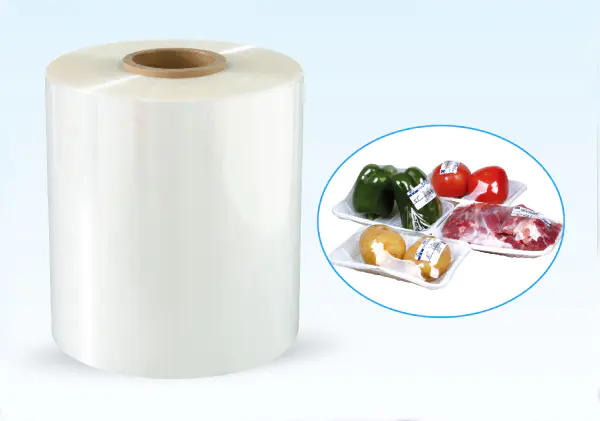
JT05 Antifog Crosslinked Shrink Film is an ideal o...
Copyright © Zhejiang Jiuteng Packaging Co., Ltd.
 简体中文
简体中文
 Home
Home
