
Warehouses and logistics are all about keeping things moving without things getting damaged or lost along the way. One material that shows up a lot in those operations is polyolefin shrink film. It's a tough, flexible plastic sheet that tightens up nicely when you hit it with heat, wrapping boxes, bundles, or whole pallets so nothing shifts during forklift rides or truck hauls. Teams like it because the film is clear enough to read labels through, strong enough to take some abuse, and light enough that it doesn't push shipping costs way up. This article walks through what the film really is, how warehouses actually use it day to day, where it fits in logistics, the practical upsides, and a few no-nonsense tips for getting it right on the floor.
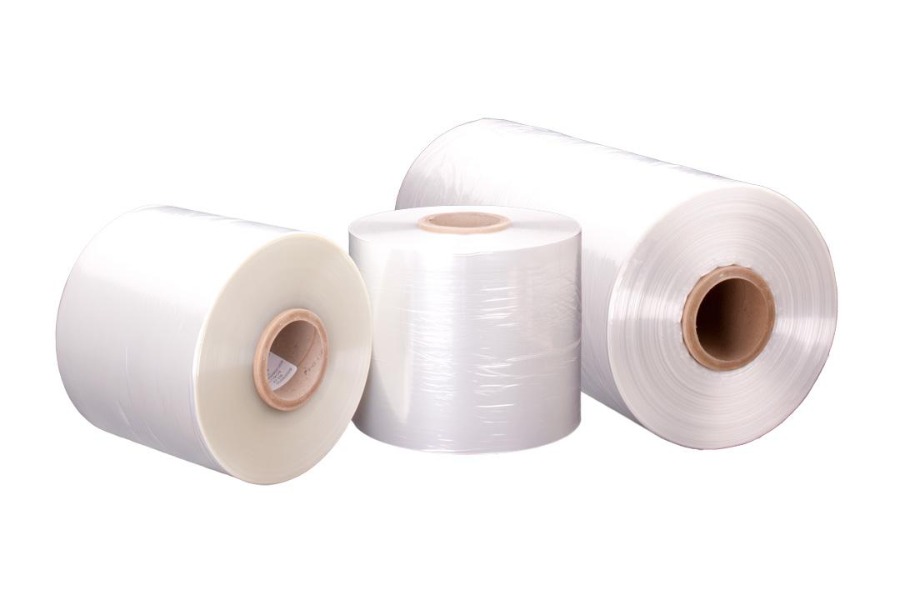
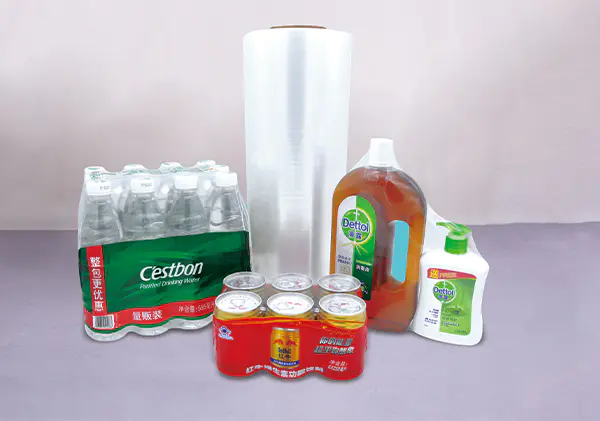
Polyolefin shrink film is made by blending polyethylene and polypropylene resins into thin rolls. The combination gives it decent strength and flexibility at the same time, and when heat hits it, the film shrinks evenly and hugs whatever shape it's covering—boxes, odd-shaped parts, full pallet loads, you name it.
Most rolls are sized to work with standard hand-held guns or automatic wrappers you see in distribution centers. It's usually built in multiple layers: a tough core for tear resistance, outer layers that seal cleanly and stay clear so barcodes and packing slips are easy to scan. Compared with single-layer films, polyolefin deals better with the humidity swings and temperature changes you get in most warehouses that aren't fully climate-controlled.
Logistics crews use it because it adds almost no extra weight to shipments. You can wrap single cases for retail bundles or entire pallets for transport, and once it's shrunk, it stays put even when things get bumped around. It's a straightforward, reliable way to contain product without turning every wrap into a big production.
Inside the warehouse, the film makes handling a lot less frustrating. The tight shrink turns loose boxes into one solid block, so pallets don't lean or topple when forklifts pick them up or when workers pull from high racks. That alone cuts down on crushed corners and the time spent cleaning up spills.
You can see right through it, which is huge for quick inventory walks or order picking—no need to rip anything open to check what's inside. It also keeps dust, dirt, and warehouse grime off the product, which matters a ton for anything that sits on shelves for a while, like seasonal stock or slow-turn items.
It runs well on both hand guns for small jobs and tunnel systems for high-volume lines, so results stay pretty consistent no matter the pace. The tear resistance holds up against sharp pallet edges or rough concrete floors, meaning fewer re-wraps. Warehouses running this film regularly end up with neater aisles, fewer damaged returns, and just an overall smoother flow.
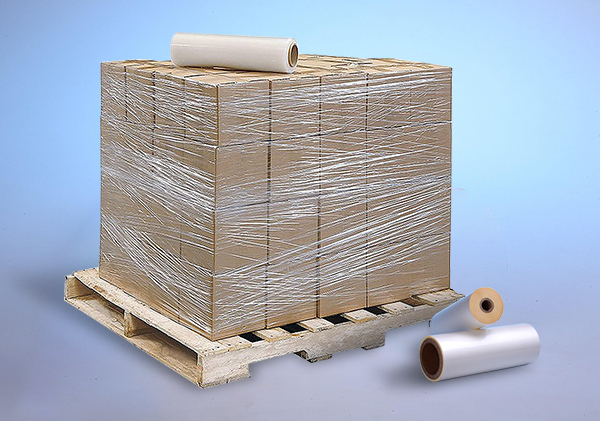
On the logistics side, the film is mostly about keeping loads secure while they're in motion. For pallets, it locks boxes together so they don't shift when the truck hits potholes or takes tight turns—fewer claims for crushed goods at the other end.
Individual packages get a tamper-evident seal; once the film is tight and shrunk, it's obvious if someone has messed with it. In fast-moving cross-dock setups—goods come off one truck and go straight onto another—the quick wrap keeps everything on schedule. It molds well around awkward shapes like machine parts or coiled cable, giving a secure hold without extra strapping or tape.
E-commerce operations use it constantly to bundle multipacks before they ship out. The light weight helps keep parcel costs reasonable, and the clear film makes label scanning fast for carriers. It slots right into the handoff from warehouse to delivery truck without adding drama.
The film speeds up wrapping because it's easy to pull and shrinks predictably—no constant fiddling to get it right. Workers can cover a pallet quicker, and the smooth, tight finish stacks cleaner on racks, so you squeeze more into the same footprint without worrying about leaning towers.
Inventory checks go faster too. You don't have to unwrap pallets to see what's inside; the transparency shows SKUs and descriptions clearly. That means fewer picking mistakes and less time wasted hunting around shelves.
In busy distribution centers, it cuts repackaging from damaged wraps and keeps conveyor lines flowing because wrapped cases slide easier. Teams spend less time fixing problems and more time moving product, which shows up in quicker order turnaround and lower labor hours over the shift.
Once the load leaves the dock, polyolefin film helps it survive the trip. The tight wrap stops boxes from rubbing each other raw or sliding into empty spots, which means fewer dents and tears by the time it arrives. It blocks moisture from sneaking in during rain or humid trailers—important for paper goods, electronics, or anything sensitive.
The sealed edges make tampering obvious, adding a layer of security for higher-value shipments. In staging yards where pallets might sit outside briefly, it gives some basic UV protection so labels don't fade. Drivers and receivers find wrapped loads easier to handle—no loose straps or shifting stacks.
All those small protections add up to fewer damage claims, happier customers, and less back-and-forth re-shipping.
| Aspect | Polyolefin Shrink Film | Polyethylene Shrink Film |
|---|---|---|
| Clarity | Really clear—labels scan easily | Usually cloudier |
| Tear Resistance | Solid balance, holds up well | Basic, often needs thicker film |
| Shrink Temperature | Lower heat works fine | Needs hotter settings |
| Seal Look | Clean and professional | Can look rougher, sometimes odor |
| Typical Jobs | Retail bundles, mixed pallets | Heavy industrial loads |
| Humidity/Temp Handling | Better with changes | More basic tolerance |
Polyolefin usually comes out ahead when you care about seeing through the wrap and getting clean seals.
Figure out what you wrap the most. Fragile or high-value stuff needs better puncture resistance. Standard boxes can usually get by with medium gauge without wasting material.
Match roll width to your common pallet sizes so you're not cutting and taping extra pieces every time. If you have automated wrappers, run a sample roll through your setup first to check feed and shrink performance. Anti-static versions are worth it for electronics or dusty warehouses.
Ask for trial rolls and put them through your real process—see how well it seals, how much waste you get, and whether it holds during normal handling. The right film should feel like it belongs in your operation, not something you're constantly fighting.
Wrapping is pretty simple. Center the roll over the load, pull the film down and around with good overlap, tack the bottom edge with a heat gun, then work up the sides and top until it tightens evenly.
On automatic lines, dial in the tunnel temp and conveyor speed so the film shrinks without scorching or leaving loose spots. Train people to keep steady tension—too loose and it won't hold; too tight and you burn through material.
Clean the equipment regularly so heat stays even and nothing builds up. Basic habits like that keep wraps looking good and the process reliable.
Check heat elements, belts, and rollers on a regular basis. Residue builds up quick, so wipe tunnels down after shifts to keep shrinkage even. Grease moving parts so they don't bind.
Look at dispensers for worn guides or blades—replace them before they start ripping film. Store rolls flat in a dry spot so they don't warp or soak up moisture. A quick monthly once-over catches small problems before they turn into line stoppages.
Good upkeep means fewer jams, more consistent wraps, and less downtime when things are busy.
Polyolefin is recyclable in many municipal programs, so warehouses can keep scrap out of landfills. The light weight means trucks burn less fuel moving the same load compared with heavier wraps. Cutting only what you need reduces edge trim waste.
Some operations collect trim and send it for recycling. Picking suppliers that run cleaner production lines fits with sustainability targets. Tracking usage month to month shows where you're already saving material.
Material cost drops when you buy in volume. The film's efficiency—good coverage with less layers—often means you use less overall than with looser alternatives, so the per-pallet price balances out.
Fewer damaged shipments and less repackaging save real money. Lighter wrapped loads can shave a bit off freight too. Compare suppliers on quality, not just price—cheap film that tears or shrinks badly ends up costing more in rework.
When bringing polyolefin shrink film into warehouse and logistics work, look at your typical loads, how your equipment handles it, and what conditions the film will face. Pick something with good clarity and reliable seals so it fits smoothly into your daily routine.
For consistent polyolefin shrink film that performs well in real operations, take a look at what JTPackage factory produces. They make films focused on even shrinkage, solid strength, and clean results—exactly what warehouses and logistics teams need.
JTPackage keeps things straightforward: durable rolls that wrap reliably, resist punctures, and stay clear for scanning. The factory offers options that match different setups, helping you protect goods and keep things moving without unnecessary headaches.
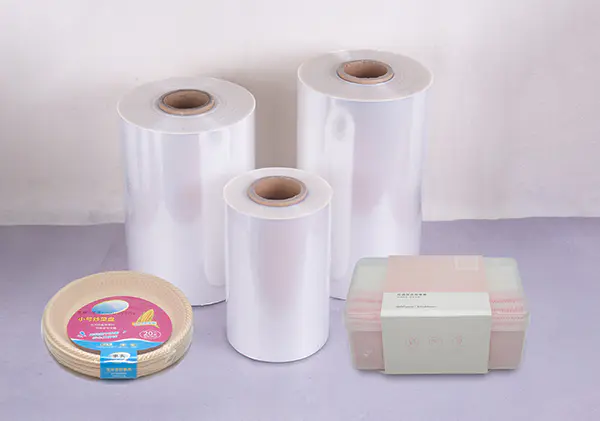
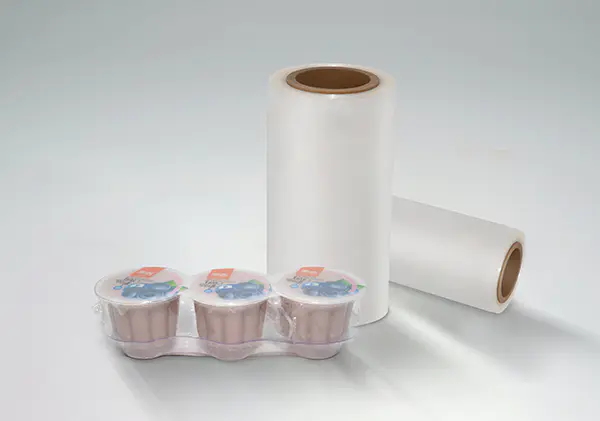
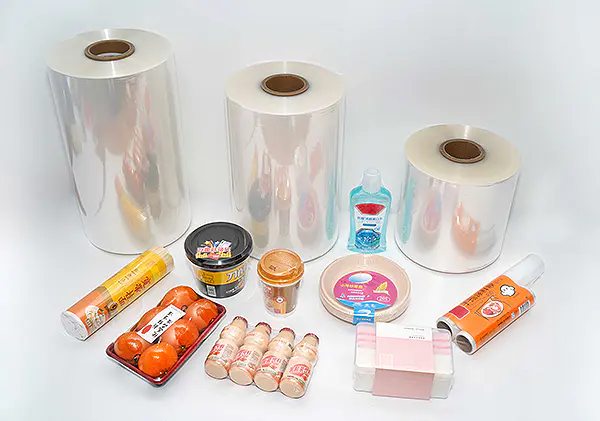
JT05 Antifog Crosslinked Shrink Film is an ideal o...
Copyright © Zhejiang Jiuteng Packaging Co., Ltd.
 简体中文
简体中文
 Home
Home
