
Pick up a bag of spinach or a sleeve of crackers from the shelf, and many shoppers check the sell-by date while taking a quick look at the ingredient list. Almost nobody stops to think about the thin layer of film wrapped around that food, quietly doing its job the whole time it sat in a truck, a warehouse, and then a store cooler. That film is doing more work than it gets credit for — keeping bread from going stale before the weekend, keeping deli meat from spoiling on a hot delivery day, keeping crackers from turning soft the moment humidity creeps into a pantry. As food travels farther and passes through more hands before reaching a kitchen table, the packaging around it has had to pick up more responsibility. Producers need something that keeps food in reasonable shape through all of that movement while still being something a shopper can actually open without a struggle at the counter.
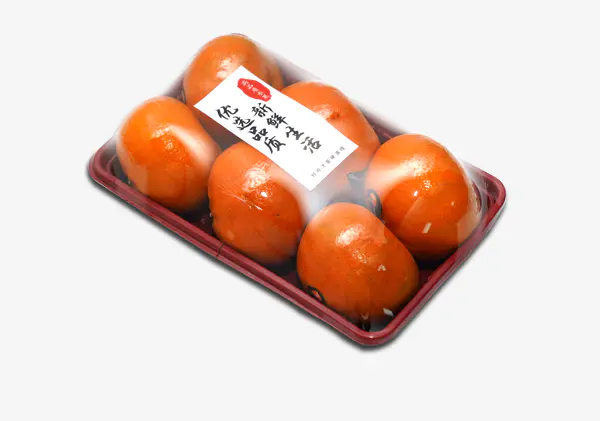
Food safety comes down to a mix of things — how it's handled, how it's stored, and yes, what it's wrapped in. A package isn't just there to hold the product together on a shelf. It's creating a barrier between the food and everything it might run into on the way to someone's dinner table.
Packaging film cuts down on how much the food is actually touching the outside world — dust in a warehouse, hands during restocking, condensation in a delivery truck.
| Function | What It Actually Does |
|---|---|
| Physical barrier | Keeps dust, moisture, and outside contact away from the food |
| Product protection | Keeps the package intact through handling and shipping |
| Storage support | Helps food stay usable through its expected shelf time |
| Hygiene layer | Adds a buffer between the food and whatever it's sitting near |
A package that's doing its job right also makes it obvious to a shopper whether something's still sealed properly before they buy it — nobody wants to discover a torn seal after they've already paid.
None of this replaces good practices back at the processing plant. Packaging works alongside proper handling and storage, not instead of it.
Freshness is often what people notice changing early — bread becoming firm, lettuce losing its crisp texture, or chips losing their crunch after staying in a cupboard for too long.
Packaging film slows that slide by controlling what the food is exposed to while it sits.
Different foods fall apart in different ways. Bread goes stale from moisture loss. Vegetables wilt without enough humidity around them. Chips go soft the moment air gets in. Frozen dinners need something that can handle a freezer without cracking or letting frost build up inside.
A few real examples:
None of this stops food from eventually changing — that's just how food works. The goal is buying it more time in a state people actually want to eat it.
Once food leaves the plant, it's dealing with a lot more than it was inside a controlled facility. Trucks get hot in summer and cold in winter. Boxes get stacked, jostled, and occasionally dropped. The food itself sits exposed to whatever's floating around it.
Packaging film pushes back against a handful of specific problems:
The right film structure deals with these one at a time, depending on the food inside.
Moisture control matters a lot here. Too much moisture and things go soggy or moldy. Too little and things dry out and lose their appeal. Getting that balance right is a big part of what separates decent packaging from packaging that actually works.
Air matters too, especially for foods sensitive to oxygen — cut fruit, certain meats, coffee. Packaging built with that sensitivity in mind tends to hold up noticeably better than a generic wrap thrown on as an afterthought.
Food rarely goes straight from a factory to someone's kitchen. It usually passes through a warehouse, sits in a distribution center, gets loaded onto a truck, and finally lands on a store shelf before anyone buys it.
Through all of that, the packaging is doing quiet, unglamorous work.
Film helps keep products organized and protected while they're bounced between all these different stops. It cuts down on damage from repeated handling and helps the product still look presentable by the time a shopper picks it up.
For the businesses moving this stuff around, packaging that holds up also makes inventory easier to manage. Clear film lets warehouse staff identify products at a glance, and packaging that doesn't fall apart easily means fewer items get tossed just because a box got crushed somewhere along the way.
A shipment runs into all sorts of ordinary stress:
Film that's built for the job handles these everyday bumps without falling apart halfway through the trip.
Not every food needs the same kind of wrap. A bag of chips and a tray of ground beef have almost nothing in common when it comes to what keeps them fresh.
Picking the right film means understanding the food itself, how it moves through the supply chain, and what a shopper expects when they open the package at home.
| Consideration | Why It Matters |
|---|---|
| Type of food | Different foods break down in different ways |
| How it's stored | Film needs to match the environment it'll sit in |
| How it's handled | Materials need to survive shipping and shelf stocking |
| Ease of use | Shoppers need to actually be able to open and reseal it |
A company making crackers and a farm shipping fresh strawberries are working with completely different sets of problems. One's mostly worried about keeping things crisp. The other's worried about bruising and spoilage happening within days.
Getting the choice right means balancing how well the food is protected against how practical the package actually is to use.
What people want from packaging has shifted over the years. Shoppers want food that stays fresh, packaging that's actually easy to open, and less trash left over once the food's gone.
That's pushed packaging companies to rethink some old habits.
Convenience has become a bigger deal than it used to be — resealable bags, easier-to-tear pouches, packaging that doesn't require scissors just to get into a bag of pretzels.
At the same time, plenty of shoppers are paying attention to what happens to packaging after it's thrown away. Companies have been experimenting with using less material overall and making packaging easier to recycle.
None of this changes the core job packaging is doing. Keeping food safe and fresh is still the main point.
What's changed is that companies are now trying to hit that goal while also making packaging easier to live with and less wasteful once the food inside is gone.
Food gets thrown out for a lot of reasons — bad storage, rough handling during shipping, or just someone forgetting about it in the back of the fridge.
Film helps on one piece of that puzzle by keeping food in decent shape for longer, which means fewer things get pitched simply because they spoiled or got damaged before anyone had a chance to use them.
This is especially relevant for foods that break down easily without proper protection:
Packaging isn't going to fix every reason food gets wasted — plenty of that comes down to habits at home. But it does help food survive the trip through the supply chain in better shape, which gives both stores and households a bit more flexibility in how they plan purchases and use what they've bought.
Choosing packaging film takes more thought than grabbing whatever worked for the last product line. What suits one food might do nothing useful for another.
A few starting points worth thinking through:
Product characteristics come first. Foods with different textures, moisture levels, and shelf-life expectations call for different kinds of protection.
Production setup matters too. Whatever film gets chosen needs to actually run smoothly on existing packaging equipment without slowing things down.
The person opening the package matters just as much. A film can protect food perfectly and still be a bad choice if customers find it annoying or difficult to use.
Things worth checking before committing to a film:
A packaging decision made with all of this in mind tends to keep both the food and the customer happy at the same time.
Food Packaging Film keeps doing a job that mostly goes unnoticed until something goes wrong — a torn bag, stale bread, wilted greens. It protects food from dust, moisture, rough handling, and time itself, all while getting passed between trucks, warehouses, and store shelves before it ever reaches someone's kitchen. As food supply chains keep stretching farther and involving more steps along the way, the film wrapped around a product keeps quietly doing the work of getting it there in shape people actually want to eat.
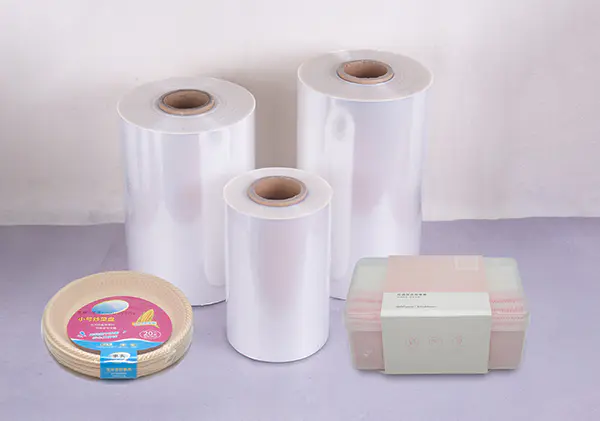
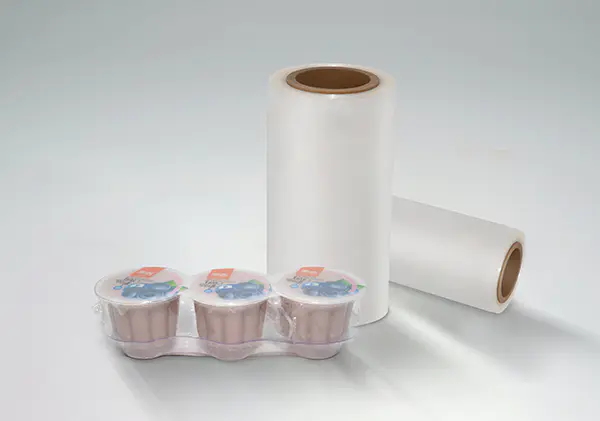
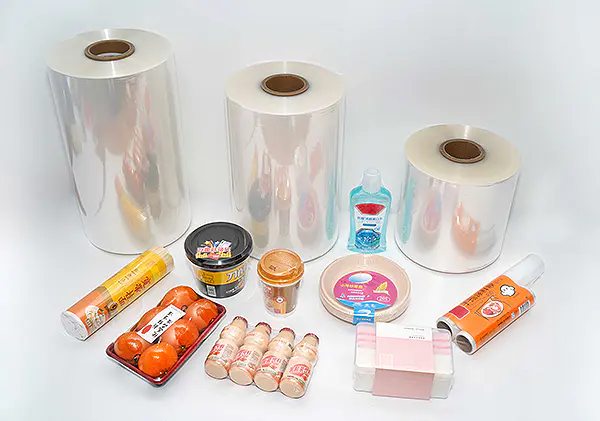
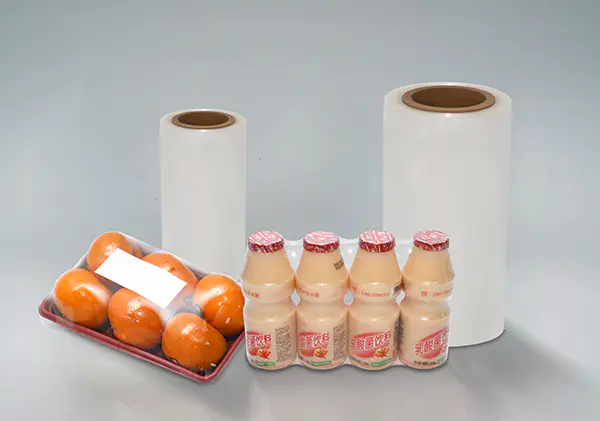
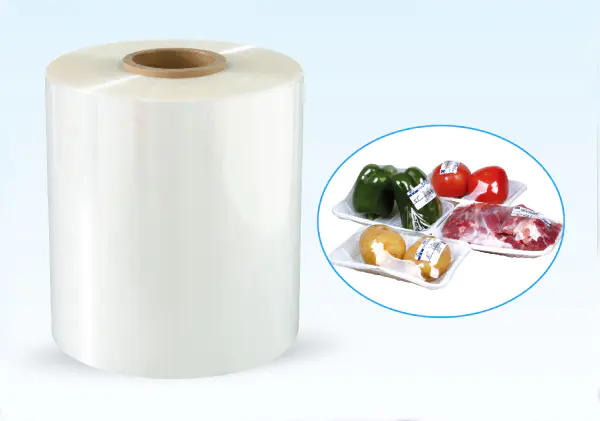
JT05 Antifog Crosslinked Shrink Film is an ideal o...
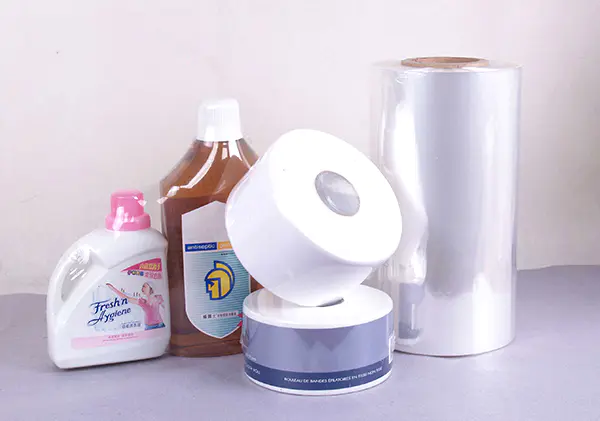
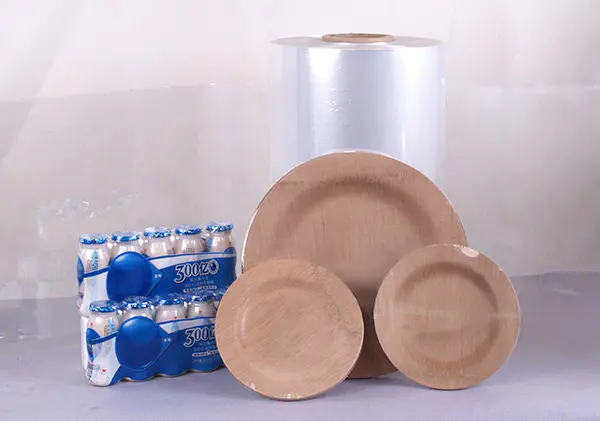
Copyright © Zhejiang Jiuteng Packaging Co., Ltd.
 简体中文
简体中文
 Home
Home
