
Products with uneven surfaces, protruding parts and unusual contours do not sit in a simple rectangular envelope. Film that wraps them must follow curves, step changes and sticking-out features without leaving large loose pockets or tearing at sharp points. Irregular dimensions make consistent coverage harder because the same web has to shrink more in some zones and less in others.
Common concerns include slack areas that look unfinished, heavy wrinkles that hide labels, and uneven shrinkage that pulls the pack off-centre. Selecting a suitable shrink film matters for both appearance and protection: a poor match either under-protects edges or over-stresses the film until it splits. Shape-led selection is more reliable than reusing a flat-box grade on a complex moulding.
Low temperature shrink film is formulated to begin useful contraction at milder heat levels than some conventional shrink webs. That behaviour helps the film draw toward complex outlines while limiting heat exposure to the product and to printed surfaces. Flexibility allows the web to settle around curves, corners and protrusions instead of bridging across them as a stiff tent.
Controlled heat application—tunnel or carefully directed hot air according to the setup—lets the film form a closer fit when time and temperature are matched to the pack. Adaptability shows as more even coverage across different shapes in the same family of products, provided the film has enough shrink in the directions the geometry demands. Types of Shrink Film that include low-temperature grades are often evaluated specifically for heat-sensitive or highly contoured goods.
Positioning the film so that excess material is available where the product is largest, and so that seals fall on flatter zones when possible, improves results. Center-fold, single-wound sleeves or bags may be chosen according to how the product is presented to the line. Product arrangement—single item versus nested group—changes how film must drape before heat is applied.
Sealing methods must secure the web without cutting through on folds caused by the odd shape. Seal jaw condition, dwell and pressure need to suit both the film and the lumpy profile underneath. Placement and sealing together influence whether the finished pack looks intentional or merely tightened at random. Custom Shrink Wrap Packaging approaches often start with these layout choices before any tunnel recipe is fixed.
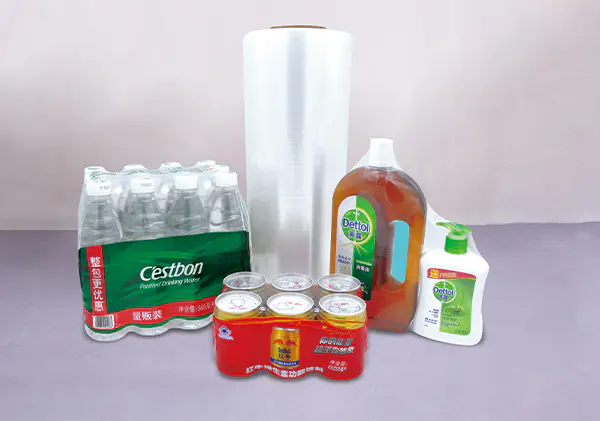
A closer fit reduces open volume where dust can settle and limits rubbing between the product and outer cartons during transport. Covering exposed edges and protrusions lowers the chance of chips and scuffs when items contact each other or the container wall. When several irregular pieces ship as one unit, a stable shrink wrap can keep them grouped without a full rigid tray, subject to weight and sharpness of the set.
Suitable film selection supports presentation without stacking unnecessary bulk around the product. The goal is enough film to protect and unitise, not a thick cocoon that hides the item or wastes material. Protection quality should be judged after real handling, not only by how tight the pack looks at the tunnel exit.
Product geometry drives both film choice and wrap method: deep recesses need film that can draw in; sharp fins need toughness at low thickness. Flexibility should correspond to the structure so that the web can move into low areas without puncturing on high points. Heating conditions affect whether corners pull tight while recessed faces still show slack—uneven heat is a frequent cause of mixed results on one pack.
Sealing quality and film tension before heat influence integrity; over-tension on a lumpy product can pre-stress the web so that shrink finishes the tear. Packaging trials remain the practical way to lock film specification and process settings. Industrial Shrink Wrap Film used on hardware or moulded parts should be trialled on the worst-case shape in the range, not only on the easiest SKU.
Household goods with curved shells and mixed materials—tools, appliances, decorative objects—often need film that follows contour without marking the finish. Industrial parts with uneven edges and studs or ports benefit from toughness and controlled shrink that does not require aggressive heat. Bundling mixed shapes into one multipack demands a web that can tighten around the combined outline without cutting the softest item in the group.
Consumer goods with decorative contours need a neat finish so that retail presentation stays clear. Low temperature shrink film accommodates different configurations when format, thickness family and heat profile are chosen for the job. Heat Shrink Film Wrap in these settings is a process system—film plus heat plus seal—not a single material attribute.
| Challenge | Film / process response | Trial focus |
|---|---|---|
| Protrusions and sharp points | Tough, flexible web; careful tension | Puncture and corner pull |
| Deep curves and recesses | Adequate shrink; even heat | Slack pockets vs over-tight bands |
| Mixed multipack outlines | Layout before sealing; balanced shrink | Group stability after handling |
| Heat-sensitive surfaces | Lower process temperature capability | Surface marks and graphic distortion |
| Seal on uneven zones | Seal placement on flatter areas where possible | Seal strength after shrink |
| Appearance standards | Controlled wrinkles; label visibility | Retail-ready look after full cool |
Documented trials capture film reference, fold or sleeve style, seal settings and heat profile that worked for each product family. Operators need those references when SKUs change. Re-qualification is wise when product design, film lot type or tunnel maintenance status changes significantly. Stable irregular-shape packaging is repeatable process control, not one successful sample left undocumented.
Low temperature shrink film is used on irregular products by matching conformable shrink behaviour to complex outlines, choosing placement and sealing methods that respect uneven structure, protecting edges and groups without excess bulk, and controlling geometry, thickness family, heat and tension through practical trials. Zhejiang Jiuteng Packaging Co., Ltd. produces polyethylene shrink films for product packaging including applications that involve contoured and irregular shapes. Review of product geometry, handling risks, equipment capability and appearance targets against film options supports consistent shrink packaging for irregularly shaped goods.
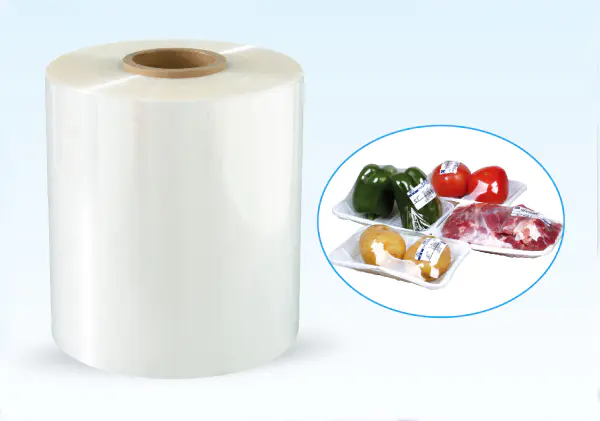
JT05 Antifog Crosslinked Shrink Film is an ideal o...
Copyright © Zhejiang Jiuteng Packaging Co., Ltd.
 简体中文

 Home

