
Packaging lines keep shifting as manufacturers hunt for smoother ways to move goods from filling and prep straight through to wrapping and shipping. Automation sits right in the middle of that shift. Machines now handle plenty of tasks that used to lean heavily on manual work — film feeding, product positioning, sealing, shrinking, moving packages along.
That change is also reshaping what materials end up on packaging lines. Film isn't just a covering material anymore, not really. How it feeds, how it responds to cutting, how it seals, how it plays with equipment — all of that shapes how the whole line runs.
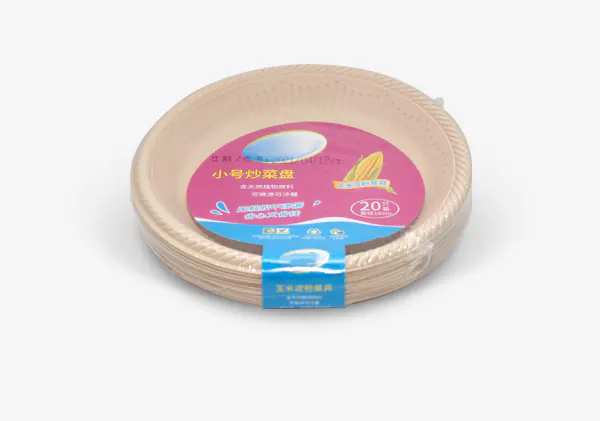
Shrink Film POF sits right inside this shifting packaging landscape. Its development keeps tying back to automated handling, how products get presented, staying consistent across production runs, and the sheer variety of shapes moving through modern packaging systems.
For manufacturers, the real question isn't whether a film can wrap something. It's whether the film works naturally alongside the equipment, the product flow, and everything else happening around it on the line.
Manual packaging gives workers room to adjust on the fly. Reposition a package, fix a loose film edge, handle a product a little differently — humans catch these things as they go.
Automated equipment doesn't operate that way. It follows a set sequence, and film has to move through that sequence without throwing unnecessary wrenches into the works.
That puts extra weight on a handful of characteristics.
| Packaging Requirement | Why It Matters |
|---|---|
| Consistent film feeding | Helps maintain steady machine operation |
| Predictable cutting | Supports organized package formation |
| Stable sealing | Helps create consistent package edges |
| Suitable shrink behavior | Helps the film follow product shapes |
| Reliable winding | Supports continuous film delivery |
These pieces don't sit apart from each other. Trouble with film delivery ripples into sealing. An uneven seal messes with handling further down the line. A package that doesn't form cleanly can trip up movement or inspection later.
As packaging lines get more interconnected, film development increasingly gets treated as part of the whole production process rather than something bolted on separately.
Film delivery is one of those less visible parts of an automated operation, but it has a direct grip on how production actually flows.
A packaging machine needs film arriving in a controlled, repeatable way. Let the roll unwind unevenly, and the material shifts or builds unwanted tension. That makes the wrapping process a lot less predictable to work with.
Winding quality shapes how the film reaches the machine, too. A well-organized roll keeps things moving steadily, while sloppy winding tends to introduce feeding headaches.
The roll's overall condition matters as well. Storage and transportation leave their mark on the material before it ever reaches the packaging line. Careful handling helps keep the roll in the shape it was meant to arrive in.
So manufacturers end up looking past the film itself. They think about how it's wound, packed, stored, transported, and loaded into the equipment too.
That wider view helps close the gap between making the material and actually running it through a packaging line.
Not every packaging machine runs the same way. Some handle single products. Others group several items together. Some chase retail shelf appeal, while others focus more on protecting goods during shipping.
Film products have to bend to fit these different setups.
A given line might push the material through guides, wrap it around a product, carry it into a sealing zone, then send it on to shrinking. Each of those steps places its own demand on the film.
The film needs to stay manageable through all of it. It shouldn't suddenly get harder to control just because the product shape changes.
That matters a lot for manufacturers juggling multiple product categories. A flexible packaging material makes switching lines between different sizes, shapes, or packaging arrangements a whole lot less painful.
Film development, then, keeps drifting toward compatibility with a broader range of automated operations, rather than getting locked into one fixed packaging scenario.
Product shape carries real weight in automated wrapping. A flat box, a rounded container, a cluster of products grouped together — each one sets up totally different wrapping conditions.
Film has to move around these forms while still keeping a decent package appearance. Irregular shapes invite folds or loose spots if the material doesn't respond well to the process.
Automated systems also have to repeat the exact same wrapping sequence across huge numbers of products. Film that behaves differently from one package to the next drags down consistency in the final look.
That's why film development so often circles back to:
A good film doesn't need to make every product look identical. It just needs to react predictably to whatever shape it's wrapping around.
For packaging manufacturers, that creates a real tie between film choice and product design. The material needs to fit the object, not just cover it.
Sealing marks an important moment in the automated packaging sequence. Once film has wrapped around a product, the system needs to form a closure that actually holds.
Film and sealing equipment have to work in step. If the material reacts inconsistently at the sealing stage, the package can end up with uneven edges or weak spots.
Sealing behavior also feeds back into production flow. A package needing extra handling can slow down what's otherwise a fully automated process.
So film development keeps an eye on the relationship between the material and the sealing stage. The aim is predictable package formation, without piling on unnecessary complication.
For manufacturers, that means looking at how the film behaves once it hits the sealing area, how cleanly it separates, and how consistently it forms the package edge.
These details look small in isolation. Strung together across an automated line, though, they shape the whole rhythm of production.
Automation gets tied to repeatable production almost by default. The equipment runs the same sequence over and over, but the material has to hold up its end too, behaving consistently alongside it.
Film variation stands out more once a packaging line runs continuously. Small differences in feeding, sealing, or shrinking show up in how the finished packages look.
Plastic Packaging Films are getting developed with more attention paid to predictable handling because of this. Consistency doesn't mean every package looks identical, though — it means the material reacts in a controlled way under similar packaging conditions.
A few things shape that experience:
| Film Characteristic | Packaging Effect |
|---|---|
| Even winding | Supports steady feeding |
| Consistent surface | Helps with controlled movement |
| Stable sealing behavior | Supports package formation |
| Predictable shrinking | Helps follow product contours |
| Suitable flexibility | Supports different product shapes |
Production line and film really need to move together as one unit. Consider both during packaging design, and manufacturers can make changes with a lot more confidence behind them.
Shrink behavior ties tightly into how a wrapped product looks and fits together. Once the film hits the right stage in the process, it tightens around the product's surface.
A film that shrinks unevenly leaves wrinkles or loose sections behind. A material that follows the product's contours more naturally produces a cleaner-looking package.
Automated packaging makes this behavior matter even more, since the machine repeats the exact same process over and over. A predictable film response means the equipment runs within a steadier workflow.
Different products call for different visual results, too. Retail goods often need a neat, tidy appearance, while grouped products might just need the film to hold several items together securely.
Shrink materials, then, keep moving toward better compatibility with both product shapes and automated equipment.
The focus isn't purely on how much a film shrinks. It's also about how that shrinking unfolds around the product and how consistently the package comes together each time.
Food packaging brings its own extra layer of considerations, since the package has to fit the product, the production environment, storage needs, and handling requirements all at once.
Food Packaging Films running through automated systems need to support efficient wrapping while still suiting the intended food packaging use. Product shape, packaging format, handling conditions, and visual presentation all feed into material choice.
Automated food packaging lines often push products through several linked stages. Film delivery needs to stay in step with that movement the whole way through.
A food product, say, arrives at the wrapping station in a steady sequence. The film wraps around it, gets sealed, moves through processing, then the finished package heads onward. Any hiccup in that chain ripples out into the surrounding operations.
Film development, as a result, keeps getting pulled closer into production planning itself.
Manufacturers might also think about how easily film rolls swap out, how the material holds up during continuous runs, and whether the packaging format flexes when product types change.
Modern packaging facilities often run several products down the same line. Switching from one to another can mean adjusting guides, film positions, sealing setups, and machine settings all at once.
Film design shapes how painless those changes end up being.
Material that feeds consistently across different product formats cuts down on repeated manual correction. Sensible roll construction also makes swapping film rolls simpler for operators on the floor.
Packaging changeovers aren't purely a machine-settings problem, either. The material itself becomes part of that whole changeover process.
Worth thinking through:
Details like these matter a lot once production schedules start juggling several packaging formats in a single shift.
Automated packaging materials, then, keep developing toward more flexibility alongside steady, consistent operation.
The push toward automated packaging is reshaping how film manufacturers think about their own production too.
Packaging customers increasingly need material that shows up ready for machine use straight out of the box. Roll quality, surface consistency, cutting behavior, protective packaging — all of it becomes part of the supply relationship now.
Manufacturers are paying closer attention to how film gets wound and handled after it's made. A material can be flawless coming off the production line and still turn troublesome if the roll gets damaged in transit or sitting in storage.
Packaging around the film roll, then, does real practical work. It shields the material and helps keep it in shape until it reaches the customer's production floor.
Quality checks are stretching past visual inspection too. Manufacturers might check whether the film feeds smoothly, holds up consistently during sealing, and behaves predictably as it shrinks.
That builds a more complete picture of film production overall. The focus shifts from just producing a roll of material to preparing a packaging component meant to perform inside an automated system.
As automation spreads further, packaging materials are getting judged more on how well they fit into connected production systems.
Film developers need to weigh machine movement, product variety, package appearance, storage, transportation, and the shifting expectations coming out of packaging operations.
The direction isn't simply thinner or tougher material, either. Different packaging jobs call for different balances between flexibility, handling, sealing, shrink response, and how the product ends up presented.
For manufacturers, that opens room for film design tailored to specific applications. Material meant for grouped retail products carries different priorities than one built for food packaging or shipping protection.
The growing tie between film and automated equipment also means suppliers and packaging manufacturers talking to each other matters more than ever. When both sides understand exactly how the material gets used, film choices can rest on the actual packaging process rather than on looks alone.
As packaging lines keep taking on more varied products, film development keeps getting shaped by the need for smooth feeding, predictable wrapping, controlled sealing, and steady package formation across the whole automated workflow.
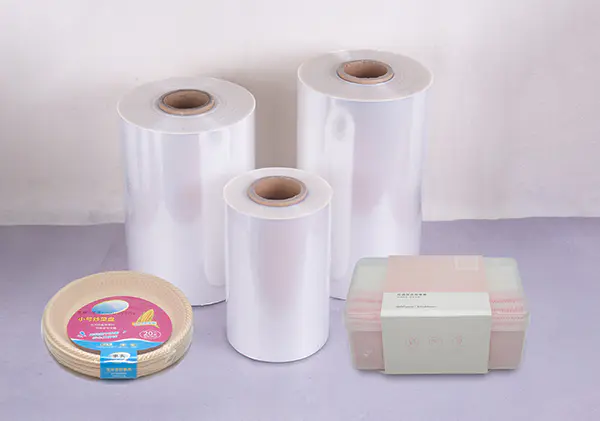
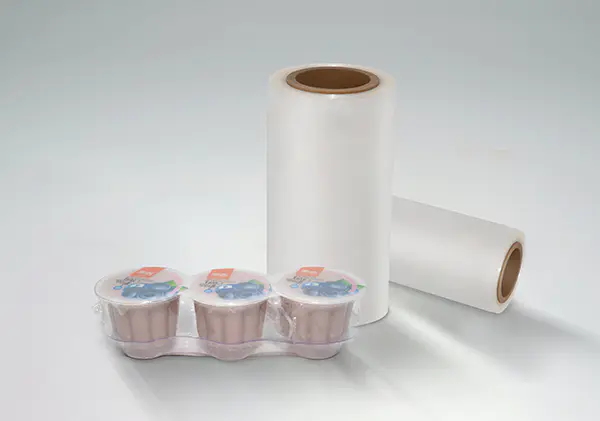
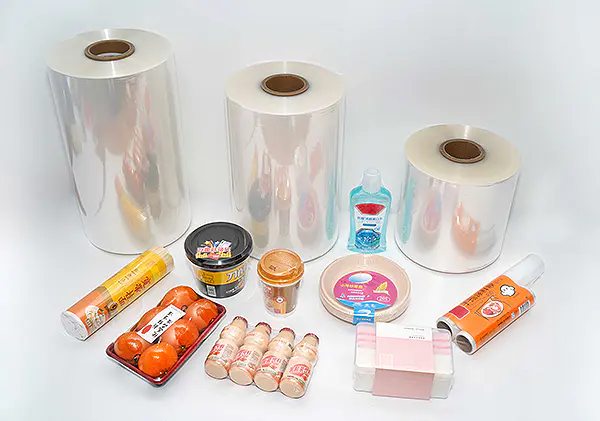
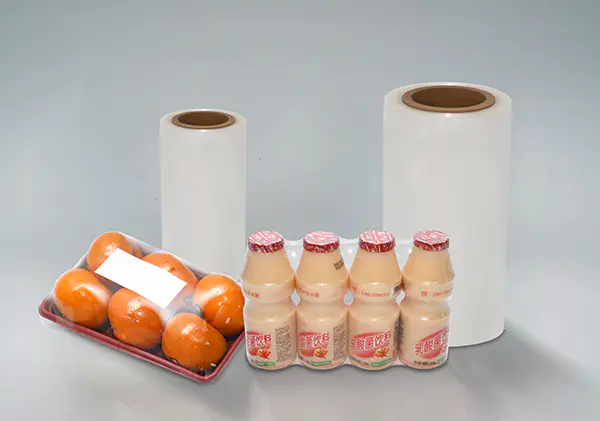
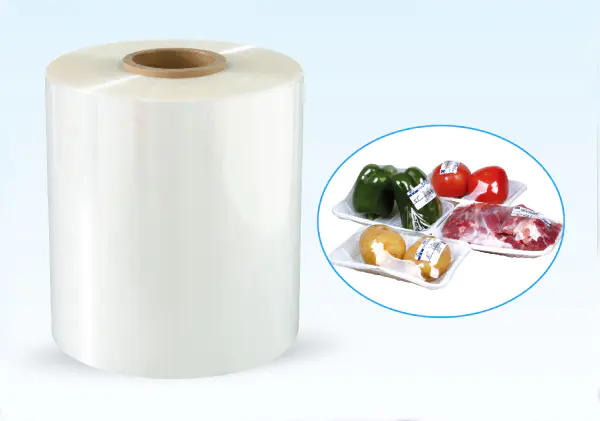
JT05 Antifog Crosslinked Shrink Film is an ideal o...
Copyright © Zhejiang Jiuteng Packaging Co., Ltd.
 简体中文
简体中文
 Home
Home
