
A shopper picking up a shrink-wrapped gift set off a store shelf, only to notice the film looks slightly cloudy or bunched at the corners, probably won't articulate why the package feels a bit off. But that reaction is real, and it happens more often than retailers might expect. A package can contain a genuinely well-designed product and still lose visual appeal when the outer film looks cloudy, uneven, or poorly fitted around the item. For retailers and packaging buyers, the film isn't simply a protective layer wrapped around the goods. It also affects how clearly customers see the product, how neatly the package sits on a shelf, and how the overall presentation feels when someone picks it up.
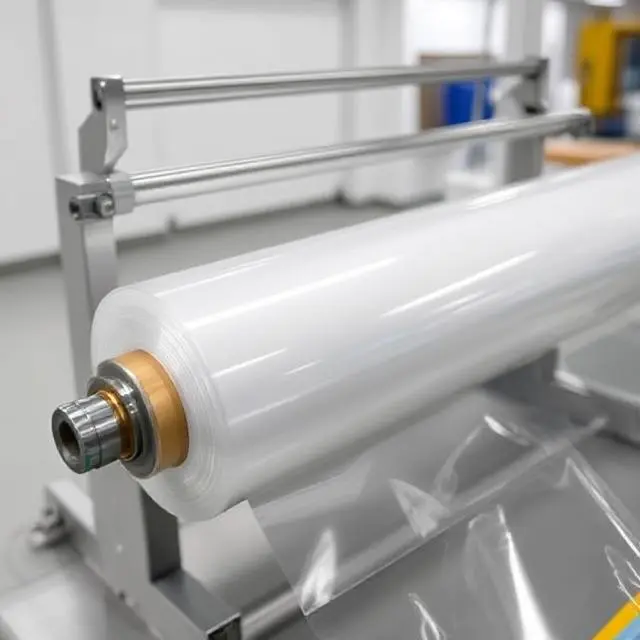
This is why the choice between POF vs PVC Shrink Film deserves real attention when appearance matters to the brand. Different films can create genuinely different visual effects after packaging is complete. Transparency, surface appearance, bonding around the product, and the way the finished package handles corners can all influence the result customers actually see.
For companies comparing packaging materials, Shrink Film POF has become an option worth considering for applications where product visibility and a clean presentation matter to the sale. The right choice still depends on the product, packaging equipment, retail environment, and desired appearance in front of the buyer.
Shrink film surrounds a product and becomes part of what customers actually see standing in front of the shelf. Even when the film is thin and unobtrusive, its surface can influence how the whole package gets perceived at a glance.
A well-finished package usually looks orderly. The film follows the shape of the product without creating unnecessary folds or loose areas hanging off the edges. Product graphics stay visible, and the package can be handled without the outer layer appearing poorly fitted or slapped on in a rush.
Several visual elements can affect this impression:
| Appearance Factor | Influence on Packaging |
|---|---|
| Transparency | Affects how clearly the product can be seen |
| Surface finish | Influences the visual impression of the package |
| Film fit | Affects neatness around the product |
| Sealing appearance | Can influence the finished presentation |
| Folding and corners | Affect how orderly the package looks |
| Product visibility | Supports retail presentation |
These details become a lot more noticeable when products are sitting right next to each other on a shelf. A package with clear product visibility can show customers what is inside without requiring them to open it and inspect the product by hand. For products depending on color, shape, texture, or printed graphics, this proves especially useful at the point of sale.
The film therefore carries a role in presentation as much as in protection.
Transparency is one of the more visible differences buyers notice when comparing packaging films side by side.
A clear film lets the product underneath stay part of the visual display, rather than hiding behind a hazy surface. This proves useful for products sold in retail environments where customers want to inspect the item before buying it off the shelf.
Shrink Film POF often gets considered for applications where a clear appearance matters to the presentation. When the film fits closely around the product, it can create a window-like effect that keeps the packaged item genuinely visible from multiple angles.
PVC shrink film can also provide product visibility, but the final appearance depends on the particular film, packaging process, and product being wrapped in that specific run.
The comparison should therefore focus on the finished package, rather than judging the material by name alone off a spec sheet.
For example, a retailer selling colorful household products may want the product's original colors to stay easy to see through the wrap. A food-related package may also benefit from clear presentation when the product itself contributes to its own visual appeal on the shelf.
When transparency becomes part of the packaging strategy, film selection gets closely connected with merchandising decisions.
It genuinely can, more than people might expect at a glance. Retail packaging often needs to communicate information quickly to a shopper walking past. Customers may notice the shape, color, texture, or design of an item before they ever get around to reading the package label.
A clear outer film lets those visual elements stay visible without interference. This proves particularly useful for:
If the outer film reduces visual clarity, the product can appear less attractive even when the item itself has a carefully designed appearance underneath. For this reason, buyers often look at both film clarity and the way the film behaves after shrinking around the product.
The interaction between the two matters a lot here. A clear film that fits neatly around the product creates a much more polished display than a package with visible loose areas or distracting folds catching the light.
The way a shrink film closes around a product can affect its appearance quite noticeably.
Packaging equipment creates heat and movement during the wrapping process itself. The film needs to respond appropriately so the finished package looks controlled rather than irregular once it comes off the line.
The sealing area is particularly noticeable to anyone examining the package closely. An uneven seal can draw attention away from the product entirely. A clean sealing effect is a lot less visually distracting and helps the package appear more organized overall.
When comparing POF vs PVC Shrink Film, buyers should consider how each material works with their existing packaging process on the floor. A film doesn't get evaluated separately from the equipment and application method it'll actually run through.
The finished appearance can depend on:
This is why a film performing well in one packaging environment might produce a genuinely different appearance in another setup entirely. The practical evaluation should happen with the actual product and packaging setup whenever that's possible before committing to a full run.
The appearance of a shrink-wrapped product depends heavily on how closely the film follows its shape once it's applied.
A neatly fitted film reduces loose sections and creates a cleaner outline around the product. This proves particularly useful for products with simple shapes and defined edges that the film can follow easily.
For products with more complex forms, the result depends on how the film moves around corners and changes in surface direction as it shrinks into place.
Shrink Film POF can be used in packaging applications where a close-fitting appearance is desired for the final product. The finished result still depends on the packaging process and the product itself, not the film alone.
A neat package may have several visual characteristics:
| Package Feature | Visual Effect |
|---|---|
| Close film fit | Creates a cleaner outline |
| Clear surface | Keeps product details visible |
| Controlled edges | Reduces visual distraction |
| Neat sealing | Supports an orderly appearance |
| Even coverage | Helps maintain visual consistency |
These characteristics become particularly important for products displayed in groups on a shelf together. When several packages sit side by side, differences in film fit become easy to notice at a glance. Consistency can therefore influence how an entire product range appears across the display.
The same film can look quite different depending on the product it's wrapped around.
A simple rectangular package is relatively easy to wrap cleanly. A product with curves, protruding sections, or uneven surfaces creates a genuinely different packaging challenge for the equipment and operator alike.
Corners influence the finished appearance too. When film moves around a corner, its behavior affects whether that area looks smooth or ends up with visible folds catching the eye. The shape of the product and the packaging process need to work together as one system.
This matters especially for retail products with decorative packaging built into the design.
A package may have:
Each design creates different requirements for the film wrapping around it. This is why buyers should avoid selecting packaging film only by looking at a sample wrapped around a completely different product on a supplier's showroom table. The actual product shape provides a lot more useful information than a generic sample ever could.
Retail shelves are genuinely visual environments where products compete constantly for a shopper's attention.
Products compete through color, shape, labeling, packaging structure, and overall presentation all at once. The outer film may seem secondary in this competition, but it affects how all these elements actually get perceived by someone walking down the aisle.
A clear and neatly fitted package lets the product and printed packaging stay visible together. This makes it a lot easier for shoppers to understand what they're looking at without extra effort.
Retail presentation matters especially for:
Gift items often rely heavily on appearance to make the sale. Clear packaging can let decorative details stay visible while still keeping the product protected during handling.
Customers often want to see the shape or quantity of items before making a purchase decision at the shelf.
Small products can benefit a lot from a tidy package that makes the contents easy to identify quickly.
When several items get packaged together, film clarity and fit can influence whether the whole group looks organized or thrown together.
The film should support the product rather than compete with it for attention. This is one reason packaging appearance deserves real attention during material selection, not just an afterthought once everything else is decided.
A POF Shrink Film Factory is responsible for producing the film used across different packaging applications. For buyers, understanding the production source proves useful when they need material suited to a particular packaging process on their line.
Not every buyer carries the same requirements walking into that conversation. A company packaging small retail goods may have genuinely different priorities from a business wrapping larger product groups for bulk distribution. Some buyers focus heavily on transparency, while others care more about how the finished film handles around corners or how it fits their existing packaging equipment already on the floor.
Communication with the supplier helps clarify these needs early on. Buyers may discuss:
This information gives the supplier a genuinely clearer picture of the intended use before production starts. For customized packaging programs, buyers may also need consistent film characteristics across different production runs over time. Clear communication upfront makes material selection a lot more practical down the line.
The question of POF vs PVC Shrink Film shouldn't get reduced to which material is generally better across the board.
Different packaging programs carry different goals depending on the product and the brand behind it. A buyer focused on retail appearance may place greater value on transparency and a neat visual finish. Another buyer may have an existing production process built around a particular film already and prioritize compatibility with that setup instead.
A general comparison can help organize the decision:
| Consideration | POF Shrink Film | PVC Shrink Film |
|---|---|---|
| Product visibility | Often selected for clear retail presentation | Can provide clear packaging depending on the product and process |
| Package appearance | Suitable for neat, close-fitting presentation | Can be used for various shrink packaging styles |
| Product display | Useful where visual inspection matters | Suitable for applications where clear presentation is desired |
| Application | Used across various retail packaging needs | Used in selected packaging applications |
| Selection focus | Appearance and process compatibility | Application and process compatibility |
This comparison works as a starting point rather than a substitute for actual product testing on the line. Packaging results depend on the complete process from start to finish. The same film can produce genuinely different results when used with different products, equipment, and operating practices in the field.
A practical evaluation gets a lot easier when buyers examine a finished package rather than judging film only as a roll sitting in a warehouse.
A sample package can reveal details that are difficult to spot beforehand from a spec sheet alone. Buyers can inspect the product from different angles and look at the transparency, corners, sealing areas, and overall film fit up close. It also helps placing several packaged products together to see whether the appearance stays consistent across the batch.
A useful evaluation process may include:
This approach provides a lot more meaningful information than simply comparing film samples by appearance alone off a roll. It also helps identify whether the chosen material actually works with the existing packaging workflow already running on the floor.
Packaging doesn't determine every purchasing decision on its own, but appearance can genuinely influence how a product gets noticed and understood by a shopper.
A clean package makes the product easier to inspect at a glance. Clear film allows customers to see the item without opening the package. A neat fit gives the package a more organized appearance on the shelf.
These details become especially relevant when products get displayed in competitive retail environments fighting for the same eye contact.
The outer film can support several communication functions at once:
For businesses comparing Shrink Film POF with other materials, these visual considerations help connect packaging decisions with actual retail needs on the ground.
The choice between POF vs PVC Shrink Film ultimately involves more than material preference alone. Transparency, product display, film bonding, package neatness, product shape, equipment compatibility, and retail presentation all influence the appearance of the finished package a customer picks up. Shrink Film POF can be a practical option for buyers who place emphasis on clear product visibility and an orderly presentation, provided the film gets matched appropriately with the product and packaging process it's actually running through.
JT05 Antifog Crosslinked Shrink Film is an ideal o...
Copyright © Zhejiang Jiuteng Packaging Co., Ltd.
 简体中文
简体中文
 Home
Home
