
Polyolefin shrink film, commonly called POF shrink film, has become a staple in packaging because it does a solid job of keeping products safe from the moment they leave the production line until they reach the end user. The film shrinks down tightly when you apply heat, hugging the shape of whatever's inside and forming a close-fitting barrier. That simple action handles a surprising range of threats—physical knocks, moisture, dust, tampering attempts, and more. Companies across different sectors turn to it precisely because it delivers dependable protection without overcomplicating the process or adding unnecessary weight.
In everyday operations, packaging teams notice how much smoother things run when the right shrink film is in place. Fewer damaged returns, cleaner shelves, longer shelf life for sensitive items—these are the practical payoffs that add up over time. This article breaks down the main ways POF shrink film actually protects products, looking at its core traits, real-world uses, and the trade-offs involved.
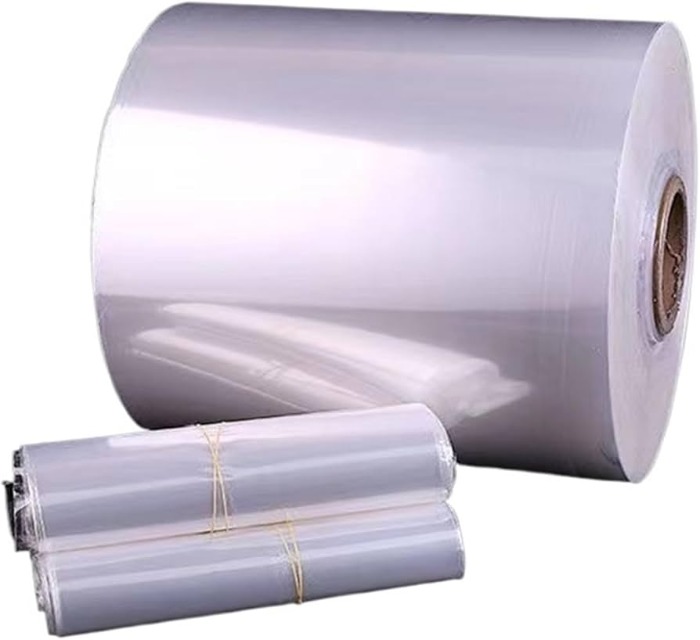
POF shrink film starts with a blend of polyethylene and polypropylene resins. Those materials get extruded into a thin sheet, then stretched and oriented so the film "remembers" to shrink back when heated. The result is a wrap that pulls in evenly from all sides, eliminating loose spots and creating uniform tension around the product.
The film stays remarkably clear after shrinking. You can still see labels, colors, and product details clearly, which matters for retail inspection and consumer appeal. At the same time, the surface resists light scratches and scuffs better than many expect from such a thin material. Because it's lightweight, it doesn't drive up shipping costs the way heavier protective options sometimes do.
It runs on standard heat tunnels, L-bar sealers, and automatic lines without much fuss. Consistent behavior during application means fewer mis-shrunk packages or weak seals that could let contaminants in later. That reliability is one of the quieter but very real ways the film protects contents.
Movement is the enemy of fragile goods. Boxes get jostled on conveyors, stacked unevenly on pallets, bounced around in trucks. POF shrink film counters that by locking everything in place. Once shrunk, there's almost no room for items to shift inside the package. Individual pieces in a multipack stay separated, so they don't bang into each other and chip edges or mar surfaces.
For delicate things—glass bottles, ceramic figurines, small electronics—the film's slight give lets it absorb minor impacts without tearing. It's not a replacement for heavy cushioning, but it often reduces the need for extra foam or bubble wrap. In transit tests that packaging teams run internally, the difference shows up in lower breakage rates when the film is applied properly.
Puncture resistance is another practical strength. Sharp corners on shelves, protruding staples from nearby cartons, or rough forklift tines can poke through weaker wraps. POF film holds up reasonably well in those situations, keeping the contents safe even when handling gets careless.
Many products suffer when exposed to the wrong environment. High humidity can cause rust on metal parts, mold on paper goods, or softening in certain foods. POF shrink film forms a reasonably tight seal that slows down moisture movement. It isn't a full hermetic barrier like some specialized laminates, but for a lot of everyday applications, it provides enough protection to make a noticeable difference.
Dust is another constant issue, especially for items headed to clean retail environments or stored for months. The film keeps airborne particles from settling directly on the product. In warehouses where air circulation stirs up fine debris, that extra layer helps maintain appearance and cleanliness.
For oxygen-sensitive items like fresh meats or certain snacks, basic POF film offers some resistance to gas transmission. Versions with improved barrier layers push that further, helping extend usable life without resorting to vacuum packaging in every case. The result is less spoilage waste and more consistent quality when the product reaches the consumer.
Security isn't just about locks and seals—it's about making interference obvious. A properly shrunk POF film clings so closely that any attempt to peel it back or cut into it leaves clear tears or stretch marks. Retail staff and customers can spot those signs immediately.
That visibility deters casual tampering during transport or on store shelves. For higher-value or regulated items—cosmetics, supplements, small electronics—it adds a layer of confidence that the package hasn't been opened since it left the facility. Some formulations allow easy printing of security patterns or batch codes directly on the film, making forgery harder and traceability simpler.
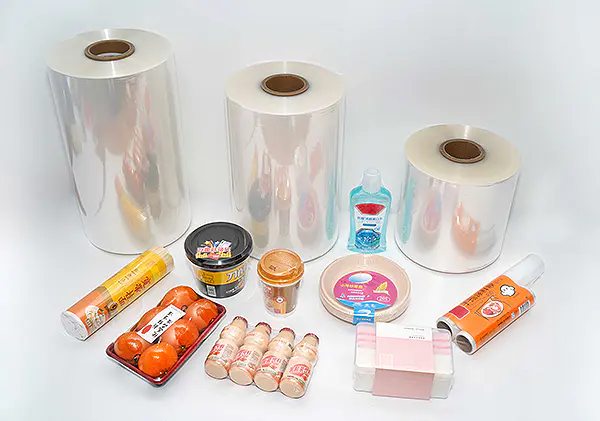
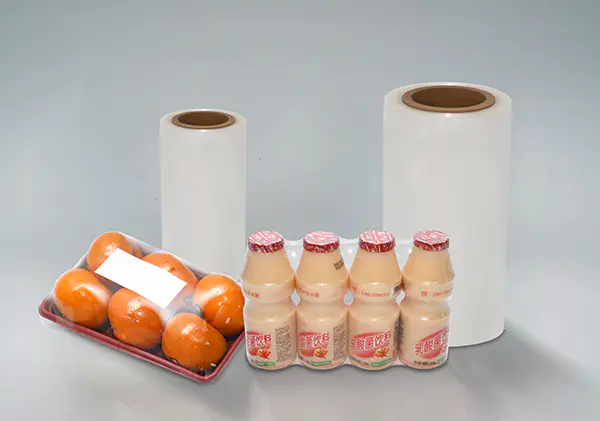
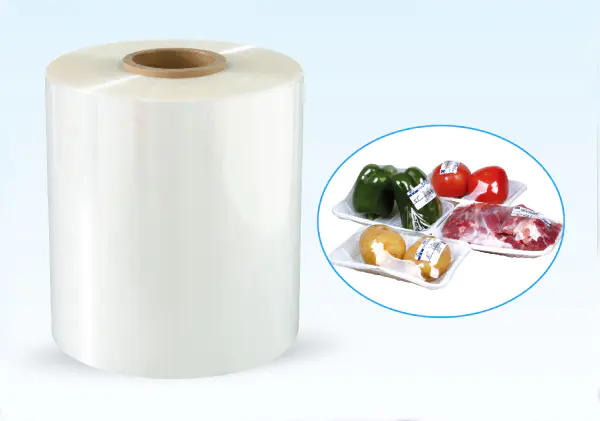
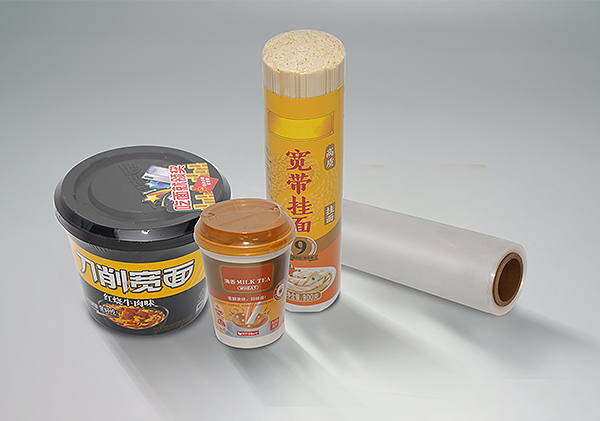
In fresh food packaging, POF shrink film wraps trays of produce, poultry cuts, cheese blocks, and bakery goods. It keeps contaminants off while letting shoppers see exactly what they're buying. Anti-fog versions stop condensation from clouding the view inside refrigerated cases, so the product stays looking fresh longer.
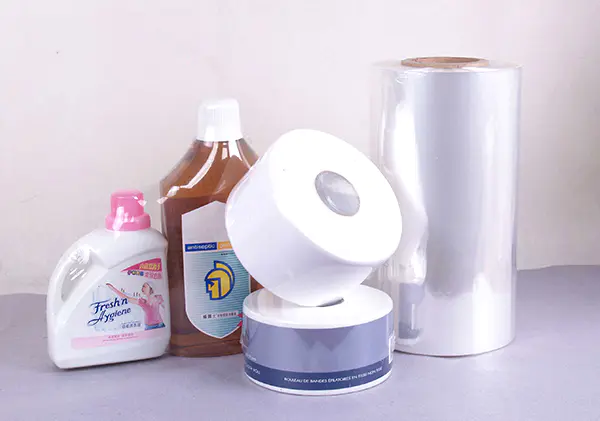
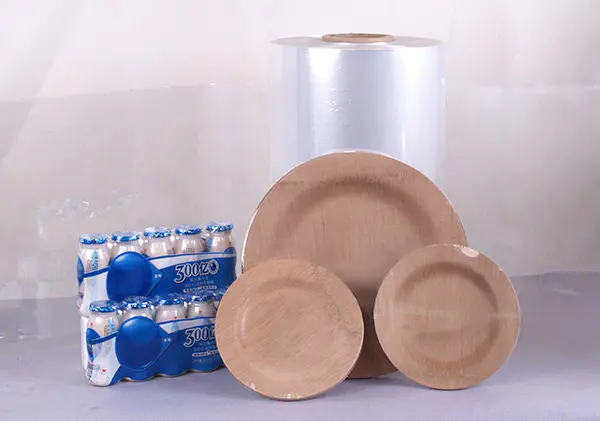
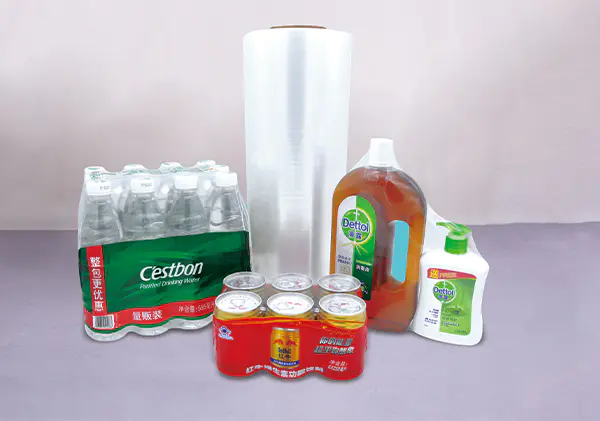
Frozen items benefit too. The film stays flexible at low temperatures instead of turning brittle and cracking, which helps avoid freezer burn and leakage. On the non-food side, it bundles hardware kits, groups small consumer electronics, secures printed materials like books or stationery sets, and unitizes multipacks of beverages or cleaning supplies.
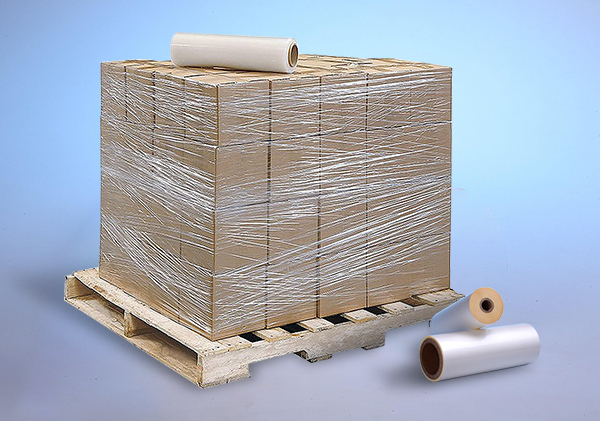
Industrial users often choose it for pallet stabilization or component bundling because it holds awkward shapes together without straps or excessive tape. The versatility comes from the film's ability to adapt to different contours while still delivering consistent tension.
| Protection Type | Main Mechanism | Typical Products That Benefit |
|---|---|---|
| Physical impact & shifting | Tight immobilization + slight cushioning | Glass, electronics, multipacks |
| Moisture & humidity control | Reduced vapor transmission | Food, paper goods, metal parts |
| Dust & contaminant block | Sealed surface coverage | Retail items, clean-room components |
| Tamper indication | Visible distortion on breach | Cosmetics, OTC meds, branded goods |
| Oxygen-related spoilage | Basic to moderate gas barrier | Fresh meats, snacks, perishables |
Protection doesn't have to be expensive. POF film uses relatively little material per package compared to rigid trays or thick cushioning. Application is fast on automated equipment, so labor stays reasonable even at higher volumes.
The biggest savings often come indirectly—fewer damaged shipments mean lower return processing costs, reduced customer complaints, and less rework. In food and perishables, cutting spoilage by even a small percentage improves margins noticeably. For e-commerce sellers, intact arrivals lead to better reviews and repeat business.
Sustainability conversations keep coming back to packaging. POF shrink film is recyclable in many polyolefin streams, and its thin gauge means less raw material overall. Some operations reuse the film for internal bundling after the primary package is opened.
Ongoing work on formulations aims to maintain performance while improving end-of-life options. It's not a perfect solution, but it fits reasonably well into broader efforts to lighten the environmental footprint of packaging.
POF shrink film rarely works alone in demanding applications. Pairing it with corrugated trays or boxes creates a hybrid system where the film handles close-contact protection and the outer structure adds stacking strength. For products needing stronger barriers, layering with metallized or EVOH films builds customized solutions without abandoning the benefits of shrink wrapping.
Those combinations let packaging engineers dial in exactly the level of protection required, balancing cost, performance, and shelf presence.
Things don't always go perfectly. Too much heat can cause over-shrinking and distortion; too little leaves weak spots. Good operators calibrate tunnels carefully and watch dwell times. Seal failures sometimes happen if film tension or jaw temperature isn't right—routine checks catch most of those early.
In very cold or hot climates, shrink ratios can behave differently. Testing small runs in actual storage and transport conditions helps pick the right grade upfront.
Resin and extrusion improvements continue quietly in the background. Future versions are likely to offer better barriers and toughness while staying just as easy to run. E-commerce growth pushes demand for films that survive longer delivery routes with more handling points. Adding simple indicators for temperature abuse or tampering could become more common too.
POF shrink film keeps evolving because the core job—protecting products reliably and affordably—doesn't change, even as supply chains do.
All in all, polyolefin shrink film strengthens product protection in ways that are straightforward yet effective. It handles physical risks, environmental exposure, and security concerns without adding much complexity or cost. That balance is why it remains a go-to option across food, consumer goods, and industrial packaging.
If you're looking for consistent POF shrink film that performs well in real production settings, Jtpackage runs a specialized factory focused on quality shrink materials. They produce both standard and custom grades, keeping close control over uniformity so the film behaves predictably on different machines and with various products.
Jtpackage prioritizes steady supply and straightforward communication, making it easier for clients to maintain smooth packaging operations. Reaching out to them often simplifies sourcing reliable film that supports strong product protection from start to finish.
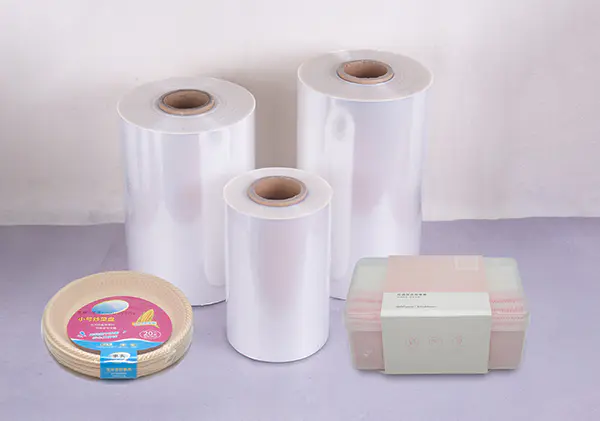
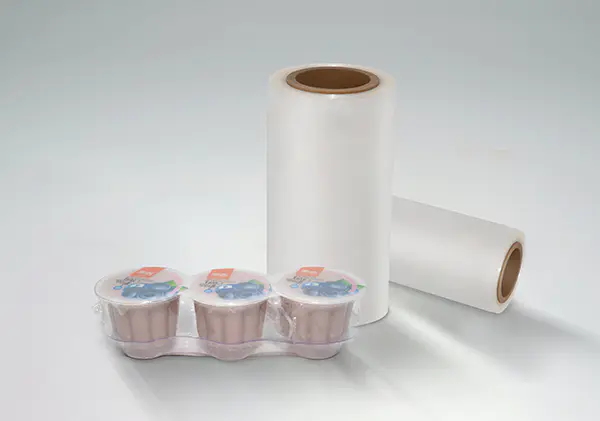
JT05 Antifog Crosslinked Shrink Film is an ideal o...
Copyright © Zhejiang Jiuteng Packaging Co., Ltd.
 简体中文
简体中文
 Home
Home
