
POF shrink film sees heavy use in packaging lines because it delivers a crisp, tight wrap that keeps products safe and looking sharp on the shelf. Once heat hits it, the film pulls in smoothly around the item, whether that's a single box or a multi-pack bundle. Companies across food, cosmetics, electronics, and general consumer goods count on it daily. The sealing step happens before the shrinking phase, and it sets the tone for everything that follows. If the seal holds strong and clean, the package usually comes out looking professional and stays intact through shipping and handling. When sealing conditions drift off, though, problems show up fast—weak bonds that split open, wrinkled edges, or foggy spots that hurt the presentation. Getting the sealing right means fewer rejects and smoother runs on the floor.
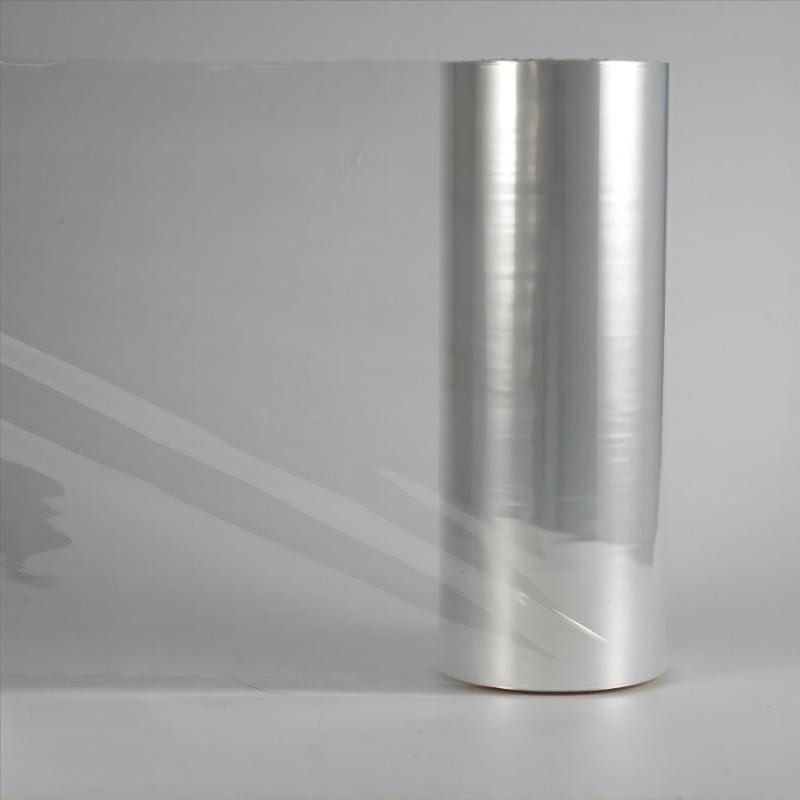
The film starts as a polyolefin blend, often built in multiple layers to strike a balance between strength, clarity, and ease of sealing. As it moves through a heat tunnel or past a heat source, it contracts evenly and hugs the product shape without much fuss. This works well for odd-sized items or bundles that other materials struggle with.
On the line, POF tends to run more smoothly than some traditional films. It handles sharp corners without tearing easily and keeps its transparency so the product stays visible inside the wrap. Food-safe grades open the door to grocery and fresh-item packaging without extra worry. Rolls come in different widths and thicknesses, letting operators pick what fits the job without major machine changes.
The way the material reacts during sealing ties straight to its makeup. When conditions line up, the layers soften just enough to fuse solidly, then hold firm as the film shrinks. This predictable behavior keeps waste low and output steady.
Sealing closes the film around the product to form a pouch or sleeve before the heat shrink step kicks in. That bond has to stand up to the pulling forces as the material tightens, or the whole package can fail. A solid seal leads to a clean, wrinkle-free finish that customers notice right away on the shelf.
Most setups use heated bars, impulse systems, or continuous band sealers to melt and press the edges together. How the heat, pressure, and contact time come together decides whether the bond turns out strong and even or spotty and fragile. When everything balances, the seal stays clear and supports the shrinkage without pulling apart.
Good seals also keep the contents secure and maintain the barrier against dust or moisture. Weak ones let things shift inside or allow air leaks that ruin the tight look everyone expects.
A few key factors during sealing drive the outcome with POF film. Heat stands front and center. It needs to soften the layers enough to let them flow together, but if it gets uneven, parts of the seal can thin out or not bond fully. That often shows later as splits or peeling under normal handling.
Pressure presses the layers close while they're soft, pushing out air and helping the material fuse evenly. When pressure spreads out properly, the seal comes out smooth and holds steady. Uneven force leaves thin or thick spots that become weak links.
Contact time gives the heat a chance to work through the film thickness. The right duration builds deep, flexible bonds without overcooking the edges. Too short, and the seal stays shallow; too long, and it can get brittle or distorted.
Machine setup and upkeep matter too. Bars that stay clean and aligned prevent debris from getting trapped or gaps from forming in the bond line.
| Sealing Condition | Common Effects on Results |
|---|---|
| Heat Level | Drives fusion depth; uneven application leads to thin or weak areas |
| Pressure Applied | Controls uniformity; variations create inconsistent bond strength |
| Contact Time | Affects bond completeness; mismatches cause shallow or brittle seals |
| Bar Alignment | Influences edge quality; misalignment produces gaps or overlaps |
| Cleanliness | Prevents debris interference; buildup weakens adhesion |
Heat melts the film surfaces so the polymer chains can mix and lock together as they cool. Even distribution creates seals that shrink cleanly without tearing. Spotty heat, though, can burn small holes or warp the edge, leading to leaks or ugly finishes.
Thicker films naturally need more warmth to reach the core, while faster line speeds call for quicker transfer. Operators often tweak settings run by run to hit the sweet spot where the seal looks glossy but stays tough.
Room temperature around the machine influences things as well. Warmer shops might run slightly cooler settings, while colder ones need a bit more to get the same melt. Watching this shift by shift keeps seals steady.
Pressure squeezes the softened layers tight, forcing good contact across the whole seal width. Even force results in dense bonds that resist the tug of shrinkage and later knocks in transit. When pressure drops off in spots, those areas stay thinner and tear more easily.
Most machines let operators dial in the force to match the film gauge. Higher pressure can sometimes make up for slightly lower heat by improving contact. Finding that combination gives seals that look flat and feel solid.
The dwell period lets heat soak through fully so the bond forms all the way across. Enough time builds flexible strength that moves with the film during shrinking. Rushing it leaves only surface fusion that peels under stress.
On the flip side, holding too long risks over-melting that turns the edge hard and crack-prone. Most lines aim for the middle ground where the seal stays clear and supple.
Automatic equipment adjusts dwell as speed changes, while manual stations rely on operator feel to keep timing consistent.
Puckered seals often come from heat and pressure not matching up. The edge bunches during shrinkage, leaving wrinkles that hurt appearance and can hide weak spots.
Overheated seals turn glassy and snap easily when the film contracts. These brittle lines fail to hold the wrap snug and let the package loosen over time.
Shallow bonds from short dwell or light pressure open up under even mild tension. Packages like this leak air or let contents shift inside.
Residue buildup on sealing bars embeds particles into the bond, cutting strength and clarity. Regular wipe-downs prevent most of this trouble.
Spotting patterns in defects helps narrow down which condition needs tweaking first.
Keeping sealing bars wiped clean between runs stops residue from carrying over and weakening bonds. A quick pass with approved cleaners makes a noticeable difference.
Running test pieces at the start of each shift lets operators check seal pull strength and appearance before going full speed. Small adjustments early save big headaches later.
Training staff to watch for odd smells, smoke wisps, or unusual textures during sealing builds quick response habits. Catching drift early keeps most of the run on track.
Simple pull checks on sample packages give hard feedback on bond quality. Logging results shift by shift builds a handy reference for ongoing fine-tuning.
Storing film rolls away from dust and excess moisture prevents surface issues that carry into the sealing step.
| Practice | How It Helps Sealing |
|---|---|
| Regular Bar Cleaning | Cuts contamination for cleaner, stronger bonds |
| Startup Test Runs | Confirms settings before full production |
| Operator Awareness | Spots problems early for fast fixes |
| Sample Strength Checks | Provides real feedback on bond quality |
| Clean Film Handling | Avoids pre-seal surface issues |
When seals start failing in a pattern, look at recent changes—new roll, speed increase, or shift in room conditions. Adjusting one factor at a time pinpoints the fix faster.
Weak across the whole run often traces to low pressure or dwell. Bumping those slightly and testing again usually shows quick improvement.
Spotty issues point toward alignment or dirty bars. Realigning and cleaning often clears it up without bigger changes.
Keeping notes on what worked last time turns troubleshooting into a shorter process over the months.
Busier operations sometimes add sensors that watch heat and pressure live, making small corrections on the fly. This keeps output steady even as conditions drift a bit.
Trying different film formulations can open wider operating windows. Some blends forgive small setting variations better than others.
Humidity swings in the plant can dry the film or build static, so minor tweaks handle seasonal shifts without full resets.
When sealing stays balanced, packages shrink evenly, look sharp, and hold up through the supply chain. This cuts returns and builds trust with retailers and end customers.
Refined sealing habits also trim material waste and cut downtime, adding up to real savings on busy lines.
Over time, dialed-in processes make POF film a dependable part of daily production.
The base quality of POF shrink film affects how forgiving it is during sealing. Factories that hold tight control over production turn out material that bonds reliably across typical machine settings.
JTPackage runs a dedicated operation making POF shrink film with steady batch consistency. Their focus stays on delivering characteristics that support solid sealing performance under everyday conditions.
Companies wanting a straightforward, dependable film supply often find that working with JTPackage provides rolls suited to common packaging needs while fitting smoothly into established sealing practices.
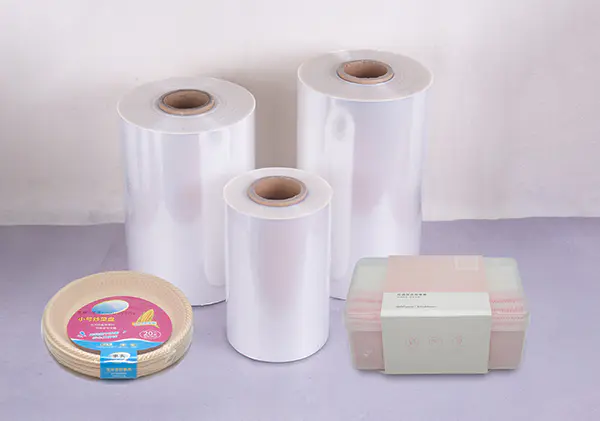
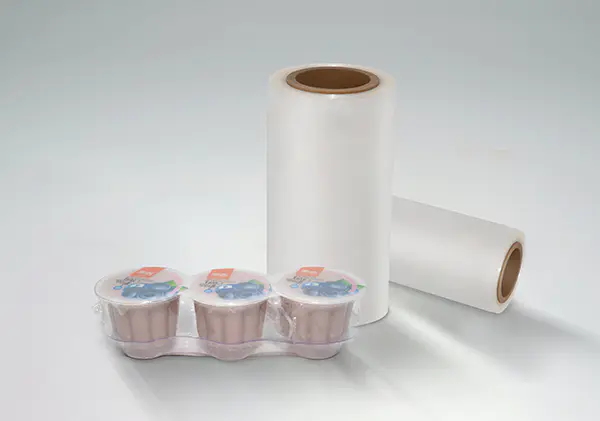
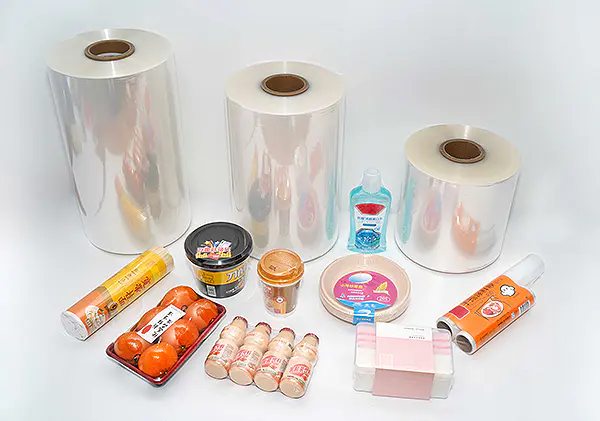
JT05 Antifog Crosslinked Shrink Film is an ideal o...
Copyright © Zhejiang Jiuteng Packaging Co., Ltd.
 简体中文
简体中文
 Home
Home
