
Notice how a case of canned soup at the grocery store holds together without a box around it. A thin, tight layer of plastic does that job, and it's doing more than just keeping the cans from rolling off a pallet. It's part of how the product gets presented, how it survives a warehouse forklift ride, and how it eventually ends up in someone's cart looking intact. Shrink film has quietly become one of the more common materials handling that job, and the growing use of polyolefin versions says something about where packaging is drifting.
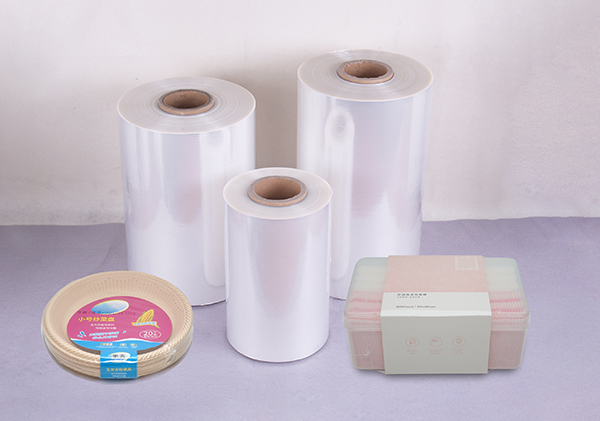
Packaging used to be an afterthought tacked on once a product was ready to ship. That's shifted. Now it gets factored in earlier, alongside decisions about branding and how something will look sitting on a shelf next to competitors.
A produce distributor bundling bags of onions has different packaging pressures than an electronics company shipping cables in bulk. Both reach for some kind of wrap, but the demands pull in different directions depending on the product.
A few patterns explain why film choices get more attention than they used to:
| Shift in the Market | What It Asks of Packaging |
|---|---|
| More product variety per company | Films that adjust without new tooling for each item |
| Products traveling further before reaching a customer | Wraps that hold up through repeated handling |
| Shelf space getting more competitive | Packaging that lets the product speak for itself |
| Closer attention to material use | Less film applied out of habit rather than necessity |
None of these forces on their own explains a full packaging overhaul. Together, they explain why a packaging manager might spend a week testing different films instead of reordering the same roll from last year.
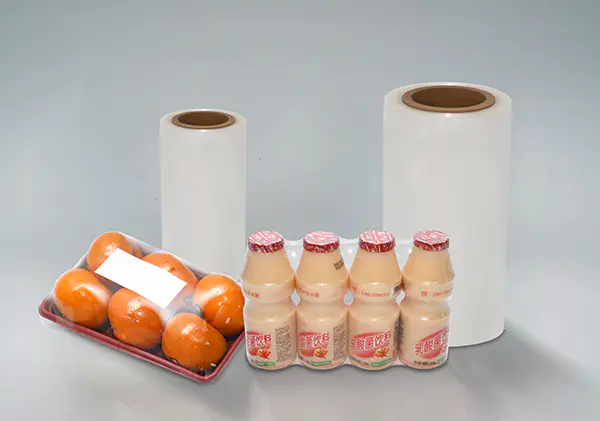
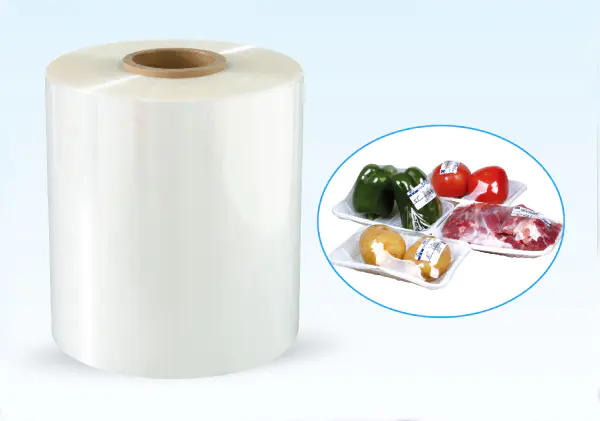
Shrink Film POF follows a simple process — place the film around a product, add heat, and the material contracts to fit the shape underneath. Polyolefin, commonly referred to as POF in packaging environments, often provides a clearer appearance and a more flexible feel compared with some older film materials after shrinking.
What tends to make it useful in practice:
| Feature | Why It Matters Day to Day |
|---|---|
| Clear finish | Lets the product stay visible instead of hidden behind haze |
| Flexible application | Adjusts to odd shapes without extra equipment |
| Manageable handling | Works reasonably well in both manual and machine setups |
| Smooth shrink result | Avoids the wrinkled, unfinished look on a finished package |
A shop bundling a set of scented candles, for example, generally wants shoppers to see the product clearly through the wrap rather than guessing at what's inside from a vague outline.
A bag of dried pasta, a stack of notebooks, and a set of garden tools don't behave the same way once they're wrapped and run through a heat tunnel. A film that adapts across these differences saves a business from managing separate packaging setups for every product line.
Shrink Film POF tends to support:
A hardware store bundling a set of paintbrushes together, for instance, relies on this kind of wrap to keep the set intact from the supplier's warehouse to the store shelf without needing a rigid box around it.
People judge products fast, often before reading a single word on the label. A package that looks tidy tends to get picked up over one that looks loose or mishandled, even when both products are identical inside.
Design choices that shape this reaction:
| Design Element | What It Does |
|---|---|
| Transparency | Lets a shopper see exactly what they're buying |
| Surface smoothness | Avoids the sense that the product was handled carelessly |
| Shape-hugging fit | Makes irregular items look intentional |
| Consistency across a product line | Reinforces trust in the brand overall |
Shrink Film POF tends to support this because a clean, tight shrink result does a lot of that visual work without needing elaborate packaging design behind it.
Some packaging jobs put more strain on a film than a basic version can handle — sharp corners, heavier bundled weight, or a shipping route involving a lot of rough handling. Cross Linked Polyolefin Shrink Film gets built with an altered internal structure that gives it more resistance to tearing and puncturing under that kind of stress.
It tends to get chosen for:
A supplier bundling metal hardware or tools often reaches for this version, while something like packaged bread rolls usually doesn't need that added toughness.
Plastic packaging gets scrutinized more than it used to, and businesses are paying closer attention to how much film actually ends up wrapped around a single product. This isn't about abandoning plastic film altogether — it's about applying it with more intention.
Areas getting more attention:
A business that switches to a thinner film without sacrificing how well it holds up during shipping is addressing this in a concrete way rather than through a vague sustainability claim.
Packaging decisions affect more than just how a product looks — they ripple into how quickly a warehouse can move product out the door. A film that applies quickly and holds up during stacking saves real time compared to something that tears easily or needs constant adjustment.
| Efficiency Factor | Practical Effect |
|---|---|
| How much material gets used per item | Affects overall packaging cost and waste |
| How smoothly it runs through equipment | Keeps production lines moving without delays |
| How many product types it can handle | Reduces the need to stock multiple film varieties |
| How well it holds up in storage | Cuts down on damaged goods before they even ship |
A distribution center handling different product lines benefits when a single film type can suit a wide range of applications, reducing the need for frequent material changes during daily operations.
Products vary too much in shape and size for a single rigid packaging approach to work across an entire catalog. A film that adjusts to different products without requiring a full process change gives manufacturers room to keep expanding what they sell.
Flexible film supports:
A seasonal retailer switching from holiday merchandise to spring inventory benefits directly from a film that doesn't require new equipment just because the products on the shelf changed.
Improving a packaging film isn't just about tweaking the material itself. It also involves thinking through how that film performs on an actual production line, how it holds up during transport, and how it looks once a customer has it in hand.
Areas manufacturers keep working on:
| Focus | Why It Matters |
|---|---|
| Adjusting to a wider range of products | Reduces the need for specialized films |
| Improving how the finished wrap looks | Supports better shelf presentation |
| Making application easier on the line | Speeds up daily packaging operations |
| Expanding where the film can reasonably be used | Opens up new applications without redesigning the material |
These refinements tend to happen gradually, often in response to specific problems businesses run into on the floor rather than through dramatic redesigns.
Manufacturing technology plays a role in how packaging film gets produced and applied, even if the changes aren't always visible to a shopper picking up a wrapped product. Improved control over the manufacturing process can help create films that shrink more consistently and perform reliably around specific stress areas.
Development in this area tends to focus on:
A business running high volumes benefits from this kind of consistency, since even small variations in film behavior can add up into real cost differences across thousands of packages.
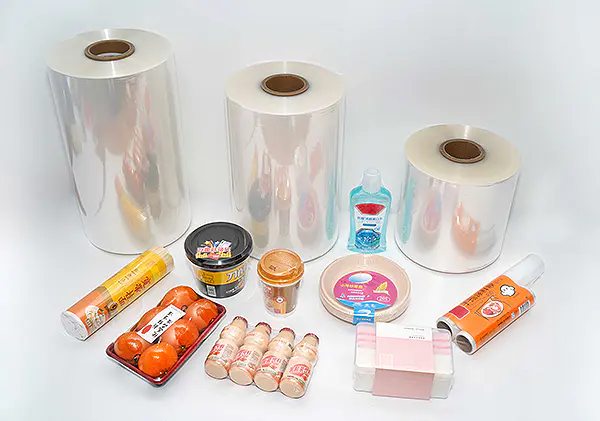
Food producers, retailers, and industrial suppliers keep circling back to a similar request when it comes to packaging film — something that looks presentable, holds up during handling, and doesn't complicate daily operations. Shrink Film POF, along with Cross Linked Polyolefin Shrink Film for tougher jobs, continues answering that request across a fairly broad mix of everyday products.
As businesses keep expanding what they sell and how far it travels before reaching a customer, packaging film will likely keep adjusting toward that same balance — clear, practical, and durable enough to survive the trip without drawing attention to itself. It's the kind of everyday material that mostly goes unnoticed, right up until a package arrives torn and someone starts asking questions about what went wrong.
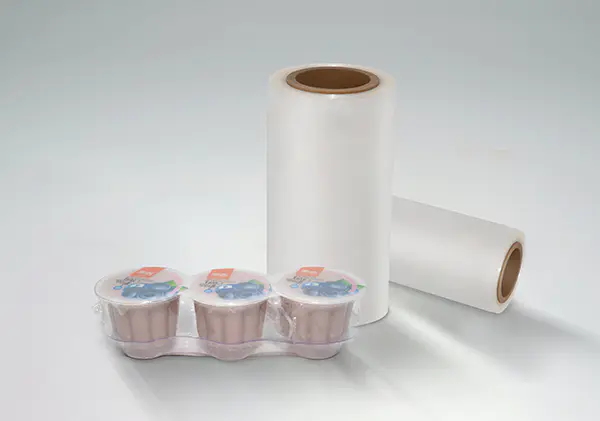
JT05 Antifog Crosslinked Shrink Film is an ideal o...
Copyright © Zhejiang Jiuteng Packaging Co., Ltd.
 简体中文
简体中文
 Home
Home
