
Polyolefin shrink film is widely used in packaging because it provides a clean, tight wrap that protects products and makes them look good on the shelf. When heat is applied, the film shrinks neatly around whatever it's covering, whether that's a single item or a bundle of several. Many companies rely on it for food, cosmetics, electronics, and everyday consumer goods. The performance of the film over time comes down to how it's stored once it arrives at the warehouse. If storage conditions are off, the material can develop issues that only become obvious when it's running through the packaging machine—things like patchy shrinking, foggy patches, or seals that don't hold properly. Getting storage right from the start saves a lot of headaches and cuts down on wasted material.
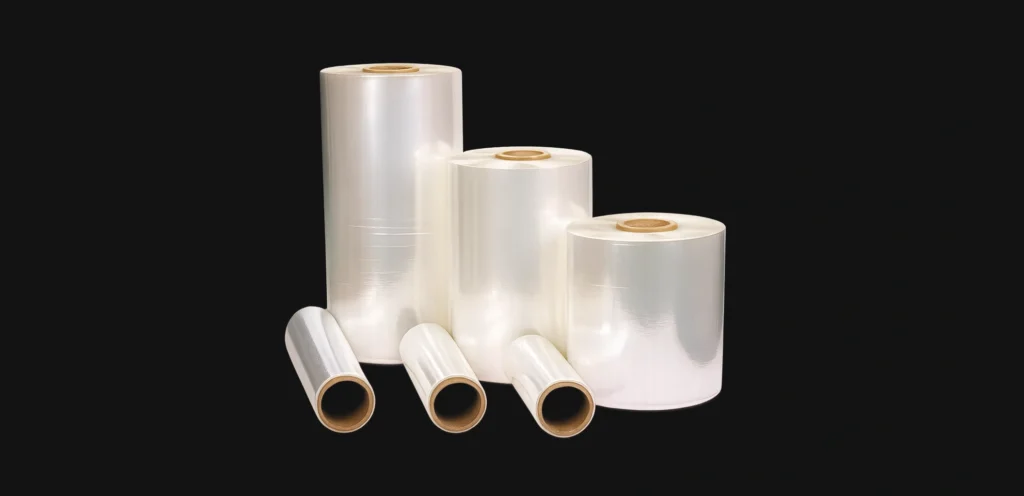
The film is built from olefin-based polymers, usually a mix that includes ethylene and propylene components. Most versions have several layers engineered together to give a combination of toughness, clarity, and good sealing. As it passes through a heat tunnel or under a heat gun, it pulls in evenly to hug the product shape. This makes it handy for all sorts of irregular items that are tricky to wrap with other materials.
In day-to-day use, polyolefin tends to be more forgiving than some older films. It resists punctures better when wrapping boxes with sharp corners, and it keeps a high level of transparency so customers can see the product inside. Food-contact approved grades are standard, which opens up a lot of possibilities in grocery and fresh produce packaging. Rolls come in various widths and thicknesses, so packagers can match the film to the job without overcomplicating their setup.
Because the polymer structure reacts to its surroundings, long-term exposure to the wrong conditions can slowly alter how the film behaves. Keeping things steady in storage helps the material stay close to its original state, so shrinkage and strength remain predictable when it's time to use it.
Temperature swings are often the main culprit when film starts acting up. If the warehouse gets very warm one day and much cooler the next, the material can end up either too limp or overly rigid, and that shows up as inconsistent results on the line.
Moisture in the air makes a difference too. High humidity can make the layers inside a roll cling together, causing feed problems when unwinding. Very dry conditions encourage static that pulls in dust and leaves marks on the finished package. Most warehouses find that keeping humidity in a moderate range avoids both extremes.
Bright light, especially sunlight streaming through windows or loading doors, gradually affects the film over months. Rolls left in those spots may pick up a faint tint or lose some flexibility. Simply moving stock to shadier areas or covering it helps a lot.
The way rolls are physically handled and stacked matters just as much. Laying them flat for long periods or piling heavy items on top can squash the core or push the edges out of alignment. Dust floating around the storage zone settles on any exposed film and dulls the finish.
| Factor | Typical Problems When Ignored |
|---|---|
| Temperature | Inconsistent softness or stiffness, uneven shrinkage |
| Humidity | Layers sticking, static dust pickup |
| Light Exposure | Faint discoloration, slight loss of flexibility |
| Physical Handling | Crushed cores, misaligned edges, small tears |
| Cleanliness | Dusty surface, reduced clarity on finished packs |
Most operations do well by picking a corner of the warehouse that stays away from direct heat sources, cold drafts, or busy traffic areas. Middle-height shelving often provides even conditions day to day.
Standing rolls upright on pallets or proper racks stops the weight from pressing down unevenly and keeps the edges straight. A light cover—anything from basic cardboard sleeves to breathable fabric—shields the film from dust and stray knocks without trapping moisture.
Using older rolls first is straightforward common sense. A quick date mark on the wrapper or shelf label keeps everyone pulling the right stock and prevents anything from sitting forgotten for too long.
Walking through the storage area every few weeks lets you spot small issues early, like condensation on wrappers or a new dusty patch from nearby work. In places with big seasonal shifts, a portable dehumidifier or small heater can smooth things out without much expense.
Storing the film away from cleaning chemicals or anything with strong smells avoids any chance of odors working their way in. A regular sweep of the floor cuts down on particles that could land on open rolls.
These basic routines add up to fewer surprises when the film hits the packaging line.
How long the film stays reliable ties straight to the conditions it lives in. Starting quality varies a bit depending on the exact formulation and how carefully it was made, but storage is what really determines day-to-day performance months later.
Any bumpy transport or temporary warehousing before it reaches its final spot can chip away at that lifespan. Each stretch of poor conditions leaves a small mark that adds up.
How often rolls get moved or partially used also plays a part. Constant handling opens the door to tiny edge nicks or dust that build over time.
Above all, steady warehouse conditions slow the gradual changes that happen naturally in any plastic. Avoiding repeated hot-cold or wet-dry cycles keeps the material behaving close to new for longer.
| Storage Approach | Usual Conditions | General Effect on Usable Life |
|---|---|---|
| Careful Management | Even temperature, moderate humidity, shaded | Keeps performance strong longer |
| Less Attention | Big swings in heat/moisture, bright areas | Shortens reliable period noticeably |
The first hints usually show in how the film looks. A perfectly clear roll might start looking slightly hazy across large sections, or pick up a very faint color shift that's hard to miss once you notice it.
Feel can change as well. It may become tacky when unrolling after damp weather, or snap more easily when bent if the air has been too dry or cold.
Real proof comes during packaging. The wrap might pull unevenly in spots, leaving loose areas or wrinkles, and seals can need extra heat that risks scorching the product.
Any odd smell from a roll, though it doesn't happen often, is worth checking out right away.
Catching these clues early means you can set aside questionable stock and fix whatever caused the issue before it spreads.
Choosing suppliers who keep tight control over production gives the material a solid starting point. Clean, consistent manufacturing means fewer weak points that could age faster in storage.
Good racking and a few basic monitoring tools are worth the upfront cost when you figure in lower scrap rates. Showing warehouse staff the right way to lift and place rolls prevents most accidental damage.
Even simple tracking—maybe just a spreadsheet—helps keep stock moving and flags anything that's been around longer than planned. Arranging more frequent, smaller deliveries instead of huge infrequent drops keeps overall storage time down.
Checking the storage setup every few months catches creeping problems, like a new light fixture or higher humidity from seasonal changes. Small tweaks at that point keep everything running smoothly.
Putting these pieces together squeezes value out of every roll.
Where the film comes from affects how well it holds up through normal warehouse life. Factories that pay close attention to formulation and production consistency deliver material that handles storage better from the outset.
JTPackage runs a focused operation producing polyolefin shrink film with reliable batch-to-batch quality. Their approach prioritizes characteristics that stay stable when standard storage guidelines are followed.
Companies looking for a dependable, straightforward supply often find that working with JTPackage delivers film suited to everyday packaging needs while supporting practical warehouse practices.
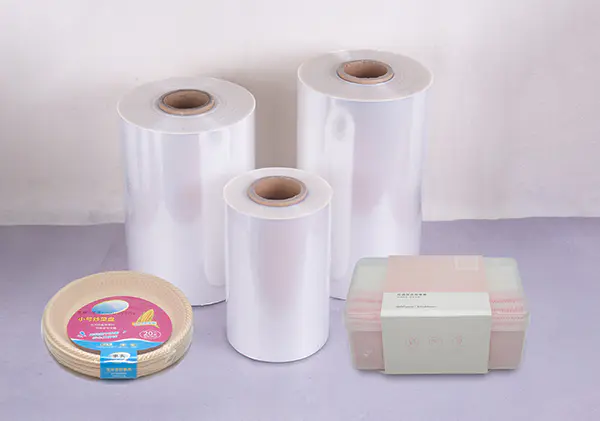
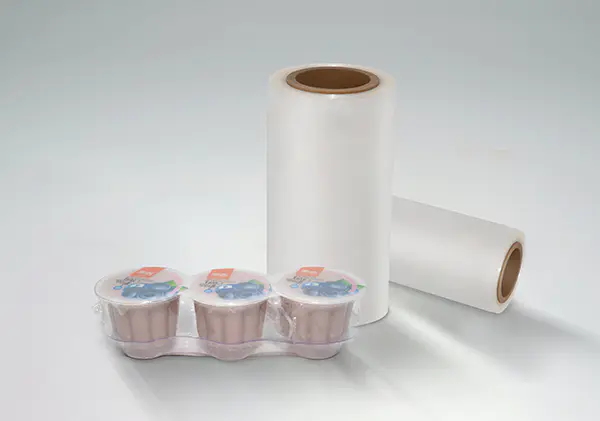
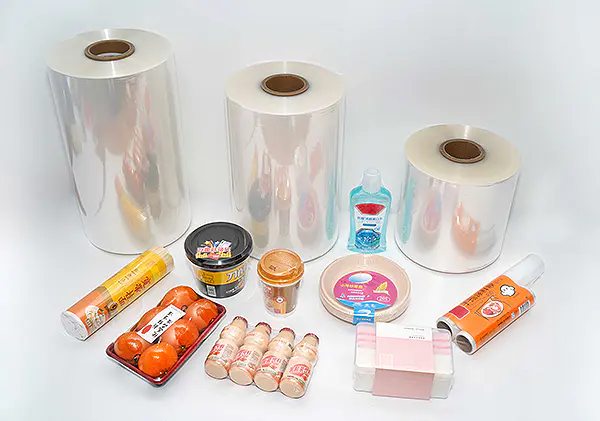
JT05 Antifog Crosslinked Shrink Film is an ideal o...
Copyright © Zhejiang Jiuteng Packaging Co., Ltd.
 简体中文
简体中文
 Home
Home
