
The right shrink film can make a noticeable difference in how smoothly packaging runs day to day. Polyolefin film gets used a lot because it shrinks tight when heated, stays clear so products look good underneath, and holds up without tearing easily in most cases. When it comes time to pick between single-wound and double-wound versions, the decision usually comes down to how the film is rolled up and what that means for the machines, the operators, and the products being wrapped.
Single-wound rolls have just one layer of film wound onto the core. Double-wound rolls have two layers going on at the same time, so when you unwind, both come off together. That basic difference affects everything from how easy the roll is to load, to how strong the finished wrap feels, to how many times someone has to stop the line to change rolls. Neither one is always better—they just fit different situations. A small shop wrapping gift boxes by hand might lean one way, while a busy line bundling cases of drinks might go the other. This article breaks down what each type does well, where they differ, and the real-world things to think about when deciding.
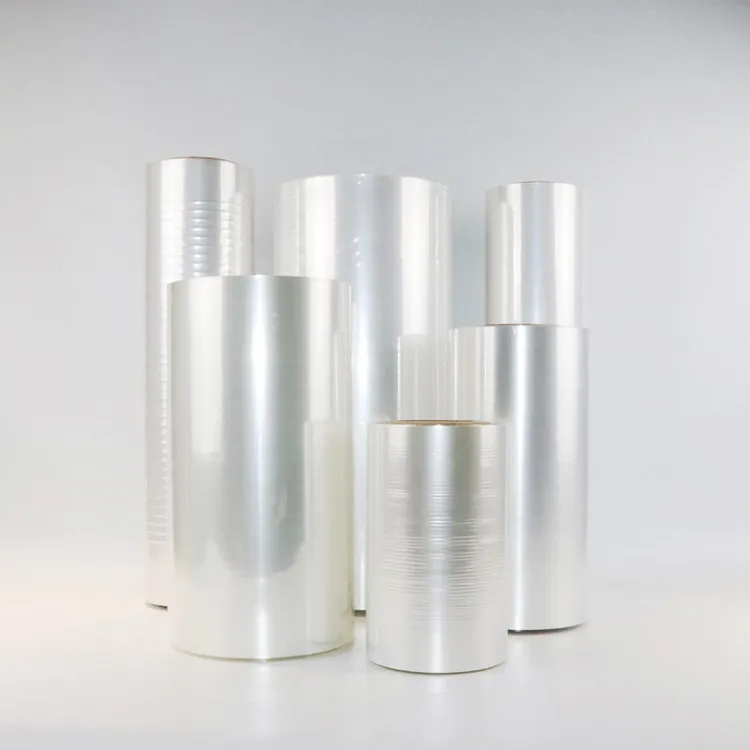
With single-wound film, you get one flat sheet coming off the roll. Loading it onto a machine takes almost no extra steps—just slide the roll on, thread the end through the rollers, and go. That quick setup saves time on lines where operators change rolls often or where the team is small and everyone handles multiple tasks.
The finished wrap tends to be even and snug. It pulls tight around boxes, trays, or odd-shaped items without much wrinkling if the heat and speed are dialed in right. Clarity stays high, which matters when the product needs to sell itself on the shelf. Food packers like it for things like vegetable trays or baked goods because it keeps everything clean and visible while still allowing a little air exchange in some formulations.
On the handling side, the roll weighs less and takes up less space in storage. Forklifts or hand trucks move them around without much effort, and they stack neatly on pallets. For manual wrapping stations, the single layer means less fighting with the film when pulling it off. Fewer breaks happen during application since there's no second layer to snag.
Places that run shorter batches or switch products frequently often stick with single-wound. The simplicity keeps things moving without constant tweaks to equipment.
Double-wound film puts two layers on one roll, so unwinding gives you two sheets at once. That setup lets some machines apply wrap from both sides in a single pass, which can cut down on passes through the tunnel or reduce the chance of uneven shrinkage on thicker bundles.
The extra layer adds strength right away. Puncture resistance goes up, making it better for sharper edges or rough handling later in the supply chain. When the film shrinks, the two layers work together to hug the product more firmly, which helps with stability during stacking or transport.
Operators on higher-speed lines appreciate fewer roll changes. One double-wound roll can cover what would take two single-wound rolls in some setups, so downtime drops. For automated systems built for layered film, alignment is straightforward once set, and the run can continue longer before stopping.
Storage-wise, fewer rolls mean less clutter in the warehouse. The combined thickness makes each roll do more work, which can help when floor space is tight. In beverage plants bundling multipacks or in hardware wrapping tools, the added toughness shows up in fewer damaged shipments.
| Aspect | Single-Wound Film | Double-Wound Film |
|---|---|---|
| Roll Makeup | Single layer on the core | Two layers wound together |
| Loading Time | Quick and simple | Takes a bit more care for alignment |
| Finished Wrap Strength | Good for everyday needs | Better puncture and tear resistance |
| Roll Changes | More frequent on long runs | Fewer changes for the same output |
| Storage Space | More rolls needed for same amount | Fewer rolls take up less room |
| Machine Fit | Works on basic setups | Prefers systems made for dual unwind |
These differences usually point the way depending on what the line looks like and what gets wrapped.
Start with the equipment sitting on the floor. If the machines only handle single-layer film or lack dual unwind stands, pushing double-wound could mean expensive upgrades or constant jams. On the flip side, if the setup already runs layered film, sticking with single-wound might waste potential.
Look at the products themselves. Light, fragile things like cosmetics or electronics often do fine with single-wound—enough hold without overkill. Heavier multipacks, cases with corners, or items that shift during transit usually benefit from the extra layer in double-wound.
Daily output numbers matter a lot. Low-volume runs or frequent product changes favor single-wound because setup stays fast. High-speed, long-shift operations see real gains from double-wound since roll swaps happen less often.
Cost adds up differently than people expect. Single-wound rolls might look cheaper at first glance, but double-wound can save money over time through less labor and fewer stops. Factor in waste too—double-wound sometimes trims better on certain machines, cutting scrap.
Warehouse space and shipping play roles. Single-wound means more pallets coming in, which can crowd docks. Double-wound reduces incoming volume for the same footage.
Staff experience counts. Newer teams or part-time help usually find single-wound less intimidating. Seasoned operators handle double-wound alignment without thinking twice.
Running test rolls before a full order shows what really works. Shrinkage, seal strength, and how the film behaves under real tension become clear quickly.
Retail packers use single-wound a lot for individual items—think candles, books, small toys, or personal care products. The clear wrap lets the design show through while keeping everything secure.
Food lines wrapping trays of produce, cheese, or ready meals often go single-wound. It secures without squeezing too hard, and the breathable nature helps in some cases.
Smaller shops or manual stations prefer it because no fancy equipment is needed. One person can load and run without much training.
Online sellers like it for light parcels. The slim profile keeps boxes compact for cheaper shipping.
Promotional multipacks—variety snack packs or sample sets—wrap cleanly without looking bulky.
Industrial lines wrapping metal parts, tools, or machinery components lean on double-wound for the puncture resistance. Sharp edges don't poke through as easily.
Beverage plants bundling bottles or cans get stable packs that stack well on pallets. The dual layers hold everything in place during bumpy rides.
Pharma and medical supply wrapping uses it for tamper-evident seals on sensitive items. The extra strength adds reassurance.
Logistics operations dealing with irregular shapes or heavy loads find double-wound covers better in one pass.
Automated high-output lines run smoother with fewer interruptions, keeping throughput steady.
Single-wound keeps things simple—fast load, broad machine fit, easy storage for small spaces. The downside shows up on demanding jobs where tears happen more often or extra strength would help.
Double-wound brings toughness and efficiency on big runs—better protection, fewer stops, solid hold on tricky items. Loading takes more attention, and it needs the right equipment to shine.
Most operations settle somewhere in the middle after testing both.
Store rolls standing upright in a cool, dry spot away from direct sun or heaters. Moisture or heat can make the film brittle or sticky.
When running, watch heat zones carefully. Too much can cause holes; too little leaves loose spots. Small tweaks make a big difference.
Keep equipment clean—rollers with buildup cause uneven pull. Check tension settings regularly.
For hand wrapping, pull steady and even. Jerky motions create weak points.
Track what breaks or seals poorly over a week. Patterns point to whether a switch would help.
Adding corner boards or trays under the film improves results on sharp products.
The film that matches the line reduces headaches. Single-wound lets small teams pivot quickly. Double-wound keeps big lines humming longer.
Good wraps mean fewer customer complaints about damage. Products arrive looking sharp, which helps repeat business.
Less waste from bad seals or tears adds up over months. Efficient runs keep labor costs in check.
In busy markets, packaging that holds up stands out. It shows care from factory to shelf.
Wrinkles or uneven shrink usually trace back to heat or speed mismatches. Run short tests adjusting one thing at a time.
Tears on unwind often come from nicks on the roll edge or too much drag. Handle rolls carefully and check guides.
Weak seals happen when film type doesn't match the product shape. Switching sometimes fixes it instantly.
Static in dry air makes film cling wrong—anti-static bars or sprays help.
Quick daily checks catch small issues before they slow everything down.
As production grows, needs change. What works for a startup might not fit later. Double-wound often makes sense when volume climbs.
New film blends keep appearing, mixing strengths of both styles. Keeping an eye on samples stays worthwhile.
Sustainability pushes everyone toward less material overall. Both types can fit that goal with thoughtful use.
Training operators on both builds flexibility. When someone knows how to run either, the line adapts easier.
Deciding between single-wound and double-wound polyolefin shrink film comes down to matching the roll to the real work being done. Single-wound keeps setup fast and simple for lighter or shorter runs. Double-wound adds strength and cuts interruptions on heavier or faster lines. Looking at machines, products, output, and team habits points to the practical fit. Either way, the goal stays the same—tight, clear, reliable wraps that get products through the supply chain in good shape.
Factories like JTPackage make both single-wound and double-wound polyolefin shrink film with everyday operations in mind. JTPackage focuses on rolls that load smoothly, shrink evenly, and hold up across food, retail, and industrial packaging.
Working with JTPackage gives access to film options tuned for different lines and needs. The practical focus helps pick the right type without guesswork, keeping packaging consistent and efficient.
JT05 Antifog Crosslinked Shrink Film is an ideal o...
Copyright © Zhejiang Jiuteng Packaging Co., Ltd.
 简体中文
简体中文
 Home
Home
