
A packaging line only performs as well as the weakest link between the product, the film, and the machine applying it. On lines built around a shrink wrap machine, that weak link is usually a mismatch: a film chosen without regard to the sealing method, or a machine run at a line speed the film and tunnel were never tuned for. The result shows up downstream as loose wrap, scorched film, or pallets that arrive at the dock with torn corners.
Across contract packagers and distribution centers, facilities that pair a properly specified shrink wrapping machine with a tunnel tuned to the film in use typically report reject rates under 2 percent. Lines still relying on handheld heat guns or poorly calibrated tunnels commonly run 6 to 9 percent rejects, most of it rework labor rather than raw material loss.
Field data point: Facilities switching from manual wrap stations to an automatic shrink wrapper paired with a heat tunnel report film consumption dropping 15 to 25 percent, largely from tighter, more consistent wrap patterns and less operator-driven overwrap.
The sections below break down the film families, machine categories, and process controls that determine whether a shrink packaging system becomes a bottleneck or a quiet, dependable stretch of the line.
Labor is the other variable that shifts once a facility moves from manual wrap stations to a proper shrink wrapping machine. A handheld heat gun station typically ties up one operator per lane for the full duration of a shift, with output that rises and falls with fatigue and attention. Once sealing and shrinking are handled by a machine and a tunnel, that same operator can supervise two or three lanes, feed upstream equipment, or handle quality checks instead of repetitive wrapping motions. Over a full shift, the difference is not just speed, it is the consistency of the wrap pattern from the first pallet of the day to the last, which matters as much to a receiving dock as raw throughput does.
Line planners also need to weigh how a shrink station interacts with equipment upstream and downstream. A tunnel running faster than the case former feeding it just creates a queue; a sealer slower than the palletizer downstream becomes the new bottleneck. Sizing shrink wrap equipment against the actual pace of neighboring stations, not a catalog's maximum rated speed, is an often overlooked step in a line upgrade.
Nearly every shrink packaging decision starts with the film, not the machine. The film's gauge, shrink force, and heat tolerance dictate which sealer geometry, tunnel temperature, and conveyor speed will actually work, and getting that sequence backward is how facilities end up troubleshooting a tunnel that was never the actual source of the problem.
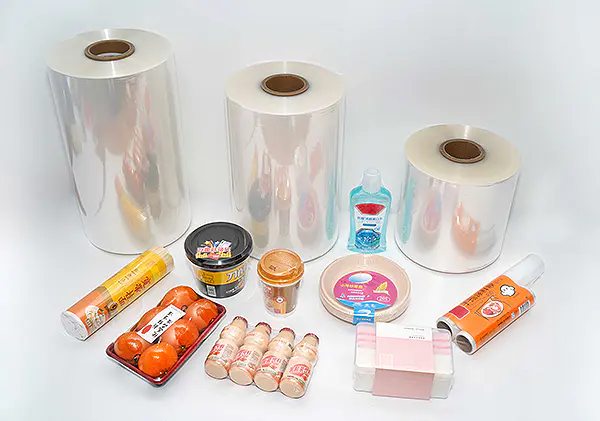
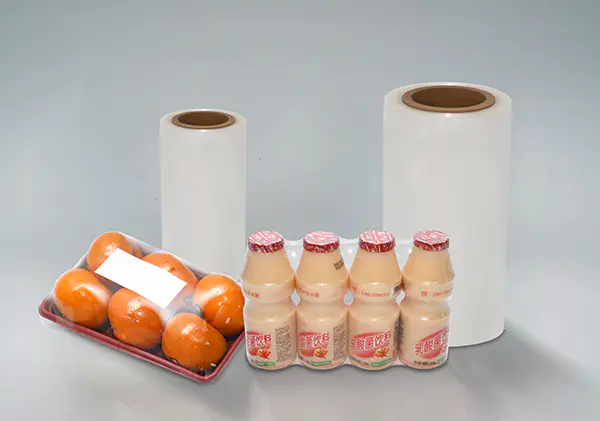
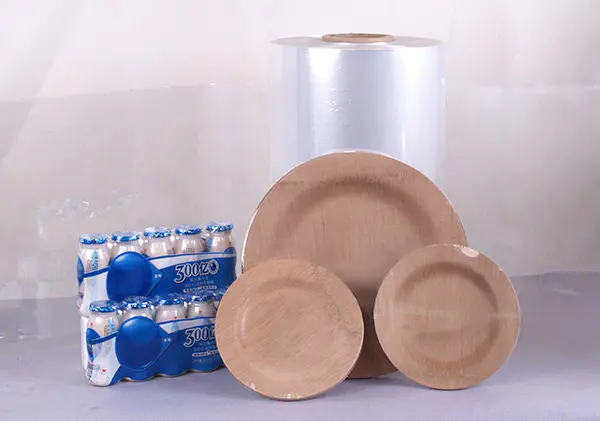
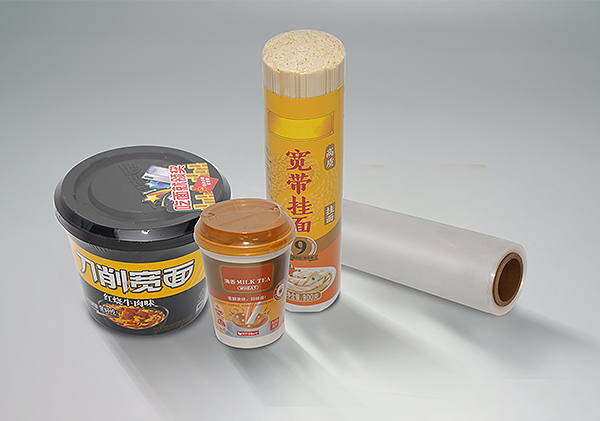
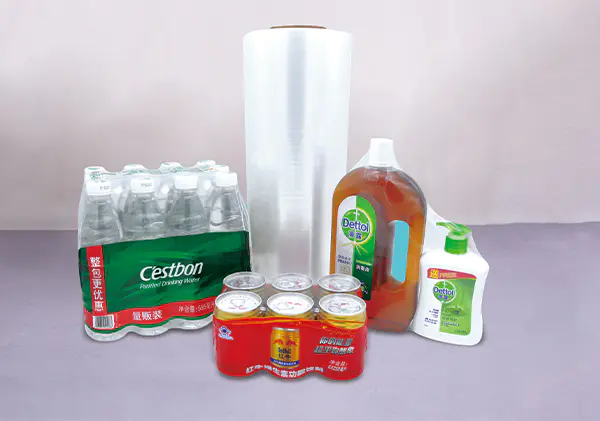
Often specified simply as polyolefin shrink film, or by its common shorthand, pof shrink film, this material is the default choice for retail multipacks, printed cartons, food trays, and other applications where optical clarity and a soft hand-feel matter. It shrinks at moderate temperatures, holds a clean seal on an L-bar sealer, and tolerates a wide range of product shapes without excessive puckering at the corners.
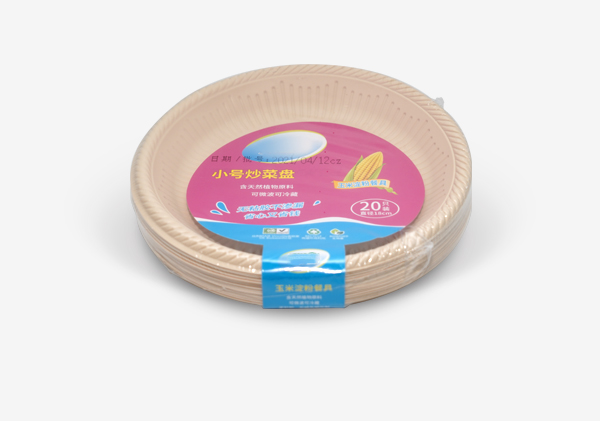
Polyolefin shrink film supplied as roll stock for automatic and semi-automatic sealing stations.
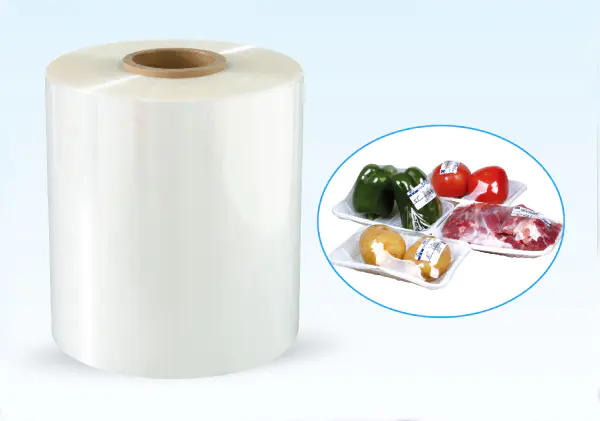
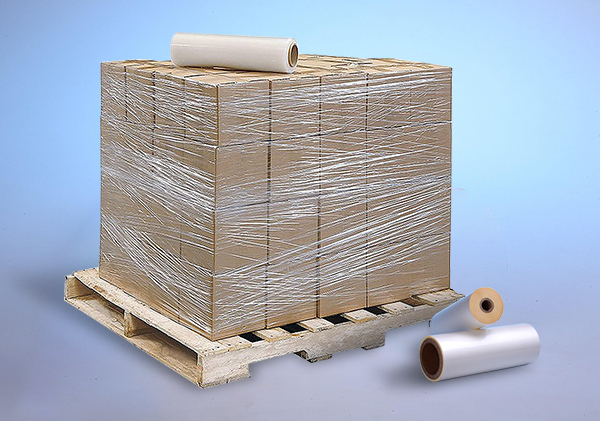
crosslinked shrink film undergoes an additional processing step that links its polymer chains, giving it noticeably higher puncture and tear resistance than standard polyolefin stock. That extra toughness makes it the preferred material for heavier or irregular loads, multi-pack bundling with sharp edges, and lines running at higher tunnel temperatures where standard film would thin out or pinhole.
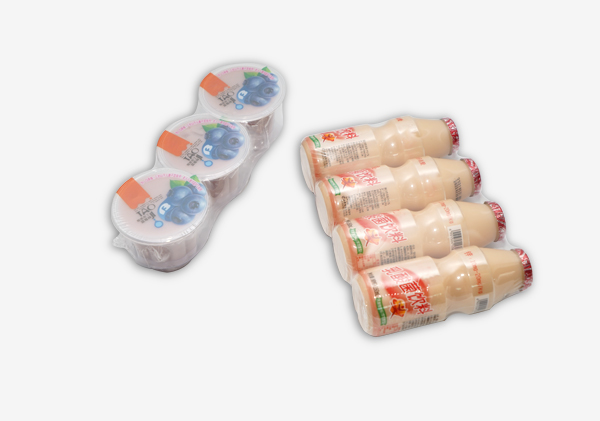
Crosslinked shrink film holds up under sharper edges and heavier bundled loads.
| Attribute | Polyolefin (POF) | Crosslinked |
|---|---|---|
| Optical clarity | High | Moderate to high |
| Puncture resistance | Moderate | High |
| Typical shrink temperature | Lower to mid range | Mid to upper range |
| Best suited machine | L-bar sealer, automatic shrink wrapper | Heat shrink tunnels, high-speed lines |
| Common gauge range | 60 to 100 gauge | 75 to 150 gauge |
Gauge selection is where many buyers underspend or overspend without realizing it. A lighter gauge polyolefin film cuts material cost per package but leaves less margin for error if the tunnel runs slightly hot or the product has sharp corners; a heavier gauge crosslinked film costs more per roll but tolerates rougher handling and rougher tunnel tuning. Storage conditions matter too, since both film families are sensitive to humidity and temperature swings on the warehouse floor. Rolls left near a dock door in a humid climate can pick up moisture that shows up later as inconsistent shrink or visible bubbling, regardless of how well the tunnel itself is calibrated. Rotating stock on a first-in, first-out basis and keeping rolls off direct sunlight are simple habits that prevent a film-quality issue from being mistaken for a machine problem, and they cost nothing beyond a bit of warehouse discipline.
The film only performs as designed if the machine sealing and shrinking it matches the production tier it was built for. Four categories cover most of the industrial and retail packaging floor.
Choosing between them usually comes down to how repetitive the product mix is, not just raw volume. A center running the same case size on the same lane all shift gets more value from an automatic shrink wrapper than an operation switching between a dozen carton sizes daily, even at similar total package counts. Mixed-SKU operations often keep an L-bar sealer in the mix because it tolerates size changes without a lengthy changeover, while dedicated single-SKU lines can justify the higher throughput of a combination unit.
| Machine Type | Best Fit | Operator Involvement |
|---|---|---|
| L-bar sealer | Mixed SKUs, retail cartons | Manual load, semi-auto seal |
| Automatic shrink wrapper | Steady, repetitive product runs | Low, supervisory |
| Heat shrink tunnel (stand-alone) | Any sealed load needing final tightening | Minimal, monitoring only |
| Combination shrink wrapping machine | High-volume, space-constrained lines | Minimal, monitoring only |
How a machine connects to the rest of the line matters as much as its rated speed. An automatic shrink wrapper fed by a hand-stacked infeed will only ever run as fast as the slowest person loading it, no matter how capable the sealer itself is. Facilities getting the most consistent output out of their shrink wrap equipment, shift after shift, generally pair it with a simple accumulation conveyor ahead of the sealer, giving the machine a steady buffer of product instead of the stop-and-go feed that comes from manual loading. On the discharge side, a short cooling conveyor between the tunnel and the palletizer or case packer lets the film fully set before the next handling step, which reduces the odds of a freshly shrunk pack losing its shape under stacking pressure.
The sealer only closes the film around the product. It is the tunnel that actually shrinks it tight. Most industrial heat shrink tunnels divide the chamber into three functional zones, each doing a distinct job as the sealed package rides through on a mesh conveyor.
Air circulation design inside the chamber does as much work as the heating elements themselves. Tunnels that rely on a single top-mounted blower tend to shrink the top and sides of a package faster than the underside, leaving a visible ring or loose section near the base. Better-designed heat shrink tunnels circulate air from multiple directions, sometimes with adjustable dampers so an operator can bias airflow toward whichever face of the product needs it most. That adjustability is particularly useful on lines that switch between tall, narrow products and short, wide ones, since the two shapes shrink unevenly under a fixed, one-direction airflow pattern.
Conveyor speed and tunnel temperature are set together, not independently. Push the belt faster than the film's dwell-time requirement and the wrap comes out loose with visible fold lines; slow it down too much at high temperature and the film scorches or the product itself takes on heat it should not. Crosslinked film generally tolerates a wider temperature band before that scorching threshold, which is one reason it holds up better on faster, less closely supervised lines.
Buying the wrong scale of industrial packaging equipment is a common and expensive mistake: an automatic shrink wrapper sized for a 40-package-per-minute run sitting idle behind a slower upstream case-forming step, or an L-bar sealer straining to keep up with a fulfillment center's peak-season volume.
Five factors narrow the decision reliably, and working through them in order avoids the common trap of sizing a machine around today's best-selling product only to find it cannot handle a seasonal item launched six months later.
| Volume Tier | Recommended Machine | Typical Film |
|---|---|---|
| Low, mixed SKU | L-bar sealer plus small tunnel | Polyolefin |
| Medium, steady runs | Automatic shrink wrapper | Polyolefin or crosslinked |
| High, single or few SKUs | Combination shrink wrapping machine | Crosslinked |
Purchase price is only one line in the real cost comparison. Film consumption per package, blower and heater energy draw, and the labor hours a machine frees up over a year usually outweigh the difference between two comparably sized units. A slightly more expensive shrink wrap machine with better film tension control can pay back the price gap within a season by trimming film waste off every roll run through it. Facilities evaluating new equipment do better comparing total cost per thousand packages wrapped rather than sticker price alone, since a cheaper machine that runs hot or wastes film on loose wraps can end up the pricier choice within the first year.
A well-specified heat sealing machine and tunnel combination still needs disciplined upkeep. Most unplanned downtime on shrink lines traces back to a handful of preventable issues rather than component failure.
Energy management is often the easiest win on an existing line. Tunnel heating elements left at full temperature during changeovers, breaks, or end-of-shift idle periods burn energy without wrapping a single package. A setback mode that drops the tunnel to standby temperature during known gaps, then ramps up shortly before production resumes, cuts energy use without adding delay once the line restarts. Safety routines matter just as much: lockout procedures before clearing a jam near a heated zone, guarding around sealing bars, and hot-surface signage belong in the same procedure that covers temperature calibration and belt checks.
Rule of thumb: facilities that log and act on tunnel temperature drift within a one-degree tolerance window consistently report fewer reseal events than those checking only during scheduled shutdowns.
These are the questions that come up most often once a facility starts comparing machine categories against its actual product mix, rather than shopping by rated speed alone. Most buyers arrive at a shrink wrap machine decision already knowing roughly how many packages they need to move each shift, but far fewer have thought through film selection, tunnel temperature range, or how much floor space a combination unit will actually take up once infeed and discharge conveyors are added. The answers below cover the ground that tends to get skipped in a quick equipment comparison, and that a packaging engineer would normally walk through during a site visit before recommending a specific configuration.
An L-bar sealer is a semi-automatic station where an operator places product for each cycle, while an automatic shrink wrapper feeds, seals, and often shrinks product continuously with minimal operator input, suited to higher and steadier volumes.
Polyolefin suits lighter, retail-facing loads where clarity and cost efficiency matter most. Crosslinked film is the better fit for heavier, irregular, or sharp-edged loads and for lines running at higher tunnel temperatures.
Most industrial tunnels run in the 250 to 325 degree Fahrenheit range, with the exact setting tuned to film type, gauge, and conveyor speed rather than a single fixed value.
Facilities moving from manual wrap stations to automated shrink wrap machines commonly report film consumption dropping 15 to 25 percent, largely from tighter, repeatable wrap patterns.
Some combination units handle a wide product range, but sustained accuracy across very different sizes usually calls for adjustable tooling or, on high-mix lines, two machines sized for distinct volume tiers.
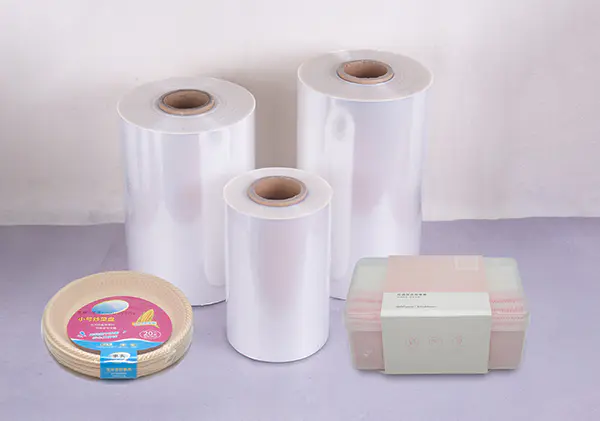
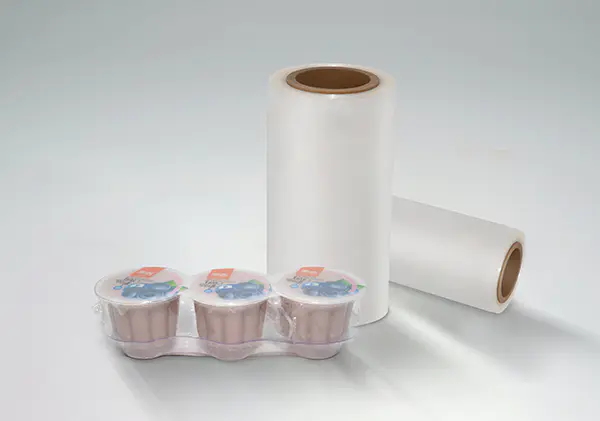
JT05 Antifog Crosslinked Shrink Film is an ideal o...
Copyright © Zhejiang Jiuteng Packaging Co., Ltd.
 简体中文
简体中文
 Home
Home
