
Selecting the correct thickness of polyolefin shrink film is a decision that affects every stage of packaging, including product protection, wrapping efficiency, production flow, and final presentation. Although thickness may appear to be a minor detail, it influences how securely the film holds the product, how stable it remains during transportation, and how appealing it looks in retail environments. Businesses across multiple industries rely on shrink packaging as a dependable method for maintaining product integrity while presenting goods attractively. Because these requirements differ from one product category to another, choosing the appropriate film gauge becomes a practical and strategic step.
Polyolefin shrink film is appreciated for its clarity, flexibility, and balanced performance across different packaging conditions. Its thickness options give packaging teams the ability to adapt film behavior according to product demands. A suitable thickness helps maintain a consistent wrap, supports efficient sealing, and reduces the possibility of product damage caused by environmental factors or frequent handling.
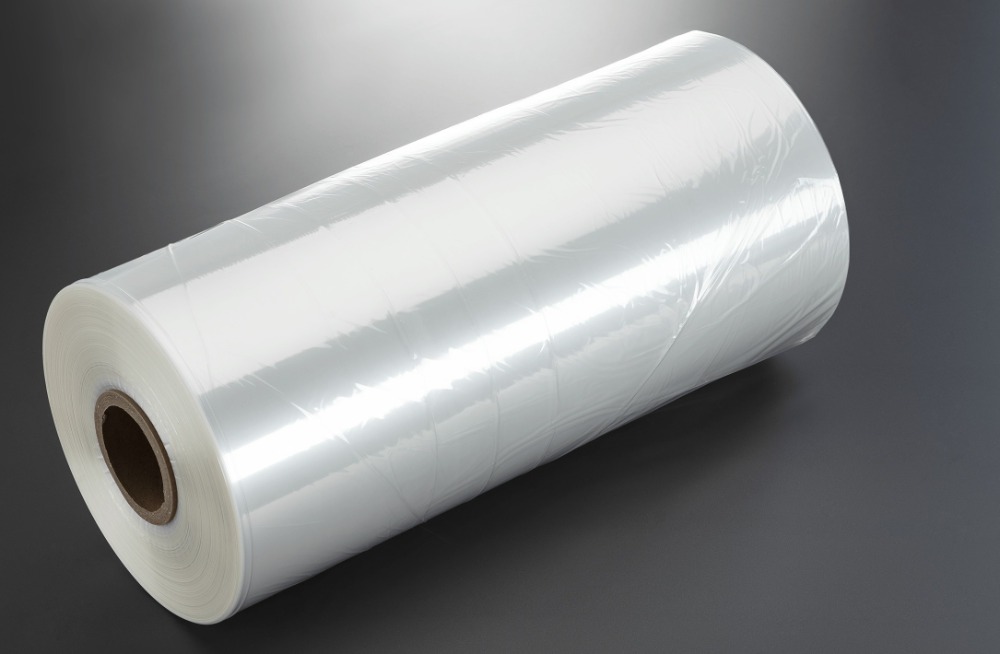
Film thickness plays a central role in determining how polyolefin shrink film behaves throughout the entire packaging cycle, from sealing to shrinking to final product presentation. Although a shrink film may look similar across different gauges, its structural composition and mechanical response vary in subtle but meaningful ways, influencing stability, appearance, and operational efficiency. Understanding how thickness shapes performance helps packaging teams select a film that aligns with both product needs and workflow conditions.
Polyolefin shrink film contains multiple layers that react to heat and tension. These layers work together to deliver clarity, shrink consistency, and protective function. Thickness amplifies or moderates each of these properties, making it a key factor in evaluating the suitability of a film for a target application.
A film's shrink response is directly affected by its gauge. Thinner films typically react more quickly and adapt closely to curves, soft edges, and smooth product contours. This allows them to create an even, well-fitted surface layer with minimal resistance.
Thicker films, by contrast, contract at a more controlled pace, producing a stable surface that holds its shape even around angular or textured items. This controlled shrink helps prevent distortion, overstretching, or uneven tension zones.
Because shrink performance determines the final surface appearance, selecting an appropriate thickness ensures the package maintains a clean, polished look suitable for retail settings or protective applications.
Thickness significantly affects the overall firmness and resilience of the shrink layer. Thinner gauges offer flexibility but may provide less resistance to pressure from inside the package. This makes them better suited for lighter goods or products that do not exert strong force on the wrap.
Medium and thicker film groups offer enhanced structural firmness. They maintain shape during handling, stacking, or transportation, supporting goods that carry more density, sharper edges, or irregular profiles. This additional stability helps prevent tearing, stretching, or deformation during repeated contact.
Clarity is a defining characteristic of polyolefin shrink film, and thickness contributes to variations in how light interacts with the material.
The right thickness supports brand presentation, especially for products where visual appearance influences customer perception.
Film thickness plays an important role in how the material behaves during sealing. Sealing bars and cutting wires rely on predictable melting behavior.
A mismatch between film thickness and sealing conditions can create weak seams, residue buildup, or inconsistent seal integrity. Choosing the correct thickness helps maintain stable production performance.
Heat tunnel airflow, temperature variation, and conveyor movement all interact with film thickness.
When the gauge aligns with tunnel behavior, the risk of wrinkles, ballooning, or cold spots is reduced.
Packages often pass through multiple handling stages, including manual placement, automated sorting, transportation, and storage.
Thinner films are lightweight and efficient but may require careful handling for items repeatedly stacked or moved. Thicker films withstand friction and contact more effectively, protecting the product surface and maintaining shape during logistics cycles.
The chosen thickness should align with how frequently the item is touched, moved, or restocked.
Film thickness also affects material use. Thinner films reduce overall material volume while still delivering the core functions of clarity and shrink behavior. Medium and thicker films support high-demand applications where protection is important, minimizing product damage and reducing repackaging waste.
Selecting the correct thickness helps maintain packaging integrity without unnecessary material consumption, supporting operational efficiency and stable product presentation.
Different thickness groups offer distinct packaging experiences. The following conceptual table outlines important characteristics without relying on technical data.
| Thickness Group | Flexibility | Appearance | Durability Level | Packaging Style |
|---|---|---|---|---|
| Thin Films | High | Bright and smooth | Light-duty | Frequent wrapping of small items |
| Medium Films | Balanced | Clean and stable | Medium-duty | General-purpose packaging |
| Thick Films | Moderate flexibility | Firm visual effect | Higher durability | Items needing firmer support |
These categories help packaging teams choose a film that supports handling requirements, design structure, and product shape. Each group serves distinct needs, and the right choice depends on the conditions described below.
Different products demand different types of protection and wrapping performance.
Items with rounded edges often work well with thinner or mid-range films because these surfaces encourage smooth shrink flow. Items with defined edges or irregular contours may require a firmer film group to maintain package integrity during handling.
Lightweight items typically do not require heavy-duty gauges. Denser items produce more pressure against the film, making a thicker option more appropriate to prevent punctures or distortion.
Products with glossy or delicate surfaces need a film thickness that avoids unnecessary pressure yet provides enough stability to keep the surface clean and unmarred.
Certain items benefit from a film that holds them in place without excessive tension. Selecting a gauge that shrinks consistently across the entire surface helps maintain product safety.
The nature of the production system strongly influences gauge selection.
Different gauges behave differently in manual versus high-speed automated systems. A gauge that responds predictably in automated tunnels helps minimize rejection rates and stabilizes large production runs.
The airflow direction, heating pattern, and conveyor movement determine how the film shrinks. A thickness that adapts well to these conditions promotes a clean, uniform finish.
Lines with frequent movement, fast stacking, or repetitive handling benefit from a gauge that maintains its structure despite consistent physical contact.
Film thickness supports the intended visual and practical goals of the product.
Film clarity plays a role in customer experience. Selecting a thickness that accentuates the product's visual features enhances shelf presence.
Some items require a tight and stable wrap, while others need a more moderate shrink level that avoids compressing sensitive components.
The film layer serves as a surface barrier. Choosing a gauge that supports impact resistance or prevents surface smudging is important for preserving quality.
An appropriate thickness selection supports material-saving strategies.
By choosing the correct gauge, businesses avoid using more film than necessary. Thinner options often enable longer roll cycles and fewer roll changes, improving workflow stability.
Optimized thickness helps maintain packaging integrity without increasing the amount of material consumed.
When film gauge matches performance needs, rejected packs decrease, and wear on equipment is minimized.
Food packaging frequently requires visual clarity and gentle film pressure. A gauge that supports smooth shrinking helps maintain appetizing presentation while keeping surface contact controlled.
These items often include mixed shapes or printed boxes. A thickness that stabilizes corners and maintains clean surfaces is preferred.
These products benefit from visually appealing packaging. A mid-range gauge supports shape retention while maintaining clarity.
Books, brochures, and printed media require stability to prevent page bending. Film thickness influences how the final wrap preserves alignment.
Durable goods require firmer film groups to support transportation and frequent handling during restocking or assembly.
Equipment interaction is equally important as product characteristics.
A suitable thickness allows consistent bonding during the sealing process, reducing risk of weak seams.
Different gauges respond differently to tunnel air circulation and temperature distribution. Selecting a compatible gauge ensures even shrink patterns.
Faster packaging lines need film that maintains form without stretching or distorting.
Choosing a gauge that aligns with machine capability improves efficiency and maintains workflow stability.
Thin films are favored for their flexibility and ease of contouring. They support high-volume tasks and help reduce material usage while still providing adequate visual appeal. They are ideal for small goods, but products with angular surfaces may require additional strength.
Medium films offer a balanced level of firmness and pliability. They serve a wide range of products and maintain stability in both manual and automated systems, making them suitable for general-purpose packaging.
Thicker films create a more substantial protective layer. They perform well around items that may press against the film surface or require a firm wrap to maintain structural stability.
This process encourages consistency and aligns packaging decisions with production needs and product expectations.
Packaging teams increasingly focus on balancing efficiency with material responsibility. Many operations now prioritize gauges that maintain film clarity and strength while minimizing material consumption. Improvements in shrink film formulation have supported greater adaptability across varying product sizes and shapes. These developments guide modern packaging choices and influence preferred thickness ranges across industries.
Why Choose JTPACKAGE
Businesses seeking stable and dependable polyolefin shrink film solutions can work with JTPACKAGE, a factory offering packaging materials designed to provide consistent clarity, smooth shrinking behavior, and reliable performance across different production environments. The film solutions produced by the factory support packaging lines that require steady characteristics, clean finished surfaces, and compatibility with common sealing and shrink equipment.
JTPACKAGE emphasizes production integrity, professional service, and a continuous commitment to helping clients reach packaging efficiency. Its shrink films are suitable for daily goods, printed materials, retail packaging, industrial applications, and food-related categories. The factory focuses on balanced material behavior, consistent appearance, and efficient supply to support long-term operational reliability for its partners.
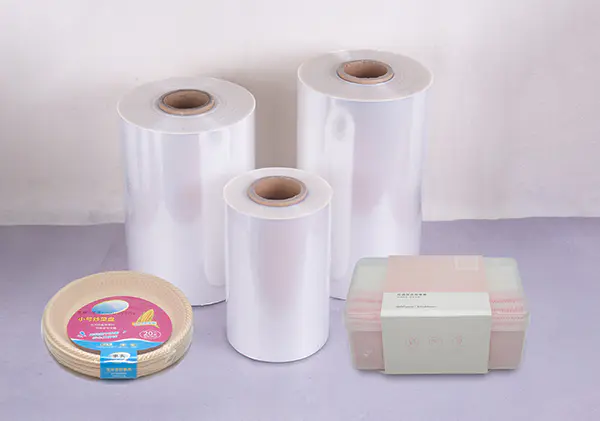
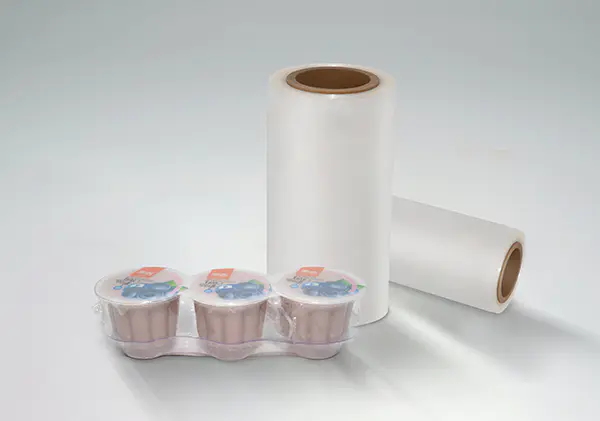
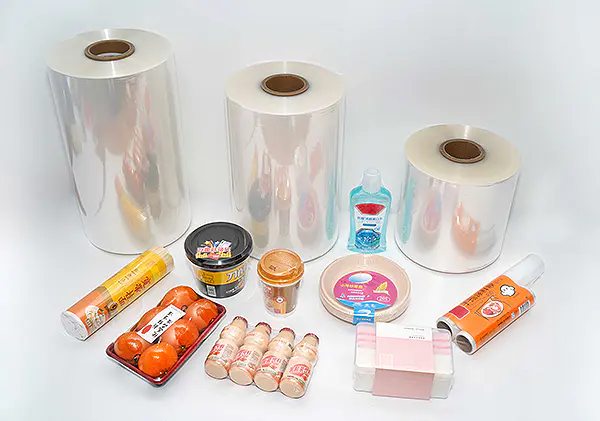
JT05 Antifog Crosslinked Shrink Film is an ideal o...

Copyright © Zhejiang Jiuteng Packaging Co., Ltd.
 简体中文
简体中文
 Home
Home
