
When you're dealing with packaging day in and day out, you know that small tweaks can lead to huge differences in how things run. I've dealt with my share of packaging headaches, and one thing that's really stood out for making the process quicker and more dependable is crosslinked shrink film. It's not just another plastic wrap; it has some built-in strengths that help with wrapping things up faster. Here are some practical ideas on how to use it to improve efficiency, from its perks to how to get it set up and where it works best. If you're tired of wasting time or materials, these steps might just help turn things around.
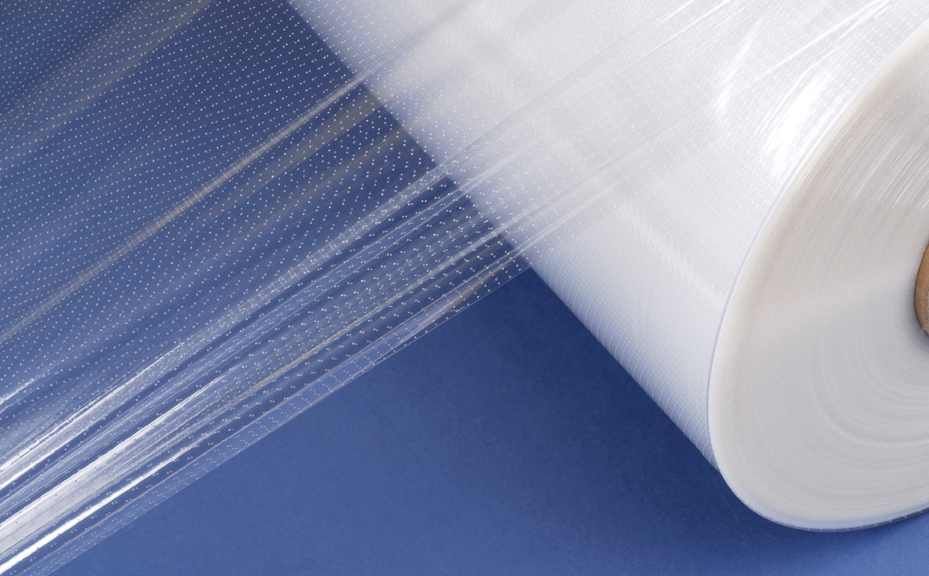
To understand it, think of crosslinked shrink film as a specially made plastic that's designed to wrap around products by shrinking when heated. The magic happens in the crosslinking step, where the plastic's molecules are linked together chemically, making it stronger and able to handle more heat than your typical shrink film. This toughness means it doesn't break down as easily in warm environments, which is a big plus for places where things get heated up. It's usually sold in rolls or sheets, and once you heat it, it clings tightly to whatever you're packaging, forming a solid seal.
What really sets it apart for me are things like its resistance to pulling apart, how it fights off tears, and that crystal-clear look. These qualities keep it from falling apart during rough handling, say, on a bumpy truck ride. Plus, it shrinks a ton, so it fits just right on items no matter the shape. That's why it's become a favorite in fields like food, electronics, and everyday products.
Looking back, I remember switching to this from regular films and noticing how much less I worried about packages coming undone. It's reliable in a way that makes you trust it more, and over time, it's proven itself in all sorts of tough situations.
Bringing crosslinked shrink film into your packaging routine can deliver some real advantages that make everything run smoother and faster. For example, the wrapping process speeds up because the film shrinks quickly and evenly, cutting down the time per item. On a busy production line, that can mean handling more volume without needing extra staff.
Reliability is another big one. I've seen how regular films can tear or get punctured, leading to wasted packages and rework. This film holds up better, so you end up with fewer failures, less trash, and savings on costs. The clarity helps too, as you can easily see what's inside, making quality checks and stock management a breeze.
Energy-wise, it uses less heat to shrink, which can lower your energy bills and support greener practices. Many versions are recyclable too, helping meet those environmental standards. Overall, it makes operations feel more streamlined and can even give products a nicer presentation.
From talking to others in the business, I've heard stories of how it frees up time for other jobs, reducing stress and letting teams focus on what matters.
If you want to make crosslinked shrink film work for you, it's about having a solid plan to weave it into your existing workflow. Start by evaluating your current packaging setup—look for spots where things drag, like slow wrapping or materials that break often. Then, pick the right film for your products, considering their size, weight, and how they'll be stored or shipped.
After that, invest in the proper equipment, such as shrink tunnels or hot air machines to trigger the shrinking. Train your team on the details, like adjusting tension and heat so it shrinks just enough without going overboard. Getting this right is key to avoiding loose or overly tight wraps.
Once it's running, keep track of metrics like packaging time, defect rates, and material consumption. Make adjustments based on what you see, and maintain the equipment to prevent stops. Adding automation can help keep things consistent. Following these steps usually leads to better flow and quicker output.
A piece of advice from my own trials: start small with a test batch. It helps spot issues early and lets you build confidence before rolling it out fully.
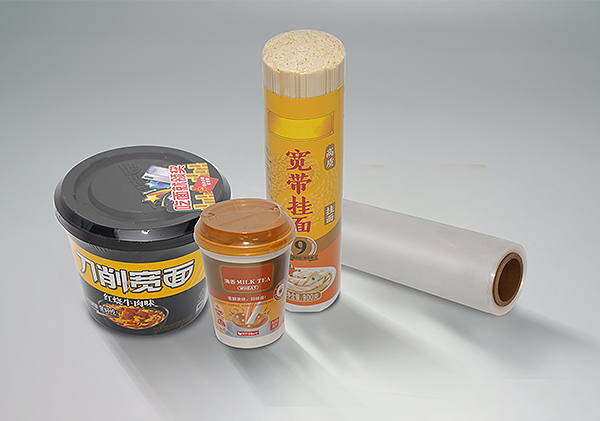
This film is flexible enough to fit into a lot of different worlds, and I've seen it shine in various spots. In the food world, it's suit for wrapping meats, cheeses, and veggies, creating a barrier against contaminants while allowing labels to stand out. The snug shrink helps keep things fresh by limiting air and moisture exposure.
For electronics and tools, it protects components from dust and impacts during transport. The clear film keeps details visible, which is ideal for retail shelves. In consumer goods, like toys or apparel, it provides an attractive, tidy wrap that appeals to shoppers.
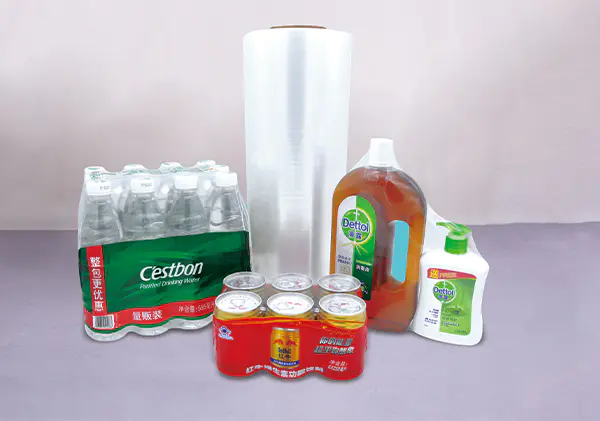
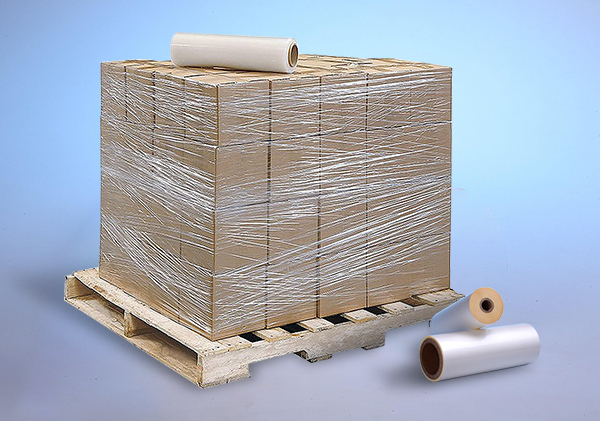
In logistics and storage, bundling items becomes simpler, making loading and unloading faster. These uses show how adaptable it is, improving efficiency across the board.
I've come across creative uses, such as grouping promotional items, which makes inventory easier. Its versatility is what keeps it relevant in so many areas.
That said, adopting this film isn't without its bumps. You might face issues with products that have weird shapes or are sensitive to heat. The way around that is through small tests to find the best film specs and shrink settings.
Upfront costs for gear can be a barrier, but the long-term gains from reduced waste and speed often pay it back. Proper storage in cool, dry places is also important to preserve its qualities.
To handle these, work with suppliers who offer practical tips. Set up regular checks and feedback systems to keep improving. It might require some patience, but the results stick.
From experiences shared, challenges like these are normal with new materials, but they pave the way for more robust processes.
| Metric | Traditional Shrink Film | Crosslinked Shrink Film |
|---|---|---|
| Shrinkage Time | Longer cycles | Shorter cycles |
| Durability | Moderate | High |
| Energy Use | Higher | Lower |
| Waste Generation | More frequent | Less frequent |
| Clarity | Good | Excellent |
| Recyclability | Variable | Often yes |
This comparison highlights the advantages, like saving time and energy. Seeing it laid out helps in deciding to switch.
Digging deeper, these factors affect everyday work. For instance, quicker cycles allow for growth without added strain, and lower waste keeps operations clean.
Based on what folks in the field share, moving to this film brings tangible improvements. In factories, it streamlines grouping for large shipments, cutting extra packaging. Good practices include choosing films with features for specific needs, like UV protection for outdoor items.
Regular line audits can uncover optimizations, such as aligning conveyor speeds with shrink times. Training staff reinforces these habits, minimizing mistakes. Combining it with other tools, like automated labeling, enhances the gains.
In real scenarios, some have reduced errors significantly by emphasizing these. It demonstrates how focused changes lead to efficiency leaps.
As things evolve, this film might include more eco-friendly twists, bolstering its sustainability role. Keeping abreast can give an edge. Its adaptability ensures it meets current demands.
Ahead, customized options could expand possibilities. This keeps it essential as needs shift.
Boosting packaging efficiency with crosslinked shrink film comes down to knowing its strengths, implementing it thoughtfully, and using it in the right contexts. It leads to faster work, cost reductions, and better protection. It also aligns with broader sustainability goals. As packaging evolves, materials like this will be crucial for effective solutions.
For quality crosslinked shrink film, look to factories specializing in custom materials. JTPackage is a factory focused on advanced packaging.
At JTPackage, we focus on manufacturing crosslinked shrink film tailored to diverse packaging demands. Our factory applies modern techniques to build in strength and efficiency, aiding companies in enhancing their processes. We offer personalized solutions to match your requirements, ensuring easy integration into your systems. With a dedication to quality and innovative methods, JTPackage provides materials that foster lasting packaging success. Reach out to see how our products can improve your efficiency.
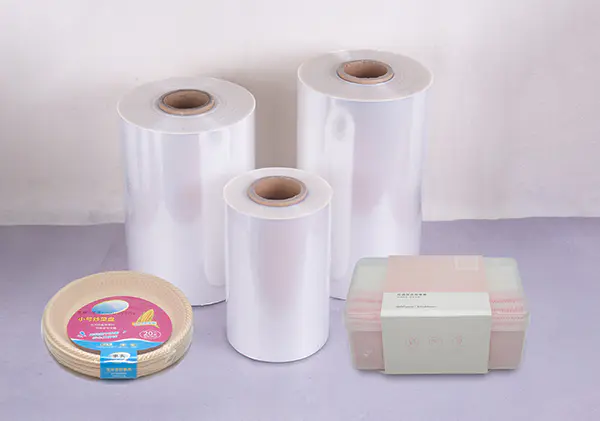
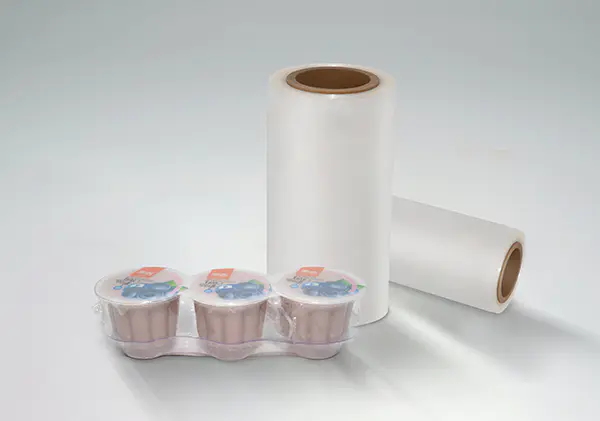
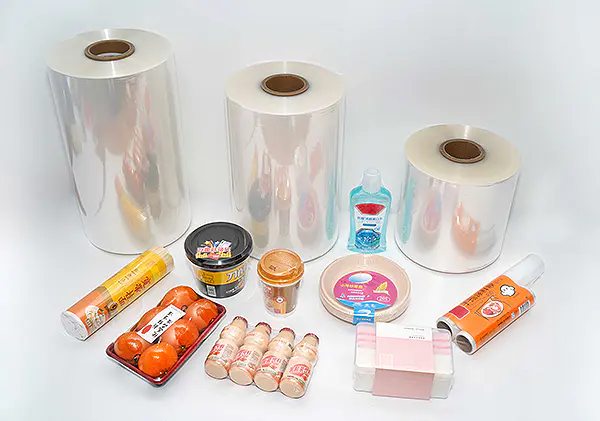
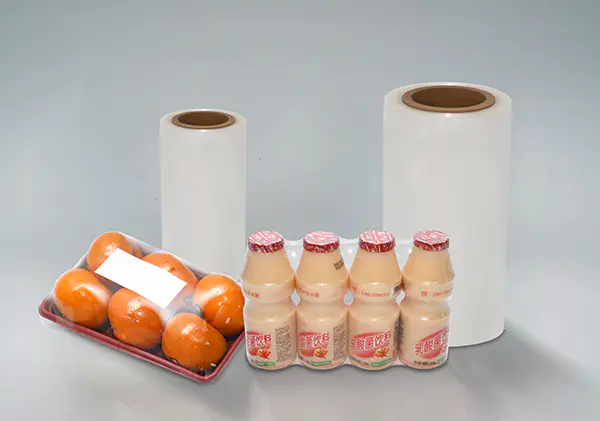
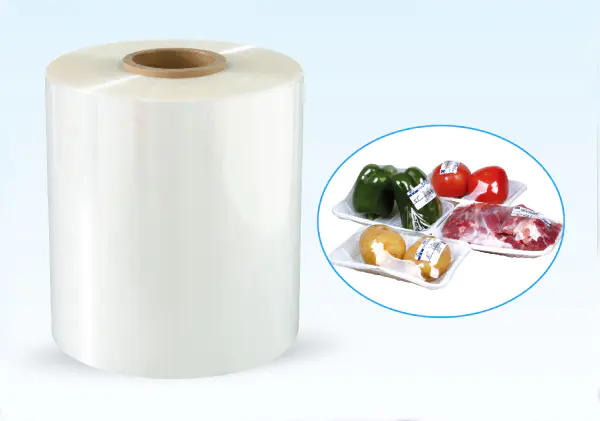
JT05 Antifog Crosslinked Shrink Film is an ideal o...
Copyright © Zhejiang Jiuteng Packaging Co., Ltd.
 简体中文
简体中文
 Home
Home
