
Film sticking shows up as rolls that will not pay off cleanly, webs that cling in the fold, or layers that drag on each other after sealing. High surface friction between turns of the roll or between film faces in the machine is a common cause. Heat, pressure in storage and long contact between smooth surfaces can make the problem worse.
When the wrong film is paired with the machine or the tunnel runs too hot, tacky behaviour increases and packs become inconsistent. Hot slip shrink film is formulated with surface slip in mind so that unwinding and feeding stay manageable under normal industrial conditions.
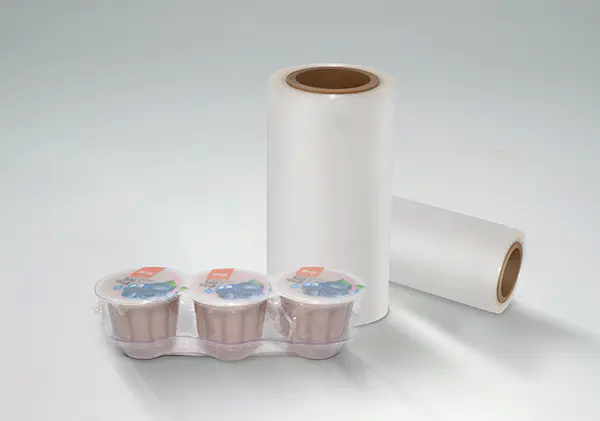
Surface friction governs how easily one layer slides over another. During unwind, centre-fold, feed and wrap, low enough friction avoids false tension spikes and mis-tracking. Controlled slip does not mean the film is oily or hard to seal; it means the web can move through guides without grabbing.
Smooth, consistent surfaces reduce local high spots that act like brakes. For continuous packaging, stable slip properties support steady speeds and fewer stoppages to clear a stuck web. Hot slip grades are aimed at lines where that smooth movement is part of daily output.
Thickness changes how flexible the web feels and how it behaves in the tunnel. Thin webs conform easily but can be less forgiving if tension is high; thicker webs resist abuse but need correct heat to shrink evenly. Product shape and weight should drive the choice rather than habit.
Structure and additive balance affect how much film faces cling in the roll and in the lap. Buyers should weigh thickness, shrink response and surface character together. Custom Shrink Wrap Packaging projects often need a matched thickness and slip level rather than a generic roll from the rack.
Heat drives shrink, but excess heat can soften the surface until packs stick to each other or to tunnel belts. Set points should follow the shrink film suppliers's guidance and the machine maker's limits. Trial packs confirm that shrink is complete without a tacky finish.
Even heat across the tunnel avoids cold bands that leave loose film and hot bands that over-soften it. Film with suitable shrink and slip behaviour gives a wider useful window when the tunnel is set carefully.
Unwind brakes, dancer rolls, guide rollers and folding boards all influence tension and alignment. Worn or dirty rollers raise friction even when the film itself is acceptable. Excess tension stretches the web and can exaggerate blocking on the roll.
Alignment that forces the edge against a side guide creates scuff and drag. Matching film width and stiffness to the machine design reduces those fights. Hot slip film supports workflows that depend on predictable feeding once the mechanics are in reasonable condition.
Hot warehouses, direct sun, dusty floors and crushed rolls change how film behaves later. Heat can promote blocking in the roll; dust becomes a contamination and abrasion problem; deformed rolls feed unevenly.
Rolls should sit upright on clean surfaces, protected from sunlight and away from heaters. Outer wrap should stay on until the roll is staged for the machine. Careful lifting avoids nicked edges that catch in the unwind. Good storage helps hot slip film keep the handling character it had when it left the plant.
Difficult unwind, jerky feed, wrinkles and uneven shrink can come from film, from the machine or from both. Checking a fresh roll at moderate tension on a known-good unwind isolates material behaviour. If problems remain after rollers are cleaned and tension is normalised, film specification deserves a closer look.
If only one product shape fails, geometry and tunnel time may be the cause. Short trials with the actual pack and equipment remain the practical way to confirm compatibility. Industrial Shrink Wrap Film choices should be validated that way before large inventories are built.
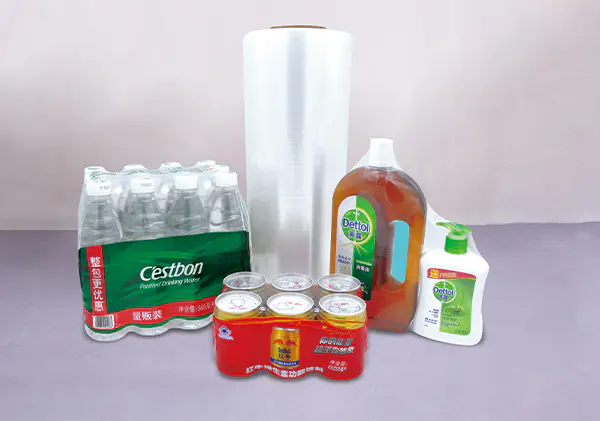
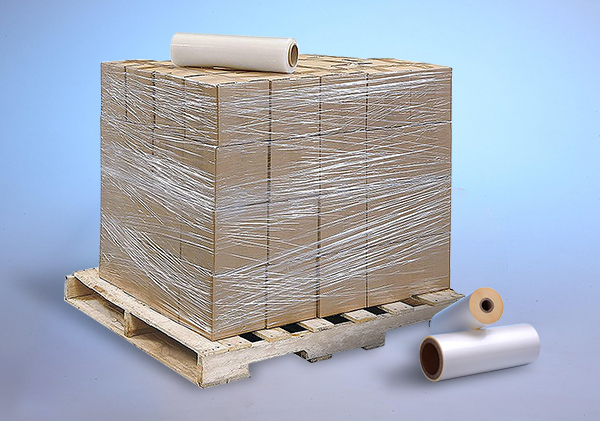
Slip-focused surfaces ease handling from roll to seal. Material selection, shrink performance and pack consistency are linked: film that feeds cleanly still needs correct heat and tension to finish well. Applications include multipacks, cartons, bagged goods, construction products and other unit loads that move through heat tunnels.
Thickness, width, roll build and surface character should be written into the enquiry. Heat Shrink Film Wrap used on busy lines benefits when those details are fixed early. Types of Shrink Film include grades with different slip, clarity and toughness; hot slip PE variants are one route when sticking has been a recurring complaint.
| Observation | Likely contributors | Practical response |
|---|---|---|
| Roll hard to unwind | Blocking, heat in storage, high layer friction | Cool dry storage; review slip grade |
| Jerky or stalled feed | Dirty rollers, excess tension, edge damage | Clean path; reset tension; inspect roll edge |
| Packs stick after tunnel | Overheating, insufficient cooling, soft surface | Lower heat or time; improve exit cooling |
| Wrinkles or uneven shrink | Misalignment, uneven heat, wrong thickness | Align web; balance tunnel; trial another gauge |
| Only some SKUs fail | Geometry or sharp contact points | Adjust wrap pattern or local protection |
| Problem follows a new lot | Film or storage change | Compare lots; verify storage and machine settings |
Preventing film sticking combines suitable surface slip, correct thickness, disciplined heat, maintained equipment and careful storage. Zhejiang Jiuteng Packaging Co., Ltd. produces polyethylene shrink films including hot-slip oriented grades for industrial packaging lines. Review of machine type, pack geometry and storage conditions against film slip and shrink data supports selection of shrink film that handles cleanly and finishes consistently on the production floor.
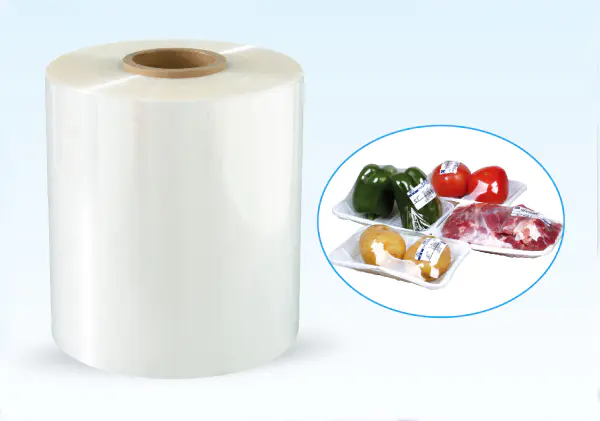
JT05 Antifog Crosslinked Shrink Film is an ideal o...
Copyright © Zhejiang Jiuteng Packaging Co., Ltd.
 简体中文

 Home

