
Crosslinked shrink film is widely used across packaging lines because it supports stable performance, maintains form under heat, and adapts to products with diverse shapes. Its molecular structure provides balanced durability and clarity, which makes it suitable for many goods in retail, consumer packaging, daily-use items, and certain industrial products.
However, selecting the correct film is not simply a matter of choosing a popular option. Each product category, each packaging environment, and each handling condition influences how the film should shrink, seal, and maintain tension. A film that works well for delicate items may not be suitable for multipacks or rigid goods that require more structural stability.

Before comparing film types, the product itself must be thoroughly evaluated. The characteristics of the item determine how the film will behave while shrinking and how well it will protect the product during handling.
The geometry of a product significantly influences shrink performance. Smooth, rounded surfaces allow heat to distribute evenly, resulting in a more uniform finish. Irregular or multi-angled products require a film that can adapt without overstressing specific areas.
If the product contains sharp corners or raised sections, the shrink force must be carefully considered, as higher tension can accumulate unevenly at such points. A film with flexible contraction behavior tends to perform better for these shapes.
A detailed shape assessment helps identify whether the film must prioritize flexibility, contour-fitting, or structural tension.
Some products have printed surfaces, delicate coatings, or finishes that react to friction or heat. Crosslinked films vary in shrink force, so selecting the wrong option could cause deformation or surface dulling.
Products that are sensitive to pressure may require a softer shrinking effect, while rigid items can tolerate a firmer hold. Evaluating how much force the product can endure without altering its appearance ensures the film complements the product rather than compromising it.
Packaging performance does not end when the product leaves the sealing machine. The film must protect the item through stacking, transporting, and shelf placement.
Items that undergo frequent handling need a film that resists tearing under repeated contact. Products that remain in large bundles benefit from a film that distributes tension evenly across the entire pack.
If storage conditions vary in humidity or airflow, it is also important to choose a film that maintains clarity and form without wrinkling.
Visual quality influences consumer perception. Shrink film that produces a clean, smooth surface enhances product value, especially in retail settings.
Some items require high transparency to highlight colors or printed information, while others require a more neutral visual layer to maintain a consistent appearance. Understanding how the product should look on the shelf ensures that the selected film delivers the desired image.
Crosslinking changes the internal structure of shrink film in a way that influences strength, appearance, stability, and efficiency during packaging. The process modifies how the material responds to heat, pressure, and mechanical stress, which directly impacts performance across different packaging environments.
Crosslinking connects molecular chains within the film, creating a stable internal network. This structural change supports consistent behavior during sealing and shrinking. When products have edges or uneven surfaces, a stable film is less prone to unwanted stretching or thinning. This helps maintain coverage without compromising visual quality.
Shrink films need controlled response when exposed to heat. Crosslinking adjusts the way the material contracts, helping it maintain uniform shrink patterns. This can be helpful in packaging lines where temperature conditions vary. A more predictable heat response often results in fewer wrinkles and smoother presentation.
The structural arrangement created by crosslinking enhances transparency. A clearer surface makes printed labels, product colors, or branding easier to view. In retail environments, maintaining visual presentation supports product display quality. Crosslinked film typically develops fewer surface marks when handled during packaging.
Products with irregular shapes or sharper corners may apply pressure to the film. Crosslinking increases resistance to stress by distributing force through the molecular network. This capability reduces tearing during sealing, shrinking, or transport. When packaging items in bulk or during long-distance movement, this stability helps maintain package integrity.
Shrink film is often used in workflows that involve speed and repetitive handling. Crosslinked film supports smoother feeding and consistent sealing. Its stability reduces film breaks, enabling more reliable movement through equipment. This usability helps maintain operational rhythm in both manual work and automated systems.
Environmental changes such as temperature shifts or pressure during stacking can influence conventional shrink film. Crosslinked material holds its characteristics better across varied conditions. Products stored for longer periods or transported across different climates benefit from this durability, as the film maintains its shape and coverage.
The balanced performance created by crosslinking allows the film to adapt to a wider range of product types. Items with irregular sizes, mixed materials, or multi-piece packaging often require film with stable shrink behavior. Crosslinked film provides that flexibility, offering reliable performance without depending on exact environmental conditions.
Thickness influences flexibility, protection level, and overall package feel. While no numerical values are provided, the general characteristics of thin, mid-range, and thicker films remain helpful for guiding selection.
Thinner film options tend to provide smoother contouring around lightweight or delicate goods. Mid-range films balance flexibility with structure, making them suitable for a wide variety of everyday products. Thicker films contribute more support during transport and are commonly chosen for bulk packaging or items that experience frequent movement.
| Product Requirement | Suggested Thickness Direction | Reasoning |
|---|---|---|
| Very light and compact goods | Thinner range | Offers gentle shrink and better contour conformity |
| Items with sensitive finishes | Thinner to mid-range | Protects surfaces while maintaining tension control |
| Irregular or detailed shapes | Mid-range | Supports even shrink across varied surfaces |
| Products of moderate weight | Mid to thicker range | Enhances stability during handling |
| Goods exposed to frequent contact | Thicker range | Helps resist impact and abrasion |
| Multipacks requiring uniform shrink | Thicker range | Promotes consistent structure across the bundle |
Different categories require different priorities in material selection.
Food packaging often focuses on stability, visual clarity, and balanced tension to avoid deforming the product. Crosslinked film provides smooth shrink behavior, which keeps items visually appealing and easy to display.
Consumer goods such as small electronics, cosmetics, and accessories require protection from scratches and minor impacts. Films that maintain a stable hold without excessive shrink force help preserve the appearance of sensitive packaging.
For heavier or rigid parts, durability becomes a main consideration. Choosing a film with higher tear tolerance supports handling during transport, stacking, and warehouse movement.
Bundles require film that distributes shrink stress evenly across different shapes. Selecting the proper thickness and shrink characteristics ensures the pack stays tight and visually uniform.
The choice of film must work with the type of sealing machine and shrink system in use.
Manual systems benefit from films that respond well under lower sealing consistency. Thinner or mid-range films generally provide easier handling and faster adjustments.
These systems rely on balanced heat flow. Crosslinked films with stable shrink behavior support repeatable results, reducing the need for frequent manual corrections.
In automated production lines, reliability becomes essential. Films must shrink predictably and seal consistently to prevent disruptions. Crosslinked films often match well with these setups due to their stable performance.
Packaging appearance often influences purchasing decisions. Choosing the correct film helps maintain a product's visual appeal and ensures it aligns with brand expectations.
A good selection should support:
These elements contribute to a more refined appearance and better shelf impact.
Efficient packaging contributes indirectly to material savings and reduced waste. Durable crosslinked film reduces the chance of product damage, meaning fewer re-packaging cycles and less environmental impact. Stable shrink performance also minimizes defects during production, which supports higher output efficiency.
Several issues occur frequently when teams choose shrink film without a structured evaluation.
Avoiding these mistakes strengthens the overall packaging performance.
A systematic approach improves accuracy in selecting the right crosslinked shrink film.
Examine weight, shape, edges, and surface details. These factors determine the type of shrink response needed.
Consider the clarity level, gloss, and overall finish you expect once the product is fully packaged.
Ensure the film matches the sealing and shrinking conditions of your machinery. Different systems may require varied shrink responses.
Think about transport routines, stacking height, and human interaction. These conditions influence film durability requirements.
Testing the film under actual conditions provides insight into how well it suits your product.
Packaging plays a significant role in product protection, presentation, and operational efficiency. Crosslinked shrink film, when chosen correctly, supports smoother production, consistent shelf appearance, and reliable performance throughout distribution. A well-structured decision process ensures the film complements the unique characteristics of each product and aligns with the needs of the packaging environment.
A dependable packaging partner assists in evaluating material behavior, improving stability, and aligning film choices with production needs. JTPACKAGE provides crosslinked shrink film options designed to support balanced shrink behavior, dependable sealing performance, and clarity suitable for a range of product types. Each film is produced with attention to consistency, making it easier for teams to integrate the material into different levels of packaging equipment.
JTPACKAGE also offers guidance during selection by reviewing product conditions, packaging goals, and equipment characteristics. This helps businesses match film performance with their operational expectations while maintaining a stable packaging outcome.
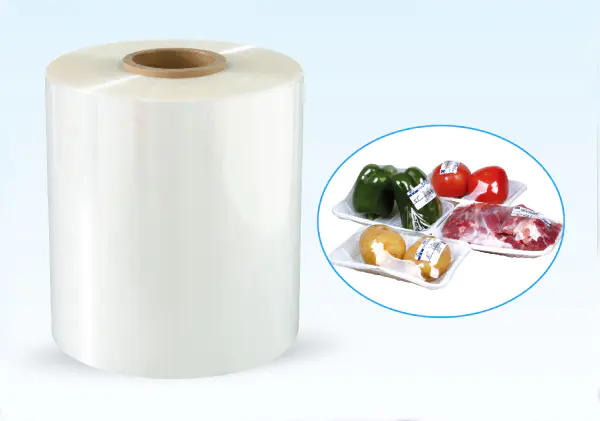
JT05 Antifog Crosslinked Shrink Film is an ideal o...
Copyright © Zhejiang Jiuteng Packaging Co., Ltd.
 简体中文
简体中文
 Home
Home
