
Food left exposed to circulating air loses moisture, picks up surrounding odors and can spoil sooner than necessary. Oxidation of fats, transfer of strong aromas and condensation inside containers all accelerate quality loss. Resealable bags that close tightly around individual portions limit these effects when the bag material is suitable for food contact and the contents are kept at the correct temperature. Zip Lock Plastic Bags therefore serve as a simple organizing tool for refrigerator and freezer storage provided they are matched to the food type and are never treated as a substitute for proper refrigeration or freezing.
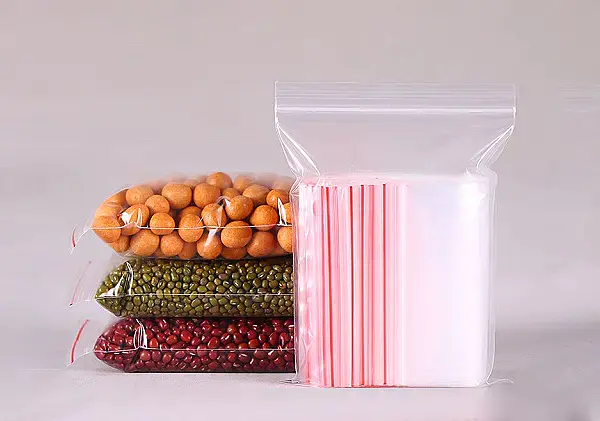
A fully engaged zipper reduces the volume of outside air that reaches the food surface, slowing moisture loss and the uptake of refrigerator odors. Placing different items in separate bags further isolates strong-smelling foods from those that absorb aromas easily. Bag size is chosen so that the contents fill a large portion of the available space without straining the seal. Even with a reliable closure, temperature control remains essential; the bag only limits exposure, it does not stop microbial growth at ambient temperatures.
Damaged or spoiled portions are removed before packing. Surface moisture is dried when excess water would encourage softening or mold. Leafy items and certain fruits that continue to respire may need a slight opening or a bag designed to allow limited gas exchange; tightly sealed bags can trap ethylene and moisture and shorten rather than lengthen usable life. Each type of produce is stored at the temperature and humidity range suited to it, whether in the main refrigerator compartment or a designated crisper.
Only bags intended for direct food contact and for the expected storage temperature are used. Raw products are kept physically separate from ready-to-eat foods so that juices cannot drip onto other items. Once sealed, the bags are placed on a lower shelf of the refrigerator to contain any leakage. Prompt refrigeration or freezing follows established food-safety guidance; the bag itself does not extend safe holding times beyond those limits.
Cooked food is cooled to a safe temperature without prolonged standing at room temperature. Portions sized for single meals are placed in individual bags so that only the needed amount is opened later. Excess air is pressed out when the food will not be crushed by the action. Contents and the date of storage are noted on the bag or on an attached label to support orderly rotation.
A bag large enough to hold the food without forcing the zipper is selected. Food particles, oil or liquid are kept clear of the track itself. The two sides of the closure are pressed firmly from one end to the other until the entire length is engaged. Air is expelled gently when appropriate, taking care not to compress delicate items. The filled bag is then inspected for pinholes, incomplete closure or stress at the corners before it is placed in the refrigerator or freezer.
Sealing wet produce without regard to trapped moisture creates a humid micro-environment that favors spoilage. Overfilling prevents the zipper from seating fully and leaves gaps for air exchange. Bags not designated for food contact or for freezer temperatures may become brittle, leak or transfer unwanted substances. Perishable foods left unrefrigerated continue to deteriorate regardless of packaging. Disposable bags that have held raw meat or seafood are discarded rather than washed and reused for other foods. Complete exclusion of air does not stop all microbial activity; temperature remains the controlling factor.
Material must be approved for food contact under the expected storage conditions. Thickness influences resistance to tearing and punctures during normal handling and stacking. Dimensions are matched to typical portion sizes so that excess headspace is minimized without overfilling. The zipper itself should close smoothly and remain closed under ordinary refrigerator movement. When freezer storage is planned, the bag is confirmed suitable for low-temperature use so that it does not crack or lose seal integrity. Transparent walls or a writable panel simplify identification without repeated opening.
The ability to open and reclose a bag repeatedly allows partial use of a portion without transferring the remainder to another container. Pre-portioned snacks, meal components and leftovers stay organized and visible, reducing the chance that items are forgotten at the back of the shelf. Separation of ingredients by type or by planned use further streamlines meal preparation. When the material and closure performance match the intended duty, the bags become a practical element of routine kitchen storage rather than a source of leaks or odor transfer.
| Food Category | Key Preparation and Packing Steps | Storage Precautions |
|---|---|---|
| Fresh fruits and vegetables | Remove damaged parts, dry excess surface moisture | Allow limited ventilation when needed; match temperature to produce type |
| Raw meat, poultry, seafood | Use food-contact bags, keep separate from ready-to-eat items | Place on a lower shelf; refrigerate or freeze promptly. |
| Cooked leftovers and snacks | Cool safely, portion before packing, label contents | Expel excess air without crushing; rotate by date |
| Dry goods | Ensure dryness before sealing | Protect from humidity and strong odors |
| General rule | Keep zipper track clean and fully closed | Never rely on packaging alone for temperature control |
Food stays in better condition when it is prepared appropriately, sealed completely and held at the temperature required for its category. Resealable bags support that process by limiting air exposure and by keeping portions organized, yet they function only within the limits of refrigeration, freezing and ordinary food-safety practice. Zhejiang Jiuteng Packaging Co., Ltd. produces resealable plastic bags intended for food storage applications. Review of material suitability, closure reliability, available sizes and freezer compatibility against everyday storage needs allows selection of bags that contribute to orderly and effective food keeping.
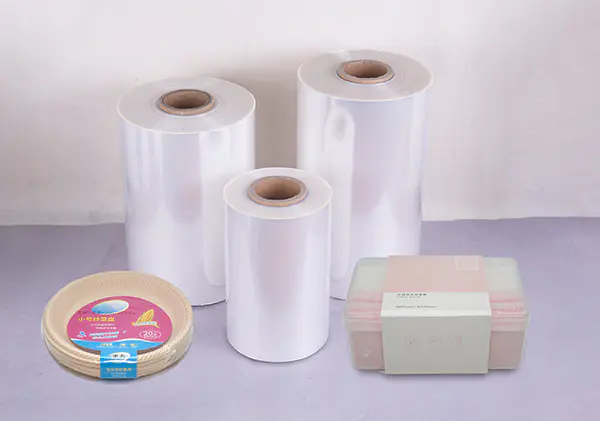
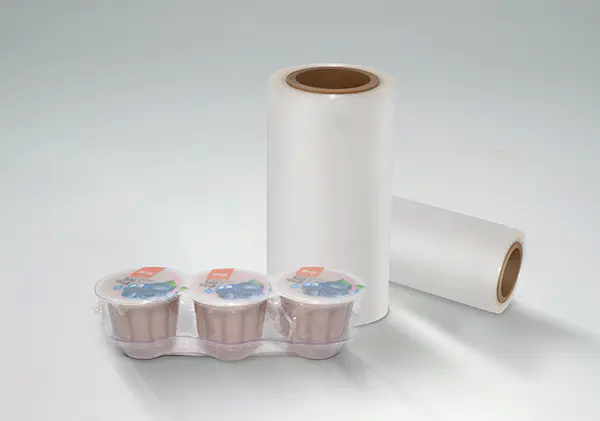
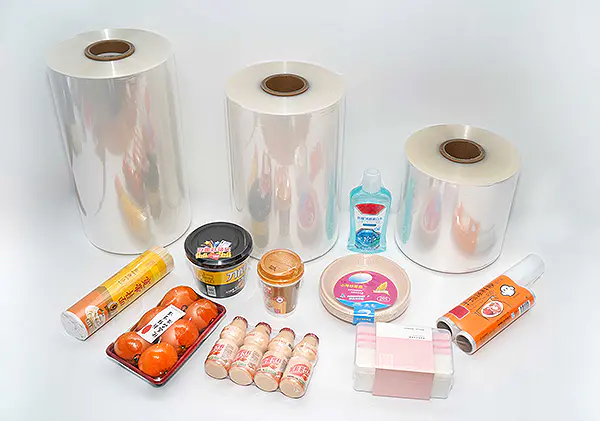
JT05 Antifog Crosslinked Shrink Film is an ideal o...
Copyright © Zhejiang Jiuteng Packaging Co., Ltd.
 简体中文

 Home

