
Packaging film breaks at the wrong moment — mid-run, on a high-speed line, with a full production schedule behind it. That single failure triggers downtime, material waste, and the kind of operational disruption that compounds quickly. For packaging engineers and procurement managers who have been through this, the question is not whether standard POF is adequate in general terms. It is whether it is adequate for their specific line, their product weight, their throughput demands. Cross Linked Shrink Film enters that conversation as a material upgrade rather than a replacement category — one that addresses the structural limitations of standard POF in ways that matter during sustained production.
Cross linking is a manufacturing process that creates additional molecular bonds within the polymer structure of the film. In standard POF, the polymer chains are relatively independent. Under stress — whether from heat, tension, or puncture force — those chains can separate or deform. Cross linking ties them together laterally, creating a network structure that distributes stress more evenly across the film surface.
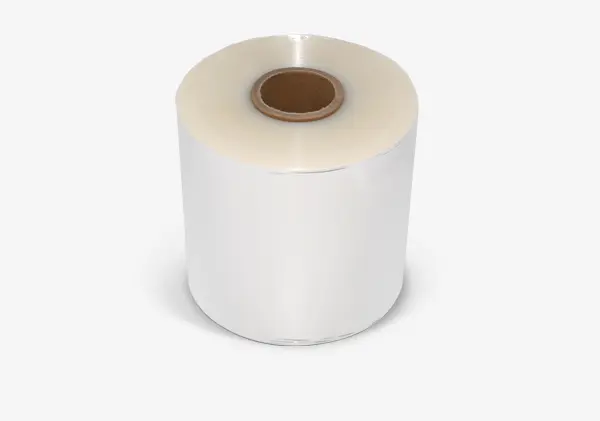
The practical result is a film that resists tearing, puncture, and stretching under conditions where standard POF would give way. It is not a different category of material in terms of chemistry — it is the same polyolefin base, structurally reinforced through an additional processing step.
This distinction matters for buyers comparing specs. The cross linked version is not simply a thicker film. It delivers improved mechanical performance at comparable or lower gauge, which has direct implications for material usage and cost per package.
The performance gap between Cross Linked Polyolefin Shrink Film and standard POF becomes visible under conditions that stress the film — irregular product shapes, sharp edges, heavy items, or high-speed sealing cycles.
| Performance Factor | Standard POF | Cross Linked POF |
|---|---|---|
| Tensile strength | Moderate | Noticeably higher |
| Puncture resistance | Adequate for light loads | Stronger under sharp or heavy contact |
| Tear resistance | Standard | Improved across both directions |
| Seal strength | Functional | More consistent; holds under pressure |
| Shrink uniformity | Temperature-sensitive | Wider shrink window; more even wrap |
| Film break frequency | Higher on demanding lines | Reduced during sustained runs |
The shrink window difference is worth noting separately. Standard POF shrinks within a narrower temperature range, which means tunnel temperature has to be managed carefully to avoid under-shrinking or burn-through. Cross Linked Film tolerates a broader range, which gives operators more flexibility and reduces the rate of reject packages caused by temperature variation.
At low to moderate production speeds, the mechanical demands on film are manageable. But as line speed increases, the forces acting on the film during sealing and shrinking multiply. Seal bars close faster. Film is pulled through the tunnel with less dwell time. Tension variations become more pronounced.
Standard POF handles moderate speeds without issue. On automated lines running at higher throughput, though, film break rates climb — and each break means a line stop, a manual reset, and lost production time that compounds across a shift.
Cross Linked Pof Shrink Film is more resistant to the stresses that cause breaks at speed. The seal holds under higher jaw pressure. The film does not neck or thin unevenly when pulled through at faster rates. Production teams that have switched from standard POF on high-volume lines consistently report fewer interruptions and more stable run conditions — not because the machine changed, but because the film behaves more predictably under load.
For operations where uptime directly affects output volume and delivery schedules, this stability carries real operational value.
Not every application requires Cross Linked Film. For lightweight, non-fragile products on moderate-speed lines, standard POF performs well and keeps material costs lower. The upgrade decision depends on what is being packaged and how it is being packaged.
Products that tend to benefit from the switch:
In each of these categories, the cost of packaging failure — damaged product, returns, rework — tends to outweigh the material cost difference between standard and Cross Linked Film.
This is the question at the center of many material upgrade decisions. Cross linked POF typically carries a higher per-unit cost than standard POF. That gap needs to be evaluated against what it changes in the production environment.
The relevant cost factors to consider:
When these factors are totaled against the raw material price difference, the cross linked option often shows a more favorable cost-per-good-package outcome — particularly on lines running at high speed or with products that challenge standard film.
That said, for operations where line speeds are moderate and products are lightweight and uniform, the performance gain may not be large enough to justify the cost increase. The decision is application-specific.
Irregular product shapes are where film performance differences show up in ways that are immediately visible. A standard Shrink Film POF wrap on a product with protruding edges, uneven surfaces, or multiple components grouped together will often show white stress marks, uneven tension, or thin spots where the film stretched unevenly during shrinking.
Cross Linked Film handles these surfaces differently. The molecular network distributes tension more evenly as the film conforms to the product, which produces a cleaner, tighter wrap without the stress marks that indicate film strain. For retail-facing packaging, this appearance difference has commercial value — it signals product quality before the customer even handles the item.
For industrial or secondary packaging where appearance is secondary to protection, the structural benefit still applies: the film holds irregular loads together without the risk of tearing at stress points.
Not all Cross Linked Film is produced to the same standard. The degree of cross linking, the base resin quality, and the consistency of the manufacturing process all affect how the film performs on the line. When evaluating suppliers, a few factors are worth examining directly:
Working with a supplier who understands the performance requirements of your application — rather than simply quoting a product spec — generally produces better outcomes than sourcing on price alone.
Compatibility concerns are common when teams consider upgrading film. The short answer is that cross linked POF is designed to run on the same L-bar sealers, side-seal machines, and shrink tunnels used for standard POF. No equipment changes are typically required.
That said, a few adjustments may improve performance after switching:
These are adjustments rather than obstacles. Many production teams complete the transition without significant disruption, particularly when they run sample batches before committing to full production changeover.
Choosing between standard and Cross Linked Shrink Film is not a universal decision — it depends on line speed, product type, packaging appearance requirements, and how much weight the operation puts on reducing downtime and reject rates. For demanding applications, the structural advantages of Cross Linked Film translate into measurable improvements in production stability and package quality. For lighter applications, standard POF remains a practical and cost-effective choice. For teams working through this decision with specific production requirements in mind, Zhejiang Jiuteng Packaging Co., Ltd. supplies both Cross Linked Pof Shrink Film and standard POF shrink film across a range of specifications suited to food, beverage, cosmetics, electronics, and e-commerce packaging applications. Sharing your line speed, product dimensions, and current film specifications with their team is a straightforward way to get a material recommendation grounded in your actual production context.
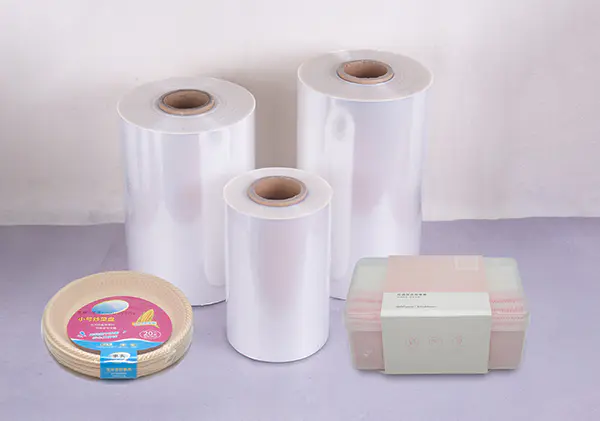
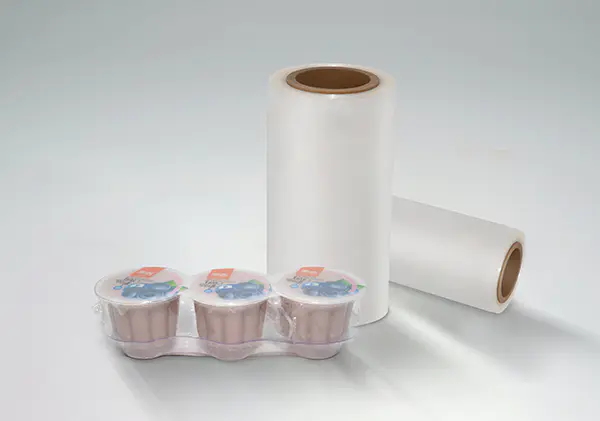
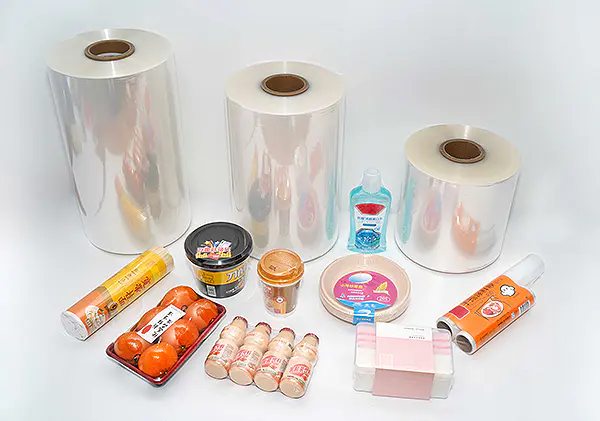
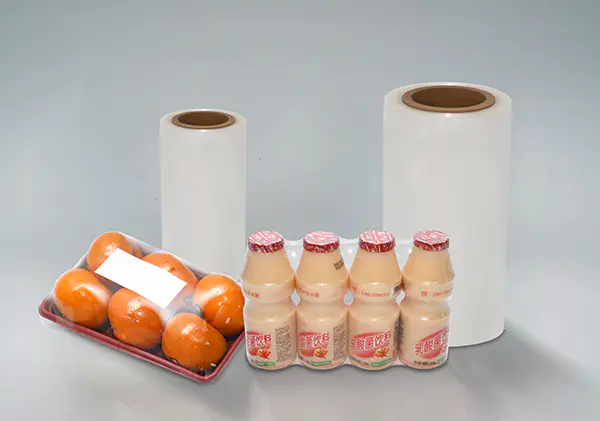
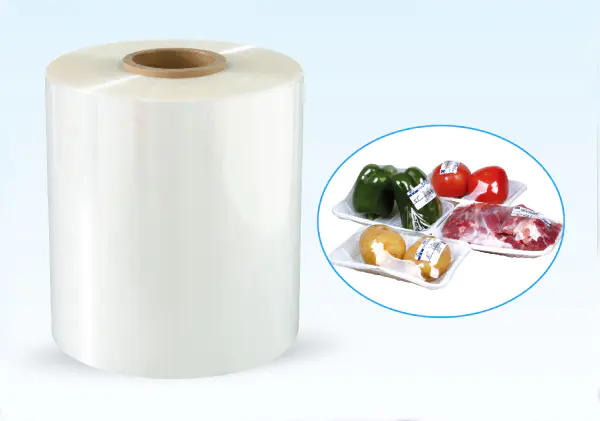
JT05 Antifog Crosslinked Shrink Film is an ideal o...
Copyright © Zhejiang Jiuteng Packaging Co., Ltd.
 简体中文
简体中文
 Home
Home
