
Shrink packaging holds an important position in modern production lines, warehousing systems, and distribution networks. It acts as a protective layer that conforms closely to products when exposed to heat, forming a sealed barrier against dust, handling friction, and minor environmental impact. Manufacturers use shrink packaging to safeguard both individual items and grouped units, ensuring that products remain intact throughout transportation and storage. In retail sectors, shrink film also contributes to product appearance, clarity, and shelf organization.
As global supply chains expand and packaging expectations shift, the role of shrink film has adapted. Today, packaging materials are required to support efficient stacking, reliable shipping, and clear presentation. Shrink film maintains these expectations through consistent sealing performance, adaptable thicknesses, and compatibility with a broad range of automated and semi-automated equipment.
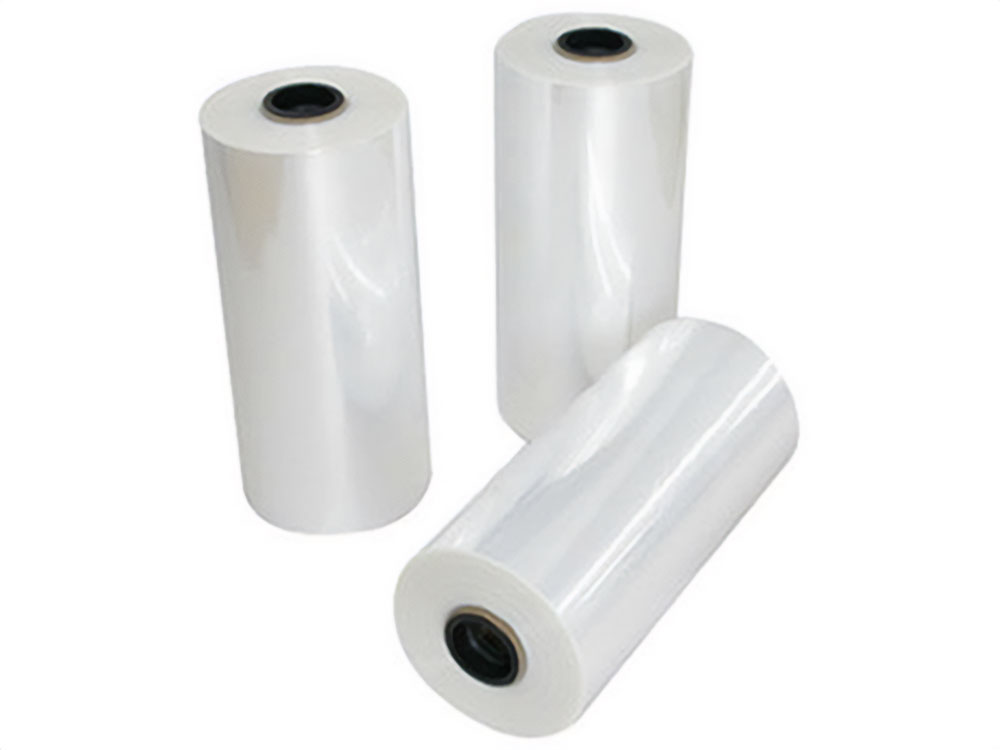
Shrink films support product integrity by providing a protective layer that reduces abrasion and prevents unnecessary movement during delivery. They also contribute to branding by helping maintain a neat, uniform finish that presents products professionally. In addition, shrink film reduces packaging volume compared with rigid enclosures, helping warehouses and logistics centers save space and handle goods more efficiently. These characteristics allow businesses to maintain operational consistency across long distribution routes.
Polyolefin (POF) shrink film is a polymer blend commonly made from polypropylene and polyethylene. This structure produces a material known for balanced shrink behavior, smooth sealing, and a clear surface that enhances product visibility. POF is often selected for packaging items that appear directly on store shelves or require visual transparency.
Polyethylene (PE) shrink film is produced using variations of polyethylene, such as high-density, low-density, or linear low-density forms. The material offers flexibility, impact resistance, and the ability to hold heavy or bulky items securely. PE shrink film is widely used for industrial packaging, multi-unit bundles, and medium to large products that require secure consolidation.
Across global markets, interest continues to grow in packaging materials that use less weight and support recyclability goals. Shrink film aligns with these trends because it can provide protection with relatively thin gauges and minimal waste. Both POF and PE can be incorporated into waste-reduction strategies, particularly when used in uniform material systems or recyclable packaging lines. As environmental expectations increase, producers continue to improve resin formulations and processing methods aimed at reducing the overall environmental load.
Polyolefin shrink film is produced from blends of polypropylene and polyethylene. This combination creates a material with flexibility, clarity, and stable shrink performance. Some versions are cross-linked, meaning the resin undergoes a process that enhances molecular bonding. Cross-linked variants show increased toughness and improved consistency during sealing. Non-cross-linked versions remain suitable for applications that require softness or visual transparency.
POF is available in multiple thicknesses used in manual packaging, semi-automatic equipment, and high-speed wrapping lines. It demonstrates bi-axial shrink behavior, meaning the film contracts evenly in both dimensions under heat. This characteristic allows the film to form a smooth, tight finish around products, which is important in retail and consumer packaging.
Polyethylene shrink film is made using HDPE, LDPE, or LLDPE resins. Each type contributes different benefits related to flexibility, impact resistance, and holding strength. PE typically exhibits mono-directional shrink, which provides users with controlled tightening along a single axis. This approach helps stabilize heavy items or grouped units without exerting too much pressure on specific areas.
Thickness options cover a wide range suitable for bundling, transportation packaging, and pallet wrapping. PE's strength and elasticity allow it to hold up well during long-distance handling, making it an important material for industrial and bulk shipment operations.
| Feature | Polyolefin (POF) Shrink Film | Polyethylene (PE) Shrink Film |
|---|---|---|
| Shrink Direction | Bi-axial, balanced | Primarily single-direction |
| Visual Appearance | Clear, smooth | More opaque |
| Durability | Suitable for light to medium goods | Suitable for heavier items |
| Seal Style | Thin and clean | Wide and strong |
| Best Use | Retail and consumer packaging | Industrial bundling and transport |
POF's balanced shrink behavior produces uniform wrapping, making it suitable for items requiring clean visual presentation. Its ability to shrink on two axes reduces wrinkling and provides a neat finish. PE, shrinking mainly in one direction, is more predictable for larger and heavier product bundles. This directional control allows packagers to prevent over-tightening on fragile sections while stabilizing the overall load.
Appearance also influences product perception. POF's clarity makes it appropriate for showcasing goods, while PE's less transparent surface suits practical wrapping where visual display is not a priority.
The molecular design of PE gives it strong puncture resistance and flexibility. These traits help the film absorb pressure during stacking, loading, and transport. POF offers suitable durability for lighter items, maintaining protective integrity without excessive rigidity.
Both materials create reliable barriers, but PE is chosen more frequently for industrial settings where damage risk or load weight is higher. POF suits environments where appearance and product display play a larger role.
POF forms thin, tight seals that integrate well with L-bar sealers, side-seal machines, and automated lines used for consumer packaging. PE forms wider and stronger seals, making it compatible with sleeve wrappers, bundlers, and equipment built for large-format packaging.
Machine compatibility influences material selection because consistent sealing ensures product safety and limits rework or waste during production.
Shrink force refers to the pressure applied when the film contracts. POF applies moderate pressure, which protects delicate or irregular items from deformation. PE can apply stronger force needed to secure heavier loads or bundled units during transport.
Choosing the right level of shrink force helps maintain product shape while ensuring stability.
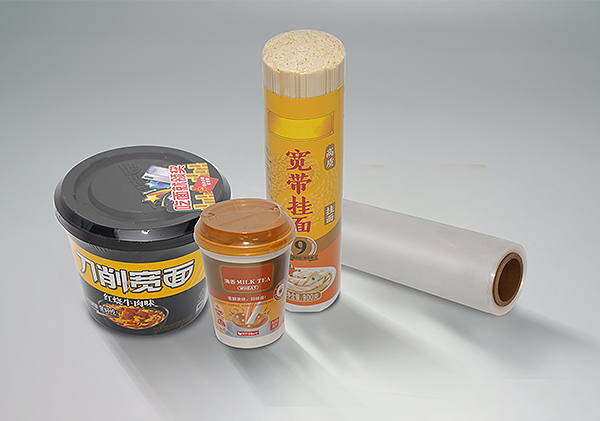
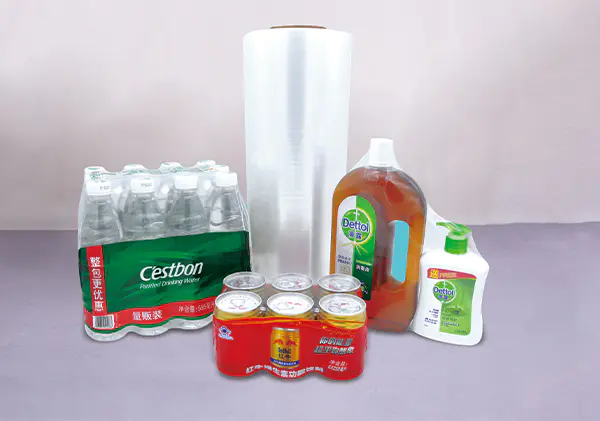
POF fits a wide variety of consumer product categories, such as:
Its clarity and balanced shrink properties enhance product appearance while providing reliable coverage.
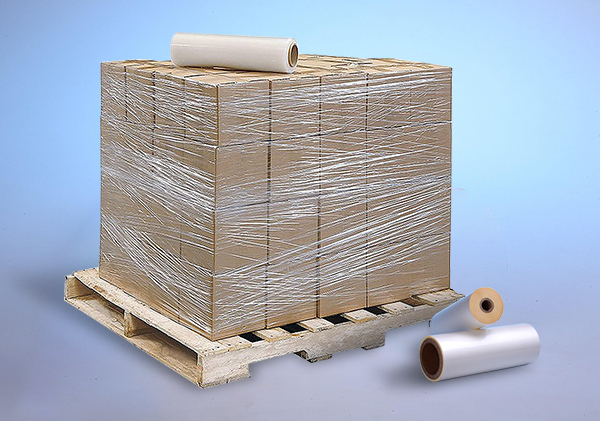
PE performs well in industrial and transport packaging, including:
Its ability to withstand stress makes it useful in environments where goods face repetitive handling.
Recyclability practices continue to evolve for both POF and PE. PE is commonly integrated into recycling systems designed for polyolefin materials. POF can also be incorporated into recycling streams that accept mixed polyolefin materials.
In terms of environmental footprint, continued development in resin blending and film processing aims to support long-term sustainability strategies. Both materials align with lightweight packaging goals that reduce material usage and transportation load.
Food-contact suitability also matters. POF is widely selected for direct-contact packaging because it maintains stable performance across various product types. PE supports many industrial and food-related applications that require durable wrapping.
Raw material costs for POF and PE vary with market conditions. Operational efficiency depends on machine compatibility, seal quality, labor input, and waste rate. POF generally integrates smoothly with automated systems, while PE suits machinery designed for large-format bundling or industrial packaging.
Businesses evaluate the total cost of ownership by considering material yield, packaging speed, and the specific protection level required for each product category.
Machinery type plays a major role in material selection. High-speed consumer packaging lines often use POF, while heavy-duty equipment commonly uses PE. Thickness selection should match product weight and shape. Special film types such as anti-fog, printed, or enhanced-strength versions allow businesses to tailor packaging to different environments.
Packaging trends favor materials that balance performance with environmental responsibility. Both POF and PE continue to evolve with improvements in recyclability, resin strength, and material efficiency. As global regulations advance, the shift toward uniform material structures and simplified recycling processes is expected to support broader adoption of optimized shrink films.
POF and PE shrink films each offer advantages suited to different product categories and packaging environments. POF provides balanced shrink behavior and clear presentation suitable for consumer goods, while PE delivers strength and directional shrink suited to industrial and logistics applications. Selecting the appropriate material ensures stable performance, efficient processing, and reliable transport protection.
JTPackage supplies shrink film materials designed for consistent wrapping performance across retail, industrial, and logistics sectors. The factory offers both polyolefin and polyethylene shrink films suitable for a wide range of packaging environments, including automated lines, heat tunnels, warehouse operations, and manual packaging setups. Each film option is produced with a focus on reliability, stable shrink behavior, and compatibility with diverse machinery types.
With a commitment to dependable supply and adaptable manufacturing processes, JTPackage supports businesses seeking practical shrink-film solutions for consumer products, multi-unit packaging, and heavy-duty goods. The factory's material range can be matched to different product shapes, handling requirements, and distribution conditions, helping companies maintain efficient packaging workflows and secure protection throughout their supply chains.
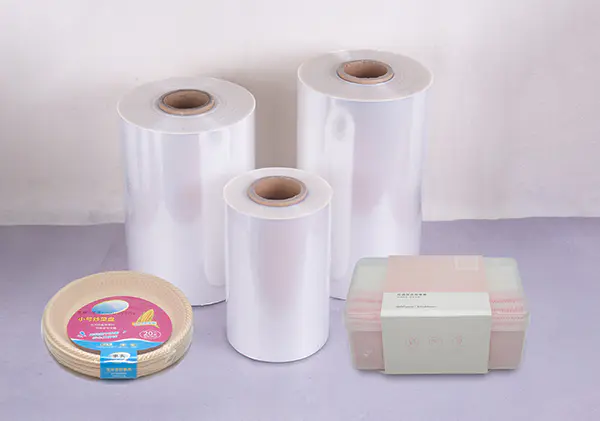
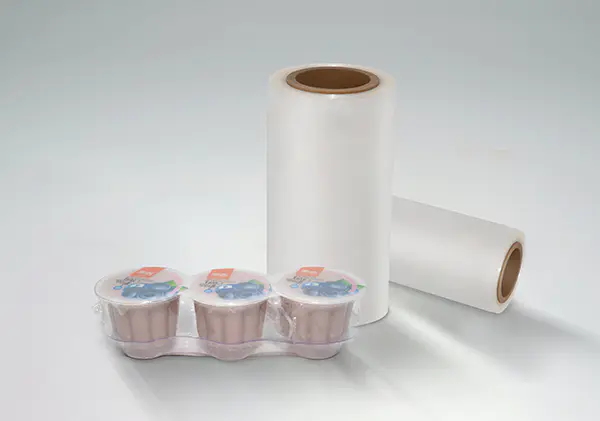
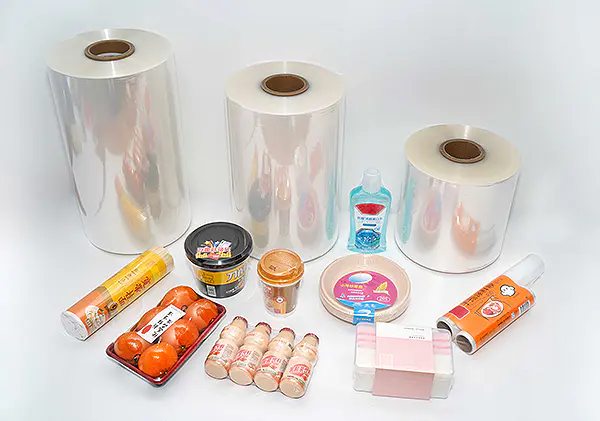
JT05 Antifog Crosslinked Shrink Film is an ideal o...
Copyright © Zhejiang Jiuteng Packaging Co., Ltd.
 简体中文
简体中文
 Home
Home
