
Polyolefin shrink film has become a go-to option for many companies that want secure packaging without spending a fortune or sacrificing good looks. The basic idea is simple: apply just the right amount of heat, and a loose sheet of flat film shrinks down to hug the product tightly, forming a protective layer that holds up through warehouses, trucks, and store shelves. Businesses like this method because it strikes a practical balance between real protection, clear product visibility, and an operation that doesn't demand overly fancy or expensive machinery.
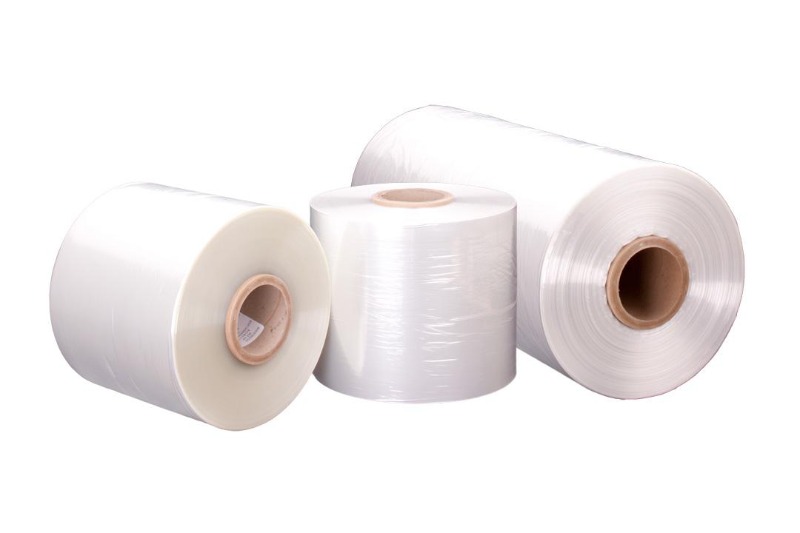
Polyolefin shrink film is made primarily from blends of polyethylene and polypropylene resins. That mix is what lets the film shrink evenly in both directions when heated, rather than pulling wildly in one way only. Most people notice the clarity first—the finished package lets customers see the item clearly without any hazy or cloudy effect getting in the way.
It stands up reasonably well to the kind of punctures and scrapes that happen during everyday handling and stacking. When sealed correctly, the bonds hold strong even if packages get bumped around in transit. Many polyolefin grades are designed to stay flexible in refrigerated storage and avoid turning gummy or weak in warmer conditions.
Compared to older materials like PVC shrink film, polyolefin gives off almost no noticeable smell when it's being heated. That makes a real difference in plants where operators spend long shifts near the equipment. All these features together—good clarity, solid everyday strength, clean processing, and broad temperature performance—explain why polyolefin quietly became the standard choice for so many packagers.
In real-world operations, the polyolefin shrink packaging process breaks down into a handful of clear, repeatable steps. The setup can be as simple as a single operator working by hand or as fast as a fully automatic line running hundreds of packages per minute.
It all starts with product preparation and arrangement. Items are placed on trays, grouped into rows or clusters, or lined up directly on the conveyor—whatever layout makes sense for the specific product. Getting this stage right is important because a poorly arranged load can lead to uneven shrinking later.
Next comes film dispensing and wrapping. The film roll is loaded onto the machine (or pulled by hand), and the sheet is fed over or around the product. Enough extra film is left on all sides so the edges can overlap comfortably for sealing. Some machines fold the film automatically; others rely on the operator to guide it into position.
Sealing follows immediately. Heat and pressure weld the overlapping edges together, turning the loose wrap into a complete, airtight bag around the contents. The quality of this seal matters a lot—if it's weak or inconsistent, the package can open during shrinking or later in the supply chain.
The heart of the process happens in the heat tunnel. The sealed package rides on a conveyor belt through a chamber where hot air circulates at a carefully set temperature. This heat activates the "memory" in the polyolefin film, causing it to shrink back to its oriented state and pull tight against the product. Adjustable tunnel settings—temperature, conveyor speed, and airflow—let operators fine-tune the shrink for different item sizes and shapes.
After leaving the tunnel, the package needs cooling. Most lines include a short ambient or forced-air cooling section so the film sets firmly in place. Skipping or rushing cooling can cause the film to relax or distort when the package is handled too soon.
Finally comes inspection and handling. Operators (or cameras in automated systems) look over each package for obvious issues: major wrinkles, loose areas, torn film, poor seals, or product distortion. Good packages move on to boxing, palletizing, or direct shipping; any rejects go back for rework or recycling.
| Stage | Main Activity | Typical Equipment Involved | Common Purpose / Check Point |
|---|---|---|---|
| Product Arrangement | Group or place items correctly | Trays, conveyors, manual setup | Ensure even coverage in later steps |
| Film Dispensing | Feed and position film around the product | Film roll holder, folding arms | Provide sufficient overlap for sealing |
| Sealing | Bond film edges to close the package | Heat sealer (impulse or constant) | Create a secure enclosure |
| Heat Shrinking | Apply controlled heat to activate shrink | Heat tunnel with conveyor | Achieve a tight, conforming fit |
| Cooling | Allow film to set in its final shape | Cooling zone (air or ambient) | Prevent distortion after heating |
| Final Inspection | Check for defects and overall quality | Visual inspection or vision system | Confirm packages meet acceptance standards |
This sequence keeps the operation logical and repeatable, whether you're running a small shop or a large facility.
Companies stick with polyolefin shrink film for straightforward, day-to-day reasons. The excellent clarity means shoppers can see the actual product on the shelf, which often sways their decision. Tight shrinkage leaves almost no room for contents to shift around, cutting down on dents, scratches, and breakage during transport.
The film offers decent protection against ordinary dust and light moisture without being overkill. On the production side, once settings are dialed in, film waste stays low and predictable. Sealing usually happens at moderate temperatures, so energy costs don't spike.
Packages come out looking clean and professional—good enough to feel high-quality without a premium price tag. The tamper-evident nature is another plus; it's easy to spot if someone has tampered with the wrap. Because the film adds almost no extra weight, shipping expenses stay lower compared with bulkier alternatives.
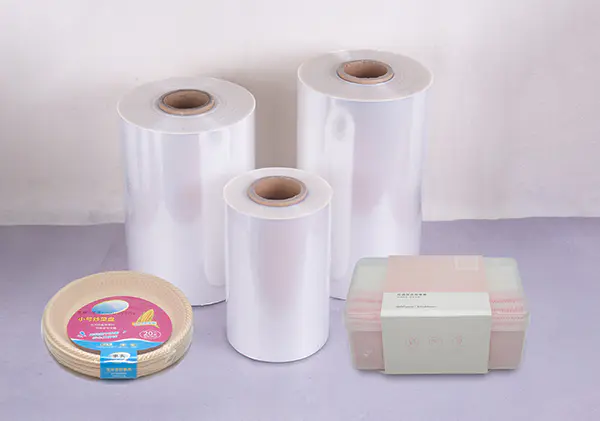
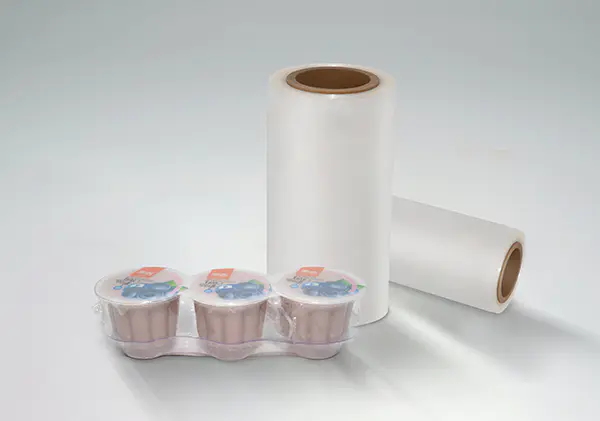
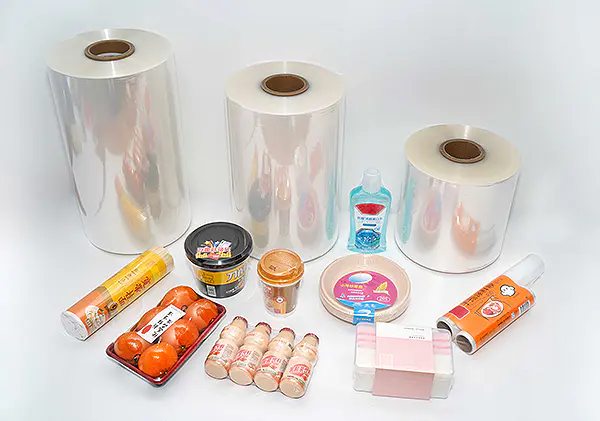
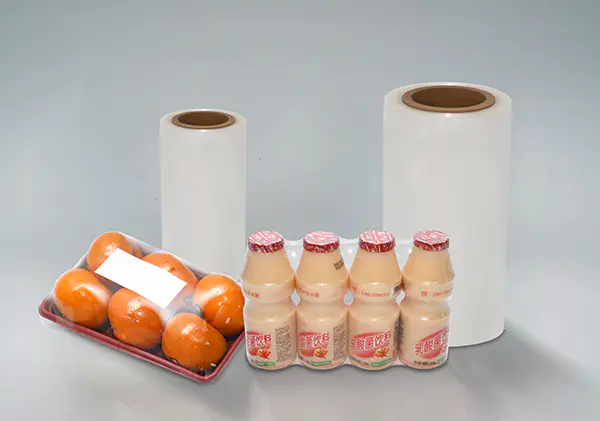
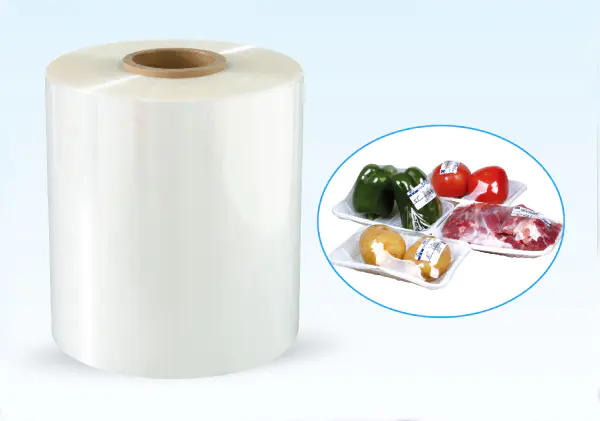
Polyolefin shrink film appears in all sorts of places because it handles such a broad mix of products. Food companies use it for trays of produce, baked goods, cheese blocks, portioned meats, and plenty of frozen items that benefit from both protection and visibility.
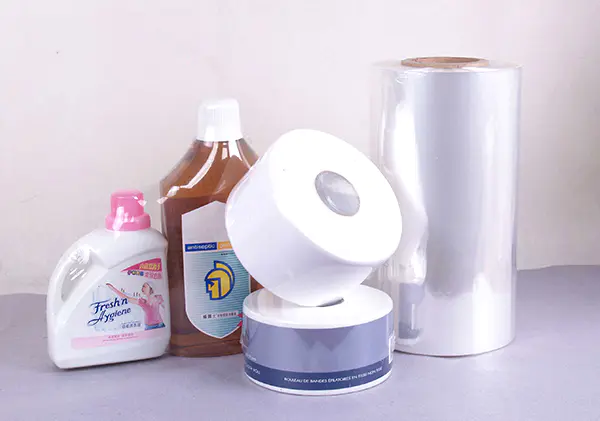
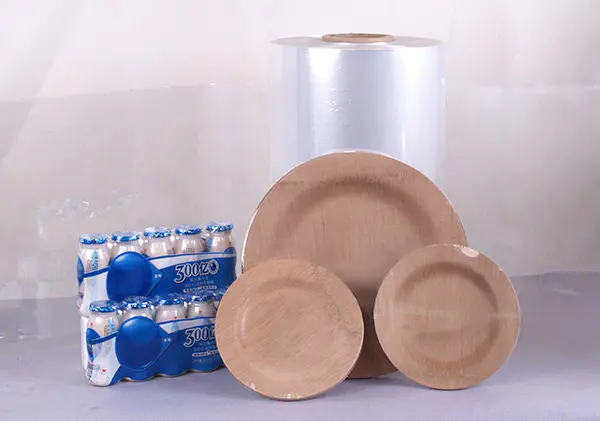
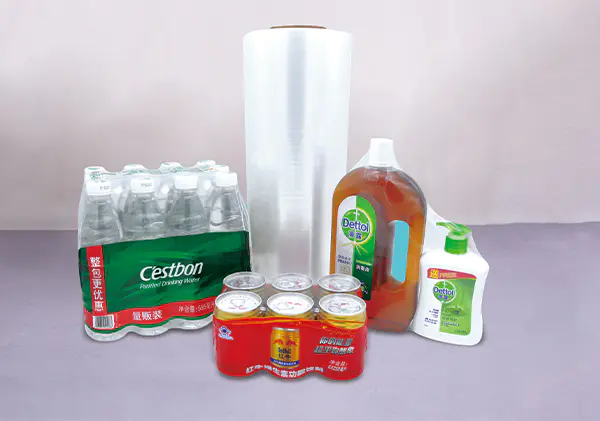
Beverage packers rely on it heavily for multipacks—whether six-packs of soda cans, four-packs of bottles, or bigger trays of twenty-four units. The film keeps everything stable for stacking and pallet movement. Consumer goods manufacturers wrap electronics accessories, personal care products, toys, and seasonal items to keep them looking fresh during distribution.
Pharma operations like the clean, professional appearance and the obvious tamper evidence for bottle overwraps and blister packs. Industrial suppliers bundle loose parts—screws, fittings, small tools—so they stay organized and protected in storage and transit.
E-commerce has embraced polyolefin film more each year. Quick wrapping of single items or small sets adds a layer of protection against the rough journey through sorting centers and delivery vans.
Consistent results come from paying attention to several practical details. Film thickness should match the product—thin gauges work well for light items and help control costs, while heavier or pointed products usually need thicker material to resist tears.
Different film grades have different shrink ratios and forces. Some shrink aggressively; others are more gentle. Picking the wrong one can distort soft products or leave loose patches.
Tunnel temperature and the time the package spends in the heat zone both need careful adjustment. Too hot and you risk warping or burning; too cool and the shrink stays incomplete. Conveyor speed plays a big role in getting that timing right.
Product shape and surface make a difference too. Smooth, regular items shrink smoothly, but irregular or textured surfaces can create stubborn air pockets or tents. Even the humidity in the plant on any given day can subtly affect seal strength and final appearance.
Good equipment maintenance goes a long way—clean seal bars, even film tension, consistent airflow, and accurate sensors all help keep results steady. Operators who get familiar with their specific film and machine setup usually deal with far fewer headaches.
For companies looking for polyolefin shrink film that performs reliably in real production environments, JTPackage focuses on making material with balanced clarity, predictable shrink, and dependable sealing properties.
JTPackage keeps things practical with flexible order sizes and reliable delivery schedules. That combination of steady performance and workable supply helps packaging lines run smoother while still delivering the shelf appeal and protection most customers expect.
JT05 Antifog Crosslinked Shrink Film is an ideal o...
Copyright © Zhejiang Jiuteng Packaging Co., Ltd.
 简体中文
简体中文
 Home
Home
