
Your shrink line keeps turning out wrinkled packages even though the heat dial looks set correctly. The film tears at random times during runs that should go smoothly. Someone on your production team keeps tweaking the temperature hoping the next adjustment will fix things, but problems keep coming back no matter what you try. None of this makes sense until you realize something fundamental: your conveyor speed and heat settings aren't working alone. They're dependent on each other, and when that connection gets ignored, you end up chasing problems that never really get solved. Once you understand how POF Shrink Film actually responds when speed and heat interact, your whole troubleshooting approach changes. You stop guessing and start understanding what's really happening on your line.
When film enters your shrink tunnel, the heat breaks down polymer chains and lets the material contract around whatever you're wrapping. Sounds simple enough on the surface. But here's where things get interesting: the film doesn't shrink the instant it hits the hot zone. It needs time to absorb that heat and actually respond with proper contraction.

Most people assume more heat automatically means better shrink. That's where they run into trouble. Excessive heat creates a completely different set of problems than insufficient heat, and operators learn this lesson through expensive trial and error.
How fast your conveyor moves determines how long each package sits inside the heating zone. That duration—what packaging people call dwell time—directly controls the total amount of heat your film receives. Most facilities set their speed based on production volume targets without thinking through the thermal consequences of that choice.
Here's the thing: speed and temperature create a relationship where exposure duration matters just as much as heat intensity. Run your conveyor too fast and packages blow through the tunnel before absorbing enough heat. Run it too slow and you're essentially baking your film longer than needed. Most production lines operate with speed settings that were established years ago and haven't been reconsidered since.
Think about shrink quality as resulting from heat multiplied by time. Temperature controls heat intensity while conveyor speed controls how long that heat acts on the material. Get the balance wrong and you're dealing with a lot of shrink failures that drive operators crazy. Reasonable temperature combined with appropriate speed produces steady results. Same temperature paired with excessive speed creates loose, incomplete shrink. Same temperature with inadequate speed damages the film from overexposure.
Your tunnel doesn't work when you treat these as separate controls. Tweaking temperature without considering speed is like trying to bake bread by changing oven temperature while constantly switching how long the loaves stay inside. The outcome becomes unpredictable regardless of your oven accuracy.
Packages move through your heat zone too quickly when the conveyor runs too fast. The material never gets enough thermal energy to shrink properly around your product. The packaging ends up looking loose with visible gaps between film and product. It's that frustrating situation where all your settings appear correct but the finished package looks inadequate.
When you see wrinkled corners and unsealed edges, that often points to speed problems rather than heat issues. Film can't contract evenly if it doesn't spend enough time heating. The corners and edges shrink less than the middle, creating obvious distortion. Operators sometimes misread this as a temperature problem and crank up the heat, making things worse while the real speed problem sits there untouched.
Letting packages linger too long in the heat zone damages the film or damages what's inside. The polymer softens too much and loses structural strength. Extended thermal exposure can cause film to thin out or burn, which defeats the whole protective purpose of the packaging.
You also get overly tight packaging when the conveyor moves too slowly. The film contracts so much it deforms the product underneath, damaging contents or creating shape distortion. Products that need careful handling get seriously damaged from over-shrinking caused by extended heat exposure. Operators usually discover this problem only after the products reach customers and complaints start rolling in.
Modern shrink tunnels have multiple heating zones working in sequence to progressively shrink film. Early zones soften the material while later zones finish the contraction. Your conveyor speed needs to sync with this zoned heating strategy. Move products too fast and they exit before the later zones do their job.
Move them too slowly and they over-bake in the early zones before reaching the later stages. Product size and weight affect speed requirements because larger items with more film surface area need longer exposure to achieve complete shrinking. Heavy items also put up more heat resistance that slows the shrink response. When you're running different film thicknesses across your line, each one needs slightly different speed settings to get reliable results.
Operators blame film quality when shrink problems actually come from machine settings. They request premium materials when the real issue is conveyor speed imbalance. This unnecessary upgrade costs money without fixing anything. Correct diagnosis saves resources and improves results faster than upgrading materials alone.
Adjusting temperature without checking speed creates a spiral of compounding problems. Operators raise heat hoping to fix loose shrink caused by excessive speed, then end up with burn problems. Lower the heat to fix burning and the original loose packaging returns. The cycle keeps repeating until someone finally recognizes the speed variable needs adjustment, not the temperature.
Loose packaging with visible gaps means insufficient heat exposure time from running the conveyor too fast. Film rests against the product without fully contracting into place. Wrinkled corners and edges signal uneven shrinkage from inadequate dwell time. Film that shows burn marks, discoloration, or thinning indicates overexposure from running the conveyor too slowly.
Deformed products buried under overly tight film suggest the conveyor moved too slowly, allowing excessive contraction pressure. Sealing failures where film doesn't bond properly represent a different issue from shrink problems, though operators often mix them up. Learning to spot these visual differences helps you identify speed-related problems versus other equipment issues.
Start by setting a baseline temperature that works for your film type and product category. Write it down so you can reference it later. Then adjust conveyor speed gradually in small steps while checking the shrink uniformity in your finished packages. Watch for the point where corners finally shrink properly, then note that speed setting.
Run different product sizes and see if they all shrink consistently. If they don't, your speed-heat balance needs tweaking. After you dial in speed and temperature, fine-tune airflow distribution as a secondary factor. Look for uniform contraction, no wrinkles, and secure seals—that's your signal the balance is working. Once you get consistent results, document everything for when you switch film types or product dimensions.
Your tunnel length determines how much dwell time you get from various speeds. Longer tunnels work with slower speeds while shorter tunnels require faster movement to maintain adequate exposure. Heater power consistency directly affects how predictable your speed settings become. Variations in heating capability make speed coordination difficult.
Film thickness and shrink ratios interact with speed needs. Different shrink ratios require different exposure durations to get complete contraction without damage. Product geometry complicates things when you're running multiple size variations on the same line. Rectangular products with corners need more complete shrink than round items. Speed settings that work perfectly for one shape might create problems with another.
| Film Application | Speed Consideration | Heat Response | Common Challenge |
|---|---|---|---|
| Thin products | Faster speed acceptable | Responds quickly to heat | Preventing incomplete shrink without overheating |
| Heavy products | Slower speed required | Needs extended dwell time | Achieving complete coverage without film damage |
| Small items | Moderate speed needed | Balanced thermal response | Ensuring uniform contraction on tiny surfaces |
| Large items | Slower speed necessary | Extended exposure beneficial | Preventing heat marks while achieving full shrink |
| Variable product mix | Flexible speed range needed | Different response times | Balancing settings for multiple product types |
Choosing thicker film gives you more tolerance for speed variations because there's more material to absorb and distribute the heat. Shrink force balance keeps the material contracting appropriately rather than either too loosely or too tightly. Your film needs to work within your machine's speed range or you're fighting an uphill battle.
Film consistency matters significantly for speed tolerance. Material with uniform thickness behaves predictably across different speed settings. Inconsistent thickness creates frustrating variable results. Higher quality film materials usually provide better consistency that reduces speed sensitivity and improves overall reliability throughout your operation.
Once you nail down reliable parameters for each product category, standardize those settings. Create reference profiles for your different product types and film combinations. Train your team to stick with established settings rather than making constant adjustments. Avoiding random parameter changes keeps consistency that customers depend on.
Check your finished packages regularly for any drift in shrink quality. That signals equipment wear that needs maintenance attention. Your conveyor system requires periodic maintenance to keep speed stable. Heater components degrade over time and need regular checks to maintain heating capability.
When shrink quality drops, look at conveyor speed settings first. Compare your current speed against the documented baseline you established. Confirm that speed hasn't drifted away from your target parameters. Check your heat settings to make sure they're still within range for your current film and products. Look inside your tunnel for anything blocking airflow or vents that might mess with uniform heating.
Examine your film for thickness inconsistencies or quality issues that might indicate a supplier problem. Run a test batch at your established speed and heat settings to see if you get expected results. Document anything that deviates from what you're used to. Adjust conveyor speed in small increments if speed drift is confirmed. Wait for results to stabilize before making additional changes.
Regular maintenance prevents speed and heat inconsistencies that plague daily operations. Your conveyor system needs periodic lubrication and alignment checks to keep speed steady. Heater elements deteriorate over time and require replacement to maintain heating performance. Seals and gaskets need inspection to prevent air leaks that undermine temperature control inside the tunnel.
Keep records of your equipment maintenance schedule and note when components typically need replacement. This kind of planning prevents unexpected failures during production runs. Maintain a log of speed and temperature settings that produce acceptable results for each product type. That documentation becomes invaluable when you're troubleshooting new problems or training operators on your production lines.
Your packaging operation succeeds when you recognize that conveyor speed and heat function as interdependent factors rather than isolated controls that can be managed separately. Problems get solved faster when you approach speed-heat relationships systematically instead of making random adjustments. This understanding shifts your troubleshooting from reactive firefighting to proactive optimization. When you need technical support to optimize your shrink packaging line and select the right materials for your industrial packaging applications, reach out to Zhejiang Jiuteng Packaging Co., Ltd. Their team brings hands-on experience with high-performance shrink film materials and can guide you toward the consistency and quality standards your products require while keeping your production schedules on track.
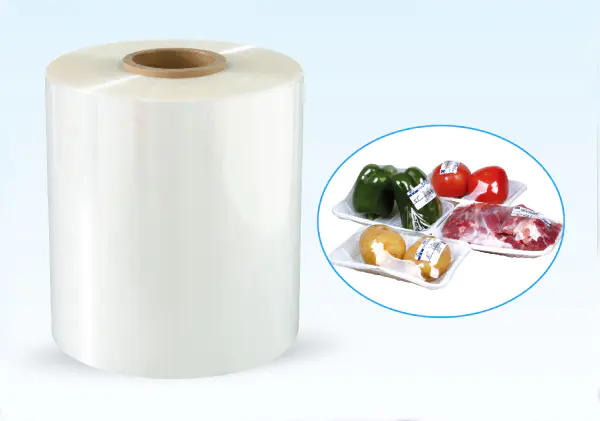
JT05 Antifog Crosslinked Shrink Film is an ideal o...
Copyright © Zhejiang Jiuteng Packaging Co., Ltd.
 简体中文
简体中文
 Home
Home
