
Shrink films are among the most versatile and widely used materials in packaging today. When heat is applied, these thin plastic films contract dramatically, forming a tight, protective layer around whatever they enclose. This simple principle has transformed how products are protected, presented, and transported. Within the family of shrink films, two materials stand out as the primary choices for most applications: polyolefin shrink film and polyethylene shrink film. Although both shrink when heated and both serve the core purpose of holding and protecting items, they are built differently, behave differently, and are chosen for very different reasons. This essay explores those differences in depth so that anyone selecting packaging materials can make a clear, confident decision.
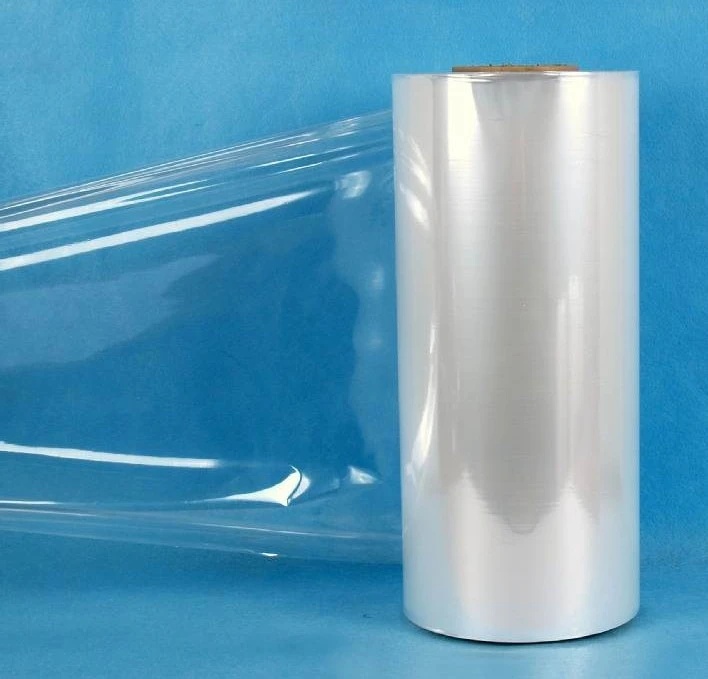
The technology behind shrink films is straightforward yet powerful. During manufacturing, the plastic is stretched while hot and then cooled quickly, locking the molecules in an expanded state. When the film is later reheated during packaging, the molecules return to their relaxed form, pulling the film tight. What varies significantly between polyolefin and polyethylene is how this process is managed, what properties are emphasized, and how the final package performs in real-world conditions.
Polyolefin shrink film is a sophisticated, multi-layered material created by combining two closely related polymers in a carefully controlled process. The result is a film that is not a single uniform sheet but a composite structure, usually three or sometimes five layers thick. Each layer is designed to contribute a specific property: one layer provides outstanding optical clarity, another delivers excellent sealing characteristics, and a third supplies the controlled shrink energy that makes the film pull evenly in all directions.
When heat is introduced—typically in a shrink tunnel or with a heat gun—the molecular chains that were stretched and locked into place during manufacturing suddenly relax. The film shrinks quickly and uniformly, often reducing its dimensions by more than seventy percent in both directions. Because the process happens at relatively modest temperatures, usually well below the point where most products would be damaged, polyolefin film is gentle on contents. It is possible to wrap fresh bakery items, delicate cosmetics, or temperature-sensitive electronics without fear of scorching or distortion.
The finished appearance is one of the strongest advantages of polyolefin film. It is exceptionally clear and carries a high gloss that makes colors appear vivid and details sharp. Retailers love this quality because the package itself becomes part of the marketing message. A product wrapped in polyolefin film looks clean, professional, and premium even when the contents are ordinary. The seals are strong and consistent, and the film resists punctures from sharp corners surprisingly well for its thinness. All of these characteristics combine to make polyolefin the material of choice whenever the package will be seen and judged by the final consumer. Its ability to conform smoothly to irregular shapes without wrinkling or dog-ears further enhances its appeal in high-visibility applications.
Polyethylene shrink film takes a completely different approach. It is almost always a single-layer film made from one basic polymer. There is no layering, no blending of different resins, and no attempt to balance competing properties. Instead, polyethylene film focuses on one thing above all else: raw toughness.
Because it is a single-layer material, polyethylene film can be produced in much heavier thicknesses without becoming stiff or brittle. It is common to see polyethylene films that are several times thicker than the heaviest polyolefin films. This thickness, combined with the inherent stretch and recovery characteristics of polyethylene, gives the film extraordinary resistance to tearing, puncturing, and bursting. When heat is applied—requiring noticeably higher temperatures than polyolefin—the film contracts with considerable force. The result is a rock-solid bundle that can survive rough handling, long-distance shipping, and stacking under heavy weight.
The trade-off for this strength is appearance. Polyethylene film is rarely perfectly clear. Even grades have a slight haze or milkiness that softens details and reduces brilliance. The surface is less glossy, and the overall look is unmistakably industrial. That is rarely a problem, however, because polyethylene is almost never used when visual appeal is important. Its natural home is in warehouses, distribution centers, and anywhere products are grouped together for transport rather than display. Bottles, cans, building materials, and pallets of consumer goods are routinely bundled in polyethylene film because nothing else holds as securely for as little money. The film's ability to maintain its grip even under vibration or shifting loads makes it particularly valuable in logistics.
The most obvious difference between the two films is clarity. Polyolefin is designed to be nearly invisible; polyethylene accepts a degree of cloudiness in exchange for strength. This single distinction often decides the entire material choice. If the customer will see and touch the package, polyolefin is usually the only serious option. If the package will be hidden on a pallet or inside a carton, polyethylene wins by default.
Temperature requirements tell a similar story. Polyolefin begins to shrink at temperatures that are gentle enough for most products. Polyethylene needs significantly more heat, which consumes more energy and demands more robust equipment. In a high-speed packaging line where energy costs and production speed matter, the lower shrinking temperature of polyolefin can be a decisive advantage.
| Performance Aspect | Polyolefin Shrink Film | Polyethylene Shrink Film |
|---|---|---|
| Optical Clarity | Exceptionally high, glossy finish | Moderate, often slightly hazy |
| Shrink Temperature | Lower, gentler on contents | Higher, requires more energy |
| Puncture Resistance | Excellent for thin gauges | Superior in thicker forms |
| Seal Strength | Consistent and strong across settings | Reliable but may need higher pressure |
| Conformity to Shape | Smooth, even wrap on irregular items | Strong hold, may show some wrinkling |
| Energy Efficiency | High (lower heat needed) | Lower (higher heat required) |
Strength characteristics are more nuanced. Polyolefin offers excellent puncture resistance for its weight and is surprisingly strong in thin gauges, but it is not intended to carry heavy loads on its own. Polyethylene, especially in thicker forms, has no equal when pure brute force is required. A bundle of lumber or a multipack of large bottles wrapped in polyethylene will stay together no matter how roughly it is handled. The same bundle wrapped in polyolefin would likely fail under similar stress.
Sealing behavior also differs. Polyolefin forms strong, consistent seals across a wide range of machines and settings. Polyethylene can be more temperamental; it often requires higher sealing temperatures and more pressure, and the seals are sometimes thicker and more visible. For applications where seal appearance matters, polyolefin again has the edge.
Polyolefin film is almost always more expensive per kilogram than polyethylene. The multi-layer extrusion process is more complex, and the raw materials are chosen for performance rather than price. However, cost comparisons based only on the price per roll can be misleading. Because polyolefin is used in much thinner gauges and shrinks more efficiently, the actual cost per finished package is often closer than it first appears. In many retail applications, the higher material cost is more than offset by the marketing value of a beautiful package and by lower energy consumption in the shrink tunnel. The reduced likelihood of returns due to damaged or unattractive packaging can further justify the investment.
Polyethylene, on the other hand, offers unmistakable savings when large volumes of heavy bundling are required. The lower raw-material cost and the ability to use very thick film without prohibitive expense make it the economical choice for industrial and logistical packaging. Over thousands or millions of bundles, the difference can represent significant money saved, especially in operations where appearance adds no value.
| Cost Factor | Polyolefin Shrink Film | Polyethylene Shrink Film |
|---|---|---|
| Material Price per Roll | Generally higher | Generally lower |
| Typical Gauge Used | Thinner (less material per package) | Thicker (more material per package) |
| Energy Cost in Processing | Lower (less heat needed) | Higher (more heat required) |
| Overall Cost for Retail | Competitive due to presentation value | Higher relative to function |
| Overall Cost for Bundling | Higher relative to function | Significantly lower |
Both polyolefin and polyethylene belong to the broader family of polyolefin plastics, which means they share similar chemical roots and can often be recycled in the same streams where flexible-film recycling exists. Neither film is biodegradable in any practical sense, but both can be reprocessed into lower-grade plastic products when collected properly.
Polyolefin has a slight environmental advantage in use because its thinner gauges mean less plastic is consumed per package, and its lower shrinking temperature reduces energy demand during processing. Polyethylene counters with the fact that its simpler composition sometimes makes it easier to incorporate recycled content during manufacturing. In practice, the environmental difference between the two is small compared to the much larger question of whether the film is actually collected and recycled at the end of its life. Many operations are now focusing on source reduction—using the least amount of film necessary—and both materials support that goal when chosen appropriately.
The decision between polyolefin and polyethylene shrink film almost always comes down to a single, straightforward question: What is the primary purpose of the package?
If the package must look outstanding on a store shelf, if the product inside is delicate or temperature-sensitive, if marketing and presentation are part of the value proposition, then polyolefin is the clear choice. Its clarity, gloss, gentle shrinking behavior, and reliable thin-gauge performance make it ideal for individual retail items, gift sets, food products, cosmetics, toys, and anything sold directly to consumers.
If the goal is simply to hold multiple items together securely, to protect heavy or bulky products during transport, to survive rough handling in warehouses and delivery trucks, then polyethylene is the natural selection. Its toughness, ability to be used in heavy gauges, and low cost make it perfect for multipacks, industrial goods, building materials, and any situation where appearance is secondary to survival.
There are, of course, gray areas. Some products need both decent appearance and reasonable strength, and in those cases hybrid approaches—such as using a thinner polyethylene film or a heavier polyolefin grade—can work. But in the vast majority of applications, the choice is obvious once the real requirements are understood.
Both materials continue to improve. Newer generations of polyolefin film are becoming even clearer and stronger while using less material. Advances in polyethylene are producing films that are tougher yet lighter, and some versions now approach acceptable clarity for semi-retail uses. Recycling technology is also progressing, making it easier to keep both films in a closed loop rather than sending them to landfill.
Yet the fundamental division remains unchanged: one film is built for beauty and precision, the other for strength and economy. As long as packages must sometimes be beautiful and sometimes merely survive, both polyolefin and polyethylene shrink films will have their place.
In the end, choosing between them is not a question of which is better in the abstract. It is a question of which is better for the specific task in front of you. Answer that honestly, and the correct film almost chooses itself.
For businesses seeking high-quality polyolefin and polyethylene shrink films backed by reliable production and consistent supply, factories like JT Package offer a range of options tailored to diverse packaging needs. With a focus on performance and customer satisfaction, they provide materials that help operations run smoothly while meeting both aesthetic and functional demands.
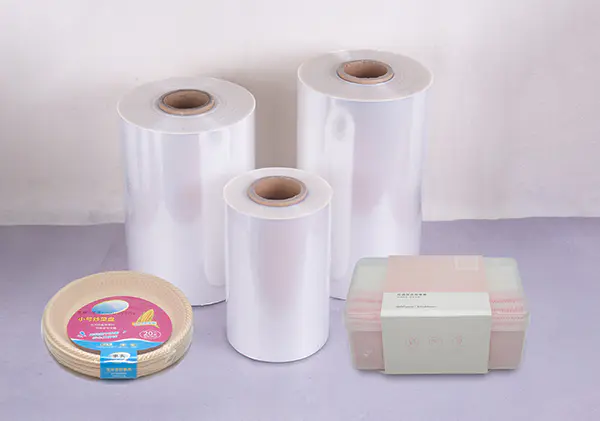
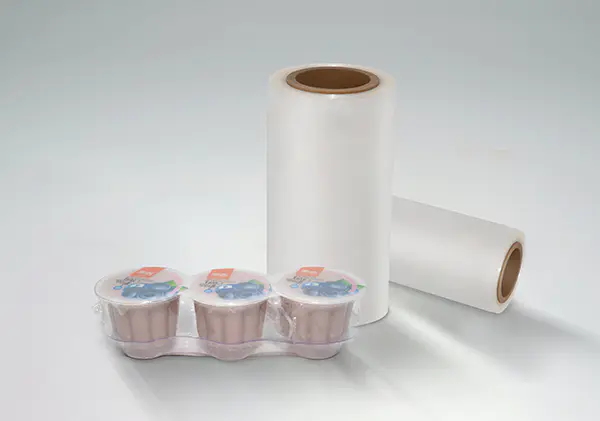
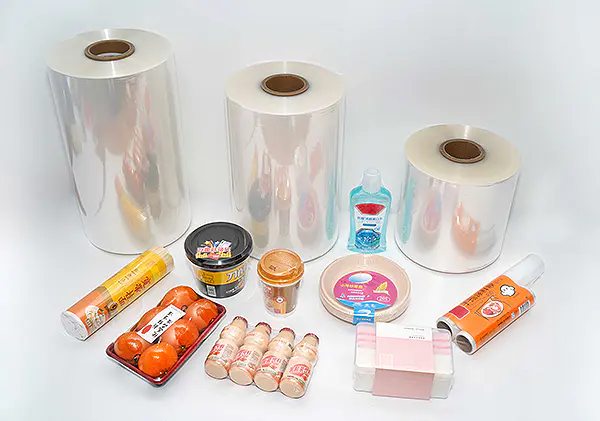
JT05 Antifog Crosslinked Shrink Film is an ideal o...
Copyright © Zhejiang Jiuteng Packaging Co., Ltd.
 简体中文
简体中文
 Home
Home
