
Walk down any retail aisle and the packaging difference is immediate — some products look sharp, clear, and professional while others appear dull, slightly yellowed, or wrapped in film that has already started to wrinkle at the edges. If your product falls into the second category, the material choice is often the culprit, not the product itself. Shrink Film POF has become a widely adopted solution precisely because it addresses the visibility and appearance problems that have long plagued conventional packaging films. For buyers evaluating POF vs PVC Shrink Film , understanding what drives those visual differences is where the evaluation needs to start.
Consumers make judgments fast. A product sitting behind hazy, dull, or puckered film loses ground before anyone reads the label.

This is not a design problem — it is a materials problem. The film surrounding a product either enhances what is inside or works against it. When packaging looks tired, wrinkled, or cloudy, the product perception suffers regardless of the actual quality.
POF shrink film addresses this directly through:
The visual case for upgrading packaging film is straightforward. What takes more unpacking is why POF achieves these results while other materials fall short.
Clarity is not just about how transparent a film looks fresh off the roll. It is about how it performs after heat application, how it holds up in a display environment, and whether it stays clear over weeks on a shelf.
PVC shrink film has a cloudier base appearance and tends to degrade further under heat and UV exposure. The result is packaging that looks acceptable in a catalog photo but less impressive in person — and noticeably worse after time in a retail environment.
POF behaves differently at the molecular level. Its structure allows for:
For products where the packaging is part of the brand presentation — cosmetics, food items, boxed consumer goods — this difference is not subtle. It is the gap between looking premium and looking generic.
It does, and more than many buyers expect when they switch from one film type to another.
Shrink behavior is not just a functional concern about fit and seal integrity. It is a visual one. Film that shrinks unevenly pulls harder on some areas than others, creating tension lines, lifted corners, and surface distortion that no amount of design work can compensate for.
POF shrink film offers:
The result is packaging that looks intentional rather than functional — a distinction consumers register even when they cannot articulate why one product looks more appealing than another.
The differences between the two materials affect packaging outcomes across several dimensions beyond appearance alone.
| Criteria | POF Shrink Film | PVC Shrink Film |
|---|---|---|
| Optical clarity | High, consistent after shrinking | Lower, may cloud or haze |
| Gloss level | Strong surface shine retained | Moderate, degrades over time |
| Long-term appearance | Stable, resists yellowing | Prone to yellowing and brittleness |
| Shrink uniformity | Even in both directions | Can vary, causing distortion |
| Seal quality | Clean, tight end seals | More variable, prone to edge issues |
| Flexibility | Soft, conforming | Stiffer, less forgiving on complex shapes |
| Food safety | Chlorine-free, food-grade | Contains chlorine compounds |
| Odor during processing | Low | Notable chemical odor under heat |
| Shelf appeal result | Premium, retail-ready appearance | Functional but visually dated |
Looking across these factors, the pattern is consistent: POF delivers a more stable, more attractive packaging outcome across a wider range of products and environments. PVC remains in use in certain industrial contexts, but for retail-facing packaging where appearance carries weight, it has largely been replaced by more capable alternatives.
Retail competition has intensified at the point of display. More products compete for the same shelf space, attention spans are shorter, and purchasing decisions happen faster.
In that environment, packaging that blends in or looks dated is not neutral — it actively costs sales. A product that looks sharp, clean, and well-presented has a built-in advantage over one that looks like the packaging was an afterthought.
POF shrink film supports shelf competitiveness in practical ways:
None of these factors is individually decisive, but together they add up to a packaging solution that works with the product rather than against it.
This comes up regularly and the answer matters for a significant portion of the market.
PVC contains chlorine-based compounds that raise concerns in food contact applications and in markets with tighter regulations around packaging materials. The odor released during heat sealing is another practical issue in food production environments.
POF is chlorine-free and widely accepted for food-contact use. It produces minimal odor during processing, which makes it easier to work with in production environments that handle edible products. For cosmetics, pharmaceuticals, and other categories where material safety is part of the specification, these characteristics make POF a more straightforward choice from a compliance standpoint as well as a visual one.
Packaging buyers sourcing for food manufacturers, personal care brands, or any regulated category should factor material safety into the comparison alongside appearance and performance. In practice, POF handles both requirements without requiring a tradeoff between visual quality and compliance.
The short answer is: any product where the packaging is part of the retail presentation.
But some categories see a more pronounced improvement than others:
In each case, the film is not just protective. It is part of how the product communicates its value to the person considering picking it up off the shelf.
Packaging signals brand values even when buyers are not consciously aware of it. Cloudy, wrinkled, or yellowed film reads as low-cost. Clean, glossy, well-fitted film reads differently — it suggests the brand cares about how the product is presented.
This is not a minor effect. Packaging that looks professional creates confidence in the product. Packaging that looks cheap creates doubt. For brands investing in product quality, formulation, or design, using a packaging film that undermines that investment is a straightforward problem with a straightforward fix.
Switching to a higher-clarity shrink film does not require redesigning the product or the packaging format. It is a material upgrade that changes the visual outcome at the final step of the process — and often the last touchpoint before a consumer makes a decision.
For procurement teams evaluating suppliers, a few practical points shape the sourcing conversation:
Working directly with a POF Shrink Film Factory rather than through a distribution chain gives buyers more direct access to technical specifications, customization options, and production scheduling — all of which matter when packaging requirements are specific or volumes are substantial.
For packaging buyers weighing POF vs PVC Shrink Film, the case for POF is built on a consistent set of advantages that show up in the same places every time: clarity, gloss, shrink uniformity, long-term appearance stability, and material safety. These are not marginal improvements — they are the difference between packaging that supports a brand and packaging that merely contains a product. The visual impact on retail shelves is real, measurable, and directly connected to how consumers respond to the products they see displayed. For manufacturers and brands ready to move toward a more capable packaging solution, Zhejiang Jiuteng Packaging Co., Ltd. brings production experience and material expertise to buyers who need consistent, high-clarity shrink film across demanding retail packaging applications. Reaching out with your product specifications is a practical starting point for finding the configuration that fits your line and your brand.
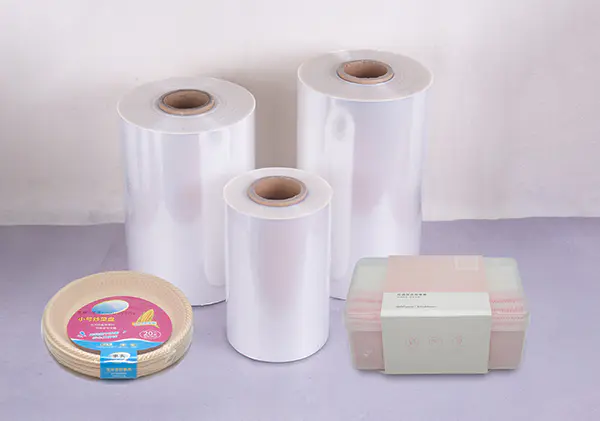
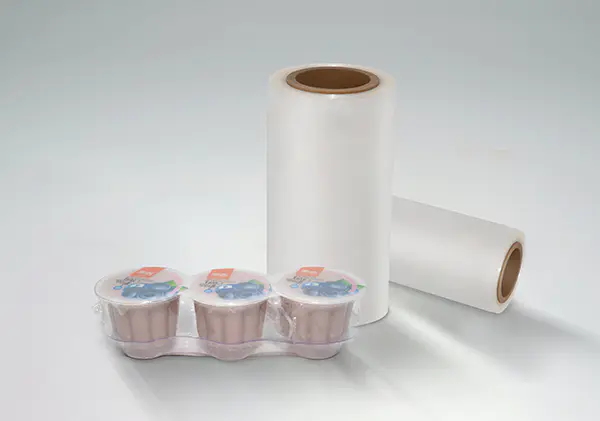
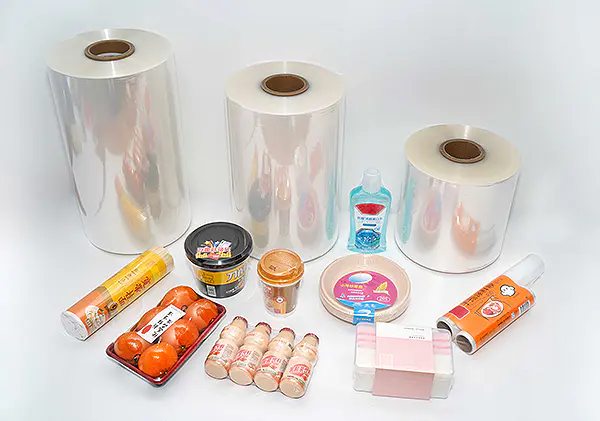
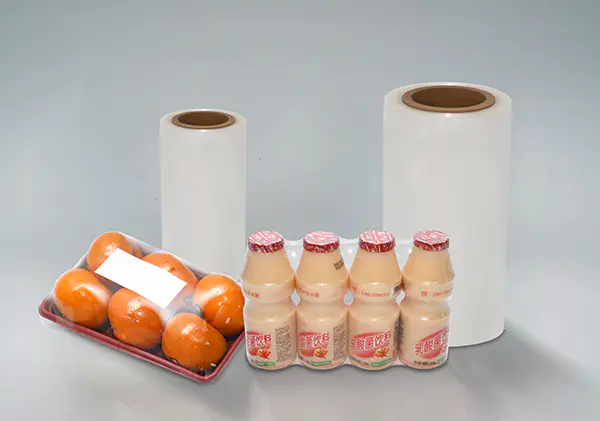
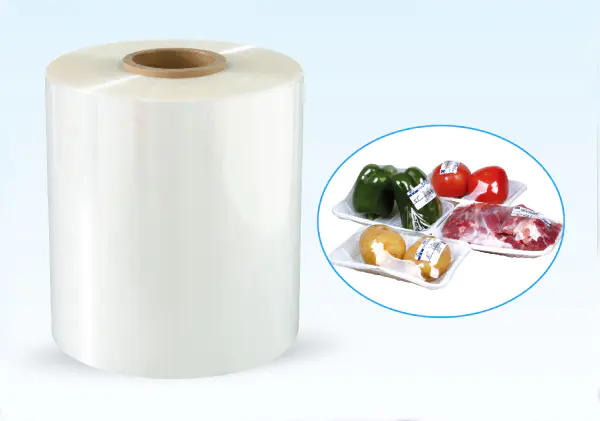
JT05 Antifog Crosslinked Shrink Film is an ideal o...
Copyright © Zhejiang Jiuteng Packaging Co., Ltd.
 简体中文
简体中文
 Home
Home
