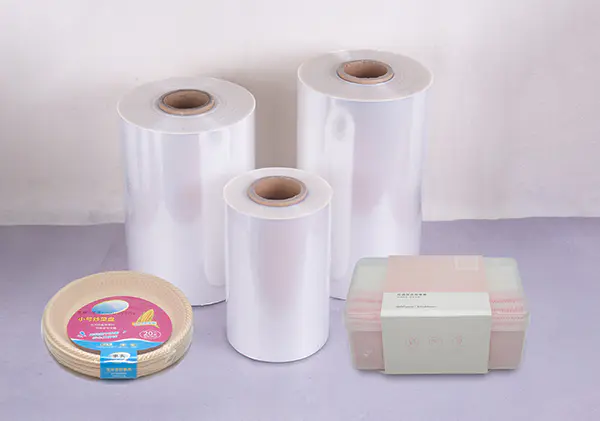
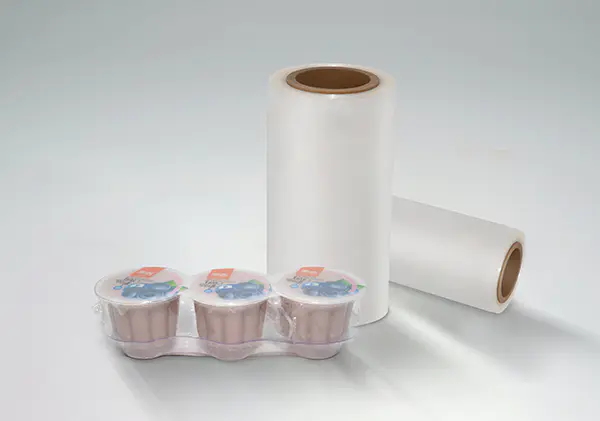
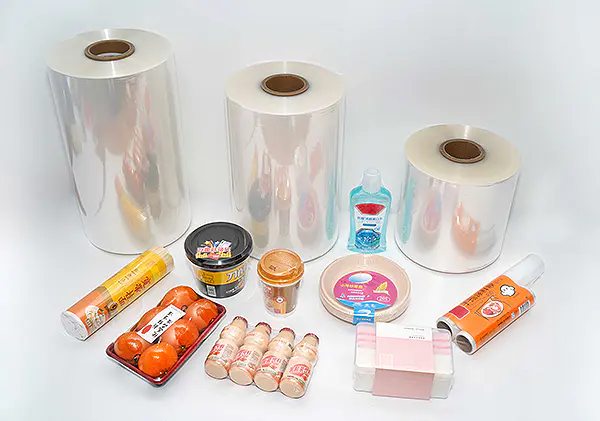
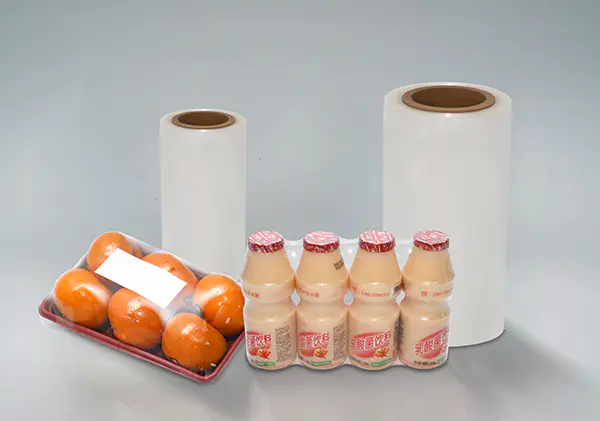
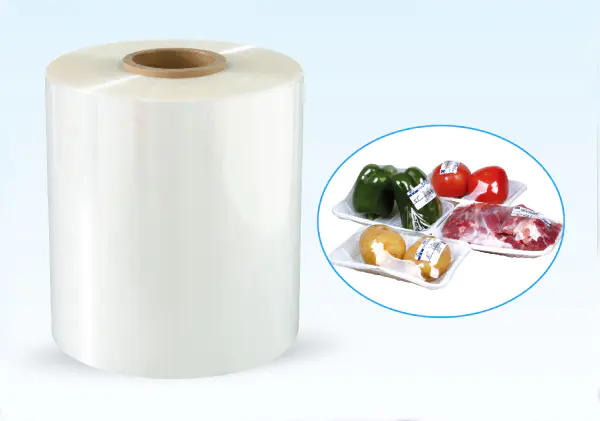
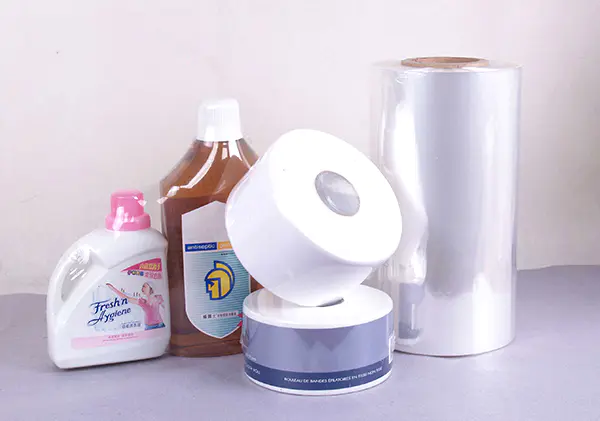
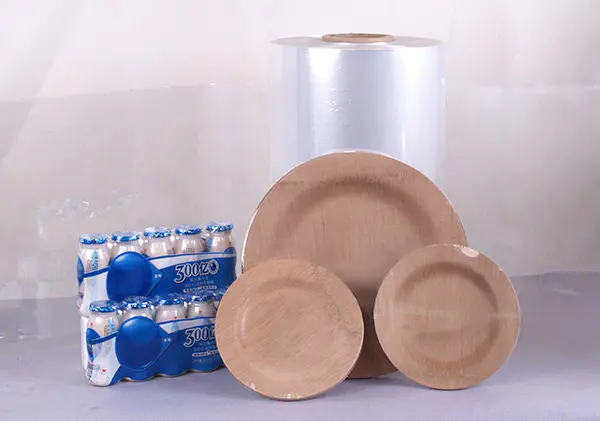
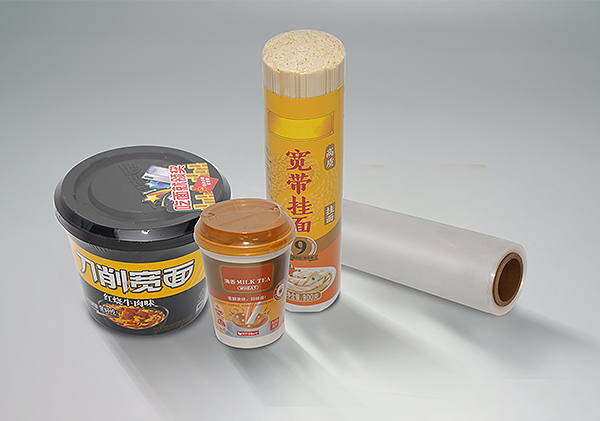
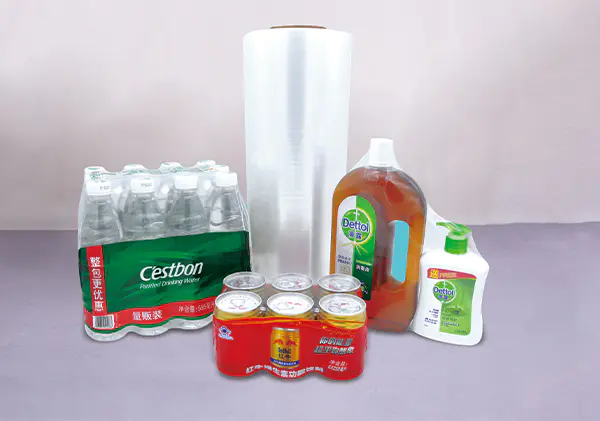
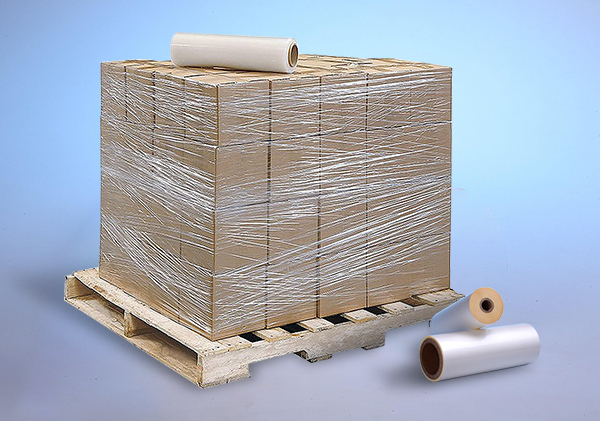
Choosing POF shrink film is a lot like choosing tires: the "best" option depends less on the material name and more on where you drive, how fast you run, and what you need to protect. Polyolefin shrink film is popular because it's clear, strong, and versatile—but within "POF," there are different formats, structures, and performance profiles that can make a huge difference in how your packages look and how smoothly your line runs.
What "POF Shrink Film" Really Means (and Why Types Matter)
POF (polyolefin) shrink film typically refers to a multi-layer, heat-shrinkable film made from polyolefin-based resins. It shrinks when heated (usually in a shrink tunnel) to form a tight, protective wrap around a product.
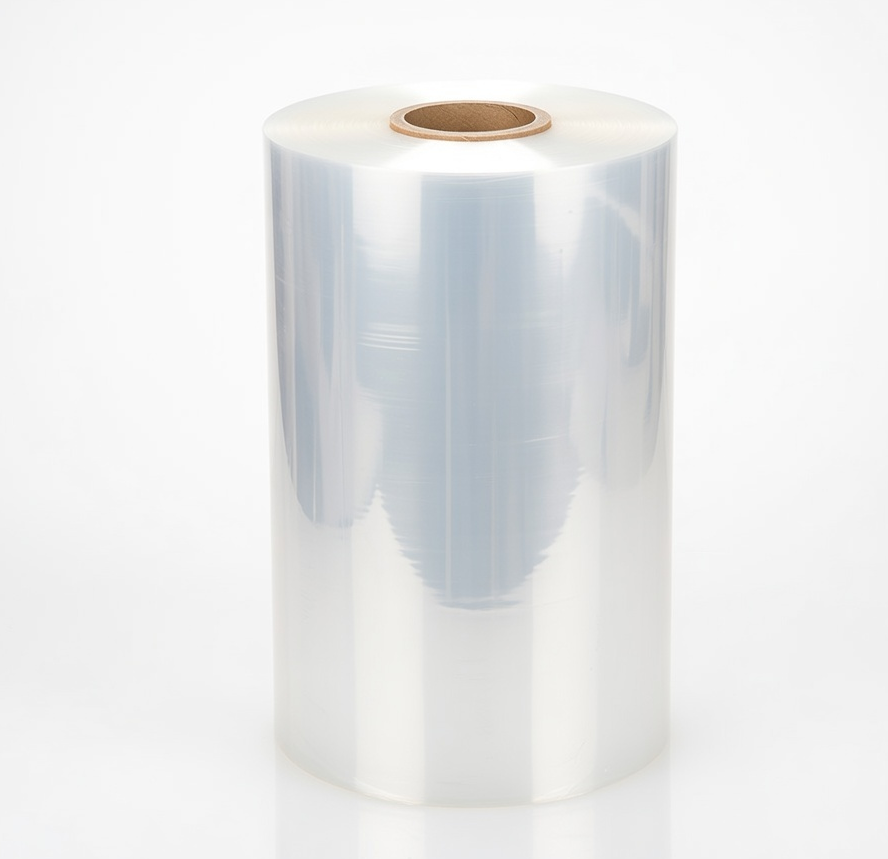
- Different POF film types exist because packaging environments vary:
- A slow manual station needs forgiving sealing and easy handling.
- A high-speed automatic line needs clean seals, consistent unwind, and stable shrink.
- Retail display needs high gloss and clarity.
- Bundling heavy items needs puncture resistance and toughness.

The right film choice can reduce:
- Seal failures
- Burn-through
- Wrinkles or "smiles"
- Excess scrap
- Downtime from film breaks or tracking issues
Step 1: Identify Your Packaging Style (Format Types)
The first decision is often not thickness—it's film format, because it must match your equipment and workflow.
Centerfold (CF) Film
Centerfold film is folded in half along its length (like a long "U" shape). You insert the product between the layers and seal.
Best for:
- L-sealers (manual, semi-auto, automatic)
- Most retail and general-purpose shrink wrapping
Why it's popular:
- Efficient for single-item wraps
- Easy to create a clean, retail-ready finish
Watch-outs:
- Needs correct film width selection to avoid loose bags or overstretch
Single Wound (Flat) Film
- Single wound film is a single sheet wound on a roll (not folded). It's used where the machine forms the wrap differently, or where a specific process calls for a single web.
Best for:
- Certain automatic wrappers and specialty applications
- Use cases where you're creating your own bag or using a separate web system
Watch-outs:
- Requires equipment designed for the format
- Preformed Shrink Bags (POF Bags)
- Instead of roll film, you use ready-made bags.
Best for:
- Very consistent pack sizes
- Operations that want simpler handling and predictable material use
Watch-outs:
- Less flexible for varying product sizes
- Inventory complexity (multiple bag sizes)
Step 2: Choose the Film Structure (Performance Types)
POF films can be engineered differently. The structure affects strength, shrink behavior, and sealing "forgiveness."
Standard Multi-Layer POF (General Purpose)
Most POF shrink films are multi-layer. This provides a balanced set of properties: clarity, sealability, toughness.
- Best for:
- Broad, mixed SKU environments
- Retail packaging, printed pieces, boxes, multi-packs
Crosslinked POF (High-Performance)
Crosslinked film is engineered for higher strength and improved hot-slip performance (depending on formulation). It can be excellent for faster lines and tougher conditions.
- Best for:
- Higher-speed equipment
- Sharp edges or heavier products
- When you want downgauging (thinner film with similar strength)
- Trade-offs:
- Often higher cost per kg (but may lower total cost through downgauging and fewer breaks)
Microperforated / Venting Options (Application-Specific)
For products that release air or have trapped gas/heat issues, venting can reduce ballooning or uneven shrink.
- Best for:
- Certain printed materials or items where trapped air causes poor appearance
- Some bundles where air must escape cleanly
- Trade-offs:
- Perforation choices must match product needs; over-venting can reduce protection
Step 3: Select Thickness (Gauge) Based on Product Risk, Not Habit
Thickness is usually measured in microns (µm) or gauge. Thinner films reduce material cost and can improve appearance, but require better process control and product suitability.
A practical thickness guide (typical ranges)
- 10–12 µm: Premium appearance, light products, high clarity needs, stable equipment conditions
- 15 µm: Common all-purpose choice (good balance of toughness and optics)
- 19–25 µm: Heavier products, sharper corners, bundling, tougher shipping environments
How to decide quickly:
- If your product has sharp corners → go thicker or use a stronger film type.
- If your product is lightweight and retail-facing → thinner film may deliver a cleaner look.
- If you have frequent punctures or seal splits → thickness alone may not fix it; you may need a stronger structure or better sealing settings.
Step 4: Match the Film to Your Sealing System
Sealing behavior can make or break productivity. Film type and sealing method must match.
Common seal systems include:
- Hot knife / impulse sealing
- L-sealer systems
- Side-seal automatic systems
What to evaluate:
- Seal strength and consistency: Does it hold during shrinking and handling?
- Seal appearance: Is it clean for retail?
- Sealing window: Can it tolerate small changes in temperature and dwell time without burn-through or weak seals?
If your line sees operator variation or changing SKUs, prioritize films known for a wider sealing window.
Step 5: Confirm Shrink Behavior (Not Just Shrink %)
People often ask for "high shrink," but what you usually want is controlled, even shrink.
Key shrink traits:
- Balanced shrink: Similar shrink in both directions helps avoid distortion.
- Low distortion on graphics: Important for printed cartons, labels, or retail presentation.
- Controlled force: Too much shrink force can crush lightweight boxes or deform delicate items.
Practical tip: If you package products with a mix of rigid and flexible components, you want a film that shrinks smoothly without excessive force.
Step 6: Decide What Matters Most: Optics, Toughness, or Line Speed
Most operations can't optimize everything at once. Prioritize based on your sales channel and production reality:
- Retail / DTC unboxing: clarity + gloss + clean seals
- Industrial shipping: puncture resistance + seal integrity
- High-speed automation: consistent unwind + stable sealing + predictable shrink
Below is a quick comparison of common POF film "types" in the way buyers typically think about them.
|
POF Film Type
|
Best For
|
Strengths
|
Trade-Offs / Notes
|
|
Standard multi-layer POF
|
General-purpose packaging
|
Balanced optics & strength, good sealing
|
May not be optimal for extreme speeds or sharp edges
|
|
Crosslinked POF
|
High-speed lines, tough packs
|
Higher toughness, often better performance for downgauging
|
Higher material cost; requires correct settings
|
|
Thin-gauge POF (10–12 µm)
|
Premium retail, lightweight items
|
Excellent appearance, lower material use
|
Less margin for sharp edges and unstable settings
|
|
Heavy-gauge POF (19–25 µm)
|
Heavy items, bundling
|
Stronger puncture resistance
|
Higher material cost and sometimes less “premium” look
|
|
Microperforated / vented POF
|
Trapped air issues
|
Reduces ballooning, improves shrink uniformity
|
Must match product needs; can reduce barrier/protection
|
This table is a starting point—final selection should be validated with line trials and real products.
Step 7: Check Compliance and End-Use Requirements
If your film will be used for food or sensitive products, film selection must include regulatory and safety considerations. "Food grade" is not a generic property of all POF films—it depends on the specific formulation, manufacturing controls, and documentation for the market where you sell.
Also consider:
- Odor neutrality for packaged consumer goods
- Printability (if you print on the film)
- Storage environment (heat, UV exposure, warehouse conditions)
Step 8: Align Film Choice With Your Equipment Reality
A film can look great in theory and fail on your line. Before committing, confirm:
- Roll dimensions: width, outer diameter, core size
- Unwind behavior: tracking stability, telescoping resistance
- Static control: static can cause handling issues and poor appearance
- Shrink tunnel capability: consistent heat distribution matters as much as film type
If you run mixed SKUs, consistency and "forgiveness" often beat niche performance.
Step 9: Run a Smart Trial (Simple, Repeatable, Useful)
A good trial isn't "try a roll and see." It's structured.
Track:
- Seal quality (visual + pull test)
- Shrink appearance (wrinkles, corner tightness, distortion)
- Defect rate (burn-through, holes, splits)
- Line speed impact and downtime
- Film consumption (meters per pack; scrap rate)
Run the trial on:
- Your hardest SKU (sharp edges, heaviest weight)
- Your highest-volume SKU (economic impact)
- Your most appearance-sensitive SKU (retail)
Common Selection Mistakes (and How to Avoid Them)
- Mistake 1: Picking film by thickness only
- Thickness matters, but structure and sealing window often matter more.
- Mistake 2: Over-optimizing for clarity in a rough shipping environment
- A slightly thicker or tougher film may reduce returns and damage.
- Mistake 3: Ignoring tunnel conditions
- Uneven tunnel heat can create haze, wrinkles, and inconsistent shrink—problems wrongly blamed on film.
- Mistake 4: Choosing a film that's "too tight" for delicate products
- High shrink force can crush light cartons. Controlled shrink is key.
To choose the right POF shrink film efficiently:
- Match the roll style (centerfold, single-wound or pre-made bags) to your packaging machine
- Choose the performance grade (standard, crosslinked or vented/anti-fog) according to your line speed and product sensitivity
- Decide on film thickness based on product weight, sharp edges and how roughly it will be handled in transit
- Run sealing tests on your own equipment to find the real working temperature & dwell time window
- Check the finished appearance using your actual tunnel settings and real products
Follow these five steps and your decisions become consistent and confident — no more guesswork or "we've always used this" habits.
Jiuteng POF shrink film factory offers all these formats, grades and thicknesses, so you can quickly test and settle on the exact specification that performs best on your line.