
Seals that come out wrinkled halfway through a shift, a sealing blade that suddenly starts dragging instead of cutting clean, tunnel temperatures that seem fine on the display but produce loose, uneven shrink anyway, these are the small warning signs that Shrink Film POF users run into far more often than anyone likes to admit. It is rarely the machine itself failing outright. More often it is a maintenance gap that quietly built up until the packaging line stopped cooperating. For packaging engineers, production managers, and procurement teams responsible for keeping shrink wrap lines running, the connection between film behavior and machine upkeep is closer than many people assume going in.
It might seem like the film is just a consumable passing through the equipment, gone the moment it wraps a product. In practice, film residue, heat sensitivity, and tension all interact directly with sealing bars, rollers, and heat tunnels. A film with inconsistent thickness stresses the sealing jaw differently than one with a uniform gauge, and that inconsistency shows up as wear patterns nobody planned for.
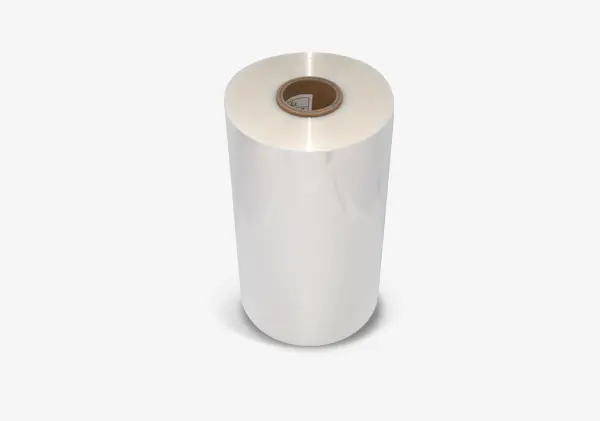
Operators who treat film selection and machine maintenance as two separate conversations tend to run into repeated problems, since the film is not a passive ingredient here. It behaves more like part of the mechanical system every time it passes through the tunnel.
A small number of components take on the majority of wear in shrink wrapping lines, and maintenance issues often trace back to these specific points.
Catching wear at any of these points early tends to prevent a cascade where one worn part starts stressing the next component down the line.
Yes, and this is a detail that gets skipped surprisingly often. Standard POF film behaves differently under heat than a cross linked version, which affects how residue builds up on sealing components and how often cleaning cycles need to happen. Lines running Cross Linked POF Shrink Film tend to see less residue buildup on sealing bars over time, since the molecular structure holds up better under repeated heat exposure, but that does not mean maintenance can be skipped altogether, only that the interval between servicing might stretch out a bit longer.
Breaking maintenance into a routine rather than treating it as a reactive fix tends to keep lines running with far fewer surprises.
None of these steps demand specialized tools. They mostly require attention and a habit of not letting small residue or wear signs slide past unnoticed.
This is where buyers benefit from stepping back and comparing film categories side by side, since not every shrink film interacts with equipment the same way.
| Film Type | Heat Resistance | Puncture Resistance | Typical Maintenance Impact |
|---|---|---|---|
| Standard POF | Moderate | Moderate | Requires regular sealing bar cleaning |
| Cross Linked POF Shrink Film | Elevated | Higher | Reduced residue buildup; longer sealing bar life |
| Cross Linked Polyolefin Shrink Film | Elevated | Higher | Similar durability profile to cross linked POF |
| PVC Shrink Film | Lower | Lower | More frequent cleaning required; shorter component lifespan |
Looking at this comparison, cross linked films generally place less repeated stress on sealing components compared to standard or PVC alternatives, which translates into fewer maintenance interruptions over the working life of the equipment.
It does, more than some operators expect before switching. PVC tends to release more fumes and residue during sealing, which coats sealing bars faster and shortens intervals between cleaning cycles. POF, particularly cross linked versions, burns cleaner and holds up better under repeated heat cycling, which is part of why facilities dealing with high volume, continuous operation often move away from PVC after a maintenance log starts showing a pattern of frequent sealing bar replacements.
Skipping routine upkeep rarely results in an immediate breakdown. Instead, the effects appear gradually, beginning with slightly uneven shrink results, followed by more frequent film jams, and eventually progressing to unplanned downtime when a worn sealing bar gives out during a shift. By that point, the repair costs more, both in replacement parts and in lost production hours, than the routine maintenance would have cost across several months. Production managers who track small performance drifts, rather than waiting for outright failures, tend to catch these patterns before they escalate into a line stoppage.
Selecting a film based purely on cost per roll, without considering how it interacts with sealing components and heat tunnels, often costs more later through increased maintenance frequency and component replacement. Buyers who factor in heat resistance, puncture resistance, and residue behavior alongside price tend to end up with a packaging line that runs steadier over the long run. This is one of those decisions where the cheaper option upfront does not always stay cheaper once maintenance labor and downtime enter the calculation.
Keeping a shrink wrapping line running smoothly rarely comes down to one single fix, it comes from treating film selection and equipment upkeep as connected decisions rather than separate line items on a purchasing sheet, since Shrink Film POF choices directly shape how often sealing bars need attention and how consistently the tunnel produces clean, even shrink across every run. Facilities that build a routine around daily wipe downs, periodic inspections, and film quality checks tend to see fewer unplanned interruptions and get a longer working life out of their equipment overall. Zhejiang Jiuteng Packaging Co., Ltd. works with production teams sourcing film through a POF Shrink Film Factory relationship built around matching material properties to actual equipment conditions, and sharing your machine specifications and current maintenance schedule is a practical way to start identifying which film profile fits your line best.
JT05 Antifog Crosslinked Shrink Film is an ideal o...
Copyright © Zhejiang Jiuteng Packaging Co., Ltd.
 简体中文
简体中文
 Home
Home
