
When you wrap a pallet of fresh produce or a silage bale in standard stretch film, the trapped moisture has no way to escape. Condensation builds up, mold begins to form, and the product inside degrades faster than it should. Vented stretch film solves that problem with a controlled pattern of ventilation holes that let air and vapor move out while the film still holds the load tight and stable. If your products need to breathe, this is the packaging film to evaluate. The right spec depends on load weight, product sensitivity, and wrapping method, but the principle is unchanged: create enough airflow without giving up load security.
Vented stretch film, also called breathable stretch film or perforated stretch wrap, is a polyethylene-based stretch film that has been punctured with a regular pattern of holes. The base material is typically the same LLDPE resin used in standard stretch wrap, so the film keeps the elongation, cling, and puncture resistance needed to secure a load. The perforation pattern simply adds an airflow path that plain film does not have.
Those holes allow moisture vapor to leave the load and oxygen to enter. On a produce pallet, this reduces condensation on the inner surface of the film and lowers spoilage risk. On a silage bale, it lets fermentation proceed without the film trapping excess heat or ballooning. The film can be applied with a hand dispenser or an automatic stretch wrapper because most of its mechanical properties remain unchanged.
The most visible difference is the ventilation pattern. Instead of a continuous airtight membrane, vented stretch film has perforated zones that permit air exchange. This makes it unsuitable for dustproofing or for keeping moisture out, but it becomes exactly the right choice for products that release heat or water vapor. When you need load stability plus limited airflow, vented film is the deliberate alternative.
Vented stretch film is most valuable in four specific situations.
In all four cases, the value is not just about holding force. It is about balancing load stability with controlled air exchange. When either requirement is missing, you end up with a wrap that is either too tight to breathe or too loose to protect.
In logistics settings, the stretch film itself is what keeps the order intact. You can learn more about the role of PE stretch film in logistics from our industry articles. This background is useful when you are comparing a vented wrap to a standard pallet wrap.
The table below shows typical ranges for vented stretch film. Your exact requirement may sit outside these numbers, but they give a strong starting point for comparing suppliers and understanding the trade-offs.
| Specification | Typical Range | Why It Matters |
|---|---|---|
| Vent hole diameter | 8-20 mm | Larger holes let more air through but reduce the protective surface area. |
| Vent pattern | Evenly spaced rows, 2-4 holes per line | Determines how uniformly air crosses the load. |
| Film gauge | 20-50 microns | Heavier loads and sharp edges require thicker film. |
| Elongation at break | 200-400% | Higher elongation helps the film follow irregular shapes. |
| Cling level | Moderate to high | Higher cling keeps layers together without extra adhesives. |
These figures are not a substitute for a factory test. Ask your supplier for a technical data sheet and, if possible, a roll sample for a field trial under your real operating conditions.
Selecting the right vented stretch film means matching three variables: the breathing requirement of the product, the weight of the load, and the wrapping equipment you use.
Leafy greens and berries actively release moisture, so they need a denser vent pattern with larger holes. Melons, root vegetables, and other sturdy produce can tolerate a lighter vent pattern that still prevents condensation while retaining more dust protection.
A 20-30 micron vented film works well for light pallets. For dense, heavy, or irregular loads, choose a 35-50 micron film or a pre-stretched version that keeps holding force high while using less material. Remember that perforation creates small weak points, so thicker film is often the safer investment for heavy cargo.
Manual wrapping relies on high cling for a stable wrap. Automatic wrappers prefer a film with consistent elongation and a centered wound core. Confirm the roll width, core diameter, and stretch ratio before you order. This is where a practical, well-built packaging product range helps you find the right match without expensive trial and error.
When you evaluate these variables, be careful not to over-ventilate. Too many holes can make the film tear under tension, reduce wind protection, or let dust into the load. A balanced pattern is usually the safest choice.
The safest approach is to start with a light vent pattern and increase airflow only if condensation becomes a problem in your own field testing.
Once your specification is clear, the next step is to verify that the supplier can deliver consistent quality at scale. The following points matter more than most marketing claims.
One practical way to judge a supplier is to look at the base material first. Our PE stretch film product line shows how gauge consistency and cling are controlled from raw material to finished roll. If you are sourcing a perforated or vented version, these same quality controls tell you a lot about the final result.
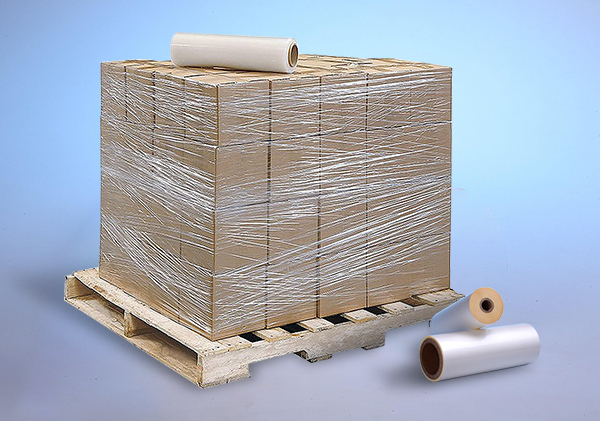 PE Stretch Film JT10 for Secure Pallet WrappingThis stretch film offers strong winding force and retraction to bundle goods tightly, protecting them from dust, oil, and water. Its consistent gauge and cling reflect reliable quality control, relevant when choosing a perforated vented version.View Product →
It can be, but you must confirm that the specific film grade meets food-contact regulations. Look for FDA or EU food-contact declarations and check that the perforation process does not introduce contaminants. If your product is bare produce, a certified film is the safer choice.
Yes. Vented stretch film is designed to run on standard automatic and semi-automatic straddle or rotary wrappers. Because the perforation reduces the effective material strength, you may need a slightly higher gauge or a pre-stretched film to maintain the same wrap stability as standard film.
The key is to choose the right gauge for the load. In general, a thicker vented film can deliver comparable holding force, while a thinner one is only suitable for light loads. Test the exact film on your own equipment and load profile before committing to a supplier.
Lead time depends on roll dimensions, vent pattern, and volume. A manufacturer with efficient production planning can usually support seasonal needs, but you should confirm capacity and provide your forecast early to avoid delays.
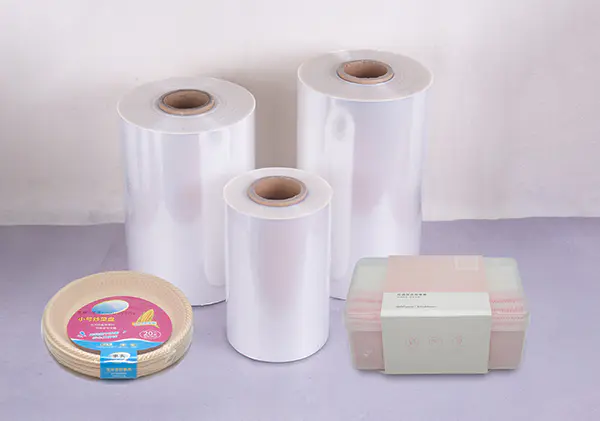
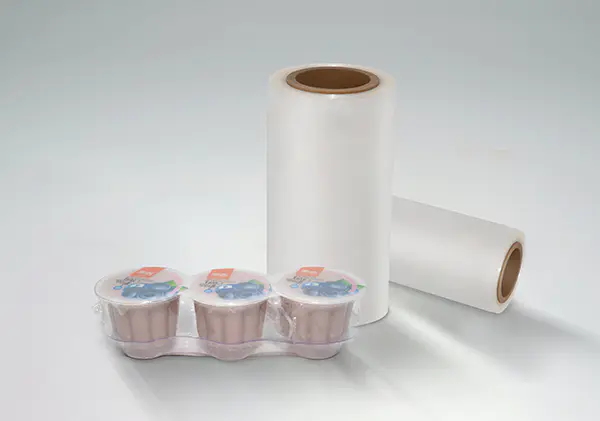
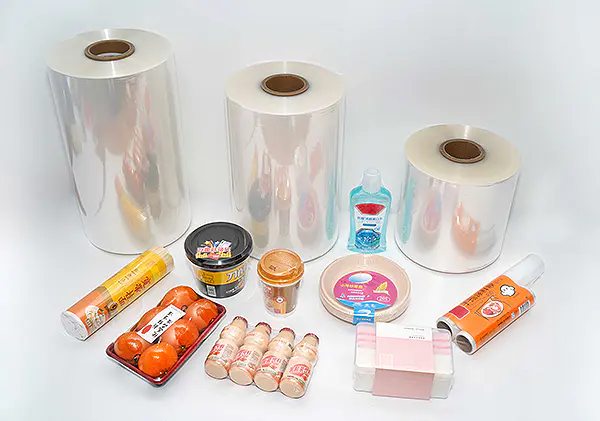
JT05 Antifog Crosslinked Shrink Film is an ideal o...

Copyright © Zhejiang Jiuteng Packaging Co., Ltd.
 简体中文
简体中文
 Home
Home
