
Packages splitting at the seal line. Product shifting inside the wrapper during transit. Rejected batches piling up before end-of-shift QC. If any of that sounds familiar, the problem almost always traces back to a mismatch between machine parameters, material specification, and line conditions — not a single defect you can fix by turning one dial. Working with POF Shrink Film across high-speed production requires understanding how sealing temperature, dwell time, blade condition, and film formulation interact. When any one of those variables drifts out of range, the seal weakens — and the failure often doesn't show up until the package is already on the line or in transit.
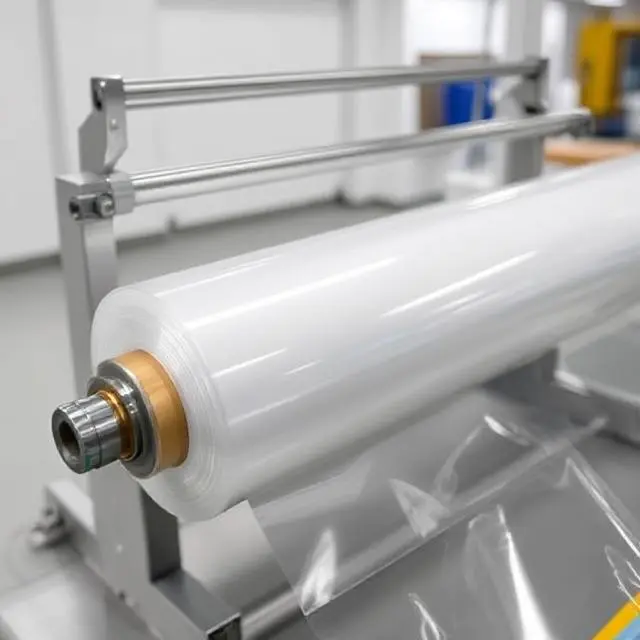
Before adjusting anything, identify which category the problem falls into. Weak seals on shrink-wrapped packaging typically come from one of three sources: the film itself, the machine setup, or the operating environment.
A structured diagnostic approach saves time and avoids replacing the wrong component.
Step 1 — Run a static test. Seal a sample at a standstill with manual sealing equipment or by pausing the line. If the seal holds under pull-test conditions, the machine setup is likely correct and the problem lies in dynamic parameters — speed, dwell time, or cooling.
Step 2 — Check the seal line visually. A clean, consistent seal line that fails under load suggests insufficient temperature or dwell time. An irregular or bubbled seal line points to blade condition or pressure inconsistency. A seal that tears through the film rather than at the bond indicates temperature is too high rather than too low.
Step 3 — Test with a film from a different roll or batch. If seal quality improves immediately, the film batch is the variable. Check the roll for visible thickness variation, surface contamination, or unusual stiffness that suggests storage damage.
Step 4 — Review recent parameter changes. Speed increases, blade replacements, or shifts in ambient temperature often precede seal quality drops. Correlating when the problem started with what changed on the line usually isolates the cause quickly.
Sealing temperature is the parameter adjusted frequently in response to weak seals — and the one likely to be set incorrectly. Temperature that is too low produces incomplete bonding. Temperature that is too high burns through the film or creates a brittle bond that fails under flex stress.
What to check:
Dwell time is the duration of contact between the sealing bar and the film. It is directly affected by line speed — faster lines shorten dwell time unless the equipment compensates.
Common errors:
| Blade Condition | Seal Appearance | Likely Failure Mode |
|---|---|---|
| Clean and sharp | Consistent, uniform line | None if parameters are correct |
| Residue buildup | Irregular or discolored seal | Weak spots along the seal |
| Edge worn | Thin or interrupted seal | Seal splits under light tension |
| Misaligned | Diagonal or off-center seal | Inconsistent hold across width |
Blades should be inspected at the start of each shift and cleaned with a non-abrasive solvent appropriate for the blade coating. Replace blades on a scheduled cycle rather than waiting for visible damage to appear.
Cross-linked POF Shrink Film bonds differently from standard formulations under heat. Cross-linked film has a wider sealing temperature window and produces stronger bonds under high-speed conditions — it is better suited to demanding lines with variable dwell times. Standard film has a narrower sealing window and requires tighter parameter control.
Using a standard formulation on a line optimized for cross-linked film — or vice versa — produces weak seals even when all parameters appear correct. Confirm formulation type before making parameter adjustments.
Thicker film requires more heat and dwell time to bond through to the center of the melt zone. Thin film is more sensitive to over-temperature. Both extremes narrow the sealing window.
For lines running multiple product formats, avoid switching between significantly different film gauges without recalibrating temperature and dwell time. A parameter set that works for one gauge will not transfer cleanly to another.
A cold production floor reduces the surface temperature of the film before it reaches the sealing bar. The effective sealing temperature is lower than the bar temperature, which means a setting that produced acceptable seals in summer may produce weak seals in winter without any machine changes.
Compensate by:
Static charge causes film layers to misalign slightly at the seal zone — one layer is marginally longer than the other, reducing bond area. Anti-static devices on the film path reduce this risk on high-speed lines.
Airborne dust or product particulate that settles on the film surface before sealing acts as a contamination layer between the film faces. Seal zones should be positioned away from dusty operations, and film edges should be inspected regularly.
Equipment checks:
Film checks:
Environment checks:
Process checks:
Weak seals are rarely a single-variable problem, and solving them reliably requires a film supply that is consistent enough to hold parameter settings across batches. Inconsistency in film thickness, formulation, or shrink ratio means parameters that work on one roll fail on the next — and the problem is misattributed to the machine rather than the material.
A well-specified film supply changes that dynamic. Consistent gauge and formulation across production batches means parameter baselines actually hold, and troubleshooting effort focuses on real process variation rather than compensating for material inconsistency. If persistent seal quality issues remain after parameter adjustment, the conversation should shift to film specification. Zhejiang Jiuteng Packaging Co., Ltd. works with packaging engineers and production managers to identify where film specification, machine parameters, and line conditions can be better aligned, and provides POF Shrink Film samples for qualification testing before a full production commitment.
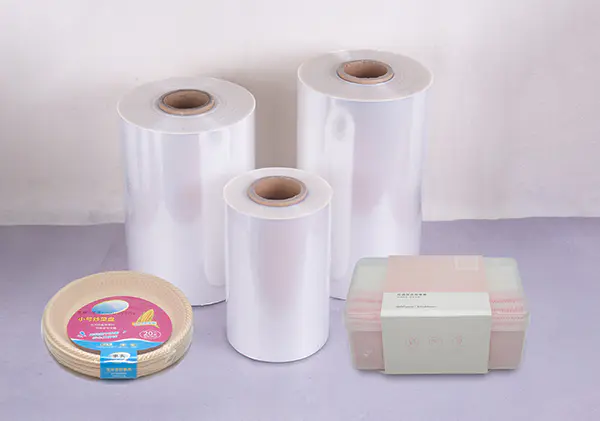
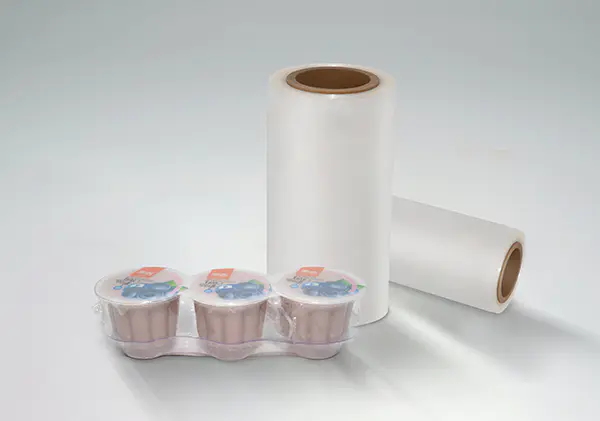
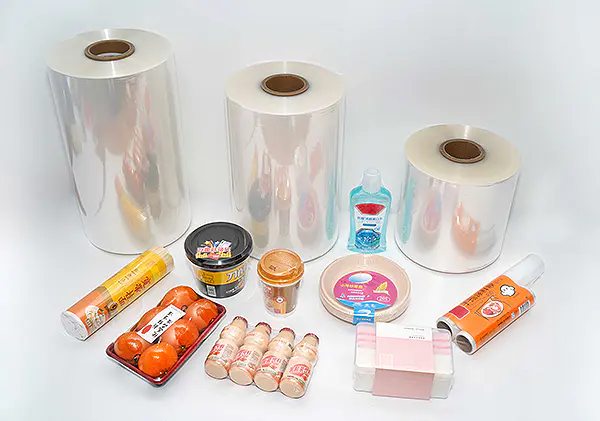
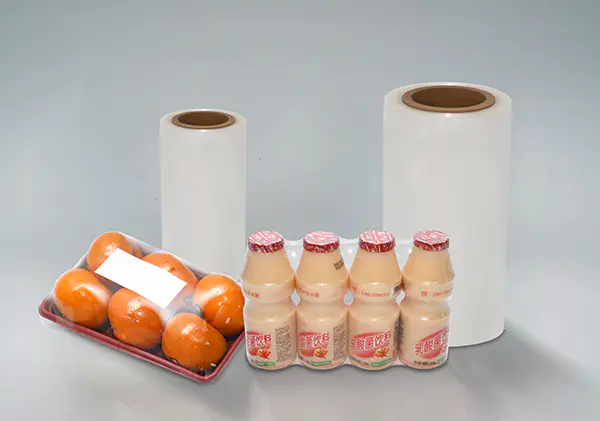
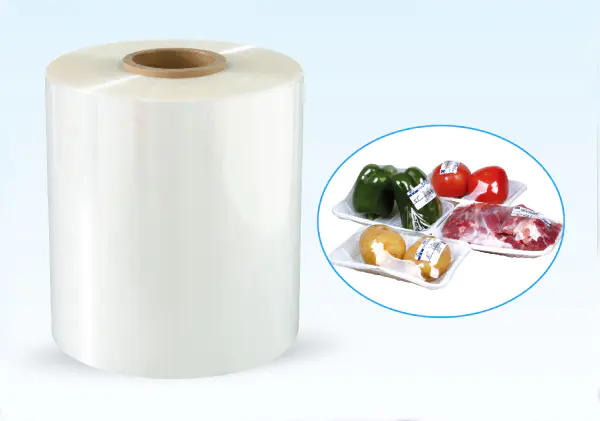
JT05 Antifog Crosslinked Shrink Film is an ideal o...
Copyright © Zhejiang Jiuteng Packaging Co., Ltd.
 简体中文
简体中文
 Home
Home
