
Crosslinked shrink film starts out as regular polyethylene. Then a process links the polymer chains tighter together. That change makes the film tougher and better at stopping punctures than a lot of ordinary versions. Packaging lines in factories and warehouses use it to wrap goods that get shoved around or have sharp edges. polyethylene shrink bundling film works well when several items need to move as one solid package.
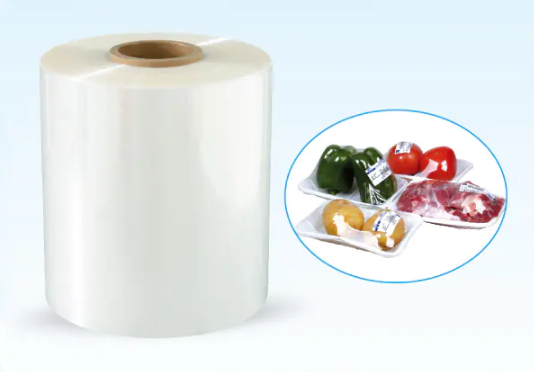
The tighter network helps the film handle tears and holes that show up while wrapping, stacking, or shipping. Goods with corners or strange shapes put more stress on the surface. Picking film with enough toughness cuts down on broken packages and later exposure of what is inside.
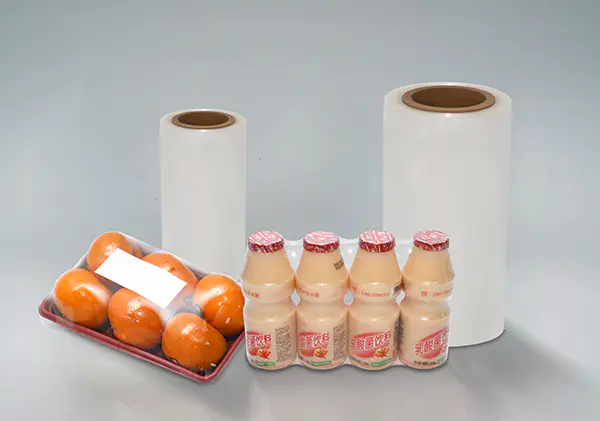
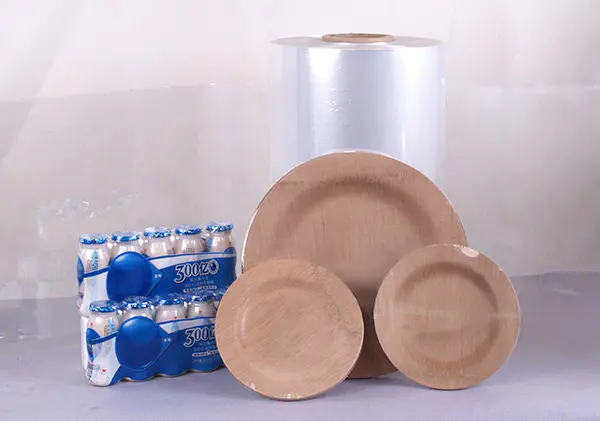
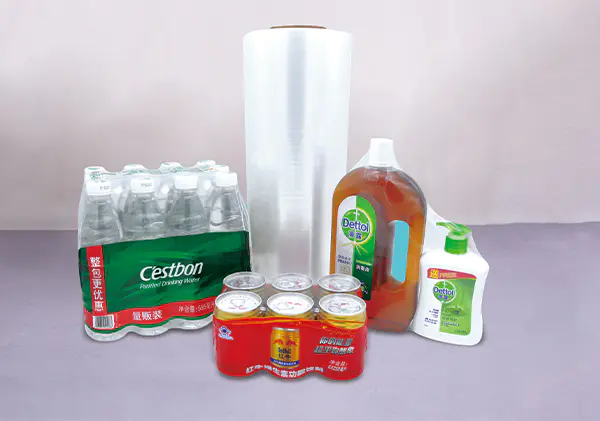
Strength plus the way it shrinks keeps separate pieces locked once the heat is done. Beverage multipacks, household product groups, and similar consumer goods stay lined up during movement and storage. These traits support shrink bundling solutions that keep product groups intact from the packing line all the way to the end point.
The right shrink traits let the film pull tight around the product shape in the heating stage. Results stay even when film properties line up with tunnel temperature, conveyor speed, and the rest of the machine settings. Getting those pieces matched stops loose wraps or too much pull on the package.
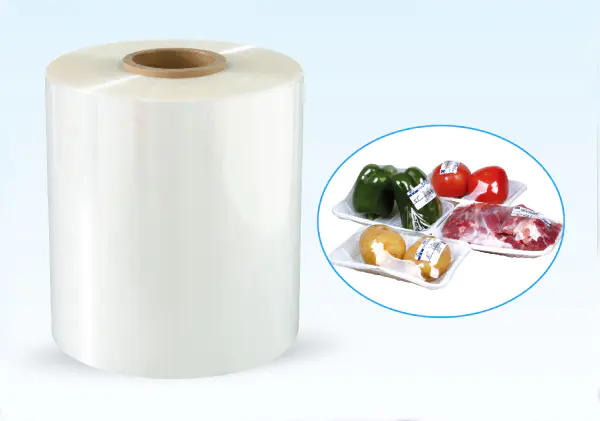
Clear film that shrinks evenly leaves a smooth surface. Product shows through without wrinkles or cloudy patches. Transparent packaging helps on the shelf since contents stay visible. How the film gets made and how it runs through the heat decide the final look — smooth or uneven.
Thickness and strength that actually match the load stop extra film from getting used up while the contents stay protected. When the film holds, fewer wraps break, less rework piles up, and the line stops less. Looking at the whole packaging cost instead of just the film price shows what things really add up to.
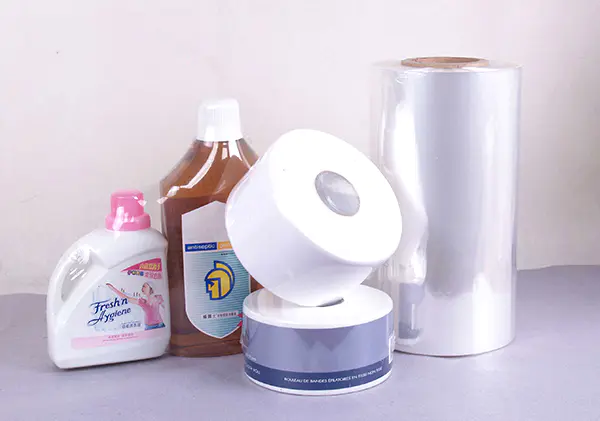
Beverage multipacks, canned goods, bottled items, household supplies, and industrial groups all need film that can keep several units together. The film wraps the whole lot and shrinks into one package ready for handling, storage, and transport. Needs shift depending on product weight, how big the group is, the shape, and what the package runs into later. Testing on the actual production line is the only sure way to settle on a specification.
Crosslinked versions usually fight punctures better and stay tougher. Standard film shrinks fine when conditions stay mild. How either one performs still depends on the formulation, the thickness, and the way the film got made. Standard film covers lighter packs that do not take much abuse. Crosslinked film helps when the package hits sharper edges, heavier loads, or rougher handling. The choice follows what the packaging actually needs, not the idea that one type works for every job.
Size, weight, shape, and how many items sit in each group set the starting point. Packages that get compressed, rubbed, or moved around roughly need extra attention paid to strength.
Gauge, how the film pulls, how far it stretches, puncture resistance, and shrink response all need checking. Thickness gets weighed against the strength required so material does not get wasted while the package stays protected.
The film has to work with the wrapping machine, the sealing system, and the heating tunnel. Sealing quality, how evenly it shrinks, and line speed get tested under the real settings before full production starts.
Technical sheets, actual samples, quality records, and practical advice help narrow things down. Consistency from batch to batch, room to adjust the specs, technical support, and reliable delivery all shape the long-term relationship.
Manufacturing capacity, control over raw materials, testing steps, and consistency between batches form the main checks. Available widths, thicknesses, roll sizes, and any customization options need confirmation. Samples should run on the actual line before large volumes get ordered. A capable supplier helps shape approaches that fit specific products and setups. heat shrink film manufacturers that keep quality steady and communication clear cut down on later adjustments and delays.
Film made for grouping products keeps several items locked together, protects them while they move, and makes handling simpler through the supply chain. Specs have to match the weight of the bundle, the equipment on hand, and the conditions the package will run into. Custom options deal with different shapes or distribution needs. Film that actually fits the job supports steady results without extra material or repeated rework.
Crosslinked shrink film gets used for packaging that needs toughness, controlled shrinkage, and resistance to handling damage. Crosslinking can improve some traits, but the real difference from standard film still hangs on the formulation, the thickness, and the test conditions. Shrink film covers a wide range of heat-shrink materials. Bundling film focuses on putting several products into one package. Picking the right film starts with the product size, total weight, needed strength, and whether it works with the machine. Before buying, technical specs, customization range, quality methods, sample availability, and fit for the process all need direct questions.
| Film Characteristic | Crosslinked Version Behavior | Standard PE Version Behavior |
|---|---|---|
| Puncture resistance | Higher resistance to tears and holes | Adequate for lighter, smoother loads |
| Toughness under handling | Improved retention of strength after impact | Suitable when handling remains gentle |
| Shrink uniformity | Steady draw around irregular shapes | Effective under controlled mild conditions |
| Processing sensitivity | Requires matching to equipment settings | Often more forgiving of temperature swings |
| Application focus | Heavier or sharper-edged product groups | Lighter multipacks with minimal stress |
Crosslinked shrink film picks up toughness and puncture resistance from its modified structure. Those traits help keep product groups secure, shrinkage consistent, and the package looking cleaner when the film matches the load and the equipment. Selection comes down to product weight, bundle size, film properties, and machine compatibility — not any single feature. Zhejiang Jiuteng Packaging Co., Ltd. produces polyethylene shrink films for industrial and commercial bundling work. Checking available specs against the actual product size, handling conditions, and production equipment points to film that supports reliable results.
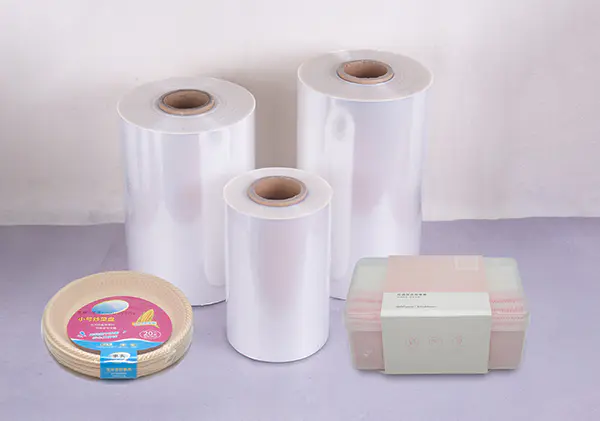
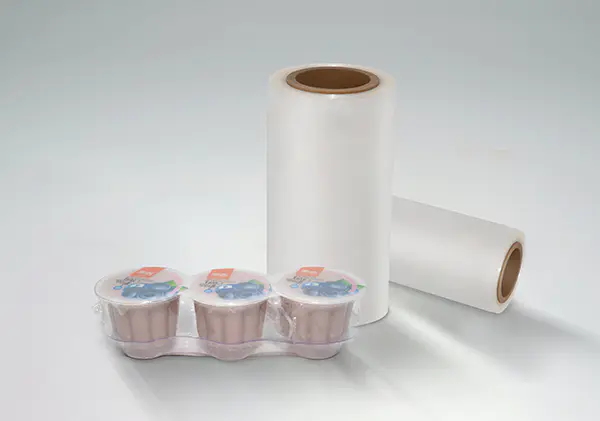
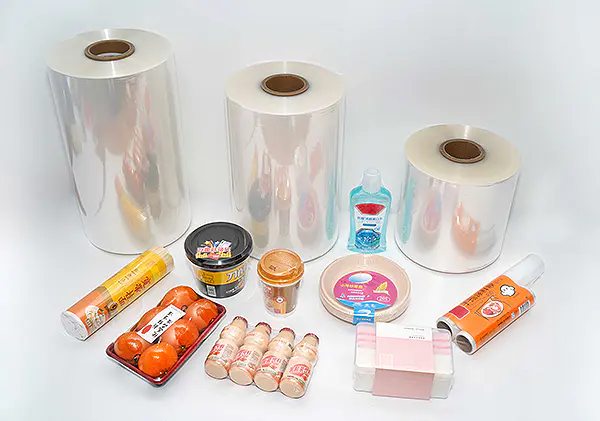
JT05 Antifog Crosslinked Shrink Film is an ideal o...
Copyright © Zhejiang Jiuteng Packaging Co., Ltd.
 简体中文
简体中文
 Home
Home
