
In many packaging environments, material choice shapes how a product is seen, handled, and protected. Among the options available, polyolefin shrink film has gained steady attention. It appears in retail shelves, distribution centers, and production lines where consistency and clarity matter. This material has moved from a niche solution to a familiar presence across industries.
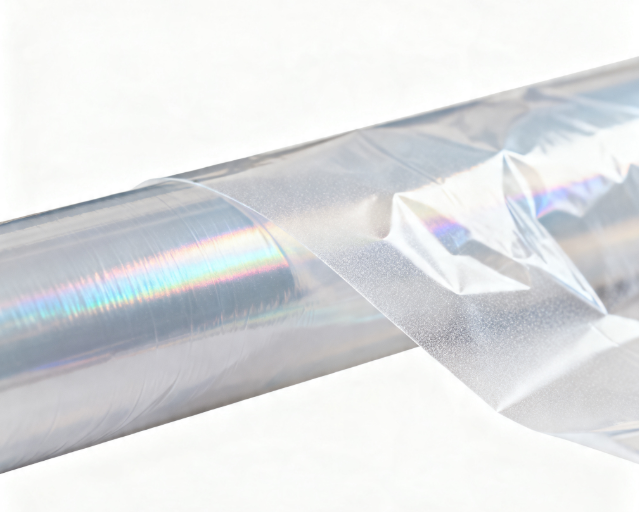
The growing interest is not only about appearance. It also relates to how packaging responds to pressure from logistics, sustainability expectations, and consumer experience. Polyolefin shrink film offers a balance between visual appeal and functional performance. That balance explains why it continues to be discussed in industry conversations.
Many packaging materials are built around one main priority — whether that's strength, low cost, or eye-catching display. Shrink film tends to sit in a more balanced position. It offers good performance across several areas without forcing big compromises.
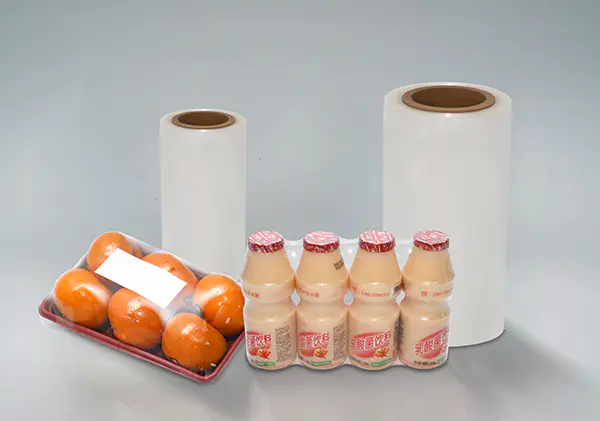
It is frequently chosen because it conforms closely to the shape of the product. This creates a neat, smooth finish that looks deliberate rather than bulky or loose. When heated, the film shrinks evenly, forming a tight layer that supports both protection and a polished appearance.
Another reason for its growing popularity is how well it fits into existing packaging lines. Many operations look for materials that can be adopted without major equipment changes or disruptions to daily workflow. Polyolefin film usually integrates smoothly, making it a practical option for both new and established setups.
Packaging is more than just protection — it also sends a message. A product wrapped in clear, well-fitted film simply looks more organized and ready for the customer. Polyolefin shrink film helps create this impression through its strong clarity and smooth surface.
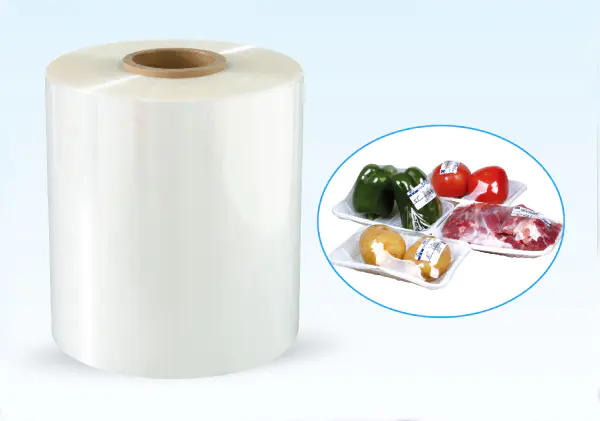
The transparency keeps the product clearly visible, which is important in retail settings where shoppers often make decisions based on what they can see. The film does not cloud or noticeably distort the view. Instead, it neatly frames the item and lets its details stand out.
Its smooth finish also minimizes wrinkles and uneven folds when applied correctly. This leads to a clean, consistent appearance across every unit, helping products maintain a uniform and professional look on the shelf.
The film also works well with printed labels or branding elements. It supports brand identity without getting in the way of readability, allowing the product itself to remain the main focus.
Protection is still one of the important jobs of any packaging. Products face many risks — dust, moisture, impacts, and rough handling — as they travel from the production line to the end user.
Polyolefin film creates a tight protective layer around the item. It acts as a barrier against outside elements that could harm the product's appearance or cleanliness. This is especially useful for items that are sensitive to contamination.
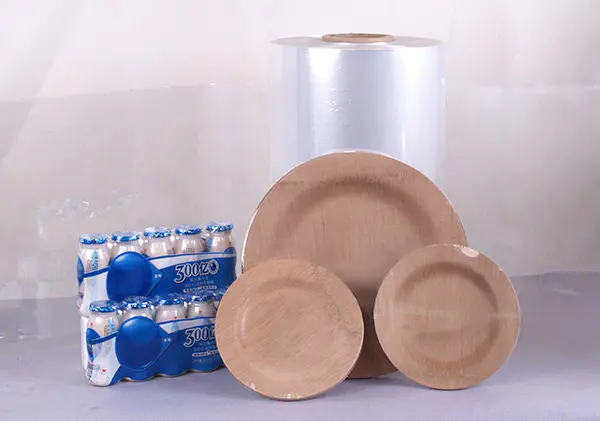
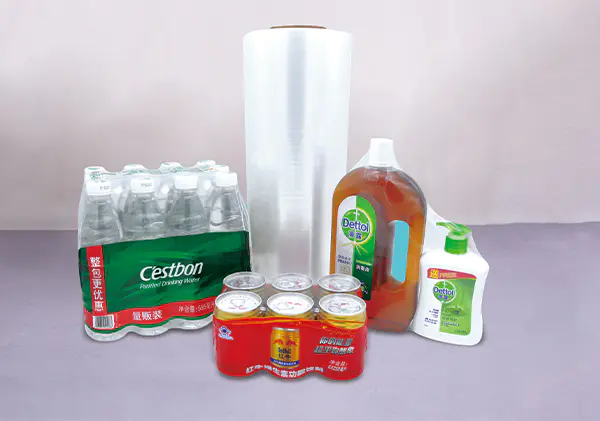
For multi-pack or bundled products, the film also holds everything securely in place. This prevents shifting or movement during transport, reducing the chance of damage from items rubbing against each other inside the package.
The film further provides basic tamper evidence. Once applied and shrunk, any attempt to open or alter the package becomes visible. This offers an added sense of security without needing extra components or materials.
Efficiency in packaging operations often hinges on how reliably the material performs with minimal disruptions. When a film runs predictably and needs little fine-tuning, the production line moves more smoothly and consistently.
Polyolefin film is recognized for its dependable shrinking action. Under the right heat, it tightens evenly around the package. This consistency helps cut down on uneven wraps, wasted packages, or unexpected delays during production.
The film also moves easily through machinery. It feeds without frequent stops or jams, supporting a steady pace that is especially helpful in high-volume settings.
Packaging teams prefer materials that don't demand ongoing attention or constant adjustments. Polyolefin film typically delivers performance within a reliable range, letting operators concentrate on overall productivity and quality instead of babysitting the equipment.
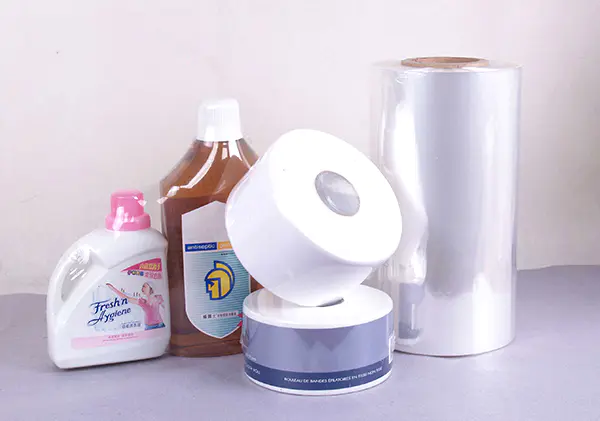
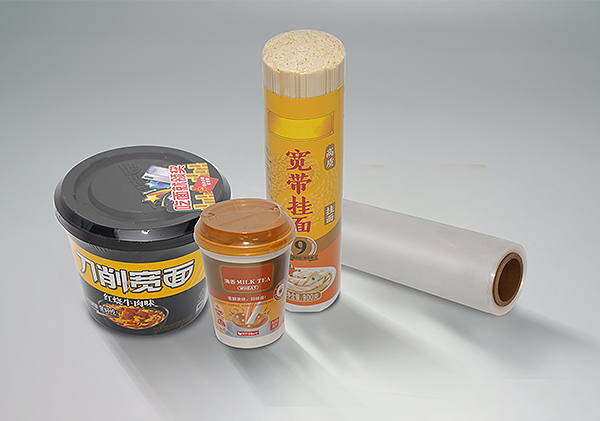
Polyolefin shrink film stands out for its strong adaptability. It can conform well to both simple, standard shapes and items with more complex or irregular contours.
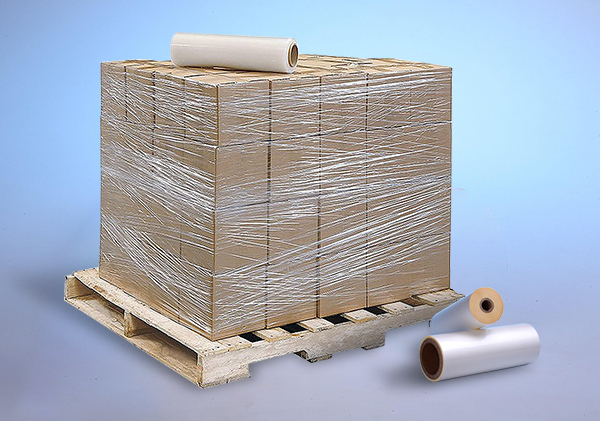
In retail environments, it is frequently used for individual boxed products, multi-item bundles, or goods with unusual shapes. In distribution, it securely holds groups of products together, making handling and shipping safer and more efficient. The same film can fulfill several different functions without requiring separate materials for each one.
This versatility makes inventory management easier. Operations can often work with a single type of film rather than stocking multiple specialized varieties, which reduces complexity and helps the entire supply chain run more smoothly.
Safety becomes especially important when packaging products that will be touched or used by people. Materials that handle cleanly and pose fewer risks are generally favored in these applications.
Polyolefin film offers clean handling traits. It usually produces little or no noticeable odor during normal processing and use, which is beneficial in environments where strong smells could be an issue.
Once sealed, the film creates smooth, rounded edges rather than sharp or brittle ones. This lowers the chance of cuts or stray fragments for both line workers and final users.
For items that need to remain clean and attractive, the film delivers a neat, contained appearance. This helps meet expectations for hygiene and presentation in sectors where both factors are closely tied together.
Sustainability is now a regular part of packaging decisions. Beyond basic performance, many companies also weigh the wider effects of the materials they select.
Polyolefin shrink film is relatively lightweight, which can help lower the overall amount of material used per package. Using less material can mean reduced resource consumption in manufacturing and lighter shipments.
Its ability to form tight, efficient wraps can also decrease the need for extra packaging layers. By covering protection, presentation, and bundling in one material, it encourages a simpler, more streamlined package design.
Recycling possibilities vary by location and available programs. In some places, polyolefin films can enter local recycling streams; in others, the options are more restricted. This means material choices should always take into account what recycling support exists in each region.
Different shrink films are designed with different strengths. Some prioritize stiffness, others focus more on low cost or particular performance features. Polyolefin film is often noted for its well-balanced combination of qualities.
Here's a straightforward comparison of typical characteristics:
| Aspect | Polyolefin Shrink Film | Alternative Films |
|---|---|---|
| Clarity | Clear and smooth | May vary |
| Flexibility | Highly adaptable | Often more rigid |
| Handling | Stable and predictable | Can be less predictable |
| Surface Finish | Even and consistent | May show more variation |
| Application Range | Broad and versatile | Sometimes limited |
This table is meant only as a general overview. It does not mean shrink film is better in every situation or that it replaces every other option. The right choice always depends on the specific requirements, priorities, and end-use of the product.
The continued interest in polyolefin film reflects ongoing changes in packaging expectations. Businesses look for materials that can respond to shifting demands without requiring constant redesign.
This film supports a combination of visual appeal, functional protection, and operational ease. It aligns with workflows that value consistency and adaptability. It also fits into conversations about reducing material use and simplifying packaging structures.
As packaging continues to evolve, materials that offer multiple benefits without adding complexity tend to attract attention. Polyolefin shrink film remains part of that discussion, not as a single solution, but as a flexible option within a broader toolkit.
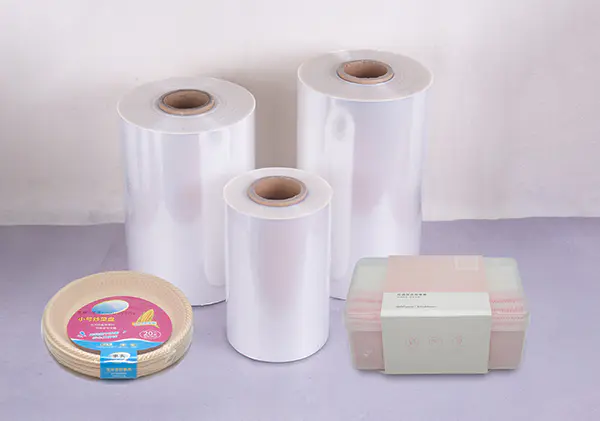
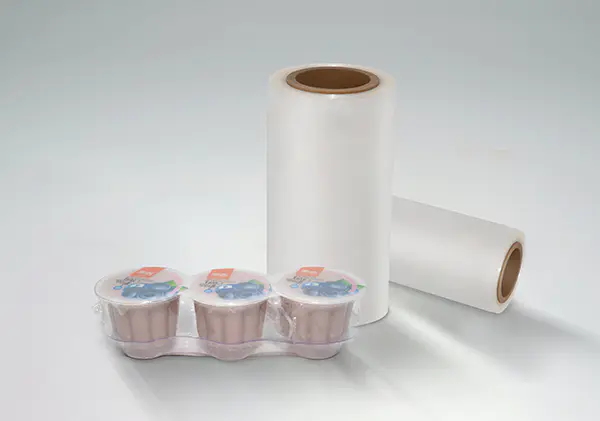
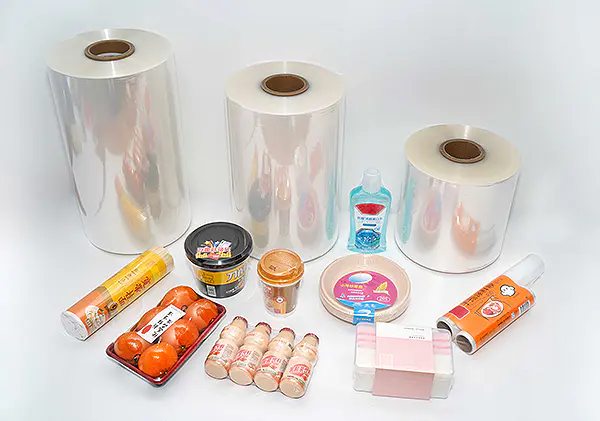
JT05 Antifog Crosslinked Shrink Film is an ideal o...
Copyright © Zhejiang Jiuteng Packaging Co., Ltd.
 简体中文
简体中文
 Home
Home
