
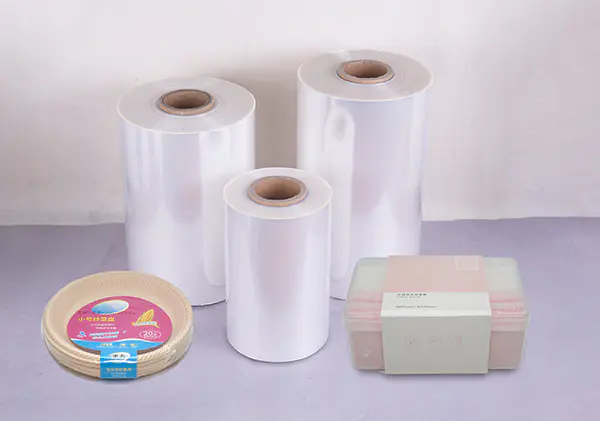
Polyethylene is the polymer base used to produce PE shrink film for bundling and unitising goods. How the resin is formulated and converted into film affects flexibility, toughness and behaviour under heat. Those traits explain why polyethylene film appears widely in industrial and commercial packing rooms where products must be grouped, wrapped and protected for storage and transport.
Shrink Film PE is selected when a close-fitting outer layer is needed after a controlled heat step. Material character, not only price, determines whether the film survives handling and still presents the pack clearly.
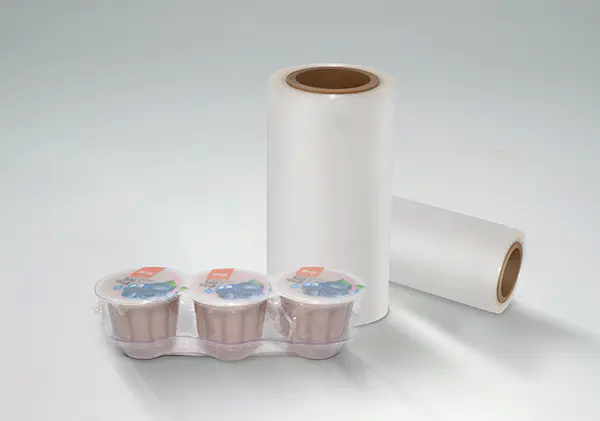
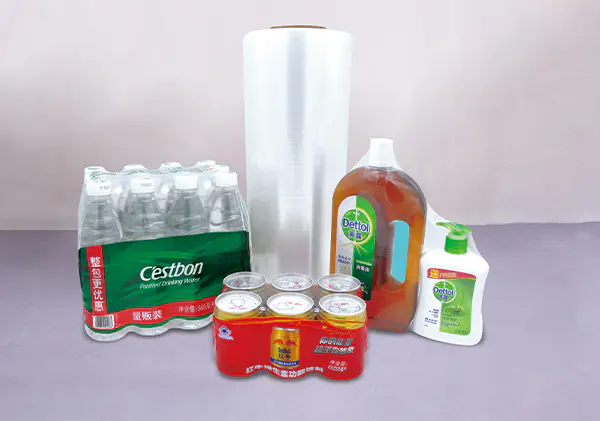
Flexible film follows cartons, bottles, bags and irregular assemblies without demanding a perfectly rectangular outline. It can wrap single items or multipacks when the tunnel and sealing system are set for the job. Moderate stretch during application helps the web conform before shrinking tightens the pack.
Thickness and width should match product size and weight so the film neither starves at the corners nor uses excess mass. Adaptable film supports mixed lines where pack geometry changes during the shift.
Mechanical strength matters when packs are pushed, stacked or dragged across conveyors. Tensile strength helps the film stay intact while it is pulled from the roll and sealed. Tear resistance matters when edges, straps or heavier contents press into the web.
Thicker structures generally tolerate rougher handling, but thickness alone does not replace correct machine setup. Film intended for bundling should be judged against real corner loads and lift points used in the plant.
On heating, PE shrink film contracts and draws toward the product surface. That movement turns a loose sleeve or wrap into a tighter unit load. Shrink response depends on film structure, thickness and how evenly heat is applied in the tunnel or with other approved equipment.
Product shape and orientation influence the final look: open bases, handles and uneven tops need trial runs so that holes or thin spots are avoided. PE Heat Shrink Film is aimed at processes where that close fit and organised multipack appearance are required.
Polyethylene acts as a barrier to liquid water under normal packaging conditions and helps limit dust and scuffing on outer surfaces. Wrapped goods moving through warehouses and vehicles meet condensation, dirt and repeated contact; a continuous film layer reduces direct exposure.
Protection is not absolute against every climate or puncture source. Film choice and wrap quality still need to match the distribution route and stacking method.
Transparent grades keep labels, brand colours and barcodes visible without opening the wrap. A smooth, evenly shrunk surface looks tidy on the shelf and in bulk storage. Haze, gels or uneven shrink detract from that presentation.
When retail or scan readability matters, clarity and consistent shrink should sit beside strength in the specification review.
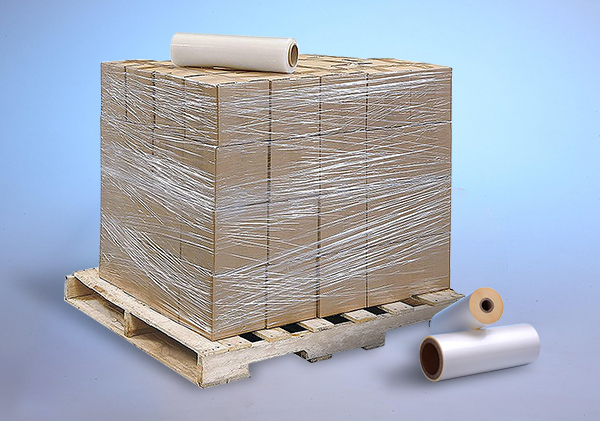
Thickness is chosen for product weight, corner severity and handling severity. Width must cover the pack with enough overlap for the seal and shrink pattern in use. Rolls are the usual factory format; cut sizes appear where manual wrap dominates.
Dimensional consistency along the roll supports stable machine running. Polyethylene PE Shrink Film is commonly offered in a range of widths and structures so that packing lines can match film to product families rather than force one web onto every SKU.
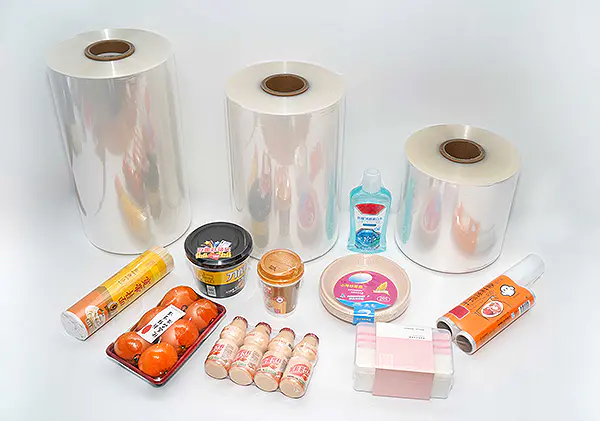
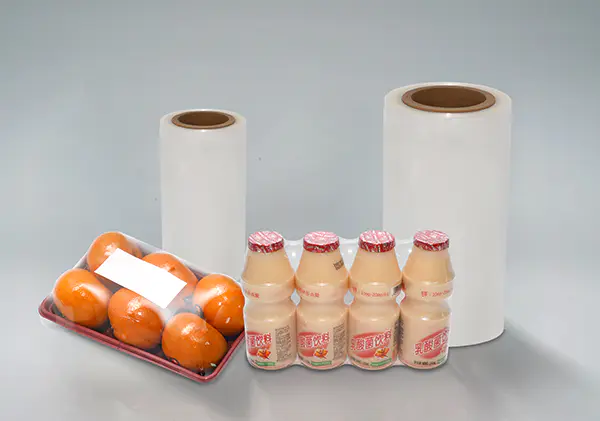
Flexibility, strength, shrink response, moisture resistance and clarity work together. Beverage multipacks, bagged goods, boxed household items, construction materials and mixed industrial loads all use variants of the same idea: unitise and protect with a heat-activated polyethylene web.
Selection should weigh thickness, width, clarity and machine compatibility against the real pack. Different Types of Shrink Film exist beyond polyethylene; PE remains a frequent choice where toughness, cost structure and shrink behaviour fit the line. Trial on the actual tunnel and product remains the reliable check before large orders.
| Property | Role in packaging | Selection note |
|---|---|---|
| Flexibility | Conforms to mixed shapes before and during shrink | Match to product outline and wrap method |
| Tensile and tear behaviour | Survives pull-out, sealing and handling | Check against corners and pack weight |
| Heat-shrink response | Tightens sleeve or wrap into a unit load | Validate with tunnel settings and pack geometry |
| Moisture and dust barrier | Limits wetting and surface soiling in distribution | Not a substitute for waterproof product design |
| Transparency | Keeps labels and codes readable | Specify clarity when scanning or display matter |
| Thickness and width | Balance strength, coverage and material use | Align with machine and product range |
Polyethylene shrink film serves industrial and commercial packing when its flexibility, strength, controlled shrink, protective barrier and clarity match the product and the equipment. Zhejiang Jiuteng Packaging Co., Ltd. produces polyethylene shrink films for bundling and related packaging applications. Review of pack weight, shape, line equipment and distribution conditions against film specification supports selection of PE shrink film suited to everyday wrapping and multipack work.
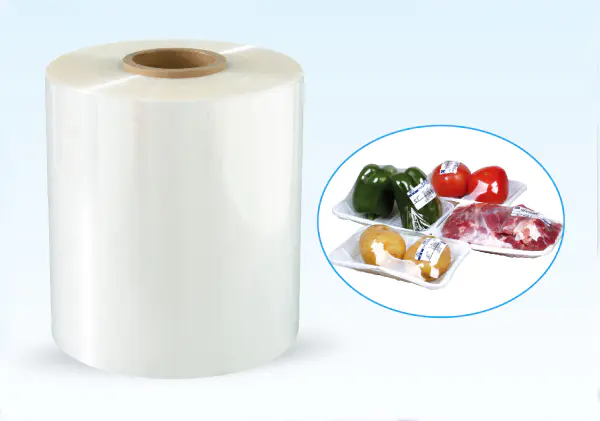
JT05 Antifog Crosslinked Shrink Film is an ideal o...
Copyright © Zhejiang Jiuteng Packaging Co., Ltd.
 简体中文

 Home

