
POF shrink film can create a genuinely neat package when heat reaches the film in a controlled way, much like a hairdryer evenly warming a plastic wrap over a bowl. The process looks simple from the outside, but the film is constantly responding to heat, tension, package shape, and the movement of the packaging equipment surrounding it. When these factors aren't well balanced, some areas may shrink a lot more quickly than others nearby.
Uneven shrinkage can appear in several forms once a package comes off the line. One side of a package may pull tighter than another. A corner may remain loose while the center becomes closely fitted. Wrinkles can also appear when different sections of the film respond to heat at different speeds along the way.
Understanding these changes requires a lot more than looking at the film itself in isolation. The packaging shape, film placement, heat flow, and equipment condition all influence how the material actually behaves during the shrinking process.
Heat is one of the main factors controlling how shrink film changes during packaging, the same way an oven's hot spots can bake one side of a tray unevenly. The film needs to receive heat across its surface so different areas can respond in a reasonably consistent way throughout the process.
When one section receives more heat than another, that section may begin shrinking earlier than its neighbors. Another area may remain relatively loose for a lot longer. As the package continues through the process, that difference can become genuinely visible on the finished surface.
Several factors can influence heat distribution as the package moves along.
| Heat-Related Factor | Possible Effect on Film |
|---|---|
| Air movement | Changes how heat reaches the film |
| Package position | Influences exposure to heated air |
| Film distance | Affects local heating conditions |
| Equipment cleanliness | Can influence normal air circulation |
| Package arrangement | May block or redirect heat |
The goal isn't simply making the package hot all over. The heat needs to reach the film in a way that suits the shape and arrangement of the package it's wrapping.
A package with large open surfaces may respond quite differently from one with deep corners or narrow spaces tucked into it. This is exactly why the same Shrink Film POF product can behave differently when used with different packaging arrangements on the same line.
Film tension begins to matter well before the heating stage even starts. When film gets pulled around a product, the material is already under some level of tension from that initial wrapping motion.
If the tension isn't distributed evenly across the surface, different sections may have quite different starting conditions before heat ever gets applied. One side may be stretched more than another. A loose section may have more room to move during heating, while a tightly positioned area may react differently once the film begins to shrink.
This can create an uneven appearance even when the heating process itself seems entirely stable on its own. Common causes of uneven film tension include film feeding that isn't consistent from roll to roll, different pulling forces around the package as it wraps, improper film positioning at the start, uneven sealing or cutting along the edge, and package movement during the wrapping step itself.
Film tension should therefore get considered together with heat distribution, not treated as a separate concern. Adjusting only the heating process may not solve a problem that actually begins earlier, back in the wrapping stage.
For Polyolefin Shrink, maintaining a suitable relationship between film movement and package shape can help create a genuinely more controlled shrinking process from start to finish.
Shrink film doesn't always respond equally in every direction it's pulled, similar to how a piece of fabric might stretch more one way than another. Its previous processing and internal structure influence how it actually contracts once heated.
This means the direction in which the film prefers to shrink can genuinely affect the final package shape that comes out. If the package is long and narrow, directional shrinkage may become a lot more noticeable across its length.
One part of the film may pull toward the package surface while another section moves around a corner instead. The result can be a real difference in tension between the top, sides, and ends of the same package.
| Package Area | Possible Shrinkage Behavior |
|---|---|
| Large flat surface | Film may tighten evenly across the area |
| Long side | Directional pulling may become visible |
| Sharp corner | Film may gather or pull toward the edge |
| End section | Excess material may remain if movement is limited |
| Recessed area | Heat and film movement may differ |
Understanding shrinkage direction proves especially useful when selecting and positioning Polyolefin Films for products with unusual shapes that don't fit a standard box. The film should have enough room to move around the package without getting forced into a path that creates excessive tension in one particular area.
Packaging shape has a genuinely direct relationship with film movement throughout the process. A simple rectangular package with broad, even surfaces may allow the film to move in a fairly predictable way as it heats.
A package with protruding parts, deep corners, rounded sections, or sudden changes in height creates a lot more complicated movement for the film to navigate. Corners in particular deserve close attention here.
When heated film reaches a corner, the material may need to move in several directions at once, almost like fabric trying to wrap around a box edge cleanly. If there's too much film gathered in that area, wrinkles may develop as a result.
If there's too little material available instead, the film may pull tightly against the corner and stress that spot. The shape of the product can therefore influence the finished appearance even when the same film and equipment get used throughout.
Design teams and packaging operators can look at overall package shape, corner geometry specifically, changes in product height across the piece, open spaces around the product, and areas where film may naturally gather during the process. This approach proves useful for different Plastic Packaging Films, because film behavior always stays connected to the object being wrapped underneath it.
A film that works naturally around one package shape may require genuinely different handling once applied to another shape entirely.
Corners often reveal shrinkage problems pretty quickly once heat gets applied. A flat surface gives the film relatively simple space to move without much resistance.
A corner changes that path considerably. The film must travel across one surface and then change direction as it moves around the edge, which asks a lot of the material in a short space.
If heat reaches the corner faster than nearby areas, the film may tighten there before the surrounding material has had a chance to move. This can produce folds or visible tension lines right at that spot.
The opposite situation can happen too. If the corner doesn't receive enough heat, the surrounding film may tighten up while the corner itself remains loose and unfinished-looking.
Packaging corners can also affect the final bonding state once everything cools. When film overlaps or closes around an edge, the contact between the film surfaces needs to remain stable after shrinking finishes.
Uneven movement can leave a section poorly fitted or create an area where the film doesn't sit closely against the package underneath. For this reason, corner behavior deserves real attention during both packaging setup and any later process adjustment.
Packaging equipment shapes the environment in which shrink film receives heat throughout the run. The heating area, air movement, conveyor movement, film path, and sealing system all work together as one connected unit.
If one part of this process changes even slightly, the film may respond quite differently than expected. Equipment condition can affect shrinkage through several areas worth checking regularly.
| Equipment Area | Possible Influence |
|---|---|
| Heating system | Changes heat reaching the film |
| Air circulation | Affects heat distribution |
| Conveyor movement | Changes heating exposure |
| Film feeding system | Influences film tension |
| Sealing area | Affects the film's initial shape |
| Internal surfaces | Can influence normal airflow |
A machine doesn't need to show some obvious fault for the finished package to change noticeably. Small differences in film movement or heat circulation can become quite noticeable once many packages pass through the same process one after another.
Regular inspection of the equipment helps operators understand whether a shrinkage problem comes from the film, the package, or the packaging process itself. This distinction matters because changing the film may not address a problem actually caused by equipment conditions sitting underneath everything.
Wrinkles often get associated with uneven shrinkage, but the cause isn't always the same thing every time. A wrinkle can develop when one section of film contracts while another section hasn't moved enough to keep pace.
Excess material then gathers rather than forming a smooth surface across the package. Heat distribution is one possible cause worth checking first. Film tension and package geometry can also contribute their own share to the problem.
Picture a package with a broad top surface and several raised edges scattered across it. If the central area receives heat quickly, it may tighten up while the material around the raised sections stays loose and unaffected.
As the process continues, the excess material has fewer places left to move and may form a fold as a result. The film's ability to move freely therefore matters quite a bit in preventing this.
Operators can examine where wrinkles actually appear rather than treating every wrinkle as the same underlying problem. Their location may provide real clues about whether heat, film tension, package shape, or equipment movement is influencing the result they're seeing.
The appearance of a package immediately after heating is only part of the story unfolding. The film also needs to settle around the product as it cools down afterward.
This stage affects how closely the film remains in contact with the package surface once everything's done moving. If different sections shrink at different rates, the finished package may end up with areas showing different levels of tightness across it.
Some sections may remain closely fitted while others may show small gaps or loose areas that catch the eye. The post-shrinkage bonding state can get influenced by local film tension, package surface shape, shrinkage direction, heat exposure, film overlap, and cooling conditions all working together.
A stable final surface proves easier to achieve when the film has enough freedom to move during heating and enough contact with the package after shrinking wraps up. This is also one reason Cross-Linked Polyolefin Shrink Film should get considered according to the actual packaging application, rather than judged only by its appearance before use begins.
Film overlap can become a lot more noticeable when shrinkage turns uneven across a package. During wrapping, sections of film may meet or overlap near an edge or sealing area as it wraps around.
As heat gets applied, these sections can move at genuinely different speeds from each other. If the surrounding film contracts strongly, the overlap may become tighter than intended.
If movement gets restricted instead, the area may remain more visible after shrinking finishes. The position of the overlap matters just as much as its presence.
An overlap located near a corner can behave quite differently from one placed across a broad, flat surface elsewhere on the package. The nearby product shape changes how the film can actually move around it.
For packaging operations, it proves useful to consider the relationship between film overlap position, package shape, sealing location, shrinkage direction, and heat exposure together. This creates a genuinely more complete view of why the final package may look different even when the exact same film gets used throughout.
Film characteristics naturally influence how it responds to heat and movement throughout the process. A material intended for packaging needs a predictable relationship between its thickness, flexibility, tension, and shrinkage behavior across the whole roll.
If the film varies noticeably from one section to another, the finished package may also show real differences as a result. Storage and handling can also affect the condition of the film well before use even begins.
The film should get kept in a suitable environment and protected from unnecessary damage during storage. A roll that's been handled roughly may not enter the packaging process in the same condition as a properly stored roll sitting nearby.
When evaluating Polyolefin Films, buyers and packaging teams can therefore look beyond the basic film material alone. Useful considerations include film consistency for supporting predictable handling, surface condition for affecting movement and appearance, flexibility for influencing wrapping behavior, shrink response for affecting final package fit, and storage condition for helping preserve film condition over time.
These factors become a lot more relevant once packaging processes need to remain consistent across different product shapes coming down the line.
There's no single packaging shape that fits every product coming through a facility. A small retail package, a grouped product, and a package with unusual edges can create genuinely different demands on shrink film.
The choice between materials may also prompt buyers to compare POF vs PVC Shrink Film. Such a comparison should consider how each material fits the intended packaging process rather than relying on a single feature listed on a specification sheet.
The useful questions here stay pretty practical. Does the film move comfortably around the product as it wraps? Does the heat reach the package evenly across its surface? Does the film maintain a suitable tension during wrapping without slipping? Does the finished surface remain properly fitted around corners and edges once it's cooled?
These questions help connect material selection with actual packaging conditions on the floor. Plastic Packaging Films get used across many packaging applications, so the film should get considered together with the equipment and package, rather than as an isolated component chosen on looks alone.
When a package doesn't shrink evenly, changing several conditions at the same time can make the cause genuinely difficult to identify afterward. A more organized check can help separate the possible factors from each other.
Looking at the location of the uneven area comes first, checking whether the problem appears near corners, seals, flat surfaces, or product edges specifically. Observing the film before heating helps too, looking for loose areas, uneven tension, or unusual positioning around the package before it even enters the tunnel.
Checking heat distribution matters next, considering whether different parts of the package receive noticeably different heating conditions as they pass through. Reviewing equipment movement rounds things out, looking at film feeding, package movement, airflow, and sealing behavior together.
Comparing package shapes helps narrow things down further, since if the issue appears only on certain products, the package geometry may be part of the underlying cause. This process can help prevent unnecessary changes made in a hurry.
A problem that appears related to Polyolefin Shrink may actually begin with film placement or package geometry instead. Likewise, a film change may not solve a problem that actually originates in equipment conditions sitting underneath everything else.
Reducing uneven shrinkage starts with treating the entire packaging process as one connected system rather than separate steps. The film needs to enter the machine in a suitable condition from the start.
It should get positioned consistently around the product every time it wraps. Heat should reach the package in a reasonably balanced way throughout, while the equipment should allow the film to move without unnecessary interference along its path.
Packaging teams can pay attention to several practical areas as they work. Film preparation matters for keeping film properly positioned before it enters the machine. Wrapping matters for maintaining suitable tension throughout the process. Sealing matters for avoiding unnecessary film distortion at the closure point.
Heating matters for supporting balanced heat exposure across the whole package. Cooling matters for allowing the film to settle naturally once it's done shrinking. Inspection matters for checking corners, surfaces, and overlap before the package ships out.
This approach stays relevant across different types of Plastic Packaging Films and Polyolefin Films, because shrinkage behavior always depends on the relationship between the material and the packaging process surrounding it. A package with a simple shape may require little adjustment, while products with corners, raised sections, or uneven surfaces may need closer attention to film direction and heat distribution throughout the run.
The finished appearance is therefore shaped by several connected conditions working together. Film movement, heat exposure, package geometry, equipment behavior, and the post-shrinkage bonding state all influence how the film finally sits around the product once everything's done.
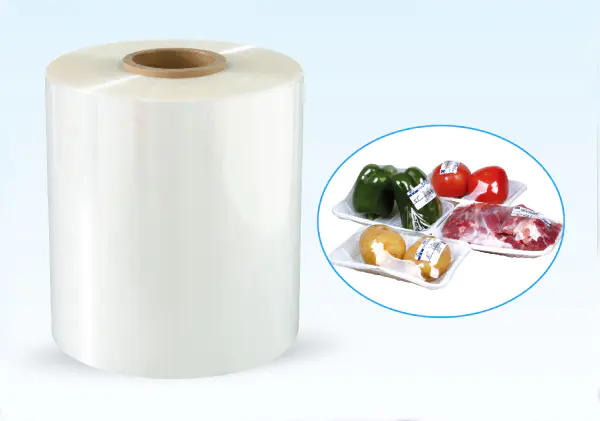
JT05 Antifog Crosslinked Shrink Film is an ideal o...
Copyright © Zhejiang Jiuteng Packaging Co., Ltd.
 简体中文
简体中文
 Home
Home
