
Wrapping a stack of products at the end of a packaging line, only to find half of them look loose and wrinkled while the other half came out tight and clean using the exact same machine settings, is the kind of inconsistency that sends people digging into what actually makes shrink film behave the way it does. Buyers often run into concerns around packaging appearance, how well a film actually protects what's inside it, and whether it genuinely matches their production setup rather than just working in theory. If you've been searching for what features matter in Cross Linked Shrink Film, working through the practical details helps explain why some rolls perform consistently while others create problems nobody can quite pin down. Cross Linked Shrink Film offers a flexible packaging option built around its particular material structure and shrink behavior. These characteristics shape how products get wrapped, displayed, transported, and stored, and understanding them helps buyers make clearer decisions based on what they're actually trying to accomplish rather than guessing at what a spec sheet implies.
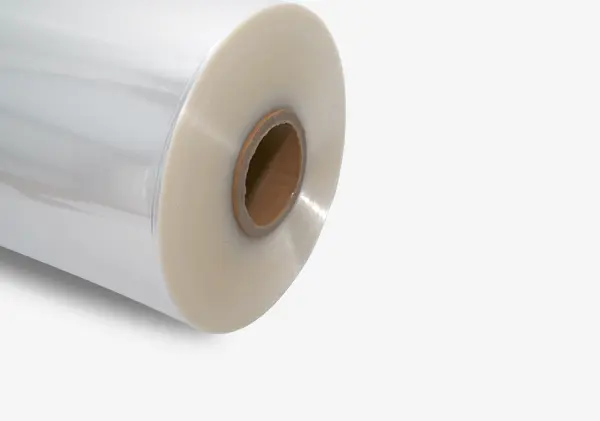
The structure of a shrink film shapes how it responds throughout the packaging process, sometimes in ways that only become obvious once it's running on actual equipment.
A suitable film needs to balance flexibility, strength, and handling convenience all at once. The internal structure of Cross Linked Shrink Film helps create a material that adapts across different packaging situations rather than working well for only one specific product type.
A few structural considerations worth paying attention to:
| Feature | Importance |
|---|---|
| Film consistency | Supports stable, repeatable packaging results |
| Material arrangement | Shapes how well it handles during use |
| Surface condition | Affects both appearance and everyday usability |
| Overall flexibility | Helps the film adapt to varying packaging needs |
The structure genuinely determines how the film behaves once it's actually wrapped around a product. Buyers benefit from thinking through the relationship between film structure and the specific packaging tasks they need done, rather than assuming any roll will perform the same way.
Shrink performance sits near the top of the list when buyers evaluate packaging film options.
During the packaging process, the film needs to adjust around whatever product shape it's covering. A suitable shrink response creates a closer fit and a cleaner final appearance, the kind that doesn't look sloppy sitting on a store shelf or in a shipping box.
A few factors tied to shrink performance:
| Factor | Buyer Consideration |
|---|---|
| Product shape | Does the film actually adapt well to it? |
| Packaging process | Is it suitable for the working method in use? |
| Appearance needs | Does it create a neat, presentable finish? |
| Handling requirements | Is it practical for daily, repeated use? |
Different products call for genuinely different packaging approaches. Understanding how a film shrinks and behaves helps buyers pick something that actually fits their production environment instead of forcing a mismatch that shows up as wrinkled or loose packages down the line.
Film strength matters a lot more than people initially assume when picking packaging material.
A packaging film needs to hold its condition through handling, movement, and storage, sometimes across long shipping routes or extended warehouse stays. The strength of the material shapes how it performs across that entire journey, not just at the moment it's applied.
A few strength-related features worth knowing:
A suitable balance between flexibility and strength lets the film support a range of packaging situations without tearing or losing shape. Buyers benefit from evaluating how the film will actually get used, rather than fixating on just one feature in isolation.
The appearance of a packaged product genuinely shapes how customers perceive it, whether they're browsing a retail shelf or opening a delivery box at home.
Clear packaging lets products stay visible while still maintaining a protected outer layer. Cross Linked Shrink Film often gets chosen specifically for applications where product presentation carries real weight.
A few clarity-related considerations:
| Feature | Effect |
|---|---|
| Transparency | Helps display product details clearly |
| Surface appearance | Shapes the overall package presentation |
| Film quality | Affects visual consistency across a batch |
| Clean finish | Supports a more polished product display |
Clear packaging makes products easier to identify and organize, whether that's on a store shelf or in a warehouse full of similar-looking boxes. For plenty of businesses, packaging isn't only about protection. It's also about how products actually look sitting in storage or on display waiting for a customer.
Flexibility lets shrink film adapt to different product shapes and packaging demands without turning every job into a custom project.
Products come in different sizes, surfaces, and forms, and a genuinely flexible film helps create a suitable wrapping solution without complicating the packaging process unnecessarily.
Flexibility shapes a few things directly:
The right level of flexibility really depends on the specific application at hand. Buyers benefit from considering whether a given film actually works with their packaging process and the particular characteristics of their products.
The surface of shrink film shapes both how it looks and how it behaves throughout the packaging process.
A suitable surface supports better handling and generally improves the whole packaging experience for whoever's working with it day to day.
A few surface considerations worth thinking through:
| Surface Feature | Why It Matters |
|---|---|
| Smoothness | Supports a clean, polished packaging appearance |
| Printing compatibility | Shapes labeling and design options available |
| Handling feel | Affects how practical the film is during actual use |
| Surface stability | Supports consistent results across different runs |
Surface characteristics should genuinely match the intended packaging purpose. Different industries carry different expectations for product appearance and packaging methods, so what works well for one type of product might feel entirely wrong for another.
A shrink film needs to work smoothly with the packaging equipment and workflow it's paired with, or it becomes a daily source of friction rather than a helpful tool.
Buyers often think through whether a film fits their current production process without creating unnecessary headaches for the people actually running the equipment.
A few processing compatibility questions worth asking:
| Consideration | Question |
|---|---|
| Equipment use | Does it match existing packaging methods already in place? |
| Handling process | Is it genuinely convenient for the workers using it? |
| Storage condition | Can it be managed properly before it's even used? |
| Product type | Does it actually fit the intended application? |
A film that matches the packaging process tends to make daily operations run a lot smoother. Understanding the relationship between material features and actual production needs helps buyers avoid picking something that looks good on paper but creates friction on the floor.
Cross Linked Shrink Film shows up across different packaging areas where protection, appearance, and handling all carry real weight.
A few common applications worth mentioning:
Each of these applications tends to call for genuinely different film characteristics. A product built around visual presentation, like something sitting on a store shelf, needs different qualities than a product focused mainly on surviving a long transportation route. Understanding the final use helps buyers figure out which features deserve the closest attention.
Comparing shrink films means looking at several features together rather than fixating on one impressive-sounding trait.
A film with suitable characteristics should genuinely match the product, the packaging process in use, and the broader business requirements driving the decision.
| Comparison Area | Question |
|---|---|
| Material features | Does it meet the actual packaging needs? |
| Shrink behavior | Does it fit the shape of the product? |
| Appearance | Does it support how the product needs to look? |
| Handling | Is it genuinely convenient to use daily? |
| Application | Does it match the working environment it's going into? |
Working through comparisons this way helps buyers make decisions grounded in practical needs rather than surface impressions. Looking at the whole packaging process together gives a much clearer sense of whether a particular film is actually suitable.
Selecting a packaging film involves a lot more than just checking basic appearance and calling it done.
Buyers benefit from considering product requirements, packaging methods already in place, storage conditions, and the handling situations the film will actually face once it's in use.
A few important points worth working through:
A clearer understanding of these factors helps buyers land on a film that genuinely fits their application. Cross Linked Shrink Film features like structure, shrink performance, strength, clarity, flexibility, surface quality, and processing compatibility all shape how the material performs across different packaging situations. Evaluating these areas together gives buyers a much better sense of which characteristics actually align with their packaging goals and day-to-day operational needs.
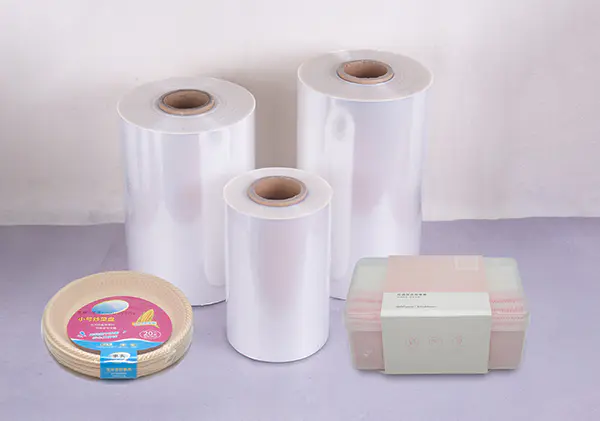
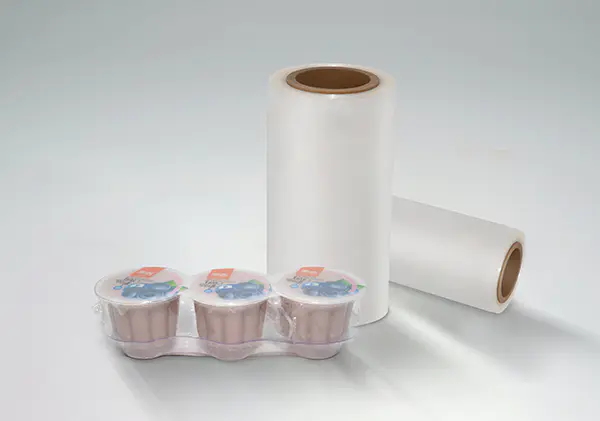
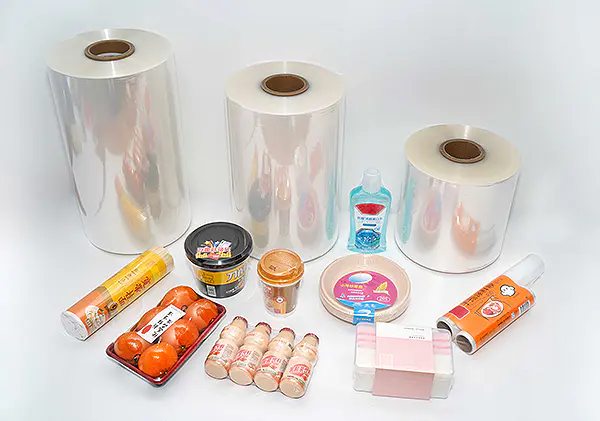
JT05 Antifog Crosslinked Shrink Film is an ideal o...
Copyright © Zhejiang Jiuteng Packaging Co., Ltd.
 简体中文
简体中文
 Home
Home
