
Flexible packaging is changing from the material structure outward. As packaging companies look for practical ways to reduce material use, simplify structures, improve processing, and consider end-of-life options, Polyolefin Films are receiving renewed attention. The conversation is no longer only about making a film clear, flexible, or easy to process. Buyers are also asking how a film fits into the complete packaging system.
For manufacturers, converters, and packaging buyers, this creates a more detailed selection process. A film needs to work with the product, packaging equipment, sealing method, distribution conditions, and intended disposal or recycling pathway. At the same time, the structure needs to remain practical for production.
So, what is really changing in polyolefin films as flexible packaging evolves?
The answer is not one single material trend. Instead, several changes are happening at the same time.
Flexible packaging has traditionally relied on different materials working together. One layer may contribute stiffness, another may support sealing, while another may provide protection against oxygen, moisture, light, or other external conditions.
That approach can deliver useful packaging functions, but it can also create a complicated material structure. Multi-material films may create challenges during recycling because different polymers and functional layers can behave differently in recycling processes.
This has changed the questions being asked during packaging development.
Instead of asking only:
Packaging teams are increasingly considering additional questions:
These questions are pushing film development toward a more complete view of packaging.
One of the clearest developments is the growing interest in mono-material flexible packaging.
Mono-material design generally means building a package around one primary polymer family, such as polyethylene or polypropylene, rather than combining several unrelated material families. The purpose is not simply to reduce the number of layers. The larger goal is to create a structure that can meet packaging requirements while being more compatible with an intended recycling pathway.
Mono-material packaging is not simply a matter of replacing one film with another.
A flexible package can contain more than the main film.
Depending on the design, it may involve:
Even when the main film belongs to a polyolefin family, the complete package still needs to be considered.
This is why design for recycling is becoming a system-level discussion rather than a simple material label. A package may use a polyolefin film while still containing other components that influence its compatibility with a particular recycling stream.
For packaging developers, this creates an important shift: material selection is becoming part of packaging design from the beginning, rather than a decision made near the end of development.
Polyolefins are not one single material.
Polyethylene and polypropylene belong to the same broad polymer family, but they can behave differently during processing and packaging applications. Their differences allow packaging designers to consider different combinations of flexibility, stiffness, sealing behavior, clarity, toughness, and other functional requirements.
This matters because flexible packaging does not have one universal job.
A pouch, overwrap, liner, protective film, refill package, and industrial wrap may all require different characteristics.
As mono-material packaging develops, PE-based and PP-based structures are therefore receiving attention for different applications rather than being treated as interchangeable choices.
Choosing a polymer family should begin with the packaging requirement.
A useful way to think about the process is:
| Packaging Question | Why It Matters |
|---|---|
| What product is being packed? | Different products place different demands on the film |
| How will the package be processed? | Equipment and sealing conditions influence film selection |
| What type of protection is required? | Moisture, oxygen, abrasion, and handling conditions may matter |
| How will the package be transported? | Distribution can expose packaging to movement and stress |
| What appearance is expected? | Clarity, surface finish, and print compatibility can affect presentation |
| What happens after use? | Collection and recycling pathways should be considered |
This approach helps prevent a common mistake: selecting a film based on one attractive characteristic while overlooking the rest of the packaging system.
Another change involves material efficiency.
Packaging manufacturers are under continuing pressure to examine how much material is required to perform a specific packaging function. Using less material can reduce the amount of polymer entering the package, but reducing thickness or changing the structure can also affect handling, sealing, puncture resistance, stiffness, and processing behavior.
That creates a balancing exercise.
The goal is not simply to make a film thinner. The real question is whether the revised structure can still perform the job required by the package.
Downgauging can involve reducing film thickness while maintaining useful packaging functions. However, the result depends on the material formulation, film structure, orientation, equipment, sealing process, product geometry, and distribution conditions.
A thinner structure may behave differently during:
For this reason, material reduction should be approached through testing and application review rather than treated as a simple thickness adjustment.
The packaging industry is increasingly looking at material efficiency alongside recyclability, which means future film development may need to solve several problems at once.
Sustainability discussions do not remove the practical purpose of flexible packaging.
A package still needs to protect its contents.
That may involve resistance to moisture, oxygen, puncture, abrasion, temperature changes, or mechanical handling. Depending on the application, the film may also need reliable sealing, suitable clarity, consistent processing behavior, or compatibility with printing and converting equipment.
This is where the development of polyolefin films becomes interesting.
The industry is not simply moving from complex structures to simple ones. It is trying to develop structures that can combine practical packaging performance with a clearer end-of-life pathway.
Multi-layer structures can provide important barrier and mechanical functions, while their complexity may make recycling more difficult. Current development therefore focuses on finding material and structural approaches that address both sides of the problem.
For buyers, the selection process is becoming more application-specific.
A purchasing team may once have focused mainly on price, availability, film appearance, and basic processing behavior. Those factors still matter, but they may now sit alongside questions about structure, material compatibility, recycling guidance, and future packaging requirements.
A practical purchasing review can include the following areas.
Understand how the film is constructed and what each layer contributes.
A clear structure makes it easier to discuss performance, converting, sealing, and potential end-of-life considerations with suppliers.
The film should match the packaging equipment and production method.
A material that looks suitable on paper may still require adjustment when used with a particular sealing system, forming process, or converting line.
Consider the actual environment surrounding the product.
Warehouse storage, transportation, humidity, temperature changes, stacking, and handling can all influence the film requirement.
If material reduction is part of the packaging objective, evaluate the complete structure rather than focusing only on thickness.
The package still needs to perform its intended function after the change.
A packaging structure should be considered in relation to the recycling system available in the target market.
Recyclability is not determined by the word polyolefin alone. The complete structure, additives, coatings, printing, labels, collection system, sorting process, and local infrastructure can all influence the result.
Film manufacturers are also adjusting the way they approach product development.
Instead of creating films around one isolated characteristic, development increasingly involves balancing several requirements at the same time.
For example, a packaging film may need to provide:
This is where communication between the film manufacturer and packaging buyer becomes important.
A supplier needs to understand more than the requested film name. The application, equipment, packaging format, product characteristics, and target market can all help determine which film structure makes sense.
The direction is moving toward more integrated packaging design.
Instead of treating film as an isolated component, companies are increasingly looking at the relationship between:
| Packaging Stage | Key Consideration |
|---|---|
| Material | Polymer family and material characteristics |
| Film Structure | Layer design and functional balance |
| Packaging Process | Processing and converting compatibility |
| Product Protection | Protection requirements during use and distribution |
| Distribution | Storage, handling, and transportation conditions |
| End of Life | Collection and recycling considerations |
This broader view can influence how new films are developed.
Mono-material structures are one part of this change. Material reduction is another. Barrier technologies, coatings, orientation methods, improved processing, and recycling systems are also part of the wider picture.
Importantly, no single approach solves every packaging requirement.
Some applications may be suitable for simplified polyolefin structures. Others may still require more complex designs because of demanding barrier or protection needs. Research and industry development are therefore continuing to explore how different material combinations can meet functional requirements while improving compatibility with recycling systems.
For packaging companies planning future film purchases, several areas deserve attention.
These trends suggest that future purchasing decisions will involve more technical discussion between packaging companies and film suppliers.
For a manufacturer such as JT Package, the role of a film supplier goes beyond providing rolls of packaging material.
A useful supplier relationship begins with understanding the application.
That may include discussing:
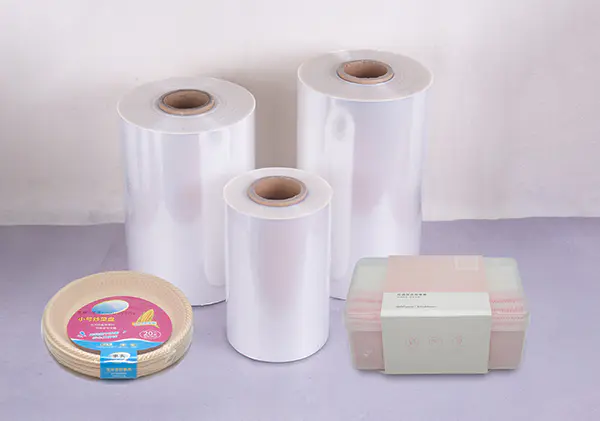
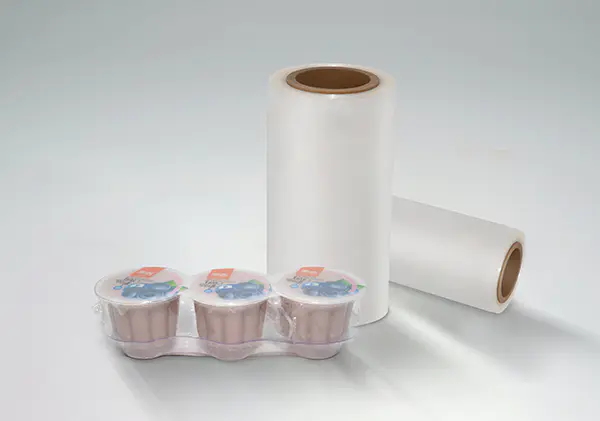
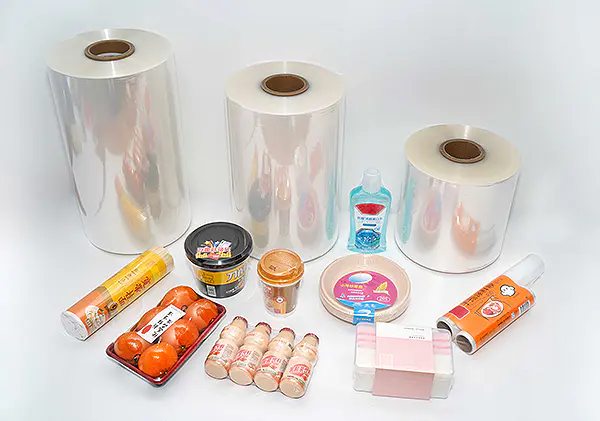
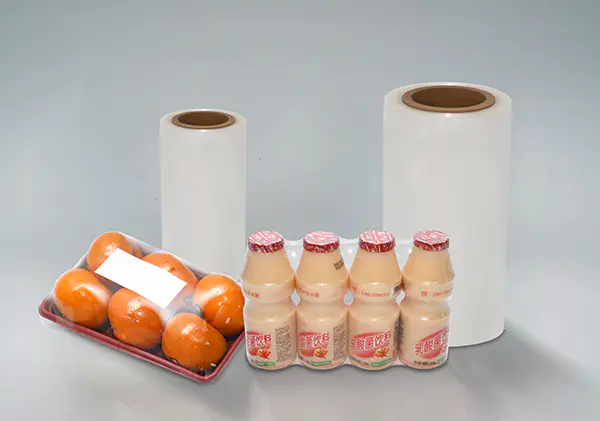
JTPackage manufactures polyolefin shrink films and related packaging films for different packaging requirements, including standard and specialized film options.
For buyers, this kind of application discussion can make film selection more practical. Instead of asking only which film to purchase, the conversation can focus on how the material should work within the entire packaging process.
The evolution of flexible packaging is not happening because one material has suddenly replaced everything else.
It is happening because packaging expectations are becoming more connected.
Protection, production, appearance, material efficiency, recycling, and regulatory requirements increasingly influence one another. Polyolefin films sit directly in the middle of this discussion because PE and PP structures can be adapted for a wide range of flexible packaging applications.
The next stage of development will likely depend less on choosing a material in isolation and more on designing the right relationship between material, structure, processing, application, and end of life.
For packaging buyers, that means asking better questions before selecting a film.
For manufacturers, it means developing materials around real packaging requirements.
And for the flexible packaging industry as a whole, it means moving from a simple question of what a film can do toward a broader question:
How can the film perform its packaging function while fitting into a more thoughtful and practical packaging system?
That is the direction worth watching as flexible packaging continues to evolve.
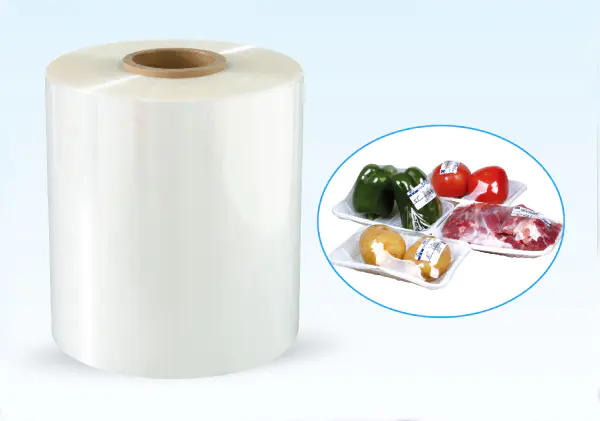
JT05 Antifog Crosslinked Shrink Film is an ideal o...
Copyright © Zhejiang Jiuteng Packaging Co., Ltd.
 简体中文
简体中文
 Home
Home
