
PE Shrink Film, also called polyethylene shrink film, is a commonly used material in today's packaging industry. Its useful characteristic is the ability to shrink tightly and evenly when heat is applied. This straightforward feature makes it a versatile and practical option for many different types of businesses.
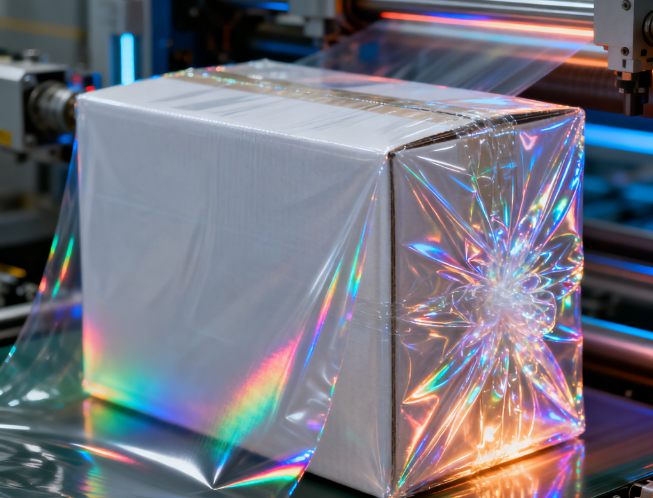
It is widely used for packaging fresh food products as well as protecting industrial equipment and everyday consumer goods. Companies like PE Film because it provides solid protection, is simple to apply, and helps control packaging costs effectively.
Whether the goal is to keep products secure during shipping or to create a neat, professional look on store shelves, PE Film has become a dependable choice for many companies that need reliable and efficient packaging.
PE Film is a plastic film made from polyethylene that has one standout feature — it shrinks tightly when heated. This property makes it especially useful for packaging. When the film is placed around a product and heat is applied, it contracts and pulls closely against the item's shape. The result is a snug, secure wrap that holds the product firmly and creates a protective outer layer.
The shrinking process is quick and consistent. Heat is usually introduced using shrink tunnels, heat guns, or shrink ovens. As the film warms up, it tightens evenly from every direction, forming a smooth and close-fitting seal. This tight wrap does more than just hold things together — it protects the contents from dust, moisture, and physical damage while also making the package tamper-evident for added security during storage and shipping.
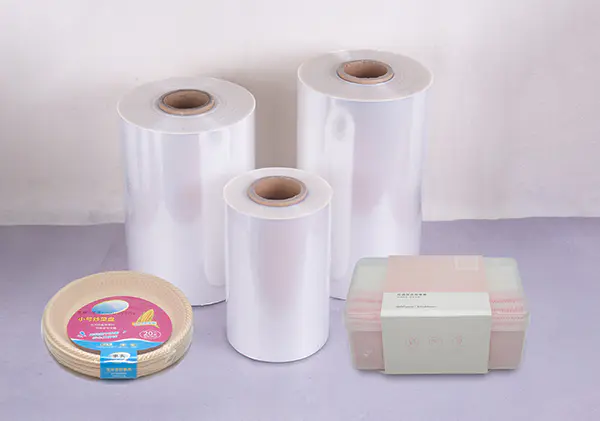
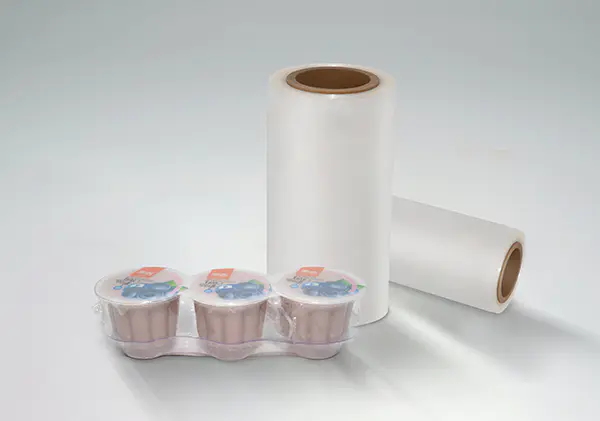
Film is available in two main formats: flat center-folded sheets and tubular rolls. It can be produced in various widths, lengths, and thicknesses to match the specific size and weight of different products, from small individual items to large, heavy loads. Thanks to its straightforward application and dependable performance, many companies consider PE Film a practical and economical packaging choice.
Because of its flexibility and strong protective qualities, Film is used across a broad range of industries. It offers tight wrapping, good clarity, and a clean professional finish, making it suitable for many types of products. Below are some of the main industries that regularly use it:
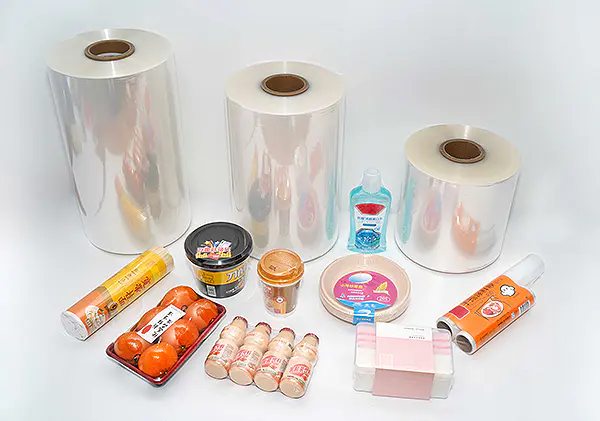
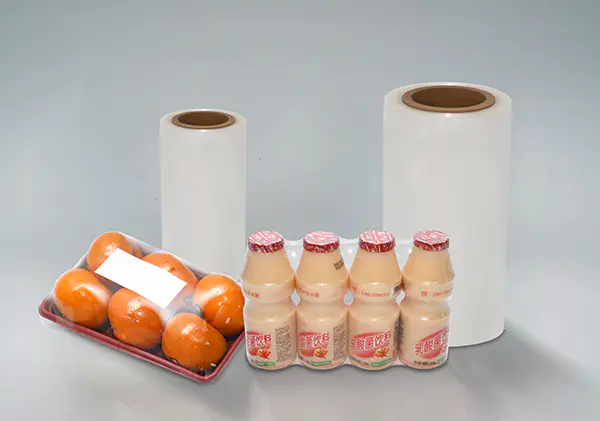
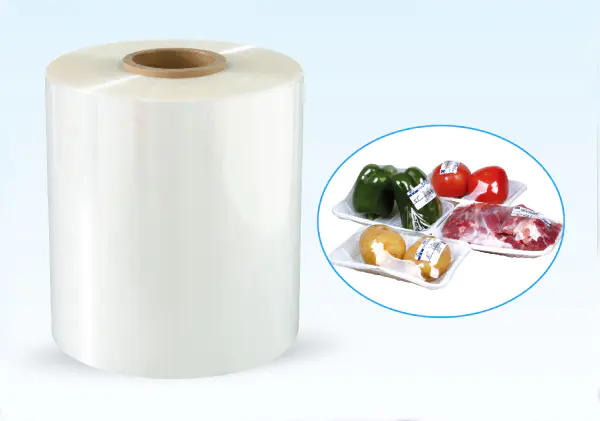
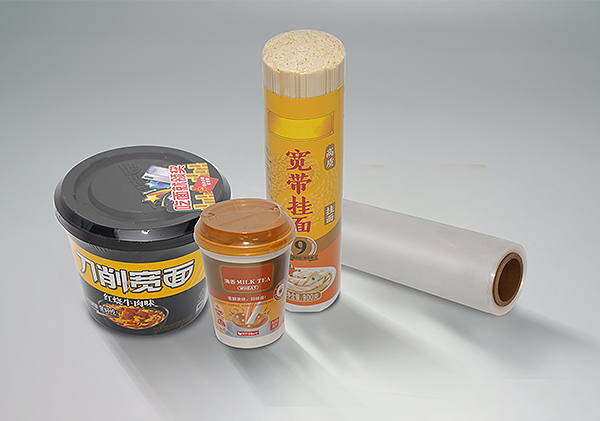
1. Food Packaging In the food sector, Film is widely applied to package fresh fruits and vegetables, snacks, ready-to-eat meals, bottled drinks, meat, and dairy products. The tight seal helps maintain freshness by limiting contact with air and contaminants. It also safeguards the items during transportation and while they are displayed on store shelves.
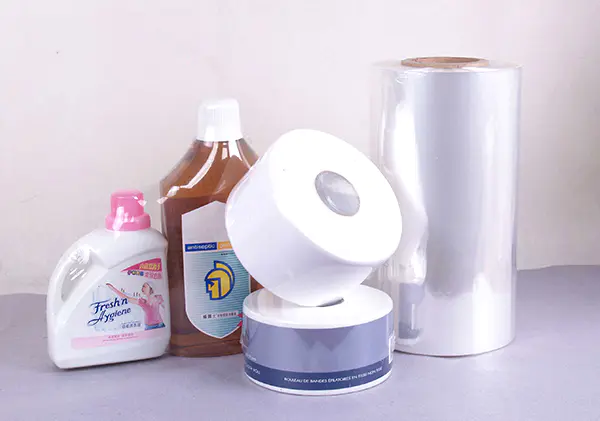
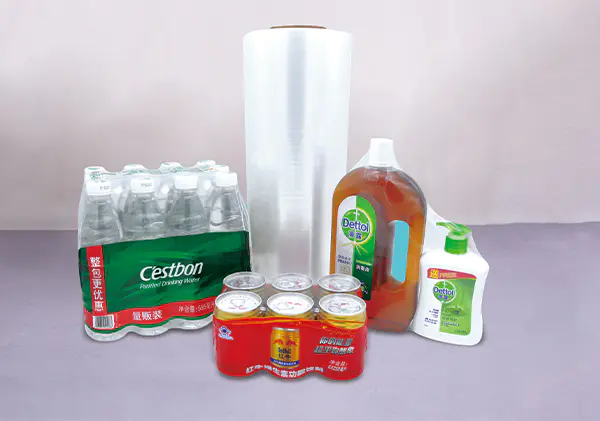
2. Consumer Goods Many common household and personal care items are packaged with Shrink Film. This includes bottled beverages, toiletries, cleaning products, and other everyday consumer goods. The film's clear, glossy appearance allows shoppers to see the product inside, while still providing solid protection against dust, moisture, and damage that can happen during handling and transit.
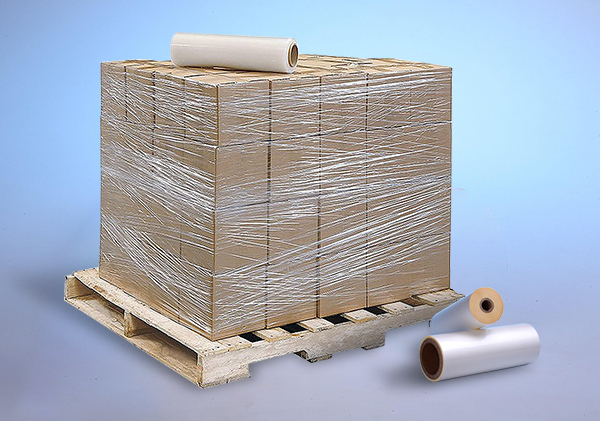
3. Industrial Packaging Industrial companies often turn to PE Film to bundle and protect large or bulky goods such as machinery parts, tools, equipment, and full pallet loads. The film keeps everything securely in place, reducing the risk of shifting or damage during long-distance shipping and extended warehouse storage. It adds an extra level of protection for items that may experience rough handling.
4. Electronics Electronic devices — including smartphones, tablets, small appliances, and various gadgets — are frequently wrapped in PE Film. The film acts as a reliable barrier against scratches, dust, and moisture, helping ensure that products arrive at their destination in clean and undamaged condition.
5. Pharmaceuticals In the pharmaceutical industry, Film is used for packaging medicines, medical devices, and other healthcare products. Its tamper-evident nature helps preserve product safety and integrity. The sealed wrap also shields sensitive items from external elements, which can help maintain their quality and extend shelf life.
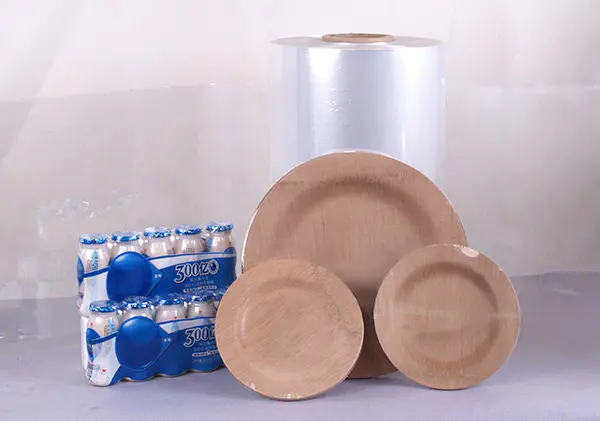
6. Retail Products Retail businesses commonly use Film to create multipacks by bundling cans, bottles, small toys, or other items together. This keeps products neatly grouped, simplifies handling and display, and gives customers a clear view of what they are purchasing.
7. Toys and Sporting Goods Toys, games, and sporting equipment are regularly wrapped with PE Film for protection during storage and transportation. The film prevents dirt and damage while allowing potential buyers to see the product clearly. It also helps the packaging look neat and professional on retail shelves.
When businesses are deciding on packaging materials, PE Film often stands out as a practical and reliable option. It gives a good balance of cost savings, solid protection, and ease of use that many other materials find hard to match.
The food industry uses a lot of PE Film because it helps keep food fresh and provides good protection. Its tight seal and practical qualities make it suitable for many different food products.
Food safety is always very important. When the right food-grade PE Film is chosen, it is generally considered safe for direct contact with food. These food-grade films are non-toxic and are made to meet strict safety standards in many countries. They are designed so they do not transfer any harmful substances to the food.
Still, companies must be careful to use only certified food-grade material. Using non-food-grade film can create risks of contamination and may affect product quality or consumer health. Following the correct application and storage procedures is also necessary to keep the packaging safe and effective.
PE Film does more than protect products — it can also help with branding and marketing. Because the film is transparent, customers can clearly see the actual product inside, which is often an advantage on store shelves. Companies can print logos, product details, ingredients, or promotional messages directly on the film, turning the packaging into an extra marketing surface.
The glossy finish of the film also makes products look more attractive and professional. When used in a smart way, it becomes a helpful part of a brand's overall image and can help products stand out in stores.
Recycling is becoming more important for many businesses. PE Film is made from polyethylene, so it is technically recyclable. However, whether it can actually be recycled depends on the exact type of film and the recycling facilities available locally. Not all recycling centers accept thin plastic films.
To meet growing environmental expectations, some manufacturers are now making more sustainable versions of Film, including ones that are easier to recycle or are biodegradable. Businesses that want to improve their environmental record should check local recycling programs and consider these newer options when possible.
Even with its many advantages, PE Shrink Film has some limitations. One of the biggest concerns is its effect on the environment. While recyclable and biodegradable versions exist, many standard films still end up as plastic waste if they are not recycled properly.
Another challenge is the need for specialized equipment. Applying the film correctly usually requires heat tunnels, sealing machines, or heat guns. For smaller businesses without this equipment, the extra cost for setup can be a drawback.
Lastly, although the film is quite strong once applied, it can still be punctured or torn if it is handled roughly during packaging or shipping. Careful handling is needed to avoid damaging the wrap and losing its protective effectiveness.
| Application | Industry | Benefits |
|---|---|---|
| Food Packaging | Food Industry | Protects freshness, extends shelf life |
| Consumer Goods Packaging | Retail and Household | Clear, attractive, protective |
| Industrial Packaging | Manufacturing | Secure large or heavy items, prevent damage |
| Electronics Packaging | Electronics | Protection against dust, scratches, moisture |
| Pharmaceutical Packaging | Healthcare | Tamper-evident, secure, protects from contamination |
| Retail Product Bundling | Retail | Convenient packaging for multipacks |
JT05 Antifog Crosslinked Shrink Film is an ideal o...
Copyright © Zhejiang Jiuteng Packaging Co., Ltd.
 简体中文
简体中文
 Home
Home
